
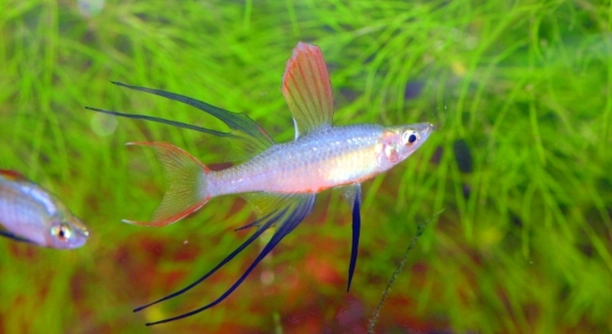
Do you ever find yourself admiring the colors of your aquarium but wondering if your Threadfin Rainbowfish is truly thriving? Observing their behavior and appearance can reveal subtle signs of contentment that are often easy to miss.
A happy Threadfin Rainbowfish displays vibrant coloration, active swimming, and regular feeding behavior. Their fins remain intact and spread naturally, while they interact comfortably with their environment and tank mates, indicating optimal health and well-being in captivity.
Recognizing these behaviors can enhance your experience as a fish keeper and ensure your Rainbowfish lives a fulfilled, healthy life. Paying attention to these signs brings both enjoyment and reassurance.
Signs of a Happy Threadfin Rainbowfish
Observing your Threadfin Rainbowfish closely can tell you a lot about its mood. A content fish will swim confidently throughout the tank, exploring all corners without hesitation. Their colors will appear bright and vivid, reflecting good health and proper diet. Fins should be fully extended, moving naturally with the water current, and they should rarely hide behind plants or decorations. Feeding time is another key indicator; a happy fish approaches food eagerly and without hesitation. Social interaction is also important. These fish tend to swim in groups, often aligning with others in synchronized patterns. If they engage calmly with tank mates without aggression, it is a strong sign of well-being. Avoiding sudden darting or hiding suggests that stress levels are low. Tank conditions, such as clean water and stable temperature, directly influence their behavior and overall happiness. Observing these signs regularly ensures your fish remain healthy.
Monitoring these behaviors daily allows you to maintain a thriving, lively tank environment for your Rainbowfish.
Creating the right habitat is essential. Adequate swimming space, proper filtration, and a balanced diet all contribute to content, active fish. Avoid overcrowding, as it increases stress and reduces natural behavior patterns. Incorporating live plants provides hiding spots and mimics natural conditions, encouraging exploration. Regular water changes and careful monitoring of water parameters help maintain stability. Observing how your Rainbowfish responds to its surroundings over time helps identify potential issues early. Small changes, like rearranging decorations or introducing new tank mates, should be done gradually to prevent stress. A consistent routine in feeding and maintenance supports a predictable environment, allowing the fish to feel secure. Over time, you will notice subtle shifts in color vibrancy, fin condition, and swimming behavior, which indicate their overall happiness. These practices help ensure a long, healthy life for your Rainbowfish.
Feeding and Interaction
Consistent feeding schedules are essential for a happy Threadfin Rainbowfish. They respond well to a mix of high-quality flakes, pellets, and occasional live foods.
Providing a varied diet supports their natural behavior and vibrant colors. Observing feeding patterns helps detect stress or illness early. Overfeeding should be avoided, as it can harm water quality and the fish’s health. Feeding small amounts multiple times a day allows better digestion and encourages active swimming. Interaction with the fish during feeding also promotes familiarity and comfort in their environment. Watching how they approach food and react to each other offers insights into their mood and social dynamics. Adjusting diet based on seasonal or age-related needs ensures continued health. A well-fed Rainbowfish is more likely to exhibit confident swimming, bright coloration, and proper fin display. Maintaining these routines strengthens the bond with your aquarium and ensures long-term well-being. Careful attention to feeding and interaction practices creates an environment where the fish thrive naturally and healthily.
Maintaining Optimal Water Conditions
Regular water testing is crucial for your Threadfin Rainbowfish. Parameters like temperature, pH, and ammonia levels must remain stable. Clean water promotes active swimming, vibrant coloration, and overall well-being. Sudden changes can cause stress and illness, so consistency is key.
Keeping the tank clean involves partial water changes at least once a week. Removing uneaten food and debris prevents harmful bacteria growth. Proper filtration ensures oxygenation and circulation, which support fish health. Maintaining a stable temperature around 24–28°C helps avoid stress. Using a reliable water conditioner neutralizes chlorine and heavy metals. Regular monitoring of pH, hardness, and nitrates allows you to detect issues before they affect the fish. A calm, balanced environment encourages natural behavior, such as schooling and exploration. Observing the fish after water changes helps verify they remain comfortable and happy.
Testing water consistently is a simple but effective habit. Even minor adjustments in chemical balance or temperature can significantly impact your Rainbowfish’s mood and activity. Observing reactions to changes lets you adapt quickly, ensuring they remain energetic and healthy.
Tank Setup and Environment
Providing space for swimming and hiding is vital. Plants, decorations, and open areas create a balanced environment that encourages natural behavior and reduces stress.
Arranging the tank thoughtfully helps Threadfin Rainbowfish feel secure. Live plants act as hiding spots, while smooth decorations prevent fin damage. Avoid overcrowding to reduce competition and aggression. Substrate choice affects cleaning and aesthetic appeal; sand or fine gravel works best. Lighting should be moderate to highlight their colors without causing discomfort. Water flow should mimic gentle currents, promoting swimming activity without overwhelming the fish. Temperature and pH stability are essential, and routine checks prevent sudden shifts. Proper filtration and aeration support healthy oxygen levels. A carefully planned tank enhances fish behavior, encourages social interaction, and allows them to display natural patterns. Observing their movement and responses to the environment ensures they remain content and healthy over time.
Recognizing Stress Signs
Rapid gill movement, clamped fins, and hiding frequently are clear signs of stress. Addressing environmental factors immediately helps prevent illness and supports recovery.
Loss of color and erratic swimming also indicate discomfort. Observing these behaviors early allows you to adjust water quality, diet, or tank setup to restore a healthy environment.
Social Behavior Patterns
Threadfin Rainbowfish are naturally social and thrive in groups. Schooling behavior, synchronized swimming, and calm interaction with tank mates indicate comfort and proper social structure. Aggression, chasing, or isolation suggests stress or an unsuitable tank arrangement. Maintaining appropriate group sizes ensures they remain active, secure, and display natural behaviors consistently.
Regular Observation Benefits
Daily observation allows quick detection of changes in behavior or health. Tracking feeding, swimming, and interactions helps maintain a stable, happy environment for your fish.
FAQ
How can I tell if my Threadfin Rainbowfish is happy?
A happy Threadfin Rainbowfish will swim confidently throughout the tank, display bright and vivid colors, and actively feed during mealtime. Their fins remain fully extended, and they interact calmly with tank mates. Avoiding constant hiding and showing consistent, natural behavior indicates a comfortable and healthy fish.
What are the most important water parameters for these fish?
Threadfin Rainbowfish thrive in a temperature range of 24–28°C, with a pH between 6.5 and 7.5. Ammonia, nitrite, and nitrate levels should be closely monitored. Regular partial water changes, proper filtration, and water conditioners help maintain these parameters and prevent stress or disease.
How many Threadfin Rainbowfish should I keep together?
These fish are social and should be kept in groups of at least six. Smaller groups can lead to stress and timid behavior. A proper group size encourages natural schooling behavior, reduces aggression, and allows the fish to display their vibrant colors and confident swimming patterns.
What should I feed them?
A varied diet of high-quality flakes, pellets, and occasional live or frozen foods is ideal. Feed small amounts multiple times per day to encourage active swimming and prevent overfeeding. Observing their feeding behavior also helps detect potential health or stress issues early.
How can I reduce stress in my aquarium?
Providing adequate swimming space, live plants, hiding spots, and smooth decorations reduces stress. Avoid overcrowding and sudden changes in water parameters. Maintaining a stable routine for feeding and water maintenance helps your Rainbowfish feel secure and encourages natural behavior patterns.
Why is my fish hiding more than usual?
Excessive hiding can indicate stress, illness, or poor water conditions. Check water parameters, temperature, and potential aggressive tank mates. Adjusting the environment and ensuring proper group size usually helps restore normal behavior. Observing changes after adjustments confirms their comfort and well-being.
How do I know if they are interacting well with tank mates?
Healthy interaction includes schooling, synchronized swimming, and calm behavior. Lack of aggression and cooperative movement throughout the tank are positive signs. Aggression, chasing, or prolonged isolation may indicate stress, poor tank setup, or unsuitable group dynamics.
Can poor water quality affect their happiness?
Absolutely. Poor water quality can cause stress, illness, and loss of coloration. Regular testing and maintenance, including partial water changes and proper filtration, are essential for keeping Rainbowfish healthy and displaying natural behaviors.
What role does tank setup play in their happiness?
A thoughtfully arranged tank with open swimming areas, plants, and smooth decorations supports natural behavior and reduces stress. Proper lighting, water flow, and substrate choice further enhance their comfort and allow them to thrive in a stable environment.
How often should I observe my Rainbowfish?
Daily observation is recommended. Monitoring swimming, feeding, and social interactions allows early detection of stress, illness, or environmental issues. Quick responses to changes help maintain a healthy, happy aquarium, ensuring your Threadfin Rainbowfish consistently display confident and vibrant behavior.
What signs indicate illness versus temporary stress?
Temporary stress may show as brief hiding, mild color fading, or slight inactivity, often triggered by environmental changes. Illness presents as prolonged lethargy, clamped fins, abnormal swimming, or visible lesions. Consistent monitoring and proper tank maintenance help differentiate between these conditions and guide timely intervention.
Is it necessary to acclimate new fish to the tank?
Yes, proper acclimation reduces stress and allows new Rainbowfish to adjust to water parameters gradually. Drip acclimation or floating the bag before release prevents sudden changes in temperature or chemistry, promoting a smooth transition and maintaining overall tank harmony.
Can diet changes improve their coloration and happiness?
A balanced, varied diet enhances vibrancy and encourages natural activity. Including high-quality flakes, pellets, and occasional live foods supports both physical health and behavioral well-being. Sudden dietary changes should be avoided, and observations after adjustments ensure the fish respond positively.
How do seasonal changes affect them?
Threadfin Rainbowfish are sensitive to temperature fluctuations and light cycles. Maintaining stable temperatures and consistent lighting throughout the year prevents stress. Adjusting diet and tank maintenance schedules slightly during seasonal changes helps maintain health and activity levels consistently.
What is the best way to introduce new tank mates?
Introduce new fish gradually to prevent aggression and stress. Monitor interactions closely, ensure compatible species, and provide hiding spaces. Proper acclimation and observation help integrate new Rainbowfish smoothly into the group, promoting harmonious behavior and continued happiness.
Can I tell if they are bored?
Signs of boredom include lack of exploration, repetitive swimming in one area, or disinterest in food. Adding decorations, plants, or slight rearrangements stimulates their environment, encourages natural behaviors, and keeps them active and engaged.
How long do Threadfin Rainbowfish typically live in captivity?
With proper care, a balanced diet, stable water conditions, and a comfortable environment, they can live up to 5–8 years. Regular observation, maintenance, and attention to social dynamics maximize their lifespan and quality of life.
What common mistakes affect their happiness?
Overcrowding, inconsistent water quality, improper diet, and insufficient hiding spaces are frequent mistakes. Addressing these issues promptly supports health, encourages natural behavior, and ensures the fish remain vibrant and active throughout their lifespan.
How can I tell if they are comfortable in their environment?
Comfort is indicated by bright coloration, active swimming, healthy fin display, and calm interaction with tank mates. Consistent behavior, regular feeding, and exploration of the tank all point to a well-adjusted and happy Rainbowfish.
How important is lighting for their well-being?
Moderate lighting enhances color without causing stress. Consistent day-night cycles support natural behavior, feeding patterns, and activity levels. Overly bright or harsh lighting can trigger hiding or aggression, while low lighting may reduce color vibrancy and overall activity.
Can stress affect their health long-term?
Yes, prolonged stress weakens the immune system, reduces coloration, and increases susceptibility to disease. Maintaining stable water parameters, proper diet, and a calm environment minimizes long-term health risks and promotes a longer, healthier life for your Rainbowfish.
What are the best ways to encourage natural schooling behavior?
Keeping them in adequate group sizes, providing open swimming areas, and maintaining a calm environment encourages synchronized swimming and schooling. Observing their interactions ensures social harmony, promotes activity, and reflects overall happiness.
How do I prevent fin damage?
Smooth decorations, proper tank mates, and avoiding overcrowding reduce the risk of torn or clamped fins. Healthy water parameters and proper nutrition also support strong fins, allowing your Rainbowfish to swim naturally and display their full vibrant colors.
How can I tell if they are stressed after a water change?
Temporary hiding, mild color fading, or slightly erratic swimming may occur immediately after a water change. Observing their behavior over the next few hours indicates whether the change caused minor stress or if adjustments are needed.
What role does substrate choice play in their happiness?
Sand or fine gravel is ideal, allowing natural exploration without damaging fins. Substrate affects cleaning, tank aesthetics, and comfort, contributing to a stress-free environment where Rainbowfish can swim and forage naturally.
How do I maintain consistent social behavior in a mixed tank?
Monitor interactions closely and ensure compatible species. Proper group size, hiding spaces, and open swimming areas reduce aggression and stress, allowing Threadfin Rainbowfish to maintain calm, synchronized behavior with other tank mates.
Are live plants necessary for happiness?
Live plants provide hiding spots, improve water quality, and mimic natural conditions, supporting exploration and security. While not strictly necessary, they significantly enhance environmental enrichment and overall well-being.
How often should I perform full tank maintenance?
Partial water changes weekly are ideal, while full cleaning can be done monthly. Regular maintenance ensures water quality, supports health, and maintains the environment necessary for a happy, thriving Rainbowfish.
How can I detect illness early?
Daily observation of swimming patterns, coloration, fin condition, and feeding behavior helps detect illness promptly. Early intervention prevents serious health issues and supports continued happiness and activity.
What adjustments help when multiple fish show stress signs?
Check water quality, tank space, group size, and decorations. Gradual changes, proper acclimation, and consistent routines reduce stress and restore natural behavior across the tank.
Can tank location affect their happiness?
Yes, placing the aquarium in a quiet, stable area away from heavy traffic and sudden disturbances reduces stress. Consistent lighting and minimal vibrations promote natural behavior and a calm environment.
How do I know if a new fish is compatible?
Observe behavior patterns and swimming style. Species with similar temperaments and activity levels integrate more smoothly. Avoid aggressive or overly dominant fish that may disrupt schooling or cause stress to Threadfin Rainbowfish.
What role does diet variety play in long-term health?
Variety ensures proper nutrition, supports color vibrancy, and encourages active behavior. Flakes, pellets, and occasional live foods provide essential proteins, vitamins, and minerals, promoting overall well-being and natural behavior throughout their life.
How do I maintain a calm environment during tank cleaning?
Clean gradually, avoid sudden water parameter changes, and remove fish only when necessary. Gentle handling, consistent routines, and proper equipment reduce stress, ensuring Rainbowfish remain comfortable and healthy during maintenance.
What are the warning signs of overcrowding?
Frequent chasing, fin nipping, hiding, or reduced swimming indicate overcrowding. Adequate tank size, proper group numbers, and careful monitoring prevent stress, aggression, and health issues, allowing natural schooling behavior and peaceful interactions.
How important is consistency in feeding times?
Consistent feeding routines reduce stress and encourage active swimming and social interaction. Regular schedules support digestion, prevent overeating, and help you monitor health and behavior changes effectively.
Can environmental enrichment improve happiness?
Yes, adding plants, hiding spots, and varied decorations stimulates exploration, encourages natural behaviors, and reduces boredom. Enriched environments support physical activity, social interaction, and overall well-being for Threadfin Rainbowfish.
How do I prevent sudden stress from new tank mates?
Introduce new fish gradually, provide hiding spots, and monitor interactions. Adjusting the environment and observing responses minimizes aggression, reduces stress, and ensures all fish maintain healthy, natural behavior.
What is the best way to monitor long-term health?
Track color, swimming patterns, feeding behavior, and social interactions consistently. Regular observation, combined with proper diet, water quality, and tank maintenance, ensures Threadfin Rainbowfish remain vibrant, active, and happy throughout their lifespan.
How can I tell if they are comfortable during temperature fluctuations?
Comfortable fish maintain normal swimming, feeding, and social behavior even during minor fluctuations. Sudden hiding, clamped fins, or erratic movements indicate discomfort, prompting adjustments to stabilize water temperature quickly.
Can rearranging decorations affect their happiness?
Yes, gradual rearrangement stimulates exploration and reduces boredom, but sudden drastic changes may trigger stress. Observing behavior after adjustments ensures fish remain confident, active, and healthy.
How do I identify signs of aging in Rainbowfish?
Older fish may swim slower, show slight color fading, or have minor fin wear. Regular care, proper diet, and stable tank conditions support their comfort and longevity, maintaining overall happiness.
Are there specific signs that indicate they enjoy their environment?
Active schooling, bright colors, extended fins, frequent exploration, and calm social interactions indicate enjoyment. Consistent display of these behaviors reflects a stable, comfortable, and healthy environment tailored to their needs.
How can I encourage natural exploration without causing stress?
Provide plants, hiding spots, open swimming areas, and occasional minor rearrangements. Monitor behavior closely to ensure changes promote activity without triggering hiding or aggression.
Can low lighting negatively affect them?
Low lighting may reduce color vibrancy and activity. Balanced moderate lighting ensures they remain visible, active, and able to display natural behaviors, while preventing stress from excessive brightness.
How important is observation for long-term happiness?
Daily observation allows early detection of stress, illness, or environmental issues. Understanding behavior patterns ensures proper care, stable routines, and a consistently comfortable environment. Consistent attention promotes long-term health and vibrant behavior.
How do I handle sudden illness in the tank?
Isolate affected fish, check water quality, and treat promptly with appropriate measures. Early intervention prevents spread, reduces stress, and helps maintain a healthy, active environment for remaining Rainbowfish.
Can social hierarchy impact their happiness?
Yes, dominant or aggressive fish can stress others. Maintaining proper group sizes, adequate space, and hiding spots ensures peaceful interactions, allowing natural schooling and social behaviors to continue without disruption.
What are subtle signs that indicate contentment?
Exploring the full tank, synchronized swimming, bright coloration, smooth fin movement, and eagerness to feed are subtle but reliable indicators of a happy Rainbowfish. Regular observation ensures these behaviors remain consistent.
How do I balance diet, environment, and social behavior for optimal happiness?
Providing a varied diet, stable water conditions, adequate space, compatible tank mates, and environmental enrichment ensures all aspects of their well-being are addressed. Consistent observation and maintenance allow adjustments, promoting long-term health, active behavior, and vibrant coloration.
Final Thoughts
Caring for Threadfin Rainbowfish requires attention to their environment, diet, and social needs. Observing their behavior daily helps identify whether they are comfortable and thriving. Active swimming, bright colors, and proper fin display are all indicators of a healthy, happy fish. These subtle signs may be easy to overlook at first, but spending time watching your fish regularly provides valuable insight into their overall well-being. By noticing patterns in swimming, feeding, and social interaction, you can detect early signs of stress or illness, allowing you to make adjustments before problems become serious. Consistent observation is one of the most effective ways to maintain a stable and enjoyable aquarium.
Maintaining optimal water conditions is critical for their happiness. Temperature, pH, and ammonia levels should remain stable to reduce stress and prevent health issues. Regular water testing and partial water changes support a clean and balanced environment. Proper filtration and aeration contribute to oxygenation and water circulation, which are essential for healthy Rainbowfish. A stable and well-maintained tank encourages natural behavior, such as schooling, exploration, and social interaction, which are all signs of a content fish. In addition to water quality, the physical layout of the tank matters. Providing open swimming areas, live plants, and hiding spots allows fish to express their natural behaviors and feel secure. Smooth decorations prevent fin damage and reduce the likelihood of injury. Thoughtful tank design combined with consistent maintenance supports both physical and behavioral health.
Diet and social interaction also play a major role in their well-being. Feeding a varied diet that includes high-quality flakes, pellets, and occasional live or frozen foods ensures proper nutrition, vibrant coloration, and active behavior. Consistent feeding schedules reduce stress and help you monitor changes in appetite, which may indicate health issues. Socially, Threadfin Rainbowfish thrive in groups, and maintaining an appropriate number of individuals encourages schooling and calm interaction. Observing their interactions within the group provides insight into their comfort and contentment. Avoiding overcrowding and introducing new tank mates gradually helps maintain harmony. By combining attention to environment, water quality, diet, and social behavior, you can create a stable and enriching habitat that allows Threadfin Rainbowfish to live healthy, active, and vibrant lives. Consistency and careful observation remain the foundation for ensuring long-term happiness in your aquarium.

Hello,
If you enjoy the content that we create, please consider saying a "Thank You!" by leaving a tip.
Every little bit helps us continue crafting quality advice that supports the health, happiness, and well-being of pets around the world, for pets of all shapes, sizes, and species.
We really appreciate the kindness and support that you show us!