
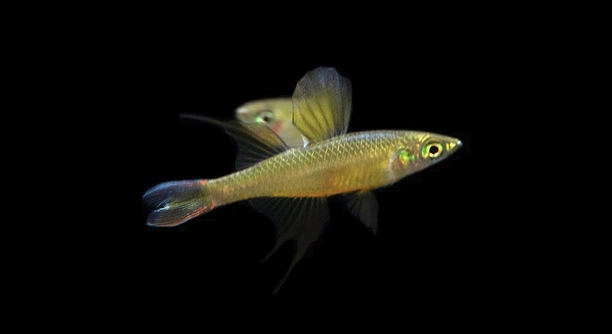
Do you ever find yourself wondering if your Threadfin Rainbowfish need a proper day-night cycle to remain healthy and active? Many aquarists pay attention to feeding and water quality but overlook lighting patterns in aquariums.
Threadfin Rainbowfish do need a day-night cycle, as consistent light and darkness help regulate their behavior, stress levels, and biological rhythms. Without this balance, they may experience poor health, disrupted feeding patterns, and increased vulnerability to illness over time.
Creating the right light cycle plays a key role in keeping your fish calm and thriving, while also supporting a natural environment.
Importance of a Day-Night Cycle
Maintaining a consistent day-night cycle for Threadfin Rainbowfish is essential for their overall well-being. These fish rely on regular light patterns to regulate their internal biological rhythms. Light exposure affects feeding habits, activity levels, and rest periods. Without a proper cycle, they may become stressed, leading to weakened immune systems and increased susceptibility to disease. Fish in poorly lit tanks often show erratic swimming patterns or reduced coloration. Conversely, a stable cycle encourages natural behavior, vibrant colors, and consistent feeding. Using timers on aquarium lights ensures that day and night periods are predictable, replicating their natural environment. Proper lighting also supports the growth of beneficial plants and microorganisms, contributing to a healthier ecosystem within the tank. Observing your fish over time will help you understand their preferences and adjust the lighting schedule accordingly. Small adjustments can lead to significant improvements in health and activity.
A stable light schedule also promotes calmer behavior, reducing stress and aggression among the fish.
Consistency in day and night periods helps maintain natural instincts, enhances coloration, and supports overall tank balance, benefiting both fish and plants.
Setting Up the Ideal Lighting Schedule
A consistent lighting schedule for Threadfin Rainbowfish should mimic natural conditions, with about ten to twelve hours of light per day.
Using timers on your aquarium lights is the simplest way to maintain regularity. Start by setting the lights to turn on in the morning and switch off in the evening, allowing a clear transition between day and night. Gradually adjust the duration if the fish show signs of stress or inactivity. Too much light can promote algae growth and disturb rest periods, while too little can reduce feeding activity and dull their colors. Observing their behavior and coloration is key to finding the right balance. It is also important to provide shaded areas or plants where fish can retreat, mimicking natural hiding spots during daylight hours. A consistent light-dark rhythm encourages normal feeding, active swimming, and overall improved health, ensuring your Threadfin Rainbowfish thrive in a comfortable and natural-feeling environment. Proper lighting management is a small effort that yields noticeable benefits in activity, appearance, and vitality over time.
Adjusting Light Intensity
Light intensity should match the natural environment of Threadfin Rainbowfish. Bright lights can cause stress, while dim lighting supports calmer behavior. Observing the fish will indicate their comfort level and help guide adjustments.
Gradually increasing or decreasing light intensity helps fish adapt without sudden stress. Strong lights may make fish hide or swim erratically, while insufficient lighting can reduce activity and affect coloration. Using adjustable LED lights or layering plants provides flexibility. Natural-looking shadows and shaded areas give fish control over their environment, helping them feel secure. A balanced setup supports both fish health and plant growth.
Proper light intensity also enhances the fish’s colors, making them more vibrant. Combining adequate brightness with a consistent day-night schedule creates a comfortable and visually pleasing aquarium. Fish that feel secure are more likely to feed regularly and exhibit natural swimming patterns. Over time, careful observation and adjustment ensure the lighting supports long-term health, activity, and stress reduction.
Effects on Behavior and Health
A proper day-night cycle reduces stress and promotes predictable behavior in Threadfin Rainbowfish.
Consistent light patterns help regulate feeding schedules, activity, and rest, preventing irregular behavior. Fish exposed to erratic lighting may become lethargic or overly active at unusual times. Stress from improper lighting can weaken their immune system, making them more prone to disease. Observing swimming patterns, coloration, and interaction with tank mates reveals how well they are adapting. Light consistency also influences reproductive behavior and energy levels, contributing to overall vitality. Maintaining shaded areas allows for natural retreat during bright periods. Over time, a balanced cycle encourages stable behavior, enhances color vibrancy, and supports healthier growth and longevity. Proper management of lighting is a simple yet effective way to optimize the well-being of your Threadfin Rainbowfish while maintaining a thriving aquarium ecosystem.
Choosing the Right Light Type
LED lights are the most efficient choice for Threadfin Rainbowfish tanks. They provide consistent illumination, adjustable intensity, and minimal heat output, which helps maintain a stable tank environment.
Full-spectrum lights support plant growth and enhance the fish’s natural coloration. Avoid overly harsh or fluorescent lights that may cause stress.
Using Timers Effectively
Timers simplify maintaining a consistent day-night cycle. Setting lights to turn on and off at the same times daily creates a predictable rhythm for the fish. This consistency reduces stress and supports natural behavior, feeding patterns, and rest periods. Timers ensure that even busy schedules do not disrupt the light cycle, allowing for reliable care and better overall health. Proper use of timers also helps prevent excessive algae growth by limiting light exposure, while allowing plants and fish to thrive under a stable and controlled environment.
Seasonal Adjustments
Adjust lighting gradually to match seasonal changes, mimicking natural conditions for Threadfin Rainbowfish.
FAQ
Do Threadfin Rainbowfish need a day-night cycle?
Yes, a day-night cycle is crucial for Threadfin Rainbowfish. Consistent periods of light and darkness help regulate their internal biological rhythms, reduce stress, and support healthy behavior. Without this cycle, fish may become lethargic, lose coloration, or show irregular feeding and swimming patterns.
How many hours of light do they need each day?
Threadfin Rainbowfish benefit from 10 to 12 hours of light daily. This mimics natural daylight conditions in their native habitats. Providing consistent light exposure helps regulate feeding and activity while maintaining overall health. Adjustments should be gradual if fish show stress or reduced activity.
What type of lighting is best for Threadfin Rainbowfish?
LED full-spectrum lights are ideal because they provide consistent illumination, adjustable intensity, and low heat output. These lights also enhance fish coloration and support plant growth in the aquarium, creating a more natural and comfortable environment for the fish.
Can too much light harm Threadfin Rainbowfish?
Yes, excessive light can stress the fish, leading to hiding, erratic swimming, or weakened immune function. Overly bright lighting may also promote excessive algae growth, disrupting tank balance. Providing shaded areas and adjusting intensity ensures a comfortable environment.
Can too little light affect them?
Insufficient light reduces activity, feeding, and coloration. Fish may become less active or show signs of stress. Proper light intensity, combined with a reliable day-night cycle, helps maintain normal behavior, health, and visual appeal.
How do I know if my fish are stressed from lighting?
Signs of stress include hiding, erratic swimming, faded colors, and loss of appetite. Observing fish behavior over time will help identify whether lighting adjustments are necessary. Introducing gradual changes rather than sudden shifts minimizes stress.
Are timers necessary for day-night cycles?
Timers are highly recommended because they ensure consistent light periods daily. Even if you have a busy schedule, timers prevent accidental disruptions to the cycle, supporting predictable behavior, feeding, and rest patterns.
Can plants affect the day-night cycle?
Yes, live plants can provide shade and simulate natural light patterns. They also improve water quality and create hiding spots, helping Threadfin Rainbowfish feel secure while complementing the overall lighting schedule.
Do seasonal changes matter for lighting?
Gradually adjusting light duration to match seasonal variations can mimic natural conditions, which may encourage normal behavior, feeding, and reproduction. Avoid sudden changes in lighting duration to prevent stress.
How long does it take for fish to adjust to a new light schedule?
Adjustment may take several days to a week. Gradual changes in light intensity or duration allow fish to adapt without stress. Observing behavior, activity, and coloration during this period helps ensure the schedule is effective.
Can lighting impact breeding behavior?
Yes, a stable day-night cycle supports reproductive behavior by regulating hormones and energy levels. Consistent lighting encourages natural breeding cycles, especially in aquariums that aim to replicate their natural habitat.
Is natural sunlight beneficial?
Direct sunlight should be avoided as it can overheat the tank and promote algae growth. Indirect natural light combined with controlled artificial lighting can provide some benefits without risking temperature or water quality issues.
How important is shaded space in the tank?
Shaded areas or dense plant sections allow fish to retreat when the light is too strong. This reduces stress, supports natural behavior, and ensures the fish feel secure during bright periods.
What common mistakes should be avoided?
Avoid irregular lighting schedules, overly bright or dim lights, and sudden changes in intensity or duration. Neglecting shaded areas or failing to use timers can also disrupt fish behavior and stress levels.
Can improper lighting affect other tank inhabitants?
Yes, plants, invertebrates, and other fish species may also be impacted by poor lighting. Balanced light intensity and duration support the entire ecosystem, maintaining harmony among all aquarium inhabitants.
How often should the light schedule be reviewed?
Reviewing the schedule every few weeks or when adding new plants or fish helps ensure the cycle remains suitable. Observing fish behavior and plant growth provides insight into whether adjustments are needed.
Is it necessary to replicate natural sunrise and sunset?
Gradual transitions in light intensity can simulate sunrise and sunset, reducing stress. This helps fish acclimate to changing light conditions smoothly and supports natural rhythms for activity and rest.
Can artificial lighting fully replace natural conditions?
Yes, with proper timing, intensity, and spectrum, artificial lighting can effectively mimic natural conditions, supporting health, behavior, and breeding in Threadfin Rainbowfish while maintaining a controlled aquarium environment.
What happens if the cycle is inconsistent?
Inconsistent lighting disrupts feeding, activity, and sleep patterns. Fish may experience chronic stress, weaker immune systems, and duller coloration. Maintaining a reliable schedule is essential for long-term health and vitality.
How do I combine lighting with other care practices?
Proper feeding, water quality, and tank enrichment work alongside lighting. A stable day-night cycle complements these factors, ensuring Threadfin Rainbowfish thrive in a healthy, natural-feeling environment.
This FAQ covers key aspects of lighting for Threadfin Rainbowfish, highlighting the importance of consistency, intensity, and observation for long-term health and well-being.
Final Thoughts
Threadfin Rainbowfish thrive best in environments that closely mimic their natural habitats. A stable day-night cycle is one of the most important factors in creating a comfortable and healthy tank. Consistent lighting helps regulate their internal rhythms, which influences feeding habits, swimming activity, and rest periods. Fish that experience irregular light patterns often show signs of stress, such as hiding, erratic swimming, or reduced coloration. By maintaining a regular schedule, you can reduce these risks and encourage natural behaviors. Observing your fish over time allows you to notice changes in activity or coloration, making it easier to adjust lighting, tank setup, or even feeding schedules to suit their needs. Small, consistent efforts in lighting management can significantly improve the overall health and appearance of your fish, creating a more balanced and stable aquarium environment.
Selecting the right type of light is equally important. LED full-spectrum lights are a practical choice because they offer adjustable intensity, low heat output, and consistent illumination. These lights also enhance the natural colors of Threadfin Rainbowfish, making them appear more vibrant while supporting live plants in the tank. Bright lighting can be stressful if it is too intense, while dim or insufficient lighting can reduce activity and dull colors. Adding shaded areas, plants, or decorations allows fish to regulate their exposure to light according to their comfort. Using timers ensures that light periods remain predictable, even when schedules are busy, creating a reliable rhythm that helps fish feel secure. Over time, combining proper intensity, duration, and shading contributes to a healthier and more visually appealing aquarium, benefiting both fish and plants.
Finally, understanding the subtle impact of lighting on behavior, health, and breeding patterns emphasizes the need for careful planning. Gradual adjustments in light duration or intensity can help fish adapt without stress, while simulating natural sunrise and sunset can enhance comfort. Seasonal changes may also be considered, but they should be introduced slowly to avoid sudden disruptions. Maintaining a stable day-night cycle is not just about aesthetics; it affects feeding consistency, energy levels, immune function, and overall longevity. When these elements are combined with proper water quality, nutrition, and enrichment, Threadfin Rainbowfish can thrive in a home aquarium. Attention to lighting may seem minor, but it is a critical component of care that directly impacts the happiness and health of your fish. Consistent observation, small adjustments, and thoughtful planning will ensure that your Threadfin Rainbowfish live in an environment that promotes natural behavior, vibrant colors, and long-term well-being.

Hello,
If you enjoy the content that we create, please consider saying a "Thank You!" by leaving a tip.
Every little bit helps us continue crafting quality advice that supports the health, happiness, and well-being of pets around the world, for pets of all shapes, sizes, and species.
We really appreciate the kindness and support that you show us!