
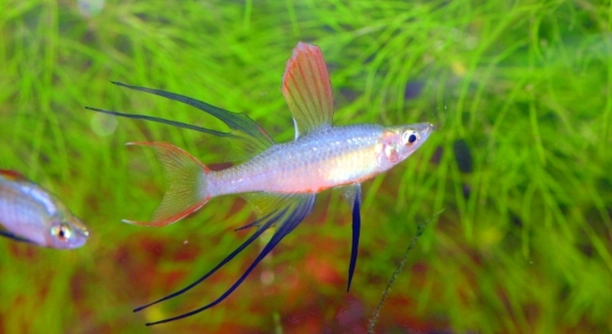
Have you ever noticed your threadfin rainbowfish acting differently, moving away from brighter spots in their tank, and spending more time in shaded areas? Their behavior may seem unusual, but it often has very simple explanations worth understanding.
Threadfin rainbowfish often avoid light due to stress, poor tank conditions, or unsuitable lighting intensity. Bright or direct lighting can create discomfort, prompting them to seek shaded areas where they feel safer and more secure.
Understanding why this happens helps you improve their environment and overall well-being, ensuring your fish stay active, comfortable, and beautifully thriving in your aquarium.
Common Reasons Threadfin Rainbowfish Avoid Light
Threadfin rainbowfish are known for their delicate appearance and active swimming patterns, but they can sometimes seem withdrawn when exposed to certain lighting. One of the most common causes is stress. Stress can come from sudden changes in the aquarium environment, such as shifts in water temperature, pH, or an overcrowded tank. Bright lighting can intensify this discomfort, making fish more likely to hide. Another factor is the placement of the aquarium itself. If the tank receives direct sunlight, fish may feel exposed and unsafe. Even artificial lights that are too intense or on for too many hours can disrupt their natural rhythms. By paying attention to these details, you can notice how light interacts with their daily behavior. Their tendency to retreat to shaded areas is not unusual and can often be resolved with small adjustments to tank conditions, lighting schedules, and placement.
If your rainbowfish avoid light, they may be signaling discomfort. Simple adjustments in their habitat often resolve this issue. Ensuring proper lighting intensity, tank placement, and maintaining stable water conditions can help your fish regain their comfort and thrive again.
A consistent lighting schedule can also make a significant difference. Threadfin rainbowfish benefit from a light cycle that mimics nature, such as twelve hours of light followed by twelve hours of darkness. This balance supports their health and keeps stress levels lower. Dimming lights gradually rather than switching them off abruptly can also reduce sudden changes that cause unease. Soft lighting or floating plants can be especially helpful in breaking up strong beams and creating natural shaded areas where fish feel safe. Along with lighting, maintaining stable water parameters is crucial. Clean water with proper filtration ensures the fish do not experience unnecessary stress that worsens light sensitivity. By combining these approaches, you create a balanced and comfortable environment that encourages natural, healthy behavior.
How to Adjust Your Tank Lighting
Lighting plays an important role in keeping threadfin rainbowfish comfortable and healthy. Making small changes can create a noticeable improvement.
Start by choosing the right type of aquarium light, preferably one designed for freshwater fish tanks with adjustable brightness. Avoid placing the aquarium where it receives direct sunlight, as this can create glare and temperature swings. A light timer can help maintain a predictable schedule, giving your rainbowfish consistent day and night cycles. Floating plants or tall decorations are another simple way to diffuse light, breaking up bright spots and offering shaded areas. Adjusting light gradually, instead of abruptly switching it on or off, also reduces stress. If your fish still seem uncomfortable, try reducing the number of hours the light stays on. Sometimes less exposure is better. By making these adjustments, you create a stable environment that keeps your rainbowfish secure, active, and able to display their natural beauty with confidence.
Other Factors That Influence Light Avoidance
Threadfin rainbowfish may also avoid light if the aquarium lacks enough hiding spaces. Without cover, they feel exposed and unsafe. Plants, driftwood, and caves help reduce this stress, giving them security while still allowing gentle light to filter through.
Diet can also influence how rainbowfish react to their environment. A poor diet may weaken their immune system, making them more sensitive to stress caused by bright lighting. Providing a balanced mix of high-quality flakes, live, or frozen foods helps them stay healthy. Strong, healthy fish are more resilient to environmental triggers, including lighting conditions. Ensuring regular feeding with proper variety helps keep their energy consistent and supports natural activity throughout the day. When rainbowfish feel nourished, they are less likely to hide away from light unnecessarily. Proper diet and tank setup go hand in hand to support their natural behavior.
Tankmates play an important role in how threadfin rainbowfish behave. Aggressive or fast-moving species may intimidate them, causing them to retreat into darker areas for safety. Choosing peaceful companions helps reduce this stress. Rainbowfish thrive when surrounded by calm tankmates, making them more likely to swim confidently in both shaded and lit areas. In a peaceful community, they display vibrant colors and maintain healthier activity levels. Careful stocking choices, along with stable water conditions and balanced lighting, can create a supportive environment that minimizes hiding behavior. When their surroundings feel safe and calm, rainbowfish adjust more easily and interact more freely with their environment.
Creating a Comfortable Environment
Threadfin rainbowfish are most comfortable in tanks that mimic their natural habitat. Gentle lighting, moderate flow, and a well-planted aquarium help them feel secure. Combining these elements creates balance, reducing stress and improving their ability to adjust to light exposure.
Aquarium layout matters just as much as lighting. Adding tall plants or floating cover breaks up harsh brightness while creating shaded areas where fish can retreat without avoiding the entire tank. Filtration should provide steady but not overwhelming water movement, as strong currents add stress that makes fish hide more often. Keeping the tank size appropriate for their group is equally important, since threadfin rainbowfish thrive in schools and need space to swim. Avoid overcrowding, as limited space intensifies stress. Stable temperature and pH also play a big role in supporting comfort. When lighting, layout, and water conditions work together, rainbowfish feel safe enough to explore their environment freely.
Signs Your Rainbowfish Are Stressed by Light
When threadfin rainbowfish are stressed by light, they often hide for long periods, reducing their usual activity. Their colors may also appear duller, showing that they are not fully comfortable in their environment.
Erratic swimming can also signal stress caused by lighting. Instead of gliding smoothly, fish may dart quickly or move nervously around the tank. This behavior suggests discomfort and can worsen if lighting remains too bright or inconsistent for extended periods.
Best Practices for Managing Light Exposure
Managing light for threadfin rainbowfish involves balance. Twelve hours of gentle light followed by twelve hours of darkness works best. Avoid leaving aquarium lights on all day, as excessive exposure disrupts their natural rhythm and leads to unnecessary stress.
When to Reevaluate Your Setup
If rainbowfish continue avoiding light despite changes, it may be time to reconsider the overall setup. Tank placement, water quality, and tankmate compatibility should all be checked carefully. Even small adjustments can create a safer and more suitable environment.
FAQ
Why do my threadfin rainbowfish stay near the bottom of the tank instead of swimming in the light?
Threadfin rainbowfish may stay near the bottom when they feel unsafe or stressed. Bright lighting can intensify this reaction, especially if the aquarium has few hiding places. They may also retreat to lower areas if water parameters are unstable. Adding plants, driftwood, or shaded spots helps reduce their discomfort. Ensure water quality is stable, as poor conditions also encourage bottom-dwelling behavior. By improving the environment and adjusting light intensity, rainbowfish feel secure enough to move freely throughout the tank instead of staying low.
Can too much light harm threadfin rainbowfish?
Yes, excessive light exposure can cause stress in threadfin rainbowfish. These fish are naturally found in habitats where lighting is diffused by plants and shaded areas. In an aquarium, overly bright or prolonged lighting disrupts their rhythm and may affect their activity. Too much light can also encourage algae growth, which worsens water quality and creates additional stress. Limiting light to twelve hours a day and using soft or adjustable lighting helps prevent discomfort. Including floating plants or decorations that create shaded areas ensures rainbowfish can choose where they feel most comfortable.
How can I tell if my aquarium light is too strong?
If your rainbowfish consistently hide, show duller colors, or display erratic swimming, the light intensity may be too high. Strong lighting can also make the aquarium look harsh rather than balanced. If you notice algae spreading quickly, it may be another sign of excess brightness. Switching to an adjustable aquarium light allows you to test different settings and observe behavior changes. If fish become more active and display brighter colors under softer conditions, the previous light level was likely too strong. Observation is the best guide for finding the right balance.
Do threadfin rainbowfish need total darkness at night?
Yes, threadfin rainbowfish benefit from a natural day-night cycle, which includes complete darkness. Just like humans, they require a resting phase to restore energy and reduce stress. Keeping lights on overnight disrupts their rhythm, leading to restlessness or reduced activity. If you need light in the room at night, use dim, indirect sources away from the tank. Aquarium night lights or blue LEDs should be used sparingly, as they can still interfere with natural behavior. A dark period of around twelve hours supports their overall health and balance.
What role do plants play in helping rainbowfish adjust to lighting?
Plants play an important role by breaking up bright light and creating natural shaded areas in the tank. Floating plants are especially useful, as they diffuse overhead light and make fish feel safer. Submerged plants provide cover while still allowing open swimming space. This balance helps threadfin rainbowfish explore the tank more confidently, instead of avoiding well-lit areas. In addition, plants improve water quality by absorbing excess nutrients, which reduces algae growth caused by lighting. A planted tank not only mimics their natural habitat but also promotes long-term comfort and health.
Could tankmates influence how my rainbowfish react to light?
Yes, tankmates can have a strong influence on light-related behavior. If rainbowfish are kept with aggressive or overly active species, they may associate light with exposure and danger. This causes them to retreat into darker areas where they feel safer. Peaceful tankmates reduce this stress, allowing rainbowfish to swim comfortably in both shaded and lit spaces. Ideal companions include small, non-aggressive species such as rasboras or peaceful tetras. Avoid keeping them with fin-nipping fish, as this creates ongoing stress. A calm community makes lighting conditions feel less threatening for threadfin rainbowfish.
How long does it take for rainbowfish to adjust to new lighting?
Adjustment time varies, but most rainbowfish need several days to a week to settle under new lighting conditions. If changes are too sudden, such as moving from dim light to strong brightness, stress levels rise quickly. Gradual adjustments are much better, as they allow fish to adapt without shock. Using a dimmer or slowly increasing brightness over a few days encourages smoother transitions. During this period, observe their behavior closely. If they begin swimming more openly and show stronger colors, it indicates they are adjusting well. Patience is essential when modifying lighting.
Should I use a timer for my aquarium lights?
Yes, using a timer is one of the simplest ways to maintain consistency in lighting. Threadfin rainbowfish thrive under a regular day-night cycle, and timers prevent accidental overexposure or irregular schedules. A reliable timer ensures lights turn on and off at the same time daily, removing guesswork. This reduces stress and mimics natural conditions. Without a timer, it’s easy to leave lights on too long, causing restlessness or algae growth. For best results, set your timer to provide twelve hours of light followed by twelve hours of darkness every day.
What should I do if my rainbowfish still avoid light after adjustments?
If rainbowfish continue to avoid light even after adjusting intensity, schedule, and tank setup, the issue may be linked to overall tank conditions. Poor water quality, unsuitable tankmates, or overcrowding can amplify their discomfort. Start by testing water parameters and ensuring they are stable. Check filtration, temperature, and pH for consistency. Evaluate whether tankmates may be stressing them or if hiding spots are too limited. If all conditions are balanced and the problem persists, observe their health closely for signs of illness. Sometimes, light avoidance can be an early indicator of underlying issues requiring attention.
Final Thoughts
Caring for threadfin rainbowfish requires a thoughtful approach, especially when it comes to their sensitivity to light. These fish are naturally drawn to environments where light is softened by plants and shaded areas, which means direct or harsh lighting often feels unnatural and overwhelming to them. When rainbowfish consistently avoid bright spaces in the tank, it is usually a sign that something in their environment is not quite right. Whether it is the strength of the aquarium light, the lack of shaded areas, or stress from water conditions, each of these elements plays an important role in shaping their daily comfort. Understanding these factors helps you not only correct the immediate issue but also improve the overall balance of the aquarium. When the environment reflects their natural needs, rainbowfish are more likely to swim freely, display their full colors, and thrive with confidence.
Light management should always go hand in hand with other aspects of aquarium care. A stable routine, balanced diet, clean water, and peaceful tankmates are just as important as adjusting brightness or setting timers. Threadfin rainbowfish respond best when all these details work together, creating a setting that feels safe and predictable. Something as simple as adding floating plants or dimming the lights slowly instead of switching them off suddenly can reduce stress and encourage natural activity. Paying attention to these small adjustments not only supports their physical health but also brings out their most vibrant behavior. In this way, your aquarium becomes more than just a display—it transforms into a balanced ecosystem where fish feel at ease. The key is consistency, as fish quickly sense changes in their surroundings, whether good or bad.
In the end, noticing when your rainbowfish avoid light is not just about fixing a single problem—it is about seeing the aquarium from their perspective. These fish have delicate needs, and responding to them with patience and care makes a lasting difference. By creating an environment that mirrors their natural habitat, you are helping them live healthier, longer, and more active lives. It is rewarding to watch their colors glow brighter, their movements become more confident, and their overall behavior reflect comfort. While adjustments to lighting may seem small, they can greatly influence the well-being of your fish. With steady attention, your threadfin rainbowfish will continue to bring beauty and liveliness to your aquarium, serving as a reminder of how important thoughtful care is in keeping them happy and thriving.

Hello,
If you enjoy the content that we create, please consider saying a "Thank You!" by leaving a tip.
Every little bit helps us continue crafting quality advice that supports the health, happiness, and well-being of pets around the world, for pets of all shapes, sizes, and species.
We really appreciate the kindness and support that you show us!