
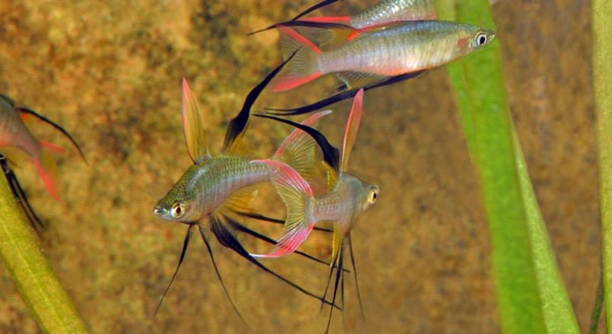
Have you ever noticed your threadfin rainbowfish get injured and felt unsure about the right steps to help it recover safely?
The best way to care for an injured threadfin rainbowfish is by immediately isolating it in a clean, separate tank. This reduces stress, prevents further injury, and protects it from possible infections while allowing close monitoring of its condition.
Learning proper care methods will not only support healing but also help you maintain a healthier, stress-free environment for your rainbowfish.
Identifying the Cause of Injury
When a threadfin rainbowfish becomes injured, it’s important to understand what may have led to the problem. Injuries can often happen during conflicts with other fish, rough handling, or even sharp decorations in the tank. Observing closely will help you determine whether the damage came from environmental factors or tankmates. This is essential since repeated injuries can signal a larger issue that needs to be addressed. You should carefully check the tank for objects with sharp edges, monitor interactions between fish, and consider whether stress might be contributing. By spotting these causes early, you can make adjustments to prevent the situation from worsening and protect your rainbowfish from experiencing further harm. Keeping a calm, safe environment will go a long way in helping your fish heal successfully while avoiding unnecessary stress for both you and your pet.
Smaller cuts or scrapes are often less concerning, but deeper injuries should be watched closely as they carry higher risks of infection.
It’s useful to note that rainbowfish are sensitive, so their injuries can sometimes look more serious than they truly are. If you see torn fins, mild discoloration, or small scrapes, these often heal naturally with proper tank care. However, swelling, bleeding, or unusual swimming patterns should never be ignored. Injuries linked to aggression might require separating the fish responsible, while environmental injuries will need tank adjustments, such as replacing sharp decorations or rearranging objects. By narrowing down the root cause, you’ll be able to take action quickly and minimize the chances of repeat injuries. This step is about observation, correction, and ensuring your rainbowfish can return to swimming peacefully in its environment.
Providing the Right Treatment
Start by placing your injured rainbowfish in a separate, clean tank to reduce stress and avoid further damage while it heals.
Once isolated, focus on maintaining excellent water quality since clean water is the strongest defense against infection. Performing regular water changes and testing parameters daily will create a stable recovery space. Consider adding aquarium salt, as it may aid healing for minor wounds, but always use it in the correct dosage. Keep the hospital tank bare, avoiding gravel or decorations, so your fish doesn’t risk more injuries. Observe the rainbowfish carefully—look for improvements or signs of infection such as redness, swelling, or fungus. If symptoms worsen, you may need to use a fish-safe antibacterial treatment. Feeding plays a big role too; offer nutrient-rich, high-quality food in small amounts to boost immunity. The recovery process takes patience, but with careful attention, your rainbowfish has a strong chance of returning to health.
Preventing Future Injuries
Keeping the tank environment safe is the most effective way to prevent injuries in threadfin rainbowfish. Avoid sharp decorations, overcrowding, and aggressive tankmates. A calm, stable setup will reduce stress and lower the risk of accidents or repeated harm.
Regularly inspecting the tank setup helps you identify hidden dangers, like jagged rocks or plastic edges that can tear fins. Proper filtration and water flow are equally important since strong currents can stress rainbowfish and lead to accidental injuries. Pay close attention to tankmate compatibility, as not all species mix well with threadfin rainbowfish. Reducing competition for food also helps prevent fights that cause harm. A stable, low-stress environment improves overall health, which strengthens healing and resilience against future problems. With steady care and observation, you create a safe, balanced aquarium where injuries are far less likely to occur.
Consistent monitoring makes it easier to spot potential risks early. Even small adjustments, like rearranging decorations or adding plants for cover, can prevent conflicts and give rainbowfish space to swim freely. Stress management is just as vital—keep the tank quiet, maintain steady lighting, and avoid sudden changes that can startle your fish. Offering high-quality food also promotes health, making them less vulnerable to injuries. Overcrowding is a common cause of stress and aggression, so maintaining proper stocking levels is crucial. When the aquarium is thoughtfully managed, your rainbowfish can live in a calm environment with fewer risks, allowing them to thrive without repeated injuries.
Monitoring Recovery Progress
Observing your rainbowfish daily helps you notice improvements or signs of complications. Look for smooth swimming, normal appetite, and gradual healing of fins or scales as signs that recovery is moving in the right direction.
If you notice stalled healing, cloudy patches, or fungus forming, it’s important to act quickly. Keeping water conditions ideal should always be the priority, as poor quality slows healing and worsens infections. Regularly test water parameters and maintain cleanliness in the recovery tank. Feeding high-quality, protein-rich foods supports healing, while avoiding overfeeding helps prevent waste buildup. If issues persist despite good care, consider a fish-safe medication recommended for wounds and infections. Staying consistent with your observations ensures that you can intervene early if needed, giving your rainbowfish the best chance at a smooth recovery. Proper attention now leads to long-term health benefits later.
Maintaining Water Quality During Healing
Clean water is the foundation of recovery for an injured rainbowfish. Perform partial water changes every few days, monitor ammonia and nitrate levels closely, and avoid sudden shifts in temperature or pH that could stress your fish.
Adding gentle aeration improves oxygen levels, which supports healing and boosts immunity. Consistency is key—stable conditions help wounds close faster and reduce the chances of infection. Good water management not only aids in recovery but also strengthens your rainbowfish against future stressors.
Nutrition for Faster Healing
Feeding plays a direct role in how quickly your rainbowfish heals. Offer a balanced diet that includes high-quality flakes, small live or frozen foods, and nutrient-rich options like bloodworms or daphnia. Strong nutrition supports tissue repair and improves energy, giving your fish the resources needed to recover effectively. Avoid overfeeding, as uneaten food can lower water quality and complicate healing. Instead, feed in small amounts two to three times a day, ensuring everything is eaten within minutes. A steady diet of nutritious foods will help restore strength while reducing stress throughout the healing process.
When to Seek Expert Help
If you notice persistent infection, severe wounds, or no signs of improvement after consistent care, it’s best to consult a specialist. A veterinarian experienced with fish can recommend advanced treatments, ensuring your rainbowfish gets the best chance at recovery.
FAQ
How long does it take for an injured threadfin rainbowfish to heal?
Healing time depends on the severity of the injury and the overall health of your fish. Minor fin tears or scrapes can begin to improve within a week when water quality is stable and stress is reduced. More serious injuries may take several weeks, especially if the fish has experienced infection or aggression in the tank. Consistency in care—like clean water, a proper diet, and a calm environment—makes a noticeable difference in recovery speed. Patience is important, as rushing the process can lead to setbacks.
Can I leave an injured threadfin rainbowfish in the main tank?
It is not recommended to leave an injured rainbowfish in the main tank, especially if the injury was caused by aggression or sharp objects. Remaining in the same environment increases the risk of further harm and slows recovery. Other fish may pick at open wounds, which raises infection risks. Isolation in a hospital tank allows for focused care and closer observation. Once the fish has fully healed and shows no signs of distress, it can be gradually reintroduced to the main tank. Always ensure any environmental risks are corrected before moving it back.
What are signs that the injury is becoming infected?
Infection can develop quickly, so it’s important to monitor your rainbowfish closely. Warning signs include redness around the wound, swelling, white or cotton-like growths, and cloudy or frayed fins. Behavioral changes, such as lethargy, loss of appetite, or hiding, may also signal infection. If you notice any of these symptoms, act quickly by improving water quality and considering safe treatments such as aquarium salt or antibacterial remedies. Ignoring infection signs can result in severe complications and even loss of the fish. Early action greatly increases the chances of full recovery.
Should I use aquarium salt for treating injuries?
Aquarium salt can be helpful in treating minor injuries by reducing stress and lowering the chances of infection. It works best when added to a separate hospital tank, as some fish and plants in the main tank may be sensitive to salt. Always follow proper dosing instructions, as too much salt can cause harm. Aquarium salt should be viewed as a supportive measure, not a complete solution. For serious wounds or infections, it’s often necessary to combine salt treatment with other steps such as clean water and antibacterial products.
What foods help rainbowfish heal faster?
A balanced and nutrient-rich diet is essential for recovery. High-quality flakes or pellets form a good base, but supplementing with protein-rich foods like bloodworms, brine shrimp, or daphnia can speed up tissue repair. Vegetables such as blanched spinach or peas also provide important vitamins. Feeding small, frequent meals ensures your rainbowfish gets consistent nutrition without overloading the tank with waste. Strong nutrition not only supports healing but also boosts immunity, helping your fish stay healthy after recovery. Avoid feeding only one type of food, as variety ensures better results.
When should I use medication instead of natural methods?
Medication is necessary when injuries show no improvement despite proper care or when infections progress beyond mild symptoms. Fungal and bacterial infections often require fish-safe treatments available at pet stores or prescribed by specialists. It’s important to carefully follow dosage instructions, as overdosing can harm your rainbowfish. Natural methods such as clean water and salt baths should be tried first for mild issues, but severe wounds, swelling, or spreading fungus require stronger action. Medication should always be the last step after other supportive care has been provided.
How can I safely reintroduce my rainbowfish after healing?
Reintroduction should be slow and controlled. Start by ensuring the main tank is safe, with no sharp decorations or aggressive tankmates that may cause harm again. Acclimate your fish gradually to the water conditions of the main tank. Observe closely for signs of stress or aggression from other fish once it’s reintroduced. Adding plants or hiding spaces can help reduce tension and provide your rainbowfish with places to retreat if necessary. A careful reintroduction process ensures the transition is smooth and reduces the risk of repeated injuries.
What should I do if aggression caused the injury?
If tankmate aggression is the cause, the first step is to identify and separate the aggressor. Overcrowding, mismatched species, or competition for resources often lead to conflict. Adjusting stocking levels, rearranging tank décor, and ensuring food is evenly distributed can reduce aggressive behavior. In some cases, it may be necessary to permanently separate aggressive fish. Threadfin rainbowfish generally do well in peaceful community setups, so choosing compatible tankmates is essential. Preventing aggression not only avoids injuries but also promotes a calm, stress-free aquarium where all fish can thrive.
Is stress a major factor in healing?
Yes, stress significantly slows the healing process for threadfin rainbowfish. Stress weakens the immune system, making your fish more vulnerable to infections and prolonging recovery. Common stress factors include poor water quality, overcrowding, strong currents, and sudden changes in the tank environment. To minimize stress, maintain stable water parameters, keep the tank quiet, and handle your fish as little as possible. Providing hiding spaces also helps your rainbowfish feel secure. Reducing stress is one of the simplest yet most effective ways to promote quicker and smoother healing after an injury.
Final Thoughts
Caring for an injured threadfin rainbowfish takes patience, consistency, and a careful approach to their environment. These delicate fish are highly sensitive, which means that even a small injury can become more serious if ignored. By isolating the fish in a separate, clean tank, you provide it with the chance to recover without stress from tankmates or unsafe surroundings. Water quality, nutrition, and observation are the most important areas to focus on during this time. Taking these steps ensures your fish not only heals but also regains its strength in a way that prevents long-term complications. While the process can feel time-consuming, it is a valuable part of being a responsible fish keeper. Seeing your rainbowfish return to health is rewarding and worth the care you put in.
Preventing future injuries is just as important as treating the current one. Threadfin rainbowfish thrive in stable environments with compatible tankmates, soft decorations, and proper water conditions. Stress often contributes to weakened health, which makes injuries and infections more difficult to manage. By reducing stressors like overcrowding or strong water currents, you can create an environment where your rainbowfish feels safe and secure. Nutrition also plays a key role beyond healing; a varied diet filled with protein-rich foods and vegetables helps build strong immunity. Simple adjustments in how you manage the tank will not only improve recovery outcomes but also lower the risk of repeated issues. Being observant and proactive allows you to notice small problems before they turn into larger ones.
Monitoring recovery and knowing when to seek help can make a significant difference. Not all injuries will heal the same way, and some may require medical treatment if natural methods do not work. Early signs of infection, unusual swimming behavior, or lack of appetite should always be taken seriously. Consulting an aquatic specialist ensures you have the right guidance when conditions become more complex. Ultimately, caring for an injured rainbowfish is about balancing observation with action, offering a supportive environment, and making thoughtful choices. By combining proper tank management, good nutrition, and timely interventions, you create the best conditions for recovery. These steps not only help your rainbowfish heal but also contribute to a healthier aquarium overall. Taking the time to provide care shows your commitment and ensures that your rainbowfish can continue to bring color and beauty to your tank for years to come.

Hello,
If you enjoy the content that we create, please consider saying a "Thank You!" by leaving a tip.
Every little bit helps us continue crafting quality advice that supports the health, happiness, and well-being of pets around the world, for pets of all shapes, sizes, and species.
We really appreciate the kindness and support that you show us!