
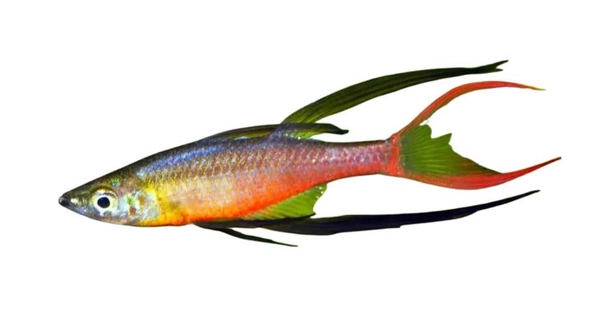
Have you ever added a new fish to your aquarium only to notice that your threadfin rainbowfish barely acknowledge the newcomer’s presence? Their calm, almost dismissive behavior often leaves fish keepers wondering about the reasons behind it.
Threadfin rainbowfish often ignore new tankmates due to their naturally peaceful temperament and preference for social interactions within their own species. This behavior reduces stress and conflict, allowing them to maintain stability in their aquatic environment.
Understanding these natural tendencies can help you provide a more balanced aquarium, ensuring your threadfin rainbowfish remain comfortable while supporting harmony among all your aquatic pets.
Natural Behavior of Threadfin Rainbowfish
Threadfin rainbowfish are gentle creatures that thrive in groups of their own kind. Their calm nature often means they will not display much interest in fish outside their school. They are schooling fish, which means they feel secure and social when surrounded by others of the same species. When a new tankmate is introduced, their first instinct is not to interact but to continue with their regular activities. This behavior is not a sign of aggression or dislike; instead, it reflects their peaceful temperament. By focusing on their own group, threadfin rainbowfish reduce stress and maintain harmony in the aquarium.
When placed with fish that are calm and non-aggressive, they remain stress-free and healthy. Their quiet response to new additions keeps the tank balanced and stable.
Observing this behavior can remind us that not all fish form immediate bonds with different species, and that is perfectly normal.
Tank Environment and Social Structure
A comfortable tank environment is key to how threadfin rainbowfish react to other fish.
Providing plenty of plants, open swimming space, and hiding areas helps them feel secure. Threadfin rainbowfish also need to live in groups of at least six to show their best behavior. When they have their own school, they gain confidence and are less likely to be stressed by new arrivals. If kept alone or in very small numbers, they may become shy, withdrawn, or overly cautious.
Tank conditions also play a role. Stable water parameters, soft lighting, and a well-maintained habitat allow them to remain calm and ignore minor changes. If the environment feels unsafe, they may respond by hiding more or becoming skittish. By creating a balanced space that mimics their natural habitat, you reduce the chance of stress and help them maintain their peaceful behavior. A stable social group and proper tank setup are the best ways to encourage their natural interactions.
Compatibility With Other Fish
Threadfin rainbowfish do best with peaceful tankmates. They prefer species that do not chase, nip, or display dominance. Small, calm fish make better companions, while aggressive or overly active species may stress them and disrupt their natural behavior.
Choosing suitable companions helps reduce tension in the tank. Fish like rasboras, peaceful tetras, or small corydoras are often a good match. These species move calmly and give the threadfin rainbowfish space to maintain their group interactions. Avoid housing them with larger or aggressive fish that could cause fear, stress, or competition for food. Compatibility is about balance.
When properly matched, the tank feels calm and natural. Threadfin rainbowfish will stay more active, display brighter colors, and appear healthier. A stable mix of compatible species ensures harmony, while minimizing stress, which is especially important in maintaining long-term health for these sensitive and gentle fish.
Feeding Habits and Impact
Diet plays a role in how threadfin rainbowfish behave around other species. They prefer small, frequent feedings of fine foods, such as crushed flakes, micro-pellets, or live foods like brine shrimp. Uneven feeding can create stress or cause unwanted competition in the tank.
Providing balanced feeding prevents conflict and supports overall health. Offering food that drifts slowly allows threadfin rainbowfish to eat comfortably without rushing. If they are kept with faster or aggressive eaters, they may be left behind. Creating feeding zones or using sinking options helps distribute food evenly. By making mealtimes calm and structured, you reduce unnecessary stress while ensuring every fish gets what it needs. A consistent routine also keeps threadfin rainbowfish confident and relaxed, helping them ignore other tankmates and focus on their own school.
Stress and Adjustment
New tankmates can cause small changes, but threadfin rainbowfish usually adjust by staying close to their school. Their peaceful nature allows them to remain calm, as long as the environment stays balanced and free from aggressive species.
If stress occurs, it often shows through hiding, dull coloration, or reduced activity. These signs suggest the tank setup or companions may not be suitable. Watching for such behaviors helps you correct issues early and restore calm to the aquarium.
Breeding Behavior Influence
Breeding behavior affects how threadfin rainbowfish interact with others. During breeding, males display more vibrant colors and focus on courting females of their own species. They become more engaged with their group, which further explains why they often ignore unrelated tankmates. Providing a calm and planted environment supports this natural process.
Long-Term Care
Long-term care involves consistent maintenance, stable water conditions, and careful selection of companions. A peaceful, well-structured environment helps threadfin rainbowfish remain stress-free, while ensuring they continue to thrive within their school and coexist calmly with other gentle fish.
FAQ
Why do threadfin rainbowfish ignore other fish in the tank?
Threadfin rainbowfish ignore other fish because of their peaceful and school-oriented nature. They focus their energy on interacting with their own kind rather than engaging with unrelated species. This behavior reduces stress, prevents unnecessary conflicts, and allows them to feel secure. Ignoring other tankmates is a natural trait and does not signal any problem with their health or environment.
Do threadfin rainbowfish ever become aggressive toward new fish?
These fish are not known for aggression. They may show slight shyness or avoidance when new tankmates are added, but they rarely attack or chase. Instead, they tend to retreat into their group until they feel safe. Aggressive behavior is unusual and usually caused by environmental stress or unsuitable companions.
Can keeping them in smaller groups cause different behavior?
Yes, threadfin rainbowfish need to be kept in groups of at least six. Smaller groups can make them nervous, withdrawn, or more reactive to tankmates. A larger school offers comfort, builds confidence, and encourages natural swimming patterns. When kept alone or in pairs, they may appear unhealthy or stressed.
What kind of fish should not be housed with threadfin rainbowfish?
They should not be kept with large or aggressive species, such as cichlids or fin-nipping fish. These types can intimidate or harm threadfin rainbowfish. Avoid companions that eat aggressively or move too quickly, as this disrupts their calm environment. Compatible tankmates should be small, peaceful, and gentle.
Do threadfin rainbowfish interact with bottom dwellers like corydoras?
Yes, they generally coexist well with bottom dwellers. Since corydoras focus on the substrate and threadfin rainbowfish remain near the mid to top levels, they rarely compete for space. This separation of zones allows both species to thrive without disturbing one another.
Will adding plants help them feel safer with new tankmates?
Absolutely. Plants provide shelter, hiding spots, and natural barriers that make them feel more comfortable. A planted environment helps reduce stress and supports their natural schooling behavior. Plants also create visual breaks in the tank, which can calm interactions between species.
Do feeding habits change when new fish are introduced?
Feeding habits may shift slightly if faster eaters are present. Threadfin rainbowfish can be outcompeted for food in mixed tanks. Offering small, frequent feedings or using slow-sinking foods ensures they get proper nutrition without being pressured by aggressive eaters.
Can breeding behavior make them less social with other species?
Yes, during breeding, males focus entirely on displaying colors and courting females within their own group. This behavior strengthens their bond with each other while further distancing them from unrelated fish. Tankmates often become irrelevant to them during this period.
How can I reduce stress when introducing new fish to their tank?
Introduce new tankmates gradually, and choose species that are calm. Rearranging decorations or adding plants before new arrivals can help. This reduces territorial feelings and spreads attention, making the environment feel fresh for all fish. A slow introduction lowers stress levels.
Why do threadfin rainbowfish sometimes hide after new tankmates are added?
Hiding is a natural reaction to change. It does not always mean something is wrong. Once they feel secure and recognize the newcomers are non-threatening, they usually return to their normal schooling behavior. Consistency in care helps them adapt quicker.
Are they more active when housed only with their own species?
Yes, they are most lively and vibrant when surrounded by a proper school of their own kind. While they tolerate other species, their brightest colors and most natural behaviors appear when they are with their group. This environment supports long-term health and well-being.
Do threadfin rainbowfish benefit from tank mates at all?
They do not necessarily need other species to thrive, but peaceful companions can create a more dynamic aquarium. As long as tankmates do not disrupt their schooling, the combination can add variety to the tank without affecting their natural behavior.
Can water conditions affect how they respond to new fish?
Yes, unstable water conditions heighten stress and make them less tolerant of changes, including new companions. Maintaining clean, stable parameters allows them to remain calm and ignore disruptions. Poor water quality often exaggerates negative behaviors, such as hiding or reduced activity.
Will they ever school with other rainbowfish species?
Threadfin rainbowfish prefer their own kind. While they may loosely swim near other rainbowfish species, true schooling behavior only occurs within their group. Keeping them with their own species ensures they feel secure and display their most natural movements.
Do they recognize individual fish in their school?
While it is hard to prove, their strong attachment to their group suggests they recognize familiar individuals. They tend to stick together and show less interest in newcomers. This recognition is part of their schooling instinct and sense of safety.
Final Thoughts
Threadfin rainbowfish are gentle and unique aquarium fish that thrive best when kept in stable, well-balanced environments. Their tendency to ignore new tankmates is not unusual but simply part of their calm and social nature. These fish prefer to direct their energy toward their own kind, finding comfort and security in the presence of their school. For many fish keepers, this behavior can seem strange at first, especially when expecting active interactions with new additions. However, their quiet approach is what allows them to remain stress-free and healthy in community tanks. Recognizing that their behavior is natural helps avoid unnecessary concerns while ensuring that you provide them with the right conditions to thrive.
When caring for threadfin rainbowfish, it becomes clear that their environment and social structure play a huge role in shaping their behavior. A properly planted tank with enough swimming space creates a secure and stable setting. Adding peaceful companions allows for balance, while avoiding aggressive species prevents stress and conflict. Feeding routines should also be tailored to meet their needs, ensuring they are not outcompeted by faster eaters. By focusing on these details, fish keepers can maintain an aquarium where threadfin rainbowfish remain confident and vibrant. Their calm presence adds a sense of peace to the tank, making them a rewarding species for those who appreciate subtle beauty and harmony rather than constant activity or flashy behavior.
Understanding threadfin rainbowfish also means respecting their limits. They are not the type to form quick bonds with unrelated species, and that is perfectly fine. Their quiet, almost reserved nature is a reminder that not all fish interact in obvious or dramatic ways. Some find their comfort in the familiar, within their school, and that is what keeps them strong. By appreciating this, you can provide care that matches their natural tendencies, rather than expecting them to act differently. Over time, you begin to see the beauty in their subtle patterns, graceful swimming, and gentle interactions. In the end, threadfin rainbowfish teach us that balance, patience, and respect for natural behavior are the keys to maintaining a healthy aquarium, where every species—whether social or quiet—can thrive in its own way.

Hello,
If you enjoy the content that we create, please consider saying a "Thank You!" by leaving a tip.
Every little bit helps us continue crafting quality advice that supports the health, happiness, and well-being of pets around the world, for pets of all shapes, sizes, and species.
We really appreciate the kindness and support that you show us!