
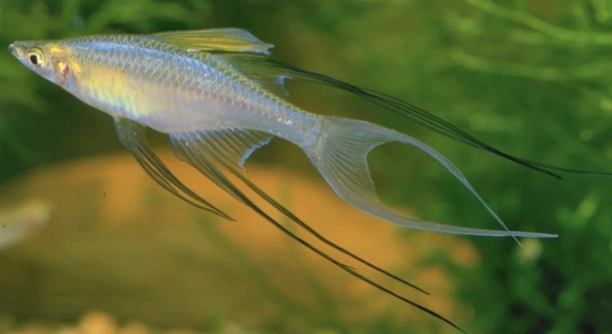
Have you ever watched the shimmering colors of a Threadfin Rainbowfish and wondered if their graceful movements reveal more than simple beauty? These delicate fish display fascinating behaviors that spark curiosity about their intelligence and social interactions.
Threadfin Rainbowfish are considered intelligent for their size, showing strong social behavior, schooling instincts, and responsiveness to their environment. Their interactions reflect awareness and adaptability, qualities that suggest cognitive ability beyond simple instinct-driven behavior.
Learning about their habits can reveal how these fish communicate, adapt, and thrive, giving a better understanding of their unique behavioral patterns.
Social Behavior of Threadfin Rainbowfish
Threadfin Rainbowfish are peaceful and highly social creatures that prefer living in groups. They display shoaling behavior, which helps them feel secure and reduces stress in captivity. Their interactions within the group are often synchronized, creating a graceful and coordinated swimming pattern. This behavior is not just for appearance; it reflects their instinct to survive by confusing predators and maintaining balance in their environment. In aquariums, these fish often thrive when kept in groups of six or more, showing brighter colors and more active movement. Their ability to recognize companions and coordinate swimming patterns demonstrates a level of intelligence that supports their reputation as attentive and interactive fish. Observing their social habits can provide deeper insight into how these fish communicate and respond to their surroundings. It also shows why keeping them in groups is vital for their health and happiness.
Keeping Threadfin Rainbowfish in groups encourages natural behaviors and prevents isolation. Their need for interaction highlights their intelligence and sensitivity to their environment, making them highly rewarding fish to observe in an aquarium.
Their synchronized swimming not only creates beauty in the water but also shows how social instincts influence behavior and survival.
Environmental Awareness and Responsiveness
Threadfin Rainbowfish respond actively to changes in their environment, displaying a noticeable awareness of movement, light, and feeding routines. Their sensitivity allows them to adapt quickly, showing they rely on both instinct and learned behaviors.
These fish are known for their ability to adapt to small shifts in water quality, temperature, and lighting. When conditions change, they respond with altered swimming patterns or changes in their feeding behavior. This responsiveness shows they are not only reacting instinctively but are capable of recognizing patterns and forming associations. For example, they often learn feeding times, swimming toward the surface when they see their caretaker approach. Their awareness of their surroundings makes them interactive and engaging aquarium fish. Observers often notice how Threadfin Rainbowfish explore new objects or plants placed in their tanks, showing curiosity and careful investigation. This curiosity is linked to survival, as it helps them identify safe spaces and potential food sources. Their ability to respond and adapt in such ways reflects intelligence suited for their delicate yet active lifestyle.
Feeding Behavior and Learning Ability
Threadfin Rainbowfish are quick learners when it comes to feeding. They recognize patterns and often anticipate food at specific times, gathering near the surface as soon as they notice familiar movement or signs of feeding preparation.
Their feeding habits show a mix of instinct and learned behavior. While they naturally prefer small live foods like insects or tiny crustaceans, they adapt well to flakes and pellets in captivity. Over time, they recognize feeding routines and associate certain actions with food availability. This ability to form associations demonstrates awareness and learning capacity, traits often linked to intelligence in fish.
Another interesting aspect of their feeding behavior is how they explore their surroundings to locate food. They move carefully around plants and decorations, checking for hidden particles. This searching behavior is a sign of adaptability, as they quickly understand their environment and adjust their feeding methods to ensure they get enough nourishment.
Communication and Interaction
Threadfin Rainbowfish use body language to communicate, particularly through fin movements and swimming patterns. Subtle changes, such as spreading fins or altering swimming direction, send signals to other members of their group about safety, territory, or feeding opportunities.
Communication among Threadfin Rainbowfish is closely tied to their shoaling behavior. They rely on coordinated swimming not just for safety, but also as a way to share information. When one fish reacts to a disturbance, the others respond almost instantly, creating a ripple of awareness throughout the group. This sensitivity to one another shows a complex form of interaction that helps them thrive. Their signals are not vocal but are highly effective in guiding group behavior, keeping them safe, and supporting harmony within their environment. Observing these patterns reveals that their communication is more than instinct—it reflects awareness and social intelligence.
Breeding Behavior
Threadfin Rainbowfish display unique intelligence during breeding, with males performing delicate fin displays to attract females. Their movements are carefully timed and coordinated, showing both communication skills and an awareness of their surroundings.
Females respond selectively to these displays, choosing males that demonstrate strength and precision. This decision-making reflects instinct combined with subtle judgment, highlighting a thoughtful aspect of their behavior during reproduction.
Adaptation in Captivity
In aquariums, Threadfin Rainbowfish adapt well when conditions are stable. They quickly learn safe areas, feeding routines, and recognize their caretaker’s presence. This adaptability shows that they are responsive learners, capable of adjusting their behavior for survival and comfort in a controlled space.
Stress Responses
Threadfin Rainbowfish react strongly to stress, often becoming pale or less active. These changes indicate awareness of their environment, showing that their behavior is closely linked to maintaining comfort, safety, and overall health within their surroundings.
FAQ
Are Threadfin Rainbowfish intelligent compared to other fish?
Threadfin Rainbowfish display intelligence through social behavior, environmental awareness, and adaptability. While they may not reach the learning abilities of larger or more complex fish, their awareness of patterns, group coordination, and feeding recognition show they are sharper than many small community fish.
Do Threadfin Rainbowfish recognize their owners?
These fish can learn to associate their caretaker’s presence with feeding. Over time, they gather at the surface when they see movement near the aquarium. While this is linked to food, it does reflect recognition and memory.
How do Threadfin Rainbowfish communicate?
They communicate using body language, fin displays, and coordinated swimming. Small signals like fin spreading or changes in speed are quickly noticed by other group members, allowing them to respond together to food, disturbances, or potential threats in their surroundings.
Do Threadfin Rainbowfish have problem-solving skills?
Threadfin Rainbowfish show problem-solving through adaptation. For example, they explore hiding spots and decorations to locate food or navigate changes in their environment. While not highly advanced, these behaviors reflect practical intelligence in everyday survival and interaction.
Why do Threadfin Rainbowfish swim in groups?
Swimming in groups provides safety and reduces stress. Shoaling helps them confuse predators, share information, and maintain balance. This behavior also enhances their color display, allowing them to feel secure while showing natural intelligence through coordination and awareness.
Do Threadfin Rainbowfish get bored in captivity?
Yes, they can become less active if their environment lacks stimulation. Adding plants, hiding spots, and varied food encourages exploration. Their curiosity and interaction with changes in their tank show they benefit from mental and physical engagement.
Are Threadfin Rainbowfish sensitive to stress?
They are highly sensitive, with stress often showing through paler colors, hiding, or reduced activity. This response indicates awareness of environmental changes. Stable conditions, proper shoaling groups, and minimal disturbances are necessary for maintaining their comfort and health.
Do Threadfin Rainbowfish show learning behavior with food?
Yes, they quickly learn feeding routines and can recognize signals that food is coming. They adapt well to different food types and actively search their surroundings for hidden particles, showing awareness, adaptability, and learned responses beyond instinct.
How do Threadfin Rainbowfish behave during breeding?
Males perform fin displays to attract females, showing precision and strength. Females selectively respond, choosing partners that show vitality. This behavior reflects communication, social intelligence, and selective decision-making during reproduction, highlighting complexity in their natural instincts.
Are Threadfin Rainbowfish interactive with their environment?
They are highly interactive, often exploring plants, rocks, and new objects placed in their tank. This curiosity reflects their awareness and adaptability. Observing them shows how they adjust to changes, which is a sign of learning and intelligence.
Can Threadfin Rainbowfish adapt to new tank mates?
They are peaceful and adapt well when introduced to non-aggressive fish. Their shoaling instincts keep them secure, and they often coordinate smoothly with others. Providing adequate space and a calm environment supports their ability to adapt to new companions.
Why do Threadfin Rainbowfish change color?
Color changes often signal mood, health, or stress. Brighter colors appear during healthy conditions and breeding displays, while paler shades indicate discomfort or poor water quality. These changes show responsiveness and awareness of their internal and external conditions.
Do Threadfin Rainbowfish require mental stimulation?
Yes, stimulation improves their well-being. Enriched environments with live plants, varied food, and open swimming areas help keep them active and curious. Their reactions to new elements demonstrate their need for engagement and their capacity for learned behavior.
How do Threadfin Rainbowfish respond to threats?
They respond by schooling tightly and altering their swimming speed. This immediate and synchronized reaction shows group awareness and coordination, essential survival strategies that reflect their natural intelligence and ability to sense potential danger quickly.
Are Threadfin Rainbowfish capable of memory?
They display short-term memory, particularly when associating people or actions with feeding. Their consistent anticipation of food at the same times suggests they can remember patterns and adjust their behavior, which is a sign of learning ability.
Do Threadfin Rainbowfish interact differently in small groups?
Yes, smaller groups may cause them stress, leading to dull colors and reduced activity. Larger groups allow natural shoaling behavior, improve confidence, and highlight their intelligence in coordinating movements and interactions more effectively.
How do Threadfin Rainbowfish explore new environments?
When introduced to new surroundings, they carefully investigate plants, decorations, and swimming areas. This cautious yet curious behavior highlights adaptability, helping them adjust quickly while learning safe spaces and recognizing feeding opportunities within their new environment.
Can Threadfin Rainbowfish recognize changes in light?
They respond actively to lighting changes, often becoming more vibrant under brighter light and calmer in dim settings. Their awareness of light cycles shows adaptability, supporting their health and guiding natural activity patterns similar to wild conditions.
What makes Threadfin Rainbowfish unique in behavior?
Their intelligence lies in the combination of social instincts, communication, adaptability, and awareness. Unlike many small fish, they display curiosity, learning capacity, and interactive behavior that make them stand out as both delicate and surprisingly smart aquarium fish.
Final Thoughts
Threadfin Rainbowfish may appear delicate and fragile, but their behavior tells a deeper story. These small fish demonstrate intelligence through their ability to learn, adapt, and interact with their surroundings. Their awareness of feeding routines, responsiveness to environmental changes, and natural curiosity all reflect a capacity for learning beyond simple instinct. Watching them carefully navigate their aquarium, respond to signals, and interact with one another highlights their attentiveness and adaptability. While their intelligence cannot be compared to that of larger or more complex animals, it is clear that they possess behavioral traits that set them apart from many other small freshwater species. Their schooling behavior, communication methods, and problem-solving abilities make them an engaging species for observation, whether in home aquariums or studied in their natural habitat.
Their social nature adds another layer to their unique intelligence. Threadfin Rainbowfish thrive in groups, where they display coordinated movements that not only keep them safe but also reveal their ability to communicate silently through body language. This interaction shows more than instinct—it reflects a form of cooperation and awareness of others. Their breeding behavior also highlights a sense of choice and selectivity, with males performing intricate displays and females responding to the strongest signals. These details suggest that their interactions are complex, driven not just by survival but also by subtle judgments and learned responses. For aquarists, this makes keeping Threadfin Rainbowfish more than just caring for a visually appealing species; it offers an opportunity to observe fascinating behaviors that showcase intelligence on a small but meaningful scale.
In the end, Threadfin Rainbowfish are both beautiful and surprisingly smart. Their ability to adapt, recognize patterns, and respond thoughtfully to changes makes them stand out among community fish. They require stable conditions, social groups, and an enriched environment to thrive, but when provided with these needs, they display the full range of their behavioral intelligence. Observing them can feel rewarding, as their delicate movements carry both grace and meaning. Their intelligence may be subtle, but it is real, reflected in their adaptability, curiosity, and social interactions. Appreciating these traits not only enhances the experience of keeping them in an aquarium but also provides a deeper respect for the complexity found in even the smallest aquatic creatures. Through their behavior, Threadfin Rainbowfish remind us that intelligence comes in many forms, often revealed in the simplest and most delicate ways.

Hello,
If you enjoy the content that we create, please consider saying a "Thank You!" by leaving a tip.
Every little bit helps us continue crafting quality advice that supports the health, happiness, and well-being of pets around the world, for pets of all shapes, sizes, and species.
We really appreciate the kindness and support that you show us!