
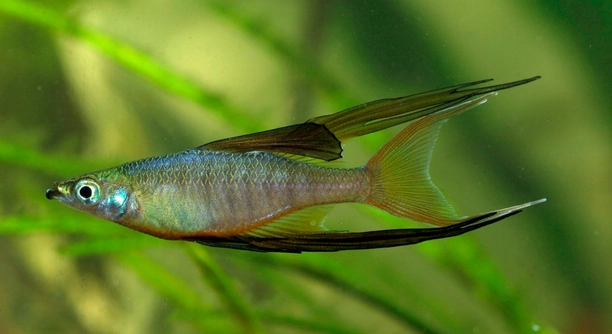
Do your Threadfin Rainbowfish tank’s water sometimes seem off, even when you follow regular maintenance routines? Ammonia spikes can silently stress your fish and disrupt the delicate balance of your aquarium’s ecosystem.
Preventing ammonia spikes in Threadfin Rainbowfish tanks requires consistent monitoring of water quality, regular partial water changes, avoiding overfeeding, maintaining proper filtration, and removing uneaten food or debris. These steps collectively stabilize ammonia levels and protect fish health.
Understanding these key steps can help you maintain a stable and healthy tank environment, ensuring your Threadfin Rainbowfish thrive with minimal risk.
Monitor Ammonia Levels Regularly
Keeping a close eye on ammonia levels is essential for the health of Threadfin Rainbowfish. I make it a habit to test the water twice a week using a reliable liquid test kit. Even small spikes can cause stress and harm the fish over time. When testing, I check for both ammonia and nitrite levels to understand the full water chemistry. Maintaining a stable environment prevents sudden shocks that could impact fish behavior and appetite. If I notice levels creeping upward, I immediately perform a partial water change. Regular monitoring also helps me recognize patterns related to feeding or filter efficiency. Tracking these details ensures the tank remains safe and stable for the fish, allowing them to thrive. Over time, I’ve learned that consistent observation is far more effective than reactive measures when ammonia problems arise.
Frequent water testing allows early detection of ammonia changes, reducing the risk of stress and illness in your fish.
By keeping records of test results, I can identify subtle trends that might otherwise go unnoticed. For instance, after adding new fish or adjusting feeding amounts, I can see how these changes affect ammonia levels. This data-driven approach makes it easier to adjust maintenance routines efficiently. Combining regular testing with careful observation of fish behavior gives a complete picture of tank health. Overfeeding, decaying plants, or overstocking can all increase ammonia, and monitoring helps spot these issues early. Using both liquid and strip tests occasionally provides reassurance, though I rely more on liquid tests for accuracy. Consistent record-keeping simplifies water changes, ensuring adjustments are timely and proportional. Maintaining this routine has kept my Threadfin Rainbowfish active, vibrant, and free from ammonia-related stress. Understanding the chemical balance makes caring for them feel less like guesswork and more like a reliable routine.
Maintain a Proper Filtration System
A well-functioning filter is critical for controlling ammonia in the tank. The filter removes debris and supports beneficial bacteria growth.
Selecting a filter appropriate for the tank size ensures efficient water flow. Filters should be cleaned carefully to avoid disturbing helpful bacteria while removing accumulated waste. I schedule maintenance every few weeks, rinsing filter media in tank water rather than tap water to preserve the bacteria that process ammonia naturally. In addition to mechanical filtration, biological filtration is key. Beneficial bacteria convert harmful ammonia into nitrites and then nitrates, which are less toxic. I sometimes supplement with extra bio-media when I notice minor spikes, giving the bacterial colonies more surface area to thrive. Regular observation of filter performance prevents clogs that could reduce efficiency and contribute to water quality problems. For me, maintaining the filter is as important as monitoring water because they work together to keep ammonia levels low. A stable filter ensures the tank stays safe and fish remain healthy without constant interventions.
Avoid Overfeeding
Overfeeding directly increases ammonia levels because uneaten food decomposes quickly. I feed my Threadfin Rainbowfish small portions they can finish within a few minutes, reducing waste and keeping water cleaner.
I noticed that switching to measured, smaller meals improved water quality immediately. Using a feeding schedule helps prevent accidentally adding too much at once. It also keeps the fish healthier, as overeating can stress their digestive system. When I first started with Threadfin Rainbowfish, I often assumed more food meant faster growth, but excess food just rotted and spiked ammonia. I now use a combination of timed portions and observation, giving only what the fish consume promptly. This practice has consistently lowered ammonia fluctuations.
I also make sure to remove any leftover food promptly. Floating or sinking pellets can remain in the tank if ignored, especially in plants or decorations. Removing leftovers prevents decay and reduces the risk of ammonia spikes. I sometimes feed live or frozen foods, but I carefully monitor the amount so nothing remains uneaten. This simple habit has a noticeable effect on water clarity and fish behavior. Overfeeding is one of the easiest issues to control, and following a strict feeding routine has kept my tank ammonia-stable.
Perform Regular Partial Water Changes
Regular partial water changes dilute ammonia before it reaches harmful levels. I change about 20–30% of the tank water weekly to maintain balance.
Partial water changes are effective because they remove dissolved waste while keeping beneficial bacteria in the substrate and filter intact. I always treat tap water with a dechlorinator before adding it back to the tank. Skipping this step can kill bacteria and disrupt the nitrogen cycle, making ammonia control harder. Over time, I’ve found a consistent schedule prevents sudden spikes and stabilizes overall water chemistry. This method complements proper filtration and careful feeding, creating a healthier environment for the fish.
I track the water changes alongside test results to confirm effectiveness. Sometimes, slight adjustments to the volume or frequency are needed based on tank stocking or feeding habits. I also use a gravel vacuum during water changes to remove debris trapped in the substrate, which reduces potential ammonia buildup. Regular partial changes make maintenance predictable and manageable, keeping fish stress-free. Combining these water changes with monitoring, filtration, and controlled feeding creates a system that reliably prevents ammonia spikes without overcomplicating care routines.
Remove Uneaten Food and Debris
Removing uneaten food and debris prevents ammonia from building up quickly. I always check the tank after feeding and scoop out any leftover pellets or flakes immediately.
Fallen leaves or decaying plants can also contribute to ammonia. I inspect decorations and plants weekly, removing any debris before it starts to affect water quality.
Avoid Overcrowding
Overcrowding increases waste and ammonia levels. Keeping the fish population within the tank’s capacity ensures water quality stays manageable and fish remain healthy.
Use Live Plants
Live plants absorb ammonia naturally. I keep fast-growing species in the tank to help maintain a stable environment while providing hiding spots for the fish.
Quarantine New Fish
Quarantining new fish for at least two weeks prevents sudden ammonia spikes and introduces them safely to the established tank environment.
How often should I test ammonia levels in a Threadfin Rainbowfish tank?
I test ammonia levels at least twice a week. Monitoring frequently helps detect spikes early, especially after adding new fish or changing feeding routines. Using a reliable liquid test kit gives me more accurate results than strips, which can sometimes be misleading. Tracking these numbers helps maintain stable water conditions and prevents stress-related health problems.
What should I do if ammonia levels are high?
Immediate partial water changes are the most effective first step. I replace about 25–30% of the water and make sure it’s dechlorinated. Removing uneaten food and checking the filter’s condition is also important. Overfeeding and overcrowding often contribute to spikes, so I assess these factors when ammonia rises. Adding extra biological media can support beneficial bacteria to process ammonia faster.
Can overfeeding really cause ammonia spikes?
Yes, uneaten food decomposes and releases ammonia quickly. I feed small portions my fish can finish in a few minutes. I also remove leftovers promptly to prevent buildup. Even healthy diets can lead to spikes if quantities are too large or feeding frequency is too high. Maintaining a consistent feeding routine has noticeably improved water quality in my tank.
How does filtration help prevent ammonia issues?
Filters provide mechanical and biological filtration. Mechanical media traps debris, while biological media houses bacteria that convert ammonia into less harmful compounds. I clean my filters carefully in tank water to preserve these bacteria. Maintaining a properly sized filter ensures steady water flow and helps keep ammonia levels low consistently.
Are live plants really effective against ammonia?
Live plants absorb ammonia as a nutrient. I grow fast-growing plants like hornwort and water sprite, which reduce nitrogen waste naturally. Plants also improve oxygen levels and provide hiding spaces, which reduces fish stress. While they don’t replace water changes or filtration, plants contribute to a more stable and balanced environment.
How can I prevent ammonia spikes when adding new fish?
Quarantining new fish for two weeks minimizes the risk. I observe their health closely and test water parameters before introducing them to the main tank. Slowly acclimating them to the established tank’s water chemistry reduces stress and prevents sudden ammonia increases caused by extra waste.
Is tank size important in controlling ammonia?
Yes, a properly sized tank supports stable water chemistry. Overcrowding leads to excessive waste, overwhelming the filter and raising ammonia levels. I follow stocking guidelines for Threadfin Rainbowfish and adjust feeding accordingly. Adequate space ensures fish stay healthy and reduces the risk of spikes.
How do I maintain beneficial bacteria in the tank?
Beneficial bacteria thrive in filter media and substrate. I avoid over-cleaning filters with tap water and perform partial water changes instead of full changes. I also avoid overusing medications that can kill bacteria. Maintaining consistent conditions allows these colonies to process ammonia efficiently and keep the tank balanced.
Can ammonia affect fish behavior before becoming visible in tests?
Yes, fish may show signs of stress such as gasping at the surface, clamped fins, or lethargy. I always observe behavior in addition to testing water. Noticing these early signs helps me act quickly to prevent serious health problems.
Is it necessary to use chemical treatments for ammonia?
Chemical treatments can neutralize ammonia temporarily, but they don’t replace proper maintenance. I only use them in emergencies, alongside water changes and filtration adjustments. Relying on chemicals alone can mask underlying issues without fixing the root cause.
How do I balance feeding, filtration, and water changes effectively?
I schedule weekly water changes, maintain a clean filter, and feed small, consistent portions. Recording test results and observing fish behavior ensures I adjust routines as needed. Balancing these factors keeps ammonia levels low and provides a stable, healthy environment for Threadfin Rainbowfish.
Can substrate type impact ammonia levels?
Yes, fine substrates can trap debris, while gravel allows more circulation. I vacuum substrate during water changes to remove waste and prevent decomposition. A properly maintained substrate reduces ammonia buildup and helps maintain stable water chemistry overall.
How long does it take for ammonia levels to stabilize after adjustments?
It varies depending on the tank and bacterial colonies. In my experience, partial water changes and improved feeding show results within 24–48 hours. Maintaining consistent filtration and monitoring ensures ammonia levels stay low over the long term.
Are there signs that indicate ammonia is already damaging my fish?
Yes, prolonged exposure can cause red or inflamed gills, frayed fins, or loss of appetite. I act immediately if I notice these symptoms, performing water changes and checking ammonia levels. Early action prevents long-term harm and supports recovery.
Is it possible to prevent ammonia spikes entirely?
While complete prevention is difficult, careful feeding, consistent water changes, proper filtration, and live plants minimize spikes. I combine these methods regularly to maintain a stable and healthy environment, reducing the risk of sudden ammonia problems significantly.
This FAQ section provides clear steps I follow to keep ammonia under control, making the tank safe and stable for Threadfin Rainbowfish. Regular monitoring and small, consistent efforts have the biggest impact.
Final Thoughts
Maintaining a healthy environment for Threadfin Rainbowfish requires consistent attention to water quality and daily tank management. Ammonia spikes are one of the most common problems in freshwater aquariums, and they can quickly stress or harm fish if left unchecked. Over time, I have realized that the key to preventing these spikes is creating a routine that balances feeding, filtration, and water changes. By testing water regularly, observing fish behavior, and removing uneaten food or debris promptly, I can maintain stable ammonia levels. Even small adjustments, like feeding slightly smaller portions or vacuuming the substrate more thoroughly, can have a significant impact on overall water quality. The goal is to reduce fluctuations that place stress on the fish, ensuring they remain healthy, active, and vibrant.
Another important factor is understanding the role of beneficial bacteria in the aquarium. These bacteria naturally process ammonia, converting it first into nitrites and then into less harmful nitrates. I make sure not to disrupt this process by over-cleaning the filter or using harsh chemicals unnecessarily. Maintaining biological filtration is just as important as performing regular water changes or adding live plants. The combination of mechanical and biological filtration, along with proper feeding habits, provides a stable environment where ammonia is controlled consistently. I also rely on live plants to assist in absorbing nitrogen compounds, which further contributes to a balanced tank ecosystem. While no method alone is sufficient, combining these strategies creates a reliable system that protects the fish and minimizes the risk of sudden ammonia spikes.
Finally, patience and observation are essential in keeping a Threadfin Rainbowfish tank safe. Ammonia spikes often happen gradually, and recognizing subtle signs early—like slight changes in behavior or water clarity—can prevent more serious problems. I have found that keeping a detailed schedule of water tests, changes, and feeding routines helps identify patterns and allows me to adjust care practices before issues become severe. Every tank is slightly different, so what works for one may need small adjustments in another. By staying consistent and proactive, the environment remains stable, fish remain healthy, and the aquarium becomes easier to manage over time. Attention to detail and regular maintenance reduce stress for both the fish and the caretaker, ensuring a thriving aquatic setup for Threadfin Rainbowfish.

Hello,
If you enjoy the content that we create, please consider saying a "Thank You!" by leaving a tip.
Every little bit helps us continue crafting quality advice that supports the health, happiness, and well-being of pets around the world, for pets of all shapes, sizes, and species.
We really appreciate the kindness and support that you show us!