
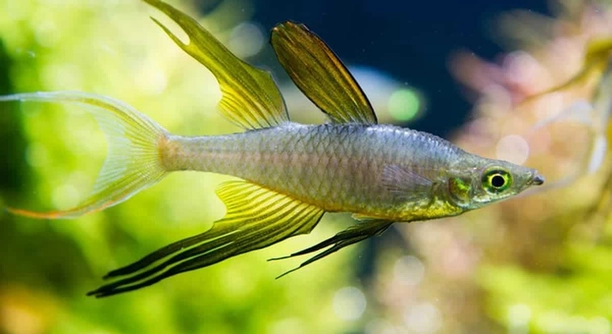
Do you enjoy keeping freshwater aquariums but notice unusual behavior in your fish? Threadfin Rainbowfish are known for their bright colors and lively swimming, yet sometimes they float in a vertical position, catching attention quickly.
Threadfin Rainbowfish occasionally float vertically due to swim bladder irregularities or buoyancy imbalances. Factors such as water quality, diet, and sudden stress can impact their internal organs, causing temporary vertical orientation without indicating immediate danger.
Observing this behavior can help ensure your fish remain healthy. Understanding the causes allows for timely adjustments to diet, environment, and care routines.
Common Causes of Vertical Floating
Threadfin Rainbowfish may float vertically for several reasons. One main factor is swim bladder disorder, which affects buoyancy and balance. Poor diet can also contribute, especially if fish consume large amounts of air while feeding. Sudden changes in water temperature or chemistry can shock their system, leading to temporary vertical positioning. Overcrowding in the tank can increase stress, causing erratic swimming patterns. Infections, parasites, or bacterial issues may also affect internal organs, indirectly influencing buoyancy. Observing tank behavior and maintaining consistent water parameters are essential steps to prevent such issues. Keeping a regular feeding schedule and providing balanced nutrition reduces the risk of air swallowing. Even minor injuries or previous health problems can make fish more susceptible to floating oddly. Many of these causes are manageable with attentive care. Understanding each factor allows aquarists to address problems early, ensuring fish remain healthy and active. Regular observation is key to detecting subtle signs before they worsen.
Monitoring your fish regularly can help identify patterns. Changes in swimming behavior often signal underlying issues that need prompt attention.
Vertical floating can sometimes indicate a serious internal problem, but in other cases, it is temporary. Observing the fish’s activity levels, appetite, and interaction with tank mates provides clues. Adjusting diet, water quality, and tank setup usually resolves minor issues. Tank maintenance, including regular water changes and monitoring pH, ammonia, and nitrate levels, helps prevent stress-related problems. Quarantining new fish before introduction reduces the risk of infection. Avoid overfeeding and provide high-quality food to minimize air intake and digestive stress. If symptoms persist, consulting a veterinarian specialized in fish health is advisable. Treatment options may include medications or adjusting environmental conditions. Stress reduction through adequate hiding spots and stable water temperature also improves recovery. Patience is important, as fish may take days or weeks to regain normal swimming behavior. Documenting observations ensures that adjustments are effective and prevents recurring problems. Awareness and careful management contribute to long-term health and well-being of your Threadfin Rainbowfish.
Preventing Buoyancy Issues
Simple steps in tank care can reduce vertical floating. Maintain clean water, feed appropriately, and avoid overcrowding.
Regular water testing and stable tank conditions are vital. Balanced nutrition, minimal stress, and attentive monitoring are key to preventing buoyancy problems and ensuring fish swim naturally. Consistency in care greatly improves their health and reduces unusual behavior.
Observing Behavior Patterns
Watching your Threadfin Rainbowfish closely helps identify causes of vertical floating. Note changes in swimming, appetite, and interaction with other fish. Consistent observation reveals whether the behavior is occasional or persistent.
Documenting behavior patterns over time can provide insight into potential triggers. Environmental changes, such as sudden temperature shifts or water quality fluctuations, often correlate with vertical floating. Fish may also respond to stressors like overcrowding or aggressive tank mates. Observing feeding habits is important; swallowing air while eating can lead to temporary buoyancy issues. Tracking patterns helps determine if adjustments in diet, tank setup, or water conditions are needed. Attention to detail allows small issues to be addressed before they escalate, ensuring long-term health.
Understanding individual fish behavior can make problem-solving easier. Each Threadfin Rainbowfish may react differently to stress or diet changes. Keeping notes on which fish float, how often, and under what circumstances helps identify specific needs. Observing subtle signs, such as fin clamping or unusual positioning near the surface, provides additional clues. Combining behavior tracking with water parameter monitoring ensures a comprehensive approach to maintaining balance in the tank. Over time, these observations allow for targeted interventions and improved well-being.
Diet and Feeding Considerations
Feeding habits directly influence swim bladder health. Overfeeding or fast consumption can cause air intake and buoyancy problems.
Balanced nutrition is essential for Threadfin Rainbowfish. High-quality, varied food reduces the risk of digestive stress and air swallowing. Feeding small portions multiple times a day encourages proper digestion. Avoid foods that expand quickly in water, as these can contribute to bloating and vertical floating. Including live or frozen foods supports overall health and stimulates natural behavior. Monitoring fish during feeding ensures they are eating properly and not ingesting excess air. Adjusting diet gradually when introducing new foods helps prevent sudden digestive disturbances. Proper feeding routines are one of the most effective ways to maintain healthy buoyancy and reduce unusual swimming patterns.
Water Quality and Tank Conditions
Stable water conditions are crucial for preventing vertical floating. Regular testing for pH, ammonia, nitrites, and nitrates helps maintain a healthy environment for Threadfin Rainbowfish.
Proper filtration and routine water changes reduce stress and support swim bladder function. Avoid sudden temperature fluctuations and maintain consistent parameters to minimize buoyancy problems.
Stress and Environmental Factors
Stress can directly affect buoyancy in Threadfin Rainbowfish. Overcrowding, aggressive tank mates, and sudden changes in light or noise levels may trigger vertical floating. Creating a calm, stable environment with adequate hiding spaces helps reduce stress and encourages normal swimming behavior.
When to Seek Professional Help
Persistent vertical floating may indicate an underlying health issue. If adjustments to diet, water quality, and environment do not resolve the problem, consult a veterinarian experienced with fish. Early intervention can prevent long-term complications and ensure proper treatment.
Monitoring Recovery
Tracking recovery after interventions is important. Observe swimming patterns and feeding habits daily to confirm improvement. Adjustments may be needed based on ongoing behavior, ensuring the fish returns to normal activity.
FAQ
Why do Threadfin Rainbowfish float vertically sometimes?
Threadfin Rainbowfish may float vertically due to swim bladder irregularities, stress, or digestive issues. Overfeeding, swallowing air while eating, or sudden water parameter changes can temporarily affect their buoyancy. Most cases are manageable with careful observation and adjustments to diet, water quality, or tank conditions.
Is vertical floating always a sign of illness?
Not always. Occasional vertical floating can occur without indicating serious illness. It may result from minor stress, brief changes in water quality, or temporary digestive discomfort. Persistent or worsening vertical orientation, however, should be taken seriously, as it may signal an underlying medical problem.
How can I prevent vertical floating in my tank?
Consistent water testing and proper filtration help maintain stable conditions. Feeding small, frequent portions and avoiding foods that expand rapidly in water reduces digestive stress. Maintaining appropriate tank size and avoiding overcrowding also minimizes stress-related floating. Regular observation ensures early detection of issues.
Can diet alone cause buoyancy problems?
Yes. Overfeeding or feeding inappropriate foods can lead to air swallowing or bloating, both of which affect swim bladder function. Offering high-quality, varied foods, including live or frozen options, encourages proper digestion. Gradual introduction of new foods prevents sudden digestive disturbances.
Will vertical floating resolve on its own?
Occasional vertical floating may resolve if it is minor or caused by temporary stress. Ensuring stable water parameters, proper diet, and minimal stress helps recovery. If the behavior persists, professional advice is recommended to prevent complications and ensure the fish’s health.
Are there signs that indicate serious health issues?
Persistent vertical floating, loss of appetite, clamped fins, or lethargy can indicate a more serious problem. Swelling, discoloration, or unusual spots may also suggest infection or organ issues. Early detection and intervention improve the likelihood of recovery.
Should I separate the affected fish from the tank?
Separating the fish can help monitor its recovery and reduce stress from tank mates. A quarantine or hospital tank with stable water parameters, gentle filtration, and hiding spots allows for careful observation and targeted treatment if necessary.
Can water temperature changes cause vertical floating?
Yes. Threadfin Rainbowfish are sensitive to sudden shifts in temperature. Rapid changes can affect metabolism and swim bladder function, leading to temporary vertical orientation. Maintaining consistent temperature helps reduce stress and supports normal swimming behavior.
How long does it take for a fish to recover?
Recovery time varies depending on the cause. Minor digestive or stress-related floating may resolve in a few hours to days. Swim bladder issues or infections may take longer, sometimes weeks. Observing behavior and adjusting care during this period is essential for successful recovery.
When should I consult a veterinarian?
Consult a veterinarian if vertical floating persists despite adjustments to diet, water, and environment, or if additional symptoms appear. Early intervention ensures proper diagnosis, treatment, and prevents long-term health problems. Professional guidance is especially important for swim bladder disorders or infections.
Can tank setup influence floating behavior?
Yes. Overcrowded tanks, insufficient hiding spots, or aggressive tank mates can increase stress, which impacts buoyancy. Providing a well-organized, stable environment with proper swimming space supports normal behavior and reduces vertical floating incidents.
Does stress always lead to vertical floating?
Not always, but it is a common factor. Stress from environmental changes, aggressive tank mates, or excessive handling can temporarily affect buoyancy. Reducing stress through stable water conditions, appropriate tank mates, and hiding spaces helps prevent unusual swimming patterns.
Are there home remedies to fix swim bladder issues?
Simple adjustments like fasting for a day, feeding peas or easily digestible foods, and maintaining water quality can help minor swim bladder problems. Persistent or severe cases require professional evaluation and treatment.
How do I know if the fish is eating properly?
Observe feeding behavior closely. Fish that eat slowly, spit out food, or swim near the surface while gulping air may be struggling with digestion or buoyancy. Adjust feeding methods and food types to ensure proper nutrition and reduce air intake.
Does water chemistry affect buoyancy?
Yes. High ammonia, nitrite, or nitrate levels, or sudden pH changes, can stress fish and affect swim bladder function. Regular water testing and maintenance of stable chemical parameters are critical for healthy buoyancy and overall well-being.
Can vertical floating happen in young fish?
Yes. Juvenile Threadfin Rainbowfish are more sensitive to diet, water changes, and environmental stress. Young fish may float vertically temporarily, but careful monitoring and proper care prevent long-term problems and support healthy development.
Is vertical floating more common in some tanks than others?
Tanks with unstable conditions, overfeeding, or aggressive inhabitants are more likely to see vertical floating. Well-maintained, appropriately stocked tanks with consistent water parameters typically minimize the occurrence of this behavior.
Can other fish species affect Threadfin Rainbowfish buoyancy?
Aggressive or highly active tank mates can stress Threadfin Rainbowfish, indirectly influencing buoyancy. Observing interactions and separating aggressive species if necessary helps maintain a calm environment and supports normal swimming.
What is the long-term outlook for fish with vertical floating episodes?
With proper care, stable water conditions, balanced diet, and stress reduction, most fish recover fully. Chronic or untreated swim bladder problems can lead to long-term complications, but early intervention improves the prognosis and supports continued health and activity.
Final Thoughts
Vertical floating in Threadfin Rainbowfish can be concerning, but it is often manageable with attentive care. Many cases are temporary and result from minor stress, dietary issues, or brief water quality changes. Observing your fish daily helps detect subtle signs before they develop into more serious problems. Watching swimming patterns, feeding behavior, and interactions with other fish provides valuable information about their overall health. Small changes in routine, such as adjusting feeding methods or maintaining consistent water parameters, often resolve minor buoyancy issues. Keeping a simple log of behavior and environmental conditions can also help identify patterns, making it easier to address potential causes quickly.
Maintaining proper water quality is one of the most important steps in preventing vertical floating. Regular testing for pH, ammonia, nitrite, and nitrate levels ensures the tank remains safe for your fish. Consistent filtration and scheduled water changes reduce stress and support swim bladder function. Temperature stability is equally critical, as sudden fluctuations can affect metabolism and buoyancy. Providing a spacious tank with adequate hiding spots and minimal aggression from tank mates reduces stress, which directly impacts swimming behavior. Even small improvements in tank setup or daily maintenance routines can make a significant difference. Threadfin Rainbowfish are sensitive creatures, so attention to environmental details goes a long way toward maintaining their health and natural swimming patterns.
Diet and feeding practices also play a key role in buoyancy management. Overfeeding or offering foods that expand quickly in water can lead to bloating and air swallowing, both of which affect swim bladder function. Offering high-quality, varied foods in small portions several times a day helps ensure proper digestion. Incorporating live or frozen foods can mimic natural feeding behavior and provide additional nutrients, supporting overall health. Observing fish during feeding allows you to notice if they struggle with digestion or swallow excess air. Combining good feeding practices with a stable environment and careful observation usually resolves vertical floating episodes. For persistent or severe cases, consulting a veterinarian experienced with fish is recommended. Early intervention improves recovery and prevents long-term complications. By maintaining stable water conditions, balanced nutrition, and stress-free surroundings, Threadfin Rainbowfish can thrive, swim naturally, and remain active, making the aquarium experience more enjoyable and rewarding.

Hello,
If you enjoy the content that we create, please consider saying a "Thank You!" by leaving a tip.
Every little bit helps us continue crafting quality advice that supports the health, happiness, and well-being of pets around the world, for pets of all shapes, sizes, and species.
We really appreciate the kindness and support that you show us!