
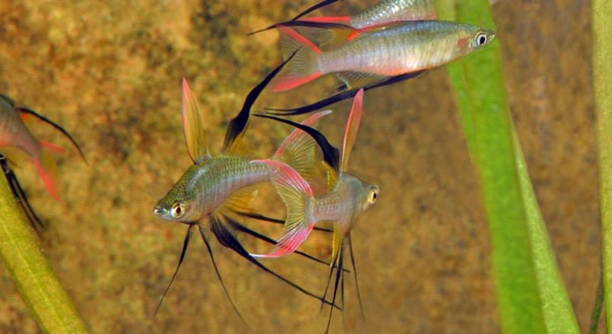
Have you ever noticed your threadfin rainbowfish acting differently, showing movements that seem out of the ordinary in their tank environment? Understanding these small signals can help you provide the right care and ensure your fish remain healthy and comfortable.
Threadfin rainbowfish may shake due to stress, water quality issues, parasites, or illness. These movements are often a sign that something is affecting their health or comfort, requiring closer observation and corrective action from the owner.
Understanding the main causes behind this behavior will help you respond effectively and maintain a healthier aquarium for your fish.
Common Reasons for Shaking in Threadfin Rainbowfish
Shaking in threadfin rainbowfish is often linked to stress, which may come from sudden changes in their environment. Poor water quality is another major factor, as high ammonia or nitrate levels can irritate their bodies. Illnesses such as bacterial or parasitic infections may also trigger unusual movements. Even minor temperature fluctuations can affect their comfort, leading to shaking or twitching. Sometimes, aggression or overcrowding in the tank may also add stress. Observing the timing and frequency of the shaking will help you connect it with possible causes. Addressing these issues promptly ensures healthier and more stable fish behavior.
Stress is commonly triggered by changes in tank setup, aggressive tank mates, or sudden lighting shifts. These small but impactful disruptions can make your rainbowfish feel unsafe, which is then displayed in their physical reactions like shaking or twitching.
Keeping your aquarium environment balanced is key to reducing stress-related behaviors. Ensure water is tested regularly and maintained within safe ranges. Tank mates should be peaceful, and overcrowding should be avoided. Quarantining new fish is another good practice that prevents diseases from spreading. By carefully managing these factors, your threadfin rainbowfish are more likely to thrive with steady, calm movements.
How to Respond to Shaking Behavior
When your rainbowfish begins shaking, it is important to act quickly yet carefully. The first step is to test your water parameters to rule out poor quality. Next, observe for any other symptoms like white spots, clamped fins, or lack of appetite. These clues can point toward infections or parasites. If illness seems possible, separating the affected fish into a quarantine tank may help prevent the spread. During this period, treatments such as aquarium salt, antiparasitic medication, or antibacterial remedies may be needed depending on the diagnosis. Consistency in care makes a big difference in how well your fish recovers.
Responding effectively means combining observation with corrective measures. Check filters for proper function, perform partial water changes, and keep feeding moderate to avoid added stress. If the behavior continues after addressing environmental issues, consulting an experienced aquarist or veterinarian is recommended. A calm approach helps restore stability to your rainbowfish.
Preventing Shaking in Threadfin Rainbowfish
Maintaining stable water conditions is one of the most effective ways to prevent shaking. Regularly testing water parameters ensures balance, while scheduled water changes keep the tank clean and safe. Consistency helps reduce unnecessary stress in your rainbowfish.
Providing a well-structured environment also plays an important role. Threadfin rainbowfish appreciate calm surroundings with plenty of swimming space. Avoid placing them in tanks with aggressive species, as this can lead to stress and shaking. Stable water temperature and gentle filtration are equally important, since sudden fluctuations often cause discomfort. Feeding a varied diet of quality flakes, frozen foods, and live treats supports their overall strength and resistance to illness. By keeping their needs in mind, you lower the chance of erratic behavior and help them stay comfortable.
Quarantining new fish before adding them into the main aquarium reduces the risk of spreading disease. A simple two-week observation period allows you to notice signs of illness early. This step keeps your established rainbowfish safer and more relaxed. Careful tank management helps avoid stressful situations that commonly lead to shaking behaviors. Maintaining balance in both care and environment allows your fish to remain active and healthy with fewer interruptions to their natural behavior.
When to Seek Professional Help
If your rainbowfish continues to shake despite clean water, stable conditions, and proper diet, professional help may be necessary. Prolonged shaking often indicates a deeper issue that cannot be resolved with basic care alone.
Veterinarians who specialize in aquatic animals can provide proper testing and accurate diagnoses. They may recommend lab work to detect parasites, infections, or other hidden problems. Medication, professional treatments, or tailored care plans can then be suggested to restore health. Seeking guidance early prevents conditions from worsening, especially if more fish begin showing the same signs. A professional opinion not only protects your rainbowfish but also gives you greater confidence in caring for your aquarium.
Signs That Shaking May Be Serious
Shaking that continues for several days often points to illness rather than temporary stress. Watch closely for weight loss, clamped fins, or discoloration, as these symptoms often appear alongside unusual movements and may suggest an underlying condition.
Labored breathing or sudden loss of appetite combined with shaking should not be ignored. These signs usually indicate infection, parasites, or internal disease. Immediate action, such as quarantine or medication, is necessary to protect both the affected rainbowfish and the rest of the tank population.
Supporting Recovery at Home
Creating a calm and stable environment can make recovery easier. Start by keeping the water clean with small, regular changes and avoid overfeeding, which can add unnecessary strain. Using aquarium salt or mild treatments may also help in supporting healing, depending on the symptoms. Always monitor the fish closely to assess whether the care plan is working. Limiting bright lighting and reducing activity around the tank can also help the fish rest. Supporting the immune system with a balanced diet ensures strength during recovery and prevents further complications from arising.
Long-Term Care Tips
Consistency in care is the best way to avoid future shaking episodes. Balanced feeding, regular water testing, and steady tank conditions help your rainbowfish remain healthy and active for the long term.
FAQ
Why is my threadfin rainbowfish shaking after a water change?
Shaking after a water change is often caused by sudden shifts in temperature or water chemistry. Even a small difference in pH, hardness, or temperature can stress your fish. Always match new water as closely as possible to the existing tank conditions. Adding the replacement water slowly also helps reduce shock.
Can parasites make my threadfin rainbowfish shake?
Yes, parasites are a common cause of shaking. External parasites irritate the skin and gills, which can lead to twitching or rubbing against surfaces. Internal parasites also create discomfort that may show as unusual movement. If you suspect parasites, quarantine the fish and consider approved treatments. Observing for other signs like weight loss, white spots, or stringy waste can confirm the issue more clearly.
Is shaking always a sign of illness?
Shaking is not always caused by illness. Sometimes it happens when rainbowfish are startled or stressed by sudden noise, movement, or aggressive tank mates. Short, occasional shaking that stops quickly may not be a concern. However, repeated or prolonged shaking should be investigated to ensure your fish is not developing health problems.
What water conditions reduce the chance of shaking?
Stable water conditions are the best way to prevent shaking. Keep ammonia and nitrite at zero, and maintain nitrates below safe levels. A steady temperature around 75–82°F is ideal for threadfin rainbowfish. Using a reliable filter, performing small weekly water changes, and avoiding overfeeding all help to maintain stability. Balanced conditions lower stress and support long-term health.
Can diet affect why my rainbowfish is shaking?
Yes, diet plays a role in your rainbowfish’s overall health. Poor nutrition can weaken the immune system, making them more vulnerable to infections that cause shaking. A mix of quality flakes, frozen foods, and live options ensures they get the right balance of nutrients. Avoid overfeeding, as uneaten food pollutes the water and creates further stress. Feeding in small amounts twice a day works best for their digestion and health.
Should I separate a shaking rainbowfish from the others?
Separating a shaking rainbowfish is often a good idea, especially if the behavior seems linked to illness. A quarantine tank allows you to observe closely without exposing other fish to possible infections. It also gives the sick fish a calmer space to recover. If shaking is mild and caused by temporary stress, separation may not be necessary, but it is better to be cautious when symptoms persist.
How long does it take for a shaking rainbowfish to recover?
Recovery time depends on the cause. If shaking is stress-related, improvement can be seen within a few days once the environment is stabilized. Illness or parasites may take longer, especially if medication is required. During treatment, it is important to remain consistent with care. With proper support, many rainbowfish regain normal movement within one to two weeks.
Can aggressive tank mates cause shaking in rainbowfish?
Yes, aggression often leads to shaking behavior. Threadfin rainbowfish are peaceful by nature and can become stressed when housed with dominant or fin-nipping fish. Constant chasing or bullying creates anxiety that shows in erratic movements. Keeping them with calm species, like tetras or other gentle rainbowfish, helps prevent unnecessary stress and shaking.
Is it normal for young rainbowfish to shake more often?
Young rainbowfish may show more sensitive reactions as they adjust to their environment. Their immune systems are not as strong as adults, making them more prone to stress and minor illnesses. Occasional shaking can happen during growth stages, but it should not be persistent. If shaking continues or worsens, treat it as a potential health concern.
What should I do if treatments don’t stop the shaking?
If shaking continues after you have tried correcting water, adjusting diet, and using safe treatments, professional help may be needed. A veterinarian experienced with fish can run proper tests to identify hidden problems. Seeking expert guidance early prevents conditions from spreading or worsening. Even if it feels overwhelming, timely help often makes a big difference in recovery.
Final Thoughts
Caring for threadfin rainbowfish requires patience, observation, and consistency. Shaking behavior is not something to overlook, as it often signals stress, discomfort, or illness. These small fish are sensitive to changes, and their environment plays a huge role in their health. By keeping water quality stable, offering a varied and nutritious diet, and avoiding stressful tank conditions, you can prevent many of the issues that cause shaking. It may feel challenging at times, but understanding their needs makes a noticeable difference in how they behave and thrive. Paying attention to small details, like feeding amounts or water testing, creates a safer and more comfortable home for them.
When shaking does appear, acting quickly can protect your fish from further problems. A calm and steady response is always better than sudden, overwhelming changes. Start with the basics, like checking water quality and watching for other symptoms, before moving to more advanced treatments. Quarantine tanks, mild medications, or salt baths may be necessary if illness or parasites are suspected. Observing carefully will help you decide which steps are most appropriate. Remember that not all shaking is permanent or life-threatening—sometimes it is just a temporary response to stress. What matters most is how you react and support your fish through the situation.
Over time, you will become more familiar with the natural behavior of your threadfin rainbowfish, making it easier to notice when something is off. Their subtle movements and reactions tell you a lot about their well-being. By learning to read these signals, you gain confidence in your care and create a healthier aquarium overall. Keeping them happy is about more than preventing problems—it is about building a steady, balanced environment where they can display their full colors and activity. A stable routine of water changes, careful feeding, and gentle handling keeps them strong. In the end, your attention and consistency make the biggest difference, ensuring your rainbowfish remain active, graceful, and free from the stress that often leads to shaking. This steady approach allows you to enjoy their beauty while giving them the best chance at long-term health.

Hello,
If you enjoy the content that we create, please consider saying a "Thank You!" by leaving a tip.
Every little bit helps us continue crafting quality advice that supports the health, happiness, and well-being of pets around the world, for pets of all shapes, sizes, and species.
We really appreciate the kindness and support that you show us!