
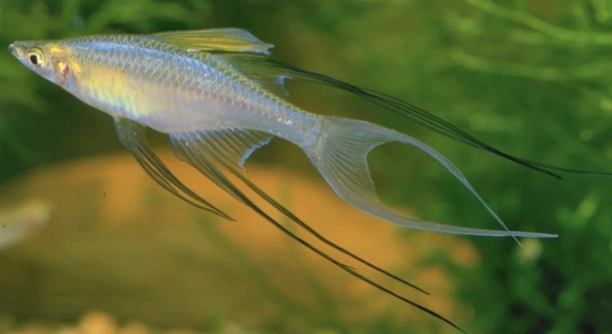
Have you ever wondered how some freshwater fish handle different water conditions in your home aquarium? Threadfin Rainbowfish are popular for their bright colors and peaceful nature, making them a favorite among beginner and experienced fishkeepers alike.
Threadfin Rainbowfish can survive in slightly brackish water for short periods, but their optimal health is maintained in clean, well-oxygenated freshwater. Prolonged exposure to high salinity can stress the fish, affect growth, and reduce lifespan.
Learning about the right water conditions can improve your fishkeeping success and ensure your Threadfin Rainbowfish remain vibrant and healthy.
Understanding Brackish Water
Brackish water is a mix of fresh and saltwater, usually found in estuaries or near river mouths. Its salinity is lower than seawater but higher than freshwater. Threadfin Rainbowfish come from freshwater habitats, so their bodies are not naturally adapted to handle higher salt levels. Even a small increase in salinity can affect their gills, kidneys, and overall metabolism. Some fish can tolerate slightly brackish conditions, but prolonged exposure can cause stress, reduce immune response, and make them more prone to disease. For short-term acclimation or experimental purposes, adding a small amount of aquarium salt might be acceptable, but it should be carefully monitored. Water quality, including pH, temperature, and hardness, is equally important. Regular testing ensures that your fish are not exposed to harmful conditions. Proper filtration, gentle water changes, and maintaining a stable environment help keep your Threadfin Rainbowfish healthy. Adjustments should always be gradual to prevent shock or sudden stress.
Threadfin Rainbowfish can tolerate slightly brackish water, but only temporarily. Their long-term health depends on freshwater conditions.
Maintaining their health means keeping consistent water parameters. Even minor fluctuations in salinity, pH, or temperature can cause noticeable stress. Feeding a balanced diet, observing behavior, and providing hiding spots further support their well-being.
Acclimating Threadfin Rainbowfish to Different Water
Gradual acclimation is essential when introducing any change in water conditions. Sudden shifts in salinity can shock Threadfin Rainbowfish.
To acclimate your fish to slightly brackish water, start by mixing a small amount of salt into a separate container of freshwater. Slowly add small portions of this water to the container over several hours. Observe the fish for any signs of stress, such as rapid gill movement or erratic swimming. If the fish shows discomfort, stop and allow them to recover before continuing. Regular water testing helps maintain the right salinity levels. Avoid adding too much salt at once, as it can be fatal. Once acclimated, monitor your fish daily to ensure they adjust well. Remember, even slight changes should be made slowly, as Threadfin Rainbowfish are sensitive to their environment. Their health and coloration depend on careful attention to water conditions and proper nutrition. By being patient and observant, you can help your fish thrive safely.
Water Parameters for Threadfin Rainbowfish
Threadfin Rainbowfish thrive in freshwater with stable temperature and pH. Sudden changes in salinity or hardness can stress them, so keeping parameters consistent is crucial.
Ideal water temperature is 24–28°C (75–82°F), with a pH around 6.5–7.5. Water hardness should remain moderate, and ammonia, nitrite, and nitrate levels must be closely monitored. Even small deviations can affect behavior and appetite. Regular water testing and partial water changes help maintain stability. Proper filtration supports oxygenation and removes harmful waste, creating a safe environment for these sensitive fish. Careful attention to water conditions is key to keeping their colors vibrant and their health strong.
Salinity must be very low for Threadfin Rainbowfish if attempting brackish water. Adding small amounts of aquarium salt can help short-term, but the majority of their time should be spent in freshwater. Observation is critical; any signs of stress require returning to pure freshwater.
Feeding and Nutrition
Threadfin Rainbowfish need a varied diet to stay healthy and colorful. Offer high-quality flakes, pellets, and occasional live or frozen foods.
They enjoy brine shrimp, daphnia, and bloodworms, which provide essential protein. Feeding small amounts multiple times a day is better than one large meal, as it reduces waste buildup. Overfeeding can pollute the water quickly, so portion control is important. Including plant-based foods like spirulina flakes supports digestion and adds vitamins. Feeding a mix ensures their coloration stays bright and their energy levels remain steady. Observing how they eat helps identify health issues early.
Proper nutrition also influences behavior and breeding. Healthy fish display more active swimming, interact with tankmates, and are more likely to spawn in optimal conditions. Neglecting dietary variety can lead to dull colors, slower growth, and increased vulnerability to disease. Regularly rotating food types keeps their diet balanced. Supplements may be added if recommended, but should never replace main meals. Maintaining a feeding schedule and monitoring leftovers reduces waste and helps preserve water quality. Combining attention to diet and environment ensures your Threadfin Rainbowfish live a long, healthy life.
Tank Setup Considerations
Threadfin Rainbowfish need a spacious tank with plenty of swimming room. Dense plants and hiding spots help reduce stress and encourage natural behavior.
Use fine gravel or sand substrate, as rough surfaces can damage their fins. Gentle filtration is preferred to maintain water clarity without creating strong currents that may tire them out.
Breeding in Freshwater
Threadfin Rainbowfish breed more successfully in stable freshwater conditions. A separate breeding tank with slightly warmer water encourages spawning. Provide fine-leaved plants or spawning mops for eggs, which will help protect them. After spawning, adults should be moved to prevent eating the eggs. Maintaining optimal water quality and feeding high-protein foods increases the likelihood of successful hatching and healthy fry development. Monitoring temperature, pH, and cleanliness daily ensures the young fish thrive. Regular observation helps detect issues early, allowing timely adjustments to ensure the survival of the next generation.
Common Health Issues
Stress from poor water conditions can lead to fin rot, parasites, or fungal infections in Threadfin Rainbowfish.
FAQ
Can Threadfin Rainbowfish live in brackish water long-term?
Threadfin Rainbowfish are naturally freshwater fish. They can survive in slightly brackish water for short periods, but long-term exposure is harmful. High salinity stresses their gills, kidneys, and metabolism, making them more vulnerable to disease and reducing their lifespan. Freshwater with stable parameters is always best.
How do I safely acclimate them to slightly brackish water?
Acclimation should be gradual. Start by mixing a very small amount of aquarium salt into a separate container of water. Slowly introduce this water to your fish’s tank over several hours. Observe them closely; any signs of stress, such as rapid gill movement or erratic swimming, mean you should stop and return to freshwater.
What are the ideal water conditions for Threadfin Rainbowfish?
These fish thrive in 24–28°C (75–82°F) water with a pH of 6.5–7.5 and moderate hardness. Ammonia, nitrite, and nitrate levels should be closely monitored. Stable water conditions support vibrant colors, active behavior, and overall health. Gentle filtration and regular water changes are essential.
What should I feed them?
A varied diet is important. High-quality flakes, pellets, and occasional live or frozen foods such as brine shrimp, daphnia, or bloodworms provide protein. Adding plant-based foods like spirulina flakes improves digestion and vitamin intake. Feeding small amounts multiple times a day reduces waste and supports energy levels.
How can I encourage breeding?
Breeding is more successful in stable freshwater with slightly warmer temperatures. Provide fine-leaved plants or spawning mops for eggs. After spawning, move adults to prevent them from eating the eggs. High-protein foods increase egg production and fry survival. Consistent water quality is crucial for healthy development.
What are common health issues?
Stress from poor water conditions can lead to fin rot, parasites, or fungal infections. Overcrowding, sudden water changes, and poor diet also increase disease risk. Early detection through careful observation allows prompt treatment, preserving the health of the fish.
Can I mix them with other fish?
Threadfin Rainbowfish are peaceful and can live with other non-aggressive species of similar size. Avoid fin-nipping or overly territorial fish. Proper tank size and plenty of hiding spots reduce stress and help maintain harmony in a community tank.
How often should I test the water?
Regular testing is important, ideally weekly. Checking pH, hardness, ammonia, nitrite, and nitrate levels ensures the environment remains stable. Minor adjustments prevent stress and health problems. Consistency in water quality is far more important than occasional perfect readings.
Is aquarium salt necessary for freshwater setups?
Salt is not required in a purely freshwater tank but can help prevent minor infections or reduce stress in small amounts. It should never replace clean water and proper filtration. Overuse can harm fish, so careful measurement and monitoring are essential.
How do I know if my fish are stressed?
Signs of stress include rapid gill movement, hiding excessively, loss of appetite, faded colors, and erratic swimming. Stress can be caused by poor water quality, sudden changes, or overcrowding. Correcting the environment and ensuring a proper diet often restores their health and behavior.
What is the lifespan of Threadfin Rainbowfish?
With proper care, Threadfin Rainbowfish can live up to 5–6 years. Maintaining stable freshwater conditions, a balanced diet, and a stress-free environment ensures they reach their full lifespan while staying healthy and colorful.
Can young fish tolerate brackish water?
Fry and juvenile Threadfin Rainbowfish are especially sensitive. Brackish water can stunt growth or cause early mortality. It’s best to raise them in stable freshwater until they are strong enough to handle minor environmental changes safely.
How do I prevent disease in my tank?
Regular water changes, proper filtration, and a balanced diet are key. Quarantining new fish before adding them to the main tank reduces the risk of introducing pathogens. Observing behavior daily allows for early intervention if health issues arise.
Are Threadfin Rainbowfish hardy fish for beginners?
They are relatively hardy but need consistent water quality, proper diet, and enough space. Sudden changes in salinity or temperature can quickly stress them, so beginners should focus on stable freshwater setups before attempting any brackish experiments.
What tank size is recommended?
A minimum of 30 gallons is suggested for a small school of Threadfin Rainbowfish. They are active swimmers, so larger tanks improve movement, reduce stress, and allow for community setups. Plenty of open swimming space along with plants and hiding spots is ideal.
How do I maintain their bright colors?
Consistent water quality, a varied and nutritious diet, and low stress levels support vibrant coloration. Overcrowding, poor diet, or fluctuating water parameters can dull colors. Observing their health and feeding a mix of protein and plant-based foods ensures they stay bright and lively.
Can they handle mild salt treatments for parasites?
Yes, short-term, low-dose salt baths can help treat minor parasitic infections. Always follow recommended dosages and monitor fish carefully. Prolonged exposure to salt is harmful, so freshwater recovery afterward is essential.
Are they schooling fish?
Yes, Threadfin Rainbowfish prefer being in groups of at least six. Schooling reduces stress, encourages natural behavior, and improves overall activity. Single fish may become shy, withdrawn, or stressed without companions.
How often should I feed them?
Small portions multiple times a day are better than one large meal. Overfeeding can pollute water quickly, while consistent feeding keeps energy high and promotes healthy growth. Observing appetite helps adjust portions and prevents waste buildup.
Can they live with brackish-tolerant species?
Mixing with brackish-tolerant species is not recommended for long-term setups, as Threadfin Rainbowfish thrive in freshwater. Occasional exposure may be tolerated, but prolonged cohabitation in brackish conditions can stress them and reduce lifespan.
What signs indicate poor water quality?
Cloudy water, strong odors, algae overgrowth, and unusual fish behavior are indicators. Monitoring ammonia, nitrite, nitrate, pH, and hardness helps catch issues early. Prompt water changes and filtration adjustments maintain a healthy environment for the fish.
How do I encourage activity in the tank?
Provide open swimming areas, a moderate current, and hiding spots. A varied diet and small school of companions encourage natural behavior. Observation allows adjustments in lighting or tank layout to stimulate healthy activity patterns.
Can Threadfin Rainbowfish live with plants?
Yes, they enjoy planted tanks. Plants provide hiding spaces, reduce stress, and improve water quality by absorbing nitrates. Fine-leaved or soft plants are preferred to avoid damaging their delicate fins.
What is the best way to introduce new fish?
Quarantine new fish first to prevent disease. Gradually acclimate them to the main tank’s water conditions. Observing behavior during the first days helps detect compatibility issues and stress before problems escalate.
Do they require special lighting?
Moderate lighting is sufficient. Bright lights may encourage color vibrancy but should be balanced with shaded areas. Lighting also supports plant growth, which benefits water quality and provides hiding spaces for the fish.
How do I handle sudden temperature drops?
Sudden temperature changes are stressful. Use a reliable heater to maintain stable temperatures. If drops occur, gradually adjust the heater rather than shocking the fish. Monitoring daily ensures they remain healthy and active.
Are they sensitive to pH changes?
Yes, sudden shifts in pH can stress Threadfin Rainbowfish. Maintaining stable pH levels between 6.5–7.5 is critical. Frequent testing and gradual adjustments prevent harm and support overall health.
Can I use tap water directly?
Tap water must be treated to remove chlorine and chloramine. Using a water conditioner ensures safety. Testing hardness and pH helps create a stable environment before introducing fish. Untreated water can cause gill damage and stress.
What tankmates should I avoid?
Avoid aggressive or fin-nipping species. Large predators or territorial fish stress Threadfin Rainbowfish. Peaceful, similar-sized species are best for community tanks. Adequate space and hiding spots further reduce conflicts.
Do they need aeration?
Yes, good oxygen levels are important. Gentle aeration supports respiration and overall health. Proper filtration often provides sufficient oxygen, but supplemental air stones can be added if needed.
How do I identify male and female Threadfin Rainbowfish?
Males are usually more colorful with elongated fins, while females are smaller and less vibrant. Observing behavior during feeding or spawning can help distinguish sexes for breeding purposes.
Can they survive without hiding spots?
They prefer having plants or decorations to retreat into. Lack of hiding spaces can increase stress and reduce natural behaviors. Providing multiple options improves comfort and promotes a healthier, more active fish.
Are they sensitive to noise or vibrations?
Yes, sudden loud noises or vibrations can stress Threadfin Rainbowfish. Placing the tank in a quiet, stable area reduces disturbances and helps maintain consistent behavior and feeding patterns.
What should I do if fish show faded colors?
Faded colors often indicate stress, poor diet, or water quality issues. Test water parameters, adjust diet, and ensure stable conditions. Providing a peaceful environment and varied nutrition helps restore vibrant colors.
Can Threadfin Rainbowfish handle temporary salinity changes?
Minor, short-term salinity changes are tolerated if introduced gradually. Long-term exposure is harmful. Always return them to freshwater to prevent stress, weakened immune response, and reduced lifespan.
How do I prepare for breeding season?
Increase feeding with protein-rich foods, maintain stable freshwater conditions, and provide spawning areas like fine-leaved plants. Observing behavior helps identify readiness, and separating adults post-spawning protects eggs and fry.
Are there seasonal effects on behavior?
Yes, slight seasonal changes in temperature and light can affect activity and breeding. Keeping consistent conditions minimizes stress and encourages regular behavior patterns throughout the year.
Can they live in a small tank temporarily?
Short-term housing in a small tank is possible, but prolonged confinement leads to stress and stunted growth. Ensure water quality, adequate space, and proper filtration even for temporary setups.
How do I prevent algae overgrowth?
Maintain balanced lighting, avoid overfeeding, and clean the tank regularly. Live plants help compete with algae for nutrients. Monitoring water quality prevents conditions that favor excessive algae growth.
What equipment is essential for a freshwater setup?
Heater, gentle filter, thermometer, water test kits, and air stone are essential. Decorations and plants improve comfort, reduce stress, and support natural behavior. Regular maintenance ensures a stable environment for healthy fish.
Do they need water flow?
A gentle current mimics natural habitat conditions and encourages exercise. Strong currents should be avoided, as they can exhaust the fish and cause stress. Proper positioning of the filter outlet helps manage flow.
How do I clean the tank safely?
Partial water changes and gentle gravel vacuuming remove waste without disturbing the fish. Avoid harsh chemicals, and rinse equipment with dechlorinated water. Cleaning frequency depends on tank size and stocking levels.
Can Threadfin Rainbowfish live alone?
They prefer schooling. Solitary fish often become shy, withdrawn, or stressed. Keeping at least six together encourages natural behavior, reduces stress, and improves overall health and coloration.
What are early signs of disease?
Fin damage, faded color, lethargy, unusual swimming, or loss of appetite often indicate illness. Prompt intervention with proper water adjustments or treatment improves recovery chances.
Is it safe to mix them with brackish fish occasionally?
Short-term mixing may be tolerated, but long-term exposure to brackish conditions harms Threadfin Rainbowfish. Freshwater setups are always safer and healthier for maintaining longevity and vibrant coloration.
How do I prevent overfeeding?
Feed small portions multiple times a day, only what they can consume in a few minutes. Remove uneaten food promptly. Overfeeding pollutes water and stresses the fish, reducing overall health.
Can they tolerate cooler water?
Temperatures below 24°C (75°F) slow metabolism, reduce appetite, and affect immune function. Sudden drops are stressful. Maintain stable temperatures within the recommended range to ensure health and activity.
Are supplements necessary?
Supplements can be added occasionally but should not replace a balanced diet. Protein-rich and plant-based foods are sufficient for most nutritional needs. Overuse of supplements can cause water quality issues.
How often should I observe my fish?
Daily observation helps detect stress, disease, or water issues early. Noticing subtle changes in behavior, appetite, or coloration allows prompt action to maintain their health and vibrancy.
Can they live in a bare tank?
Bare tanks are possible, but plants and decorations improve comfort, reduce stress, and provide hiding spaces. They also help maintain water quality and encourage natural behaviors like schooling and exploring.
What is the best way to introduce new water?
Add new water gradually during water changes to avoid shocking the fish. Match temperature, pH, and hardness closely to existing tank conditions. This reduces stress and ensures stability.
Can I use tap water conditioners?
Yes, conditioners remove chlorine and chloramine and neutralize harmful metals. Using them is essential for safe freshwater conditions. Follow instructions carefully to avoid overdosing, which can harm fish.
Do they need a lid on the tank?
Yes, a lid prevents jumping, reduces evaporation, and maintains stable conditions. Threadfin Rainbowfish are active swimmers and may jump if startled or stressed.
How can I tell if fry are healthy?
Healthy fry are active, feed readily, and grow steadily. Clear swimming patterns and bright coloration indicate good development. Poor water quality or stress slows growth and increases mortality risk.
Can they live with snails or shrimp?
Peaceful snails and shrimp are compatible. They help clean the tank without stressing Threadfin Rainbowfish. Avoid larger or aggressive invertebrates that may compete for food or harm them.
Are Threadfin Rainbowfish sensitive to lighting changes?
Yes, sudden bright lights can cause stress. Gradual adjustments and providing shaded areas help them acclimate comfortably. Balanced lighting enhances plant growth and fish coloration.
How do I handle sudden ammonia spikes?
Immediate partial water changes, testing, and filtration checks are critical. High ammonia is toxic, causing gill damage and stress. Maintaining consistent water quality prevents spikes and protects fish health.
What is the best way to store fish food?
Keep it sealed, cool, and dry to maintain nutrients. Expired or improperly stored food can cause illness. Rotate food regularly to provide freshness and variety.
Do they need a specific water hardness?
Moderate hardness supports metabolism and overall health. Extreme soft or hard water can stress them and affect coloration. Regular testing ensures levels remain within a safe range.
Can they tolerate occasional water disturbances?
Minor disturbances are tolerated, but frequent strong currents, vibrations, or splashes cause stress. Stability and calm conditions support active swimming and natural behavior.
What is the optimal group size?
At least six individuals form a proper school. Larger groups are better, as schooling reduces stress and encourages natural behavior. Small groups may lead to shyness or inactivity.
Can they live with goldfish?
No, goldfish are cold-water fish producing high waste, which is unsuitable for Threadfin Rainbowfish. Their differing temperature and water quality needs make cohabitation unsafe.
How long does it take for them to acclimate to a new tank?
Acclimation usually takes a few days. Gradually adjusting to water conditions, temperature, and surroundings reduces stress. Observing behavior ensures they are settling in properly.
Are they sensitive to tank chemicals?
Yes, medications or cleaners can harm Threadfin Rainbowfish if used improperly. Always follow dosing instructions and avoid unnecessary chemical exposure. Test water afterward to ensure safety.
How do I reduce stress during water changes?
Use gentle siphoning, match water temperature and parameters, and avoid sudden movements. Partial changes reduce shock while maintaining water quality. Consistency and calm handling improve comfort.
Do they interact with humans?
While not interactive like some species, they recognize feeding routines and may swim near glass. Regular observation helps monitor health and behavior.
Can they live with tetras?
Yes, small peaceful tetras are compatible. Avoid aggressive or larger species that may stress them. Proper tank size and hiding spots ensure a harmonious community.
What is the maximum salinity they can tolerate?
Slight brackish conditions (around 1–2 ppt) are tolerated briefly. Prolonged exposure above this level causes stress, reduced appetite, and potential organ damage. Freshwater is safest for long-term health.
How often should I check salinity?
Check frequently if attempting brackish conditions, ideally daily. Minor fluctuations can cause stress. Consistency ensures their health and supports normal behavior and growth.
Can they adapt to low-oxygen conditions?
No, low oxygen quickly stresses Threadfin Rainbowfish. Proper aeration and filtration maintain oxygen levels. Observing surface gasping indicates a problem that needs immediate correction.
Are they hardy enough for beginner fishkeepers?
Yes, with stable freshwater, proper feeding, and monitoring. Sudden changes or brackish experiments require care. They are generally forgiving if basics are maintained consistently.
What is the best filtration type?
Gentle sponge or canister filters provide adequate water movement without stressing them. Overly strong currents should be avoided. Filters help maintain clarity, oxygen, and overall health.
How do I prevent overcrowding?
Follow stocking guidelines: at least 30 gallons for a small school. Overcrowding causes stress, stunted growth, aggression, and poor water quality. Adequate space supports schooling behavior and vibrant colors.
Can they tolerate tap water with chloramine?
No, tap water must be treated to remove chloramine and chlorine. Using a water conditioner ensures safety and prevents gill damage or stress. Always test parameters before introducing fish.
What are the signs of fin rot?
Frayed, discolored, or ragged fins indicate fin rot. It often results from poor water quality or stress. Prompt water changes, treatment, and improved care restore fin health.
Do they need specific tank decorations?
Plants, driftwood, and hiding spaces improve comfort and reduce stress. Fine-leaved plants are preferred to prevent fin damage. Decorations mimic natural habitat and support healthy behavior.
How long can they survive without food?
Threadfin Rainbowfish can survive a few days, but prolonged fasting affects health, growth, and coloration. Consistent feeding supports energy and overall well-being.
Can they live with livebearers?
Peaceful livebearers like guppies are compatible. Avoid aggressive or large livebearers that may compete for food or harass Threadfin Rainbowfish. Proper tank size and hiding spots reduce stress.
Are they sensitive to light cycles?
Yes, sudden
Threadfin Rainbowfish are beautiful freshwater fish that bring color and life to any aquarium. They are peaceful, active, and enjoy swimming in schools. Their bright colors and graceful movements make them a popular choice for hobbyists. While they can tolerate slight changes in water conditions for short periods, their overall health depends on stable freshwater environments. Attempting to keep them in brackish water long-term is not recommended, as it can stress their bodies and make them more vulnerable to disease. Maintaining a proper freshwater tank is the safest way to ensure their vibrant colors, energetic behavior, and long lifespan. Regular observation and care allow you to notice any changes in their behavior or appearance early, which can help prevent serious health problems.
Providing the right tank setup is key to keeping Threadfin Rainbowfish healthy. A spacious tank with gentle filtration, moderate water hardness, and a stable pH creates an environment similar to their natural habitat. Open swimming areas combined with plants and hiding spots reduce stress and encourage natural behavior. Water quality must be closely monitored, as ammonia, nitrite, nitrate, and temperature fluctuations can quickly affect their health. Small, gradual changes in water conditions are always better than sudden shifts. Feeding a balanced diet of flakes, pellets, and occasional live or frozen foods ensures they receive the nutrients needed to grow, display their best colors, and stay active. Avoid overfeeding, as excess food can pollute the water and harm their health. Paying attention to these details makes a noticeable difference in their well-being.
Acclimating them carefully, observing their behavior, and maintaining consistent care helps Threadfin Rainbowfish thrive. They are relatively hardy when provided with proper conditions, but they are sensitive to stress, overcrowding, and sudden changes. Breeding is possible in freshwater tanks with proper preparation, including slightly warmer water and fine-leaved plants for egg laying. Even minor stressors, such as strong currents, loud noises, or inappropriate tankmates, can affect their health, so creating a calm and suitable environment is important. Overall, Threadfin Rainbowfish are rewarding to keep, providing beauty and activity in a well-maintained freshwater aquarium. By understanding their needs, keeping water stable, feeding a varied diet, and providing a safe environment, you can enjoy these fish for many years, ensuring they stay colorful, healthy, and lively. Their care requires attention, but the results are worth the effort.

Hello,
If you enjoy the content that we create, please consider saying a "Thank You!" by leaving a tip.
Every little bit helps us continue crafting quality advice that supports the health, happiness, and well-being of pets around the world, for pets of all shapes, sizes, and species.
We really appreciate the kindness and support that you show us!