
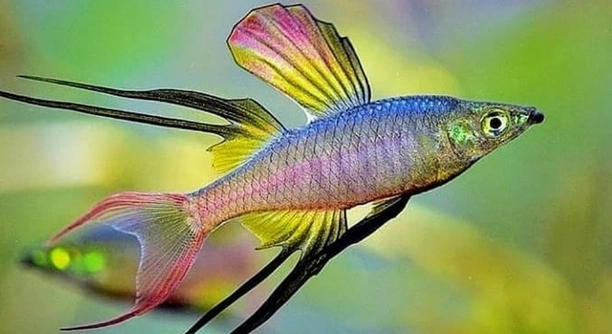
Do you ever find yourself curious about the right conditions to keep your Threadfin Rainbowfish thriving in your home aquarium? Maintaining the correct environment plays a key role in their long-term health and vibrant appearance.
The ideal temperature range for Threadfin Rainbowfish is between 75°F and 82°F. This range closely replicates their natural tropical habitat, helping regulate their metabolism, immune system, and activity levels while supporting overall health and promoting vibrant coloration.
Balancing temperature with other care factors will ensure your Threadfin Rainbowfish remain healthy and active. Let’s explore how proper conditions contribute to their well-being and what adjustments may be beneficial.
Understanding the Ideal Temperature for Threadfin Rainbowfish
Threadfin Rainbowfish are delicate and require specific conditions to thrive in captivity. Temperature plays a major role in their overall health, growth, and coloration. When the water is too cold, their immune systems weaken, leaving them vulnerable to stress and disease. On the other hand, overly warm water speeds up their metabolism, shortening their lifespan and reducing their quality of life. The range of 75°F to 82°F is widely recommended because it closely mirrors their natural environment. Within this range, the fish remain active, display brighter colors, and exhibit natural schooling behavior. For many aquarists, maintaining this balance not only ensures healthier fish but also enhances the visual appeal of their aquarium. A stable environment, free of constant fluctuations, helps create a stress-free space for Threadfin Rainbowfish, making temperature regulation one of the most important aspects of their care.
Regular monitoring with a reliable aquarium thermometer will help keep conditions consistent.
Aside from checking the water temperature, it is also important to make gradual adjustments rather than sudden changes. Quick fluctuations can shock Threadfin Rainbowfish and cause serious harm, even if the water eventually reaches the correct range. Stability matters as much as the number itself.
Additional Factors That Affect Temperature Stability
Aquarium heaters and placement play an important role in water stability.
A heater is essential in most homes, especially where indoor temperatures fluctuate during different seasons. Choosing a high-quality adjustable heater allows you to maintain precision within the recommended range. Placement is equally important; installing the heater near good water circulation, such as close to a filter output, ensures even heat distribution across the tank. Without proper circulation, certain areas may become cooler or warmer, creating unsafe microenvironments. Covering the aquarium with a lid also helps retain warmth and prevents evaporation. Additionally, monitoring room temperature is useful, as it can directly impact tank stability, particularly in smaller aquariums. For those living in warmer climates, the use of an aquarium chiller or increased surface agitation may help reduce excessive heat. Consistency is the ultimate goal, and using tools like digital thermometers, controllers, or alarms can provide peace of mind by quickly detecting shifts. These measures, when combined, provide a safer environment for Threadfin Rainbowfish to thrive.
Effects of Incorrect Temperature on Threadfin Rainbowfish
When the water is too cold, Threadfin Rainbowfish often become sluggish, eat less, and are more prone to infections. Warmer water may cause excessive stress, shorten their lifespan, and reduce their vibrant colors over time.
Cold conditions weaken their immune systems, making them vulnerable to parasites and bacterial infections. Their metabolism slows down, which results in reduced energy and appetite. This can lead to malnourishment and a dull appearance. If the temperature drops suddenly, the shock can even cause immediate health problems, sometimes leading to fatal outcomes in delicate specimens.
Excessive heat, however, is just as harmful. Higher temperatures raise their metabolism, making them age faster and increasing oxygen demand in the water. If oxygen levels are not sufficient, Threadfin Rainbowfish may struggle to breathe, showing signs of distress. Their immune system also weakens under prolonged heat stress, raising the likelihood of disease outbreaks in the aquarium.
Tips for Maintaining Proper Temperature
Using a reliable digital thermometer is essential for accuracy and consistency. Avoid relying solely on stick-on thermometers, as they can sometimes give misleading readings. Checking the water daily ensures that temperature changes are detected before they cause harm.
When selecting a heater, choose one appropriate for the size of your aquarium, as underpowered heaters may struggle to maintain a steady range. Position the heater near a filter outlet for even circulation, preventing hot or cold spots. Consider a backup heater if you keep multiple tanks or live in an area with frequent power issues. For warmer climates, adding a small fan to increase surface evaporation or investing in a chiller can be beneficial. Always make temperature adjustments slowly, giving fish time to adapt without unnecessary stress. Monitoring, planning, and careful use of equipment will keep Threadfin Rainbowfish healthy and ensure their environment remains stable year-round.
Seasonal Adjustments in Temperature
Threadfin Rainbowfish are sensitive to seasonal temperature shifts, so consistent monitoring is necessary. Winter months may require stronger heater settings, while summer conditions may call for added cooling methods to prevent harmful heat buildup.
Avoid sudden seasonal changes by adjusting equipment gradually. This allows the fish to adapt safely without stress. Even small fluctuations can have long-term effects on their health, making steady control especially important during extreme weather conditions.
Signs of Temperature Stress in Threadfin Rainbowfish
Temperature stress can be identified through noticeable behavior changes such as reduced activity, loss of appetite, and gasping near the surface. Faded colors and unusual swimming patterns are also common indicators. Immediate adjustments should be made when these symptoms appear.
Importance of Stability Over Range
Although Threadfin Rainbowfish can tolerate slight differences within the 75°F to 82°F range, stability is more critical than the exact number. Frequent fluctuations weaken their health more than a steady temperature slightly outside the preferred range.
FAQ
What is the best temperature range for Threadfin Rainbowfish?
The recommended temperature range for Threadfin Rainbowfish is 75°F to 82°F. This range closely resembles their natural tropical environment, allowing them to stay active, show vibrant coloration, and maintain a healthy immune system. Stability within this range is essential for long-term health.
Can Threadfin Rainbowfish survive outside of the recommended range?
They may tolerate conditions slightly outside the range for short periods, but it is not ideal. Prolonged exposure to colder water weakens their immune system, while warmer water accelerates aging and reduces oxygen levels. Consistency matters more than occasional small deviations.
How quickly should I adjust the water temperature?
Adjust the temperature gradually, no more than 1–2 degrees per day. Sudden changes can shock Threadfin Rainbowfish, leading to stress or illness. Slow, controlled adjustments allow their bodies to adapt safely without compromising overall health.
Do Threadfin Rainbowfish need a heater year-round?
In most homes, yes. Seasonal shifts and indoor climate changes often make heaters necessary to maintain a stable range. Even in warmer regions, temperatures can drop at night, so a reliable heater ensures conditions stay consistent throughout the day.
How can I prevent overheating during summer?
Placing the aquarium in a cooler part of the house, using fans to promote evaporation, or investing in a chiller can help. Increasing surface agitation with air stones or filters also improves oxygen exchange, making high temperatures less stressful.
What are the signs that my Threadfin Rainbowfish are too cold?
When kept in water that is too cold, Threadfin Rainbowfish often become sluggish, hide more often, and lose interest in food. Their immune system weakens, making them prone to diseases. Prolonged cold conditions can significantly reduce their lifespan.
What are the signs that my Threadfin Rainbowfish are too hot?
Overheating causes them to breathe rapidly, gasp at the surface, and become restless. Their colors may fade, and they may show unusual swimming behavior. High heat also reduces oxygen levels, increasing stress and disease risk. Immediate cooling measures are necessary.
Can I keep Threadfin Rainbowfish in an outdoor pond?
It depends on your climate. They can only be kept outdoors where temperatures consistently stay within their safe range. In regions with cold winters or very hot summers, it is better to keep them in a controlled indoor aquarium.
What equipment helps maintain the right temperature?
A quality adjustable heater, digital thermometer, and good water circulation are essential. For warmer conditions, fans or chillers can prevent overheating. Lids help retain warmth, while controllers or alarms provide extra assurance by alerting you to sudden changes.
Do temperature fluctuations affect breeding?
Yes, consistency is especially important during breeding. Threadfin Rainbowfish need stable, warm conditions around 78°F to 80°F for successful spawning. Fluctuations can disrupt mating behavior, reduce egg survival, and increase stress on both males and females.
How often should I check the aquarium temperature?
Daily checks are recommended. Even a quick glance at a digital thermometer can prevent small problems from becoming serious. Consistent monitoring ensures early detection of changes and gives you time to make necessary adjustments before your fish are affected.
Is room temperature enough for Threadfin Rainbowfish?
In most cases, room temperature alone is not sufficient. Homes often experience temperature swings, especially between day and night. Without a heater, the water may drop too low or rise too high, both of which can stress the fish.
Why is stability more important than the exact number?
Threadfin Rainbowfish can adapt to slightly higher or lower numbers if conditions remain steady. Frequent fluctuations, however, cause ongoing stress and weaken their resistance to disease. A stable 76°F is safer than water jumping between 74°F and 80°F daily.
Can multiple tanks be managed at once?
Yes, but each tank may require its own heater and thermometer. Larger setups benefit from monitoring systems that track multiple aquariums at once. Keeping each environment stable ensures that Threadfin Rainbowfish remain healthy regardless of where they are housed.
What should I do during a power outage?
Use insulated covers to keep heat from escaping and avoid feeding to reduce waste during stress. For extended outages, battery-powered air pumps can maintain oxygen. Once power returns, slowly bring the tank back to the correct temperature.
How does tank size affect temperature stability?
Smaller tanks lose and gain heat quickly, making them harder to regulate. Larger tanks remain more stable because they hold more water, reducing the risk of sudden fluctuations. Choosing the right heater size based on volume is especially important.
Do Threadfin Rainbowfish tolerate cooler nights?
A slight nighttime drop of one or two degrees is generally safe if the daytime temperature is stable. However, significant drops can cause stress. Using a reliable heater prevents these swings, ensuring that nighttime conditions stay within the recommended range.
Can Threadfin Rainbowfish live with species that prefer different temperatures?
It is best to choose tank mates with similar requirements. If another species needs cooler or warmer water, one of them will be stressed. Mixing incompatible species may lead to long-term health issues, even if conditions seem manageable at first.
Why do my Threadfin Rainbowfish hide when the water cools?
Cooler water slows their metabolism, making them less active and more inclined to conserve energy. Hiding is a stress response to unsuitable conditions. Restoring the water to the correct range usually improves their behavior and helps them regain activity.
What role does oxygen play in temperature management?
As water warms, oxygen levels decrease. Threadfin Rainbowfish require well-oxygenated water, especially at the higher end of their temperature range. Ensuring good surface agitation and proper filtration prevents oxygen depletion, reducing stress and keeping them comfortable in their environment.
Final Thoughts
Caring for Threadfin Rainbowfish requires close attention to temperature stability, as it directly affects their health, behavior, and lifespan. Keeping their water between 75°F and 82°F provides the best environment, but stability is more important than reaching one specific number. When temperatures fluctuate too much, fish experience stress that can weaken their immune system, reduce appetite, and make them more vulnerable to disease. A steady environment gives them the chance to thrive, display their full colors, and live longer. For anyone keeping these fish, monitoring and controlling the water temperature should always remain a top priority.
Using the right equipment is the most effective way to maintain stable conditions. A reliable heater ensures water stays warm during colder months, while fans or chillers can help during periods of excessive heat. Digital thermometers give accurate readings, allowing you to respond quickly if adjustments are needed. Good water circulation is equally important, as it prevents hot or cold spots and ensures even distribution of temperature across the tank. By combining these tools, you can create a consistent, safe environment that supports the delicate nature of Threadfin Rainbowfish. The extra effort involved in setting up and maintaining equipment will ultimately protect your fish from unnecessary stress.
Threadfin Rainbowfish are rewarding to keep when their needs are met. Their graceful movements, shimmering colors, and peaceful behavior make them a beautiful addition to any aquarium. However, their beauty comes with responsibility, and temperature management is one of the most crucial aspects of their care. Taking time to learn their requirements and being prepared to handle seasonal changes or unexpected issues will make a noticeable difference in their well-being. By maintaining a stable, comfortable range, you not only safeguard their health but also enjoy watching them flourish in a properly balanced aquarium. In the end, the care you put into temperature control becomes the foundation for a thriving and visually stunning display.

Hello,
If you enjoy the content that we create, please consider saying a "Thank You!" by leaving a tip.
Every little bit helps us continue crafting quality advice that supports the health, happiness, and well-being of pets around the world, for pets of all shapes, sizes, and species.
We really appreciate the kindness and support that you show us!