
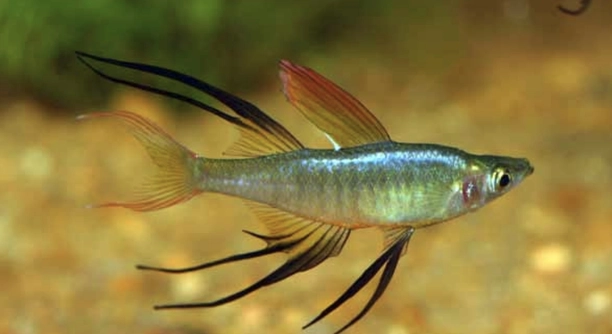
Do you enjoy keeping a variety of fish but find yourself introducing new species into your tank cautiously? Threadfins can be sensitive, and observing their behavior is essential to maintain a peaceful aquarium environment.
Threadfins may display several reactions to new tankmates, including cautious observation, hiding, increased swimming activity, mild aggression, following behavior, or temporary stress responses. Each reaction reflects their adaptation process and helps aquarists understand social compatibility within the tank.
Monitoring these behaviors is important for ensuring harmony, adjusting tank conditions, and promoting the well-being of all aquatic inhabitants. Proper observation can prevent long-term stress or conflicts.
Cautious Observation
When threadfins encounter new tankmates, they often start by observing quietly. They may hover near the tank corners, swim slowly, or pause frequently to watch the newcomers. This behavior allows them to assess whether the other fish pose a threat or can be tolerated in shared space. Threadfins are naturally wary, so this stage can last from a few hours to several days, depending on the personalities and sizes of the fish involved. Aquarists should avoid sudden movements or loud noises during this period, as additional stress can make threadfins retreat further. It is helpful to provide hiding spaces like plants, rocks, or decorations to give them a sense of security while they adjust. Gradually, as threadfins gain confidence, they may begin exploring more areas of the tank and interact in a limited way with the new tankmates. Patience and observation are key to ensuring their stress levels remain low.
Careful observation helps threadfins evaluate potential risks and gradually adapt to new tankmates while maintaining a calm environment.
Providing visual barriers or shaded areas encourages threadfins to come out of hiding, helping them feel safer around new fish and reducing stress over time.
Increased Swimming Activity
Threadfins sometimes respond to newcomers by increasing their swimming activity. They may patrol the tank more frequently, dart quickly from one end to another, or circle the new arrivals repeatedly. This behavior is often a combination of curiosity and mild territorial instinct, as the fish are checking boundaries and understanding where they fit within the tank hierarchy. Active swimming can be exhausting for threadfins, so monitoring their behavior is essential to prevent overexertion. Adjusting tank conditions like water temperature, filtration, and hiding spots can help them feel more comfortable and reduce excessive activity. Over time, as threadfins acclimate, their swimming may return to normal, and interactions with tankmates become more balanced. Some threadfins may continue occasional bursts of activity, which is natural and indicates that they are alert and aware of changes in their environment.
Tracking these patterns allows aquarists to understand stress triggers and promote harmonious cohabitation.
Observing, adjusting, and providing consistent tank conditions ensures threadfins stay healthy while adapting to new companions.
Hiding Behavior
Threadfins often hide when new tankmates are introduced. They may stay behind decorations, plants, or in corners to feel safe. This is a natural response to unfamiliar surroundings and indicates their need for security. Providing enough hiding spots can help reduce stress and prevent aggression.
Extended hiding can affect feeding habits and energy levels. Threadfins may avoid swimming in open areas and stick to secluded spaces for hours or days. Consistently checking water parameters and minimizing sudden changes helps maintain a calm environment. Some threadfins gradually emerge as they gain confidence, but patience is required. Aquarists should ensure hiding spots are adequate and distributed to allow safe exploration.
Hiding behavior is not necessarily a sign of poor health but a protective mechanism. By observing how long threadfins remain hidden and gradually encouraging interaction, aquarists can gauge their comfort level. Over time, they may venture more often, signaling adaptation to the new tankmates while maintaining a sense of security within the environment.
Mild Aggression
Threadfins may display mild aggression toward new tankmates, such as chasing, nipping, or blocking access to preferred areas. This behavior is usually short-term and linked to establishing social order and territory.
Aggression can be managed by monitoring interactions closely and providing multiple zones within the tank. Placing plants, rocks, or other decorations can reduce confrontations by giving each fish space. In some cases, rearranging tank décor temporarily can disrupt territorial behavior and prevent prolonged conflicts. Ensuring compatible species are housed together minimizes stress. Feeding multiple areas simultaneously can also reduce competition.
While mild aggression is normal, it should not result in injury or sustained stress. Observing frequency and intensity of aggressive behaviors allows aquarists to decide if intervention is needed. Adjustments like additional hiding spaces, altered feeding strategies, or temporary separation can help maintain harmony. Over time, threadfins typically establish their hierarchy, and interactions become calmer, creating a stable environment for all tank inhabitants.
Following Behavior
Threadfins may follow new tankmates around the aquarium. This behavior helps them observe and understand the newcomers’ patterns. It is common in social or curious individuals and usually decreases as they become more comfortable with their surroundings.
Following behavior can sometimes be mistaken for aggression but is often harmless. It reflects curiosity and a desire to learn about potential interactions. Providing ample space allows threadfins to follow at their own pace without stress or confrontation, ensuring a calmer tank environment.
Temporary Stress Responses
Threadfins may show temporary stress when new tankmates are introduced, including rapid gill movement, clamped fins, or erratic swimming. These reactions are typically short-lived and indicate their adjustment to new social dynamics. Monitoring these signs helps aquarists identify stress levels early. Proper tank setup, including hiding spots and stable water conditions, minimizes prolonged stress. Reducing sudden changes in feeding schedules or lighting can also help threadfins recover quickly. Over time, most threadfins adapt to their new companions, with stress indicators gradually disappearing as they establish routines and become comfortable in their environment.
Social Interaction
Threadfins engage in social interaction as they acclimate. Observing these exchanges helps gauge compatibility and comfort levels.
FAQ
How long do threadfins take to adjust to new tankmates?
Threadfins usually take several days to a few weeks to adjust to new tankmates. Adjustment time depends on the personalities of both the threadfins and the other fish, tank size, and availability of hiding spots. Observing their behavior closely during this period is important. Some threadfins may be cautious for longer, while others adapt quickly. Consistency in water parameters, feeding routines, and minimal sudden changes helps shorten adjustment time. Patience is key, as forcing interactions can increase stress and lead to aggression or prolonged hiding. Gradual acclimation ensures smoother social integration.
What signs indicate that threadfins are stressed by new tankmates?
Stress in threadfins can appear in several ways, including hiding excessively, clamped fins, rapid breathing, reduced appetite, or erratic swimming. Sudden changes in color or unusual lethargy may also indicate discomfort. Stress is usually temporary but can become harmful if prolonged. Providing hiding spaces, maintaining stable water conditions, and minimizing disturbances can reduce stress levels. Observing interactions with new tankmates allows aquarists to identify whether stress is mild or severe. Early intervention, such as temporarily separating aggressive fish or adjusting tank décor, helps prevent injury or long-term behavioral issues.
Are threadfins aggressive toward all new tankmates?
Threadfins do not show aggression toward every new tankmate. Mild aggression is typically limited to territorial behavior or establishing social hierarchy. Aggression usually decreases once the fish understand their boundaries and feel secure. Choosing compatible species reduces the likelihood of conflicts. Tank size and environmental enrichment also influence aggression levels. Providing multiple hiding spots and visual barriers encourages peaceful coexistence. Feeding fish in different areas can further reduce competition. Observing initial interactions is important to determine if aggression is serious or part of normal adjustment behavior.
How can I help threadfins feel comfortable with new tankmates?
Creating a safe environment is essential. Adding plants, rocks, or other decorations allows threadfins to retreat when needed. Keeping water parameters stable and feeding consistently reduces stress. Avoid sudden changes in lighting or noise, as threadfins are sensitive to disturbances. Gradual introduction of new fish helps them acclimate without feeling threatened. Monitoring interactions ensures that no individual fish is overly dominant. Allowing threadfins to explore at their own pace encourages natural behaviors and promotes long-term harmony. Small adjustments to tank setup or feeding routines can significantly improve comfort levels.
Should I separate threadfins if they show aggression?
Separation is recommended if aggression results in injury, constant chasing, or persistent stress. Temporary isolation allows the fish to calm down and prevents escalation. Reintroducing them gradually, with visual barriers in place, can help reduce conflicts. In many cases, aggression is short-term, and fish can safely coexist once hierarchy is established. Proper tank management, including ample space and hiding spots, minimizes the need for long-term separation. Monitoring behavior during reintegration ensures that interactions remain calm. Intervention should focus on safety and promoting natural adjustment rather than punishing the fish.
Can threadfins coexist with multiple species in the same tank?
Yes, threadfins can coexist with multiple species if the fish are compatible in size, temperament, and environmental needs. Overcrowding or incompatible species can increase stress and aggression. Providing sufficient space, hiding spots, and visual barriers reduces competition. Monitoring interactions during the initial introduction period helps identify issues early. Gradual acclimation, careful selection of tankmates, and consistent care are essential for maintaining harmony. Feeding fish in different areas prevents dominance-based competition and supports healthy growth. Observing behavioral patterns ensures that all species remain comfortable and stress-free.
How can I tell if threadfins have fully adapted to new tankmates?
Signs of adaptation include normal swimming patterns, regular feeding behavior, reduced hiding, and minimal chasing or nipping. Threadfins may interact more freely with tankmates and explore the tank without hesitation. Stable coloration and calm breathing also indicate comfort. Once adaptation is complete, fish generally establish a predictable social hierarchy and coexist peacefully. Regular observation during the first few weeks is critical to assess progress. Consistency in water conditions, feeding routines, and tank layout supports their adjustment. Minor bursts of activity or occasional following behavior may continue but are natural indicators of curiosity rather than stress.
What should I do if a threadfin refuses to eat after new fish are added?
Loss of appetite is common when threadfins are stressed or hiding. Ensure hiding spots are available and water conditions are optimal. Offer food in smaller portions and closer to their hiding areas. Maintaining a calm environment and avoiding sudden disturbances helps encourage feeding. If appetite does not return within a few days, check for health issues or consider temporary separation from aggressive tankmates. Gradual exposure to the full tank environment often restores normal feeding behavior. Observing their behavior and gently adjusting the environment supports recovery and prevents long-term health problems.
Are there specific tank setups that reduce stress for threadfins with new tankmates?
Yes, a well-structured tank helps threadfins adjust smoothly. Include plants, rocks, and decorations to provide hiding spots and visual barriers. Maintain stable water parameters, moderate lighting, and minimal disturbances. Dividing open swimming areas with structures reduces competition and stress. Proper filtration and regular maintenance ensure a healthy environment. Feeding in multiple areas prevents dominance-based conflicts. Gradual introduction of new fish with careful observation allows threadfins to explore safely. Adequate space and enrichment create a balanced environment where all species can coexist comfortably. Well-planned tank layouts support both physical and social well-being.
Can stress from new tankmates cause long-term health issues?
Prolonged stress may weaken immune systems, reduce growth, or lead to disease in threadfins. Chronic hiding or constant aggression can impact overall well-being. Early intervention through tank adjustments, separation, or environmental enrichment prevents long-term problems. Maintaining consistent care and monitoring behavior ensures threadfins recover fully. Observing appetite, activity, and coloration provides insights into their health. Reducing stressors and promoting calm interactions helps prevent chronic health issues. Supporting both social and physical needs of threadfins ensures longevity and resilience. Proper acclimation is key to minimizing long-term effects.
What is the best approach for introducing multiple new tankmates at once?
Introduce new fish gradually rather than all at once. Adding one or two at a time allows threadfins to adjust and reduces stress. Rearranging tank décor temporarily can prevent immediate territorial conflicts. Monitor behavior closely, providing additional hiding spaces if needed. Gradual introduction minimizes aggression and promotes smoother social integration. Feeding in separate areas reduces competition, and stable water parameters support overall health. By pacing introductions and observing interactions, aquarists can help threadfins and other species establish balance and coexist peacefully. Patience and careful planning are essential for long-term harmony.
How can I maintain a peaceful tank after threadfins have adjusted?
Consistently monitor behavior to ensure interactions remain calm. Maintain hiding spots, visual barriers, and adequate swimming space. Keep water parameters stable and feed multiple areas to reduce competition. Minor rearrangements of décor can refresh territory boundaries and prevent renewed aggression. Regular observation helps detect early signs of stress or conflict. Gradually introducing new species in the future should follow the same careful process. A stable environment, balanced feeding routines, and consistent care support ongoing harmony among all tank inhabitants. Regular maintenance and attention to social dynamics prevent long-term problems and stress.
What role does tank size play in threadfin adjustment?
Larger tanks provide more swimming space, hiding spots, and territory for each fish, reducing stress and conflicts. Smaller tanks increase competition and aggression, making adjustment slower and more difficult. Proper tank size supports natural behavior, social interaction, and overall health. Monitoring stocking density ensures a balanced ecosystem. Inadequate space can lead to prolonged hiding, aggression, or poor feeding habits. Optimizing tank size from the start creates an environment where threadfins and their tankmates can coexist comfortably. Proper planning prevents overcrowding and promotes long-term stability.
Are certain species better suited as tankmates for threadfins?
Yes, species that are similar in size, temperament, and environmental needs are generally better suited. Avoid overly aggressive or very small, timid fish that may trigger stress or predation behavior. Peaceful mid-sized fish that tolerate similar water parameters typically integrate smoothly. Observing interactions and providing adequate space ensures compatibility. Choosing compatible species reduces the risk of chronic stress, aggression, or injury. Proper planning and research before introducing tankmates improve the chances of a harmonious tank and promote healthy social behavior among all inhabitants.
Final Thoughts
Introducing new tankmates to threadfins requires patience, observation, and careful planning. Threadfins are naturally curious but can also be cautious, hiding or showing mild aggression when first meeting unfamiliar fish. Providing a well-structured environment with hiding spots, plants, and decorations can help reduce stress and make the transition smoother. Stable water conditions and consistent feeding routines are equally important for creating a calm environment. Each threadfin has a slightly different personality, so responses to new tankmates will vary. Some may adjust quickly, exploring the tank and interacting with others, while others may stay hidden for days. By observing their behavior and offering gentle support, aquarists can help threadfins feel safe and secure, which ultimately encourages healthy social interactions and normal daily activities such as feeding and swimming.
Mild aggression, following behavior, and temporary stress responses are typical when threadfins meet new tankmates. These behaviors are usually short-term and diminish as fish establish their social hierarchy. It is important to distinguish between normal adjustment behaviors and signs of prolonged stress or injury. Excessive hiding, lack of appetite, constant chasing, or visible physical harm indicate that intervention may be necessary. Adjusting tank décor, adding visual barriers, or temporarily separating aggressive fish can help restore balance. Gradually, threadfins usually adapt to their new companions and show more confidence in exploring the tank. Observing interactions closely and responding thoughtfully ensures that the adjustment period is safe for all fish involved. Keeping detailed notes on behavior, feeding patterns, and territorial interactions can also help aquarists track progress and make informed decisions.
Long-term harmony in the tank depends on thoughtful preparation and ongoing care. Providing enough space for swimming and retreat, selecting compatible species, and maintaining clean, stable water are essential for minimizing conflicts. Over time, threadfins typically develop routines, interact more confidently, and establish a peaceful coexistence with their tankmates. Even after adjustment, small bursts of curiosity, following behavior, or mild territorial displays may occur, but these are usually normal and not cause for concern. Patience and careful observation are key to ensuring a stable environment. By understanding threadfins’ natural behaviors and supporting them with a well-managed tank, aquarists can create a healthy, balanced community where all fish can thrive. With consistent attention and thoughtful management, threadfins and their tankmates can live comfortably together for years, maintaining both their physical health and social well-being.

Hello,
If you enjoy the content that we create, please consider saying a "Thank You!" by leaving a tip.
Every little bit helps us continue crafting quality advice that supports the health, happiness, and well-being of pets around the world, for pets of all shapes, sizes, and species.
We really appreciate the kindness and support that you show us!