
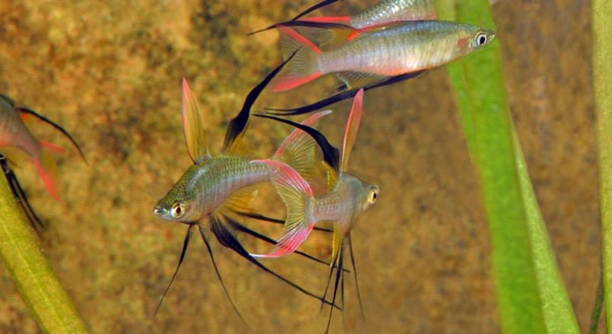
Do you ever find yourself arranging your fish tank and wondering if your threadfin rainbowfish have enough room to swim freely? These lively freshwater fish are known for their striking colors and energetic behavior in home aquariums.
Threadfin rainbowfish require a minimum of 30 gallons of swimming space for a small group of six to eight individuals. Providing sufficient horizontal space and water quality ensures their natural behavior, growth, and long-term health in captivity.
Understanding the proper space requirements can prevent stress, disease, and aggression. Proper tank planning supports the well-being of your vibrant rainbowfish.
Understanding Their Swimming Needs
Threadfin rainbowfish are active swimmers that thrive in open spaces. Unlike some smaller or slower fish, they constantly move across the tank, exploring and interacting with their environment. Crowded conditions can lead to stress, stunted growth, and unusual behaviors. Their natural habitat consists of rivers and streams with ample room, so replicating this in captivity is crucial. A tank that provides more horizontal swimming space rather than just height will make a significant difference in their comfort. Adding plants or decorations can provide hiding spots but should not restrict their movement. Monitoring their swimming patterns helps identify if they feel confined. Signs such as rapid darting, frequent collisions with tank walls, or fin damage often indicate insufficient space. Maintaining proper water quality and temperature alongside space ensures they stay healthy and display their full colors. Over time, giving them enough room supports both physical and behavioral development, allowing them to live a balanced, stress-free life.
Providing open swimming areas keeps your fish active and healthy, reducing aggression and promoting growth.
Even with proper tank dimensions, the arrangement matters. Place taller plants and decorations along the edges, leaving the center open. Avoid overcrowding with excessive ornaments. Regularly observe how the fish interact and adjust as necessary. Ensuring enough space also helps maintain water flow and circulation, which contributes to oxygenation. Horizontal space is more important than depth for their movement patterns. Groups of six to eight individuals work best, allowing natural schooling behavior. Monitoring water quality alongside space prevents illness and stress. Choosing the right tank size from the start saves complications later. Proper space enhances color intensity, activity levels, and natural behavior.
Tank Size Recommendations
A small group of threadfin rainbowfish should ideally have at least a 30-gallon tank to thrive.
For larger groups or multiple species, increasing tank size is necessary. A 50-gallon or larger tank is recommended to provide enough room for swimming, social interaction, and decorations. Adequate water volume supports stable temperature and chemical balance, reducing stress on the fish. Horizontal space should be prioritized to replicate natural swimming patterns. Schooling fish need enough room to stay together without feeling confined. Overstocking leads to territorial behavior and can cause injuries. Plants and décor should be arranged to create open swimming areas while providing hiding spots. Regular maintenance, including water changes and monitoring, ensures the tank remains suitable for their activity level. Planning ahead prevents overcrowding and keeps the fish vibrant and healthy. Proper tank size influences their growth, behavior, and lifespan, making it a critical factor for anyone keeping threadfin rainbowfish.
Ideal Tank Companions
Threadfin rainbowfish are peaceful and do well with other non-aggressive fish. Avoid large or aggressive species that may intimidate or harm them. Good companions include small danios, tetras, and other rainbowfish species that share similar water requirements.
Compatibility relies on matching activity levels and temperament. Fast-moving or territorial fish can stress threadfin rainbowfish, leading to hiding or fin damage. Keeping them with calm, schooling species encourages natural behavior and reduces stress. Monitor interactions regularly, especially when introducing new fish, to ensure a balanced social environment. Adequate space allows each species to maintain personal territory, minimizing conflict.
Adding compatible fish can enhance schooling behavior and overall tank dynamics. Careful selection promotes harmony, natural swimming patterns, and vibrant coloration, ensuring a lively and balanced aquarium ecosystem for all inhabitants.
Maintaining Water Quality
Stable water conditions are crucial for threadfin rainbowfish. Ammonia, nitrite, and nitrate levels should be monitored frequently, with regular partial water changes to maintain chemical balance.
Proper filtration is essential to keep water clean and oxygenated. A combination of mechanical and biological filtration helps remove waste and maintain a healthy environment. Consistent water temperature between 75°F and 82°F supports metabolism and immune function. Avoid sudden changes, as these can stress the fish and lead to illness. Regular testing for pH and hardness ensures conditions remain optimal for their species.
Feeding practices also affect water quality. Overfeeding can lead to excess waste, clouded water, and increased toxins. Offering controlled portions and removing uneaten food helps maintain clarity and chemical stability. Maintaining plants and decorations reduces debris accumulation and supports natural filtration. Observing water clarity and fish behavior allows early detection of problems. Prioritizing water quality ensures threadfin rainbowfish remain healthy, active, and visually vibrant, while also supporting overall tank stability.
Feeding and Nutrition
Threadfin rainbowfish thrive on a varied diet of high-quality flake, pellet food, and occasional live or frozen treats like brine shrimp. Proper nutrition supports growth, vibrant colors, and overall health.
Overfeeding can harm water quality and lead to obesity. Feed small portions two to three times daily, removing uneaten food promptly.
Monitoring Behavior
Regular observation helps identify stress, illness, or aggression. Changes in swimming patterns, appetite, or coloration may indicate problems. Prompt attention prevents minor issues from becoming serious health concerns. Maintaining a calm, stable environment encourages natural behavior and schooling.
Tank Decorations
Open swimming space is essential, but plants and decorations provide hiding spots and enrichment. Use decorations to create boundaries without overcrowding.
Lighting Requirements
Moderate lighting enhances colors and supports plant growth. Avoid overly bright conditions that can stress fish, while maintaining a consistent day-night cycle.
FAQ
How many threadfin rainbowfish should I keep together?
Threadfin rainbowfish are schooling fish and do best in groups of six to eight. Smaller numbers may become stressed or shy, while larger groups require a bigger tank to prevent overcrowding. Maintaining a balanced group encourages natural swimming patterns and reduces aggressive behavior.
What is the minimum tank size for threadfin rainbowfish?
A tank of at least 30 gallons is recommended for a small group. Horizontal swimming space is more important than depth, and larger tanks provide room for social interactions, plants, and decorations without limiting movement. Adequate water volume also ensures stable water conditions and chemical balance.
Can threadfin rainbowfish live with other fish?
Yes, they do well with peaceful, non-aggressive species that share similar water conditions. Small danios, tetras, and other rainbowfish are suitable companions. Avoid large, territorial, or aggressive fish, which can stress the rainbowfish and interfere with natural schooling behavior.
What should I feed threadfin rainbowfish?
A varied diet is ideal. High-quality flake or pellet food forms the staple, supplemented occasionally with live or frozen foods such as brine shrimp or daphnia. Feeding small portions two to three times daily prevents overfeeding and maintains water quality. Remove uneaten food promptly.
How do I maintain water quality for threadfin rainbowfish?
Regular monitoring is essential. Ammonia and nitrite levels should remain at zero, while nitrates should be kept low. Perform consistent partial water changes, use mechanical and biological filtration, and test pH and hardness regularly. Stable water temperature and proper aeration support overall fish health.
How often should I clean the tank?
Partial water changes of 20–25% every one to two weeks are recommended. Clean debris from the substrate and maintain filters according to the manufacturer’s instructions. Avoid disturbing the tank too frequently, as sudden changes can stress the fish.
What temperature and pH levels are ideal?
Threadfin rainbowfish thrive between 75°F and 82°F. pH should remain slightly alkaline, around 7.0 to 8.0. Hardness should be moderate. Maintaining stable conditions prevents stress, encourages natural behavior, and promotes vibrant colors. Sudden fluctuations can compromise health.
Do threadfin rainbowfish need plants or decorations?
Yes, plants and decorations provide hiding spots and enrich their environment. Arrange them along the edges, leaving open swimming space in the center. Overcrowding reduces movement and may lead to stress or aggression. Live plants also help maintain water quality.
How long do threadfin rainbowfish live?
With proper care, they typically live five to eight years. Adequate tank size, stable water conditions, proper nutrition, and compatible tankmates all contribute to longevity. Observing behavior and maintaining health routines help ensure they reach their full lifespan.
What signs indicate stress or illness?
Changes in swimming patterns, loss of appetite, faded coloration, or clamped fins are common indicators. Promptly checking water quality, reviewing diet, and isolating sick fish can prevent serious issues. Regular observation helps maintain a healthy and balanced aquarium.
How do I introduce new fish to the tank?
Acclimate slowly to prevent shock. Float the new fish in a bag for temperature adjustment, then gradually mix tank water into the bag before release. Monitor interactions closely for the first few days to ensure peaceful integration and reduce stress for all fish.
Can threadfin rainbowfish breed in a home aquarium?
Yes, they can spawn in captivity. Provide fine-leaved plants or spawning mops for egg laying. Remove adults after spawning to prevent egg predation. Fertilized eggs hatch in about a week, and fry should be fed small live foods or specialized fry food for proper growth.
Are threadfin rainbowfish prone to diseases?
They are generally hardy but can be affected by common freshwater diseases if stressed or kept in poor water conditions. Ich, fin rot, and bacterial infections may occur. Maintaining clean water, balanced nutrition, and observing behavior early reduces the risk of illness.
How much space do they need to swim freely?
Horizontal space is crucial. Each fish should have enough room to move without frequent collisions. A small group requires at least 30 gallons, and larger groups need proportionally bigger tanks. Proper spacing supports schooling, reduces aggression, and encourages natural activity.
Can I keep them in a planted tank?
Yes, planted tanks work well. Use moderate-density planting to provide hiding spaces without restricting swimming. Plants also help stabilize water parameters, offer enrichment, and contribute to a more natural and visually appealing environment.
Do they require special lighting?
Moderate lighting is sufficient. It highlights their colors and supports plant growth. Avoid excessively bright lighting, which can stress the fish. Maintaining a consistent day-night cycle supports natural behavior and overall well-being.
How do I handle tank maintenance without stressing the fish?
Perform gradual water changes, clean filters without removing beneficial bacteria, and avoid sudden temperature or chemical shifts. Observing the fish during maintenance helps detect any stress signs early. A stable routine benefits both the fish and the aquarium ecosystem.
Can they tolerate temperature fluctuations?
Threadfin rainbowfish prefer stable temperatures. Sudden changes can cause stress, reduced immunity, and disease susceptibility. Using a reliable heater and monitoring daily ensures consistency. Gradual adjustments, if necessary, help prevent negative effects on behavior and health.
Is overcrowding a serious concern?
Yes, overcrowding leads to stress, aggression, and water quality issues. Sufficient swimming space and appropriate group sizes prevent these problems. Proper planning and monitoring tank population are essential for maintaining healthy, active, and colorful rainbowfish.
What is the best way to monitor their health?
Regular observation is key. Watch for changes in behavior, coloration, or appetite. Test water parameters frequently and maintain proper feeding and tank cleaning schedules. Early detection of issues allows quick intervention, ensuring the fish remain healthy and vibrant.
Final Thoughts
Threadfin rainbowfish are active, colorful fish that bring energy and life to any aquarium. Their natural behavior and vibrant appearance make them popular among freshwater fish keepers. Understanding their needs, especially the space required for swimming and social interaction, is essential for maintaining a healthy tank. Providing adequate tank size, compatible companions, and proper nutrition ensures these fish can thrive and display their full colors. Observing their behavior regularly helps identify any issues early, allowing for quick adjustments to their environment. Stress, illness, and aggression are often the result of overlooked tank conditions, so careful planning and attention are key.
Maintaining stable water quality is another critical factor in keeping threadfin rainbowfish healthy. Regular testing for ammonia, nitrites, and nitrates, along with consistent partial water changes, prevents the buildup of harmful chemicals. Filtration, temperature control, and pH stability all contribute to creating a safe and comfortable environment. Overfeeding can lead to excess waste, which not only affects water quality but also the fish’s health. By offering a varied diet in controlled portions and removing uneaten food, owners can support proper growth, vibrant coloration, and natural behavior. Decorations and plants should be arranged to allow free swimming while providing hiding spots, enriching their environment without overcrowding.
Finally, threadfin rainbowfish benefit from careful planning and observation. Choosing appropriate tankmates, providing open swimming areas, and maintaining a moderate lighting schedule all support their well-being. Acclimating new fish slowly and monitoring interactions reduces stress and ensures peaceful coexistence. Healthy water conditions, proper nutrition, and a balanced environment encourage natural behavior and schooling, leading to happier, longer-living fish. Taking the time to understand their needs and making thoughtful adjustments to the tank can create a thriving aquarium where threadfin rainbowfish flourish. Observing their activity, responding to changes in behavior, and maintaining regular care routines help sustain their health and enhance the enjoyment of keeping these lively, colorful fish.

Hello,
If you enjoy the content that we create, please consider saying a "Thank You!" by leaving a tip.
Every little bit helps us continue crafting quality advice that supports the health, happiness, and well-being of pets around the world, for pets of all shapes, sizes, and species.
We really appreciate the kindness and support that you show us!