
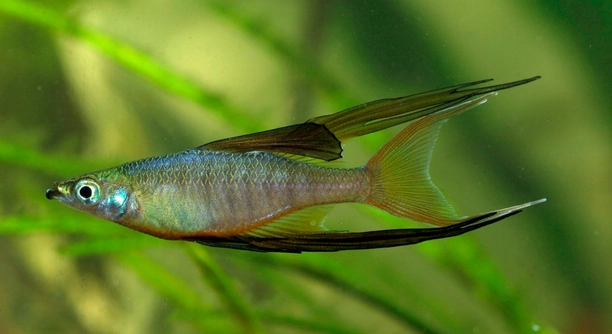
Do you enjoy keeping a colorful aquarium but find it challenging to maintain your fish’s well-being each day? Threadfin Rainbowfish are lively and delicate, needing consistent care to thrive in a home environment.
Maintaining the happiness of Threadfin Rainbowfish involves providing clean water, balanced nutrition, regular feeding, appropriate tank conditions, social interaction, and environmental enrichment. Consistency in these daily habits supports their health, reduces stress, and encourages natural behavior patterns.
Proper daily care ensures your fish remain vibrant and active. Observing their responses to routines will deepen your understanding and strengthen your aquarium management skills.
Provide a Balanced Diet
Threadfin Rainbowfish thrive on a diet that combines high-quality flakes, pellets, and occasional live or frozen foods. Including a variety of proteins and plant matter ensures they receive essential nutrients for growth and coloration. Feeding small portions two to three times daily prevents overfeeding, which can lead to water quality issues and digestive problems. Vegetables like blanched spinach or zucchini can be offered weekly to supplement vitamins and fiber. Observing how your fish respond to different foods helps you adjust portions and frequency. Avoid sudden changes in diet, as this can stress them and reduce appetite. Rotating protein sources, such as daphnia or brine shrimp, keeps their meals interesting while supporting muscle development and energy levels. A consistent feeding schedule reinforces their natural rhythm, helping maintain active swimming behavior and interaction with tank mates. Paying attention to their food intake also allows early detection of illness, as reduced appetite is often a first sign of stress or disease in Threadfin Rainbowfish.
A balanced diet promotes vibrant colors and steady growth. Healthy nutrition reduces stress and supports long-term activity and immunity.
Small, frequent feedings improve digestion and keep water clean. Maintaining dietary variety is essential for overall fish health and well-being.
Maintain Clean Water Conditions
Regular water changes are crucial for keeping Threadfin Rainbowfish healthy. Removing 20–25% of tank water weekly helps eliminate waste, uneaten food, and harmful chemicals. Testing water parameters, including pH, ammonia, nitrite, and nitrate, ensures the environment remains stable. A reliable filtration system is essential to remove impurities and circulate oxygen. Avoid overcrowding, as excess fish can stress the group and worsen water quality. Cleaning decorations, substrate, and tank walls prevents algae buildup and maintains aesthetic appeal. Using dechlorinated water protects sensitive fish from chemical exposure. Observing fish behavior after water changes can reveal early signs of discomfort or stress. Tank heaters or chillers should be monitored to maintain consistent temperatures suitable for Threadfin Rainbowfish. Gentle water flow prevents agitation and supports natural swimming patterns. Consistency in cleaning routines minimizes fluctuations that can affect their immune system. Incorporating live plants helps absorb excess nutrients and enhances oxygenation, creating a more stable ecosystem. By establishing these habits, you ensure a safer, healthier environment that allows your fish to thrive.
Clean water is vital for fish health. Stable conditions reduce stress, prevent disease, and encourage natural behavior.
Provide Adequate Space
Threadfin Rainbowfish need enough swimming space to stay active and reduce stress. A crowded tank can lead to aggression and stunted growth.
A tank of at least 30 gallons is recommended for a small group. Providing open swimming areas along with hiding spots allows them to explore and retreat when necessary. Vertical plants or low decorations help create shelter without restricting movement. Ensuring the tank is not overcrowded promotes better water quality and reduces competition for resources. Proper spacing also encourages natural schooling behavior and social interactions, which are essential for their mental well-being. Observing their movement patterns helps identify if the environment is comfortable or if adjustments are needed. Over time, maintaining adequate space improves activity levels, coloration, and overall health, making the aquarium visually appealing and enjoyable to observe.
When arranging the tank, balance open swimming areas with safe hiding spots. Adjust decorations to prevent territorial disputes and encourage natural behavior.
Monitor Social Behavior
Threadfin Rainbowfish are social and prefer to live in groups. Keeping at least six ensures healthy interaction and reduces stress from isolation.
Observe interactions to prevent bullying or dominance issues. Aggressive fish can be temporarily separated to maintain harmony. Social dynamics change as fish grow, so regular observation is key. Signs of stress include hiding, loss of color, or reduced appetite. Adjusting the number of fish or rearranging tank decorations can help diffuse conflicts and provide neutral spaces. Encouraging schooling behavior by leaving ample open swimming areas supports cohesion and natural instincts.
A harmonious group improves activity, feeding, and overall health. Monitoring social behavior daily allows early intervention and ensures every fish remains comfortable and engaged in the tank.
Maintain Proper Temperature
Threadfin Rainbowfish require a stable temperature between 74°F and 78°F. Sudden fluctuations can stress them and weaken their immune system.
Using a reliable heater and thermometer ensures the water stays within this range. Consistent monitoring helps prevent temperature-related health issues.
Enrich the Environment
Adding live plants, smooth rocks, and driftwood creates stimulation and hiding spots. Varied textures encourage natural exploration and reduce boredom.
A well-structured environment supports mental well-being and promotes natural behaviors like foraging and schooling. Rotating decorations occasionally keeps the habitat interesting without disrupting the fish.
Observe Daily Health
Check for unusual behavior, faded colors, or rapid gill movement. Early detection of illness allows prompt intervention.
FAQ
How often should I feed Threadfin Rainbowfish?
Threadfin Rainbowfish do best when fed two to three small meals daily. Overfeeding can cause water quality issues and digestive problems. Offer a mix of flakes, pellets, and occasional live or frozen foods to ensure they receive adequate nutrients. Observe their appetite and adjust portions if leftovers remain. Small, consistent feedings maintain energy levels, reduce stress, and help preserve vibrant coloration.
What tank size is suitable for a group?
A minimum of 30 gallons is recommended for a small group of six or more. Adequate space prevents aggression, supports schooling behavior, and helps maintain water quality. Include open swimming areas and some hiding spots. Avoid overcrowding, as this increases stress, stunts growth, and may lead to disease outbreaks. Monitoring their activity can indicate if the space is sufficient or if adjustments are needed.
How important is water quality for these fish?
Water quality is critical. Threadfin Rainbowfish are sensitive to ammonia, nitrites, and nitrate spikes. Weekly water changes of 20–25% remove waste and keep conditions stable. Filtration, dechlorinated water, and regular testing of pH, temperature, and hardness are essential. Stable water conditions reduce stress, encourage natural behavior, and minimize illness. Live plants can assist by absorbing excess nutrients and maintaining oxygen levels.
Can Threadfin Rainbowfish live with other species?
They are generally peaceful but do best with other non-aggressive fish of similar size. Avoid large or aggressive tank mates that may intimidate or harm them. Introducing compatible species gradually and observing interactions ensures a harmonious environment. Schooling fish thrive with a consistent group and sufficient space, while mixed tanks require careful attention to behavior and territory. Proper observation prevents conflicts and promotes overall well-being.
What signs indicate stress or illness?
Signs include faded colors, erratic swimming, hiding, loss of appetite, or rapid gill movement. Early detection is vital for treatment. Adjusting water conditions, separating aggressive tank mates, and monitoring diet can help. Regular observation allows for timely intervention, minimizing long-term health issues. Maintaining consistent temperature, clean water, and a balanced diet prevents many common problems.
How do I encourage natural behavior?
Provide hiding spots, live plants, smooth rocks, and driftwood. These elements allow exploration and support natural foraging. Open swimming areas encourage schooling and social interaction. Occasionally rearranging decorations stimulates curiosity without causing stress. Environmental enrichment improves mental well-being and physical health. Observing their activity shows which areas they favor and helps optimize the tank layout.
How can I maintain coloration and vitality?
Balanced nutrition, stable water conditions, and consistent temperature contribute to bright colors and active behavior. Protein-rich foods and occasional vegetables enhance growth and energy. Avoid sudden environmental changes, as stress can dull colors and reduce activity. Providing adequate space and social interaction also supports natural vibrancy and overall well-being.
How often should I perform tank maintenance?
Weekly partial water changes, regular filter cleaning, and monitoring of temperature and water chemistry are essential. Remove algae from tank walls and decorations as needed. Observing fish behavior during maintenance ensures any issues are detected early. Consistent routines prevent fluctuations that can stress fish and support a stable, healthy habitat.
Is lighting important for Threadfin Rainbowfish?
Moderate lighting mimics natural conditions and supports plant growth. Avoid intense, prolonged light, which can stress fish. A regular day-night cycle of 10–12 hours of light promotes natural activity patterns and coloration. Observing their behavior under different lighting can help optimize comfort and visibility in the tank.
What is the ideal social group size?
At least six individuals are recommended. Larger groups encourage natural schooling behavior, reduce stress, and discourage aggression. Small groups or solitary fish may become timid, less active, or stressed. Maintaining a proper social structure is crucial for health, vitality, and engagement with the environment.
How do I prevent common diseases?
Stable water quality, balanced nutrition, and appropriate tank mates reduce disease risks. Quarantine new fish before introduction and monitor all inhabitants regularly. Avoid overcrowding and sudden changes in temperature or pH. Early recognition of symptoms like color fading, lethargy, or labored breathing allows prompt treatment, minimizing spread.
Can I keep them in a planted tank?
Yes, live plants enhance oxygen levels, reduce excess nutrients, and provide shelter. They support natural behavior and make the environment visually appealing. Choose non-toxic plants, and ensure adequate light and nutrient levels. Plants also help maintain stable water conditions, supporting long-term health.
What maintenance tools are recommended?
A reliable thermometer, water test kits, dechlorinator, siphon for water changes, and gentle cleaning brushes are essential. A good filtration system and optional heater ensure stable conditions. Using the right tools simplifies maintenance, reduces stress on the fish, and promotes a healthy tank ecosystem.
How do I handle fish safely?
Avoid frequent handling, as it stresses Threadfin Rainbowfish. Use nets gently only when necessary. Minimize direct contact with hands to reduce risk of injury or disease transmission. Observing fish in the tank is usually sufficient for monitoring health and behavior.
How long do Threadfin Rainbowfish typically live?
With proper care, they can live up to five years. Lifespan depends on diet, water quality, tank conditions, and social stability. Maintaining consistent daily habits ensures longevity, vibrant colors, and active behavior throughout their life.
What temperature fluctuations are safe?
Keep temperature between 74°F and 78°F. Sudden drops or spikes can weaken their immune system. Using a reliable heater and monitoring regularly prevents stress-related issues. Gradual adjustments are tolerated, but abrupt changes should be avoided to maintain health.
How often should I check water parameters?
Weekly testing of pH, ammonia, nitrite, and nitrate is recommended. Frequent monitoring detects early problems and helps maintain stable conditions. Keeping records can track trends and ensure interventions are timely. Stable water chemistry is essential for growth, coloration, and overall well-being.
What is the best diet rotation schedule?
Alternate between high-quality flakes, pellets, and live or frozen foods. Introduce vegetables weekly to provide fiber and vitamins. Rotating protein sources prevents nutritional deficiencies and keeps meals interesting. Observe their responses to foods to adjust portions and maintain appetite.
Are they sensitive to tank decorations?
They prefer smooth, rounded decorations without sharp edges. Avoid overcrowding the tank with too many objects, as this can reduce swimming space and stress fish. Properly placed plants, rocks, and driftwood provide enrichment and hiding spots without causing harm.
Can lighting affect breeding behavior?
Moderate, consistent lighting encourages natural activity and can support breeding instincts. Maintaining a regular day-night cycle and suitable tank conditions increases the likelihood of spawning while reducing stress on the group.
How do I recognize a healthy Threadfin Rainbowfish?
Bright colors, active swimming, regular schooling behavior, consistent appetite, and smooth gill movement indicate good health. Observing behavior daily helps detect subtle changes. Maintaining proper care routines ensures longevity, vitality, and a thriving aquarium.
What is the best approach to introduce new fish?
Quarantine new additions for two weeks before adding them to the main tank. Introduce gradually to minimize stress and monitor interactions closely. Proper acclimation prevents disease transmission and ensures a harmonious social environment.
How important is daily observation?
Daily observation allows early detection of health or behavioral issues. Noticing subtle changes in swimming patterns, appetite, or color helps prevent problems from escalating. Regular attention ensures the fish remain active, healthy, and comfortable in their environment.
Can Threadfin Rainbowfish tolerate slightly different water conditions?
They are somewhat adaptable but prefer stable conditions. Minor fluctuations may be tolerated briefly, but frequent or extreme changes cause stress. Maintaining consistent temperature, pH, and water quality is essential for long-term health.
How do I reduce aggression in the tank?
Provide enough space, hiding spots, and appropriate group sizes. Rearranging decorations and separating aggressive individuals temporarily can help. Maintaining consistent social structures reduces stress and promotes peaceful interaction among tank mates.
Are they suitable for beginner fish keepers?
They are moderately easy to care for but require consistent attention to water quality, diet, and social needs. Beginners with patience and routine maintenance can successfully keep Threadfin Rainbowfish healthy and active. Proper preparation and observation are key.
What are common signs of boredom or stress?
Lethargy, hiding excessively, loss of color, or erratic swimming can indicate boredom or stress. Environmental enrichment, social groups, and proper tank conditions help maintain mental stimulation and overall well-being.
Can they live in cold water tanks?
No, they require tropical conditions. Temperatures below 74°F reduce metabolism, stress the fish, and increase susceptibility to disease. Maintaining the recommended range ensures vitality and proper growth.
How should I clean the tank without harming fish?
Perform partial water changes, clean decorations gently, and avoid harsh chemicals. Remove debris with a siphon and maintain filtration. Ensure water added is dechlorinated and at the correct temperature to prevent stress.
How long does it take to notice improvements after adjustments?
Behavioral and coloration changes may be visible within a few days to weeks. Consistent care routines, stable water, and proper diet gradually restore vitality and activity levels. Patience is essential, as sudden changes can cause further stress.
Are live plants better than artificial ones?
Live plants offer oxygenation, nutrient absorption, and hiding spots, promoting natural behavior. Artificial plants provide aesthetics but lack environmental benefits. A combination may be used for practicality, but live plants support a healthier, more stimulating habitat.
How often should I check for algae?
Weekly inspection is sufficient. Remove excessive growth from walls, substrate, and decorations. Moderate algae is normal and can provide grazing opportunities, but uncontrolled buildup affects water quality and tank appearance.
Is it necessary to rotate decorations?
Occasional rearrangement encourages exploration and mental stimulation. Avoid frequent changes that stress the fish. Small adjustments can enhance interest without disrupting social dynamics or swimming patterns.
What’s the recommended school size for best behavior?
At least six individuals are ideal. Larger groups reduce stress, encourage natural schooling, and prevent loneliness. Small groups may lead to timid behavior or aggression, while proper social structures support health and activity.
How do I maintain proper oxygen levels?
Use a filter that provides water movement and surface agitation. Live plants also enhance oxygenation. Avoid overcrowding, and monitor fish behavior for signs of low oxygen, such as rapid gill movement or lethargy.
Can Threadfin Rainbowfish be kept with bottom dwellers?
Yes, peaceful bottom dwellers like Corydoras or small loaches are compatible. Ensure they do not compete aggressively for food. Proper spacing and hiding areas maintain harmony between different levels of the tank.
How do I handle disease outbreaks?
Quarantine affected fish, improve water quality, and follow treatment protocols specific to the condition. Prompt action prevents spread and minimizes long-term damage. Consistent observation helps catch symptoms early.
Are there specific seasonal care considerations?
Maintain stable temperature year-round, even during seasonal fluctuations. Avoid sudden changes in lighting or water chemistry. Seasonal variations should not disrupt routines, as stability is key to health and activity.
How can I reduce water temperature fluctuations?
Use a reliable heater, monitor daily, and avoid placing the tank near drafts or direct sunlight. Gradual adjustments are safer than abrupt changes to maintain stability. Consistent temperature supports immunity, appetite, and overall behavior.
Do they need a special substrate?
Fine gravel or sand works best. Avoid sharp or rough materials that could injure delicate fins. A suitable substrate supports plant growth, natural foraging, and prevents injury while maintaining a visually appealing tank.
What is the best method for introducing plants?
Plant gradually to prevent stress and maintain water quality. Use non-toxic species, and ensure proper lighting and nutrients. Anchoring plants securely avoids uprooting during fish activity and provides safe hiding spots.
How do I encourage breeding behavior?
Provide stable water conditions, moderate lighting, a varied diet, and sufficient space. Live plants or spawning mops offer suitable surfaces for egg deposition. Observing social interactions can indicate readiness for spawning. Maintaining these conditions increases the likelihood of successful breeding.
What is the best way to acclimate new fish?
Float the bag in the tank for 15–20 minutes to equalize temperature. Gradually mix small amounts of tank water into the bag over 30–60 minutes. Then gently release fish to minimize stress. Proper acclimation reduces shock and promotes smooth integration.
How long should quarantine last?
A two-week quarantine period is recommended. Monitor for signs of illness, treat if necessary, and ensure fish adjust before introducing them to the main tank. Quarantine prevents disease transmission and ensures compatibility.
Are they prone to fin damage?
They can injure fins on sharp decorations or during aggression. Providing smooth surfaces, avoiding overcrowding, and monitoring social dynamics reduces risk. Healthy water and diet also support fin regeneration.
What is the ideal pH range?
Maintain pH between 6.8 and 7.5. Sudden shifts outside this range stress the fish and can affect health. Consistent monitoring and adjustments prevent long-term problems. Stable pH supports digestion, activity, and coloration.
How do I prevent overfeeding?
Feed small portions that fish can consume within two minutes. Observe leftovers and adjust accordingly. Excess food decomposes, affecting water quality and increasing risk of disease. Controlled feeding maintains health and water stability.
Are they sensitive to light intensity?
Moderate lighting is ideal. Excessive brightness can stress fish, while low light reduces activity. A 10–12 hour day-night cycle mimics natural conditions and supports consistent behavior.
Can they live in tanks with strong currents?
Strong currents are stressful. They prefer gentle water flow that allows comfortable swimming without exhausting energy. Filtration systems should provide circulation without creating turbulence.
How do I identify healthy social interactions?
Schooling, synchronized swimming, and minimal chasing indicate harmony. Aggression, hiding, or isolation suggests imbalance. Adjust group size or tank layout to promote positive interactions. Observing behavior helps maintain a peaceful, healthy environment.
What is the ideal water hardness?
Maintain moderate hardness between 50–150 ppm. Extreme softness or hardness can affect osmoregulation and stress fish. Monitoring and adjusting as needed supports growth, coloration, and vitality.
How often should I inspect equipment?
Check heaters, filters, and lights weekly. Malfunctioning equipment can quickly affect water conditions. Consistent inspection ensures stability and prevents stress or health problems.
Can Threadfin Rainbowfish tolerate occasional fasting?
A single day without food is generally safe. Regular fasting should not replace consistent feeding, as they rely on daily nutrients. Fasting can help regulate digestion but must be limited to avoid stress.
How do I prevent algae overgrowth?
Control lighting, avoid overfeeding, and maintain water quality. Live plants absorb nutrients that promote algae growth. Regular cleaning and moderation prevent excessive accumulation while supporting a healthy tank environment.
What signs indicate a need for water change?
Cloudy water, foul odor, increased nitrate levels, or stressed fish indicate the need for partial water changes. Regular monitoring ensures stable conditions and supports overall health.
Are there any plants they avoid?
Threadfin Rainbowfish do not specifically avoid plants but may uproot delicate species during swimming. Secure plants and choose hardy species that tolerate moderate activity.
How long should lighting cycles last?
Maintain 10–12 hours of light daily. Consistent cycles encourage natural activity, feeding, and coloration. Sudden changes can stress fish or disrupt behavior patterns.
Do they need additional supplements?
Occasional vitamins or live food supplements can enhance health, growth, and color. A balanced diet with varied proteins and vegetables usually meets most nutritional needs without over-supplementation.
Can they tolerate slightly acidic water?
Slightly acidic water within their pH range is acceptable. Extreme acidity stresses fish and can damage skin and fins. Monitoring and adjustment prevent long-term health issues.
What is the best method to treat minor injuries?
Isolate injured fish if necessary, maintain clean water, and apply appropriate topical or water treatments. Prevent further stress and monitor healing closely. Maintaining hygiene reduces infection risk and promotes recovery.
Are they compatible with shrimp or snails?
Peaceful shrimp and snails are generally compatible. Avoid very small or delicate species that may be eaten. Providing hiding spots ensures coexistence and reduces predation risks.
How do I reduce sudden environmental stress?
Avoid abrupt water changes, lighting shifts, or aggressive tank mates. Gradual adjustments and a stable environment reduce stress, supporting immune function and behavior. Observing fish during transitions helps ensure comfort and safety.
What is the recommended flow rate for the tank?
Gentle to moderate flow allows comfortable swimming without exhausting fish. Strong currents cause stress and disrupt schooling behavior. Adjust filter output to maintain optimal conditions.
Can Threadfin Rainbowfish tolerate small fluctuations in pH?
Minor, brief fluctuations are tolerated, but frequent or large changes stress the fish. Maintaining stable water chemistry is essential for health, coloration, and behavior. Gradual adjustments are safer than abrupt shifts.
How do I maintain consistent feeding routines?
Feed at the same times daily, using measured portions. Observe fish consumption to avoid overfeeding. Consistency supports digestion, energy levels, and behavior while preventing water quality issues.
Are they affected by seasonal temperature changes?
Yes, sudden drops or rises in temperature can stress them. Using a heater and monitoring daily ensures stable tropical conditions year-round. Gradual adjustments are safer than abrupt changes.
What is the best way to acclimate to new tank water?
Float the fish in its transport bag to equalize temperature, then gradually add small amounts of tank water over 30–60 minutes. This prevents shock and allows smooth integration.
How do I handle aggressive behavior in a group?
Separate aggressive individuals temporarily, provide hiding spots, and ensure adequate space. Adjusting tank layout or group size reduces stress and restores harmony. Consistent monitoring maintains social balance.
Can they tolerate slightly lower oxygen levels?
They are sensitive to low oxygen. Ensure sufficient water movement and aeration, especially in densely stocked tanks. Signs of low oxygen include rapid gill movement and lethargy. Prompt action prevents stress and health issues.
How do I support fin regeneration?
Maintain clean water, provide balanced nutrition, and minimize stress. Avoid sharp decorations or aggressive tank mates that can worsen injuries. Observing behavior ensures recovery is progressing.
Are they suitable for community tanks?
Yes, with peaceful species of similar size. Avoid aggressive or much larger fish. Proper tank arrangement, hiding spots, and careful monitoring support harmonious cohabitation.
What is the ideal water change schedule?
Partial water changes of 20–25% weekly maintain water quality and stability. Regular maintenance reduces waste accumulation, supports health, and prevents stress-related illness. Monitoring fish behavior ensures proper timing and effectiveness.
Do they require a specific type of filtration?
Moderate filtration is sufficient, providing gentle water movement and mechanical, biological, and chemical filtration
Final Thoughts
Threadfin Rainbowfish are lively, colorful fish that respond well to consistent care and attention. Their health and happiness depend on a combination of proper diet, stable water conditions, and a thoughtfully arranged environment. Providing a balanced diet with a mix of flakes, pellets, and occasional live or frozen foods ensures that they receive the essential nutrients needed for growth and vibrant coloration. Small, frequent feedings help prevent overfeeding, which can negatively affect water quality and lead to digestive issues. Observing how your fish respond to their meals allows you to adjust portions and food types to suit their preferences and nutritional needs. Maintaining variety in their diet also supports energy levels, encourages natural foraging behavior, and keeps their immune systems strong. Consistency in feeding routines helps the fish develop a natural rhythm, which contributes to their overall well-being and reduces stress. Over time, these daily habits contribute to a healthy, active aquarium that is enjoyable to watch.
Water quality is one of the most critical factors in maintaining Threadfin Rainbowfish. Regular water changes, typically 20–25% weekly, help remove waste, uneaten food, and harmful chemicals while keeping the tank environment stable. Testing water parameters such as pH, ammonia, nitrite, and nitrate ensures that conditions remain safe and consistent. Threadfin Rainbowfish are sensitive to sudden changes in temperature, water chemistry, or light, so keeping these factors stable reduces stress and the risk of illness. Filtration is essential not only for removing impurities but also for circulating oxygen, which supports healthy gill function and overall activity. Live plants and thoughtful decoration placement can assist with oxygenation, provide hiding spots, and encourage natural behavior. Observing your fish regularly allows you to detect early signs of stress, such as color fading, hiding, or irregular swimming. By maintaining clean water and a stable environment, you ensure that your fish remain vibrant, active, and capable of exhibiting their natural behaviors, which is the foundation of a thriving aquarium.
Equally important is providing a social and stimulating environment. Threadfin Rainbowfish are schooling fish and thrive in groups, so keeping at least six individuals encourages natural schooling behavior, reduces stress, and prevents aggression. Adequate swimming space, combined with open areas and safe hiding spots, supports exploration and social interaction. Environmental enrichment, such as live plants, smooth rocks, and driftwood, encourages activity and curiosity, while occasional rearrangement keeps the tank interesting without causing stress. Monitoring social interactions daily allows you to address any aggression or isolation issues promptly. Consistent care routines, stable water conditions, proper nutrition, and attention to social dynamics all contribute to the long-term health and happiness of Threadfin Rainbowfish. With patience and observation, these fish can thrive in a home aquarium, displaying vibrant colors, energetic schooling behavior, and overall vitality that reflects the care they receive. By focusing on these fundamental aspects, you can create an environment where your Threadfin Rainbowfish remain healthy, active, and content throughout their lives.

Hello,
If you enjoy the content that we create, please consider saying a "Thank You!" by leaving a tip.
Every little bit helps us continue crafting quality advice that supports the health, happiness, and well-being of pets around the world, for pets of all shapes, sizes, and species.
We really appreciate the kindness and support that you show us!