
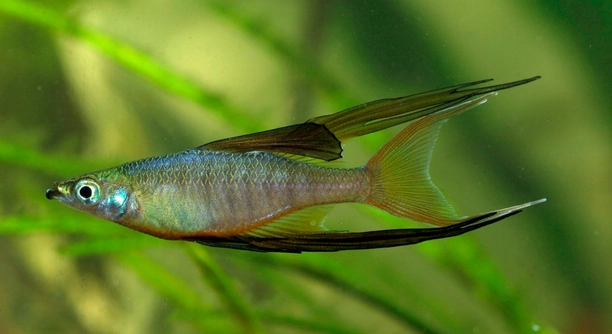
Have you ever set up a peaceful aquarium and wondered if your colorful threadfin rainbowfish can live alongside your delicate freshwater shrimp without issues?
Threadfin rainbowfish can share tanks with shrimp, but caution is necessary. While they are generally peaceful, their natural curiosity may lead them to nip at or eat very small shrimp, especially baby shrimp, if not properly managed.
Balancing the needs of both species is possible, and knowing the right conditions can help create a thriving environment for your aquatic companions.
Understanding the Behavior of Threadfin Rainbowfish
Threadfin rainbowfish are peaceful community fish known for their gentle nature and striking appearance. They thrive in planted tanks and prefer to swim in groups, which helps them feel secure. Although they are not aggressive, their curiosity can sometimes extend to smaller tank mates. Shrimp, especially young ones, may catch their attention as potential snacks. This behavior does not make them unsuitable tank companions, but it does highlight the importance of thoughtful planning. When tanks are well-structured with hiding spaces, shrimp can avoid unwanted attention, creating a balanced setup. Ensuring both species’ needs are met supports harmony.
Tank conditions can strongly influence how threadfin rainbowfish interact with shrimp. A tank with dense plants, moss, and driftwood provides natural hiding spots, reducing stress for shrimp.
Even though rainbowfish may show interest in small shrimp, the risk decreases when the shrimp have safe spaces. Aquascaping plays a significant role.
Creating a Safe Environment for Shrimp
Shrimp thrive when tanks offer hiding places, clean water, and stable conditions. Without these elements, they are more vulnerable to stress and predation.
To keep shrimp safe with threadfin rainbowfish, aquascaping is key. Plants such as java moss, ferns, and floating plants give shrimp natural cover. Hardscape features like rocks and driftwood also create safe zones where shrimp can escape if fish approach. A tank size of at least twenty gallons allows both species enough space, reducing crowding. Consistent water parameters are important because shrimp are sensitive to sudden changes, which can lead to stress or even death. Adding leaf litter not only offers hiding areas but also supports biofilm growth, a natural food source for shrimp. By combining these strategies, shrimp and threadfin rainbowfish can comfortably share the same tank without constant risk. This thoughtful balance makes for a more active and healthy aquarium community.
Feeding Considerations
Feeding both species properly reduces stress and competition. Threadfin rainbowfish eat small flakes, micro pellets, and live foods, while shrimp prefer biofilm, algae, and sinking pellets. Balanced feeding ensures each species gets what it needs without creating conflict or shortages.
Threadfin rainbowfish are mid-water feeders, and they actively search for food that floats or slowly sinks. Shrimp, however, scavenge along the substrate, feeding on leftovers, algae, and specialized shrimp pellets. By feeding fish first with floating or slow-sinking options, you can ensure shrimp are left with food near the bottom. This method prevents direct competition and allows both species to feed comfortably in their natural zones. Offering occasional blanched vegetables like zucchini or spinach can also provide shrimp with extra nutrition while keeping them engaged.
It is important to avoid overfeeding since leftover food can decay and affect water quality. Poor conditions stress shrimp quickly, and they are less tolerant than rainbowfish. Feeding small amounts several times a day is better than one large portion. This method prevents waste and ensures all food is eaten within minutes. Using feeding dishes for shrimp can also help reduce mess while keeping track of what they consume. Careful feeding practices support long-term tank harmony.
Tank Maintenance Practices
Clean water is essential for shrimp survival, and threadfin rainbowfish also thrive in stable, well-maintained tanks. Regular care reduces stress for both. Frequent water testing ensures parameters remain within safe ranges for sensitive shrimp while still suiting the fish.
Weekly water changes of around twenty to thirty percent keep the tank balanced and prevent harmful buildup. Always treat new water with dechlorinator before adding it. Using a sponge filter or pre-filter sponge is helpful since shrimp can be injured by strong intakes. Avoid sudden shifts in temperature, pH, or hardness because shrimp respond poorly to rapid changes. Gentle siphoning when cleaning helps remove debris without disturbing shrimp hiding in plants or crevices. A planted aquarium also stabilizes water by absorbing excess nutrients. Consistent maintenance routines create a safe and stress-free environment where both threadfin rainbowfish and shrimp remain active and healthy, reducing long-term risks.
Choosing the Right Tank Mates
Avoid pairing shrimp with aggressive or larger fish, as they may hunt or stress them. Threadfin rainbowfish are safer companions, but peaceful bottom dwellers like corydoras or otocinclus also make good tank mates without disturbing shrimp.
Keeping the tank community calm reduces stress and ensures shrimp can thrive. Fish that constantly chase or nip will limit shrimp activity. Selecting species with similar care needs and gentle temperaments makes it easier to maintain a balanced, active, and healthy aquarium environment.
Breeding Concerns
Shrimp can breed in tanks with threadfin rainbowfish, but baby shrimp face risks. Rainbowfish may eat the fry if hiding spaces are lacking. Providing moss, dense plants, and fine structures helps protect young shrimp. Extra food also encourages fry survival by reducing fish interest in hunting.
Signs of Stress
Shrimp showing pale colors, hiding constantly, or dying suddenly may be under stress. Threadfin rainbowfish chasing or nipping can be a cause. Identifying problems early helps maintain balance and prevent long-term issues in the shared aquarium.
FAQ
Can adult threadfin rainbowfish harm shrimp?
Yes, adult threadfin rainbowfish are generally peaceful, but their curiosity can lead them to nip at or eat smaller shrimp, especially juveniles. Providing dense plants, moss, and hiding areas reduces these incidents. Ensuring plenty of food also helps prevent unwanted attention toward shrimp.
Do shrimp need special hiding spots in a rainbowfish tank?
Absolutely. Shrimp feel safer when they have places to retreat. Moss, ferns, and driftwood create natural hiding spaces. Floating plants can also diffuse light and reduce stress. Hiding spots are particularly important for baby shrimp, which are more vulnerable to being eaten.
Will feeding shrimp and rainbowfish separately help?
Feeding both species separately can reduce competition and stress. Floaters or slow-sinking pellets for rainbowfish allow them to eat in mid-water, while shrimp can focus on food near the substrate. Small, frequent feedings are better than large portions. Occasional blanched vegetables also supplement shrimp diets.
How big should the tank be for both species?
A tank of at least twenty gallons is recommended to provide sufficient swimming space for rainbowfish and secure areas for shrimp. Larger tanks further reduce stress, prevent crowding, and give both species room to establish territories. Decor should support hiding and natural behavior.
Are certain shrimp species better with threadfin rainbowfish?
Yes, larger or hardier shrimp such as Amano or adult cherry shrimp fare better than smaller, delicate species. Baby shrimp remain vulnerable even in planted tanks, so expect some losses unless hiding areas are dense. Mixing species can also provide diversity but requires careful monitoring.
Will plants alone protect shrimp?
Plants alone help but may not fully prevent predation. Combining moss, floating plants, and hardscape creates layered protection. Shrimp need both vertical and horizontal spaces to hide. Dense planting also promotes algae growth and biofilm, which serve as natural food sources.
Do rainbowfish eat shrimp eggs?
Rainbowfish may consume shrimp eggs if they are exposed. Using fine mesh or breeding traps can protect eggs. Leaf litter also gives eggs a chance to remain hidden, and separating eggs in heavily populated tanks can improve survival rates.
How often should water be changed with both species?
Weekly water changes of twenty to thirty percent are ideal. Shrimp are sensitive to sudden changes, so treat new water with dechlorinator and match temperature, pH, and hardness. Consistent water quality helps both shrimp and rainbowfish stay healthy.
Can shrimp survive without hiding spots?
Survival is difficult without adequate cover. Shrimp rely on hiding for safety and molting. Lack of protection leads to stress, vulnerability to predation, and poor health. Even if rainbowfish are peaceful, hiding spots are essential for natural behavior and survival.
What signs indicate the tank setup is working?
Active swimming, regular feeding, vibrant colors, and shrimp molting successfully indicate a balanced tank. Shrimp exploring freely without constant hiding, while rainbowfish maintain gentle interactions, shows that environmental conditions, feeding, and tank layout are suitable for both species.
Is it okay to keep only one rainbowfish with shrimp?
Single rainbowfish may become stressed or aggressive without a group. Keeping at least three fish supports natural schooling behavior, reducing stress and erratic behavior that could endanger shrimp. A group also balances tank dynamics and encourages healthy social interactions.
Do temperature and water parameters matter?
Yes, both species prefer similar ranges. Threadfin rainbowfish thrive around 74–78°F, pH 6.5–7.5, and moderate hardness. Shrimp need stable conditions, and sudden fluctuations can stress or kill them. Regular monitoring ensures long-term coexistence and reduces mortality risks.
Can overcrowding cause problems?
Overcrowding increases stress and competition, which can lead rainbowfish to harass shrimp or consume fry. Providing adequate space, hiding spots, and maintaining proper population density prevents aggressive or predatory behaviors, keeping both species healthy and active.
Should I remove rainbowfish if shrimp are disappearing?
Not necessarily. Evaluate tank conditions first—feeding, hiding areas, and water quality often explain losses. If predation persists despite optimal conditions, separating species temporarily or permanently may be necessary to protect shrimp populations.
How do I encourage shrimp to breed safely?
Provide dense plants, moss, leaf litter, and stable water conditions. Extra food supports fry survival, and hiding areas reduce predation. Baby shrimp require carefully structured spaces to grow safely while rainbowfish occupy mid-water regions, minimizing direct threats.
This FAQ provides practical guidance for managing the coexistence of threadfin rainbowfish and shrimp, addressing common challenges and promoting a balanced, safe aquarium environment.
Final Thoughts
Keeping threadfin rainbowfish and shrimp together in the same tank is possible, but it requires careful planning and attention to detail. These fish are generally peaceful, and shrimp are small and delicate, so their compatibility depends heavily on the environment you provide. A tank with plenty of plants, moss, driftwood, and hiding spots allows shrimp to feel secure while giving rainbowfish enough swimming space. Without proper shelter, baby shrimp are at risk, and even adult shrimp may become stressed if the fish show too much curiosity. Understanding the natural behaviors of both species helps in creating a setup where they can coexist with minimal conflict. Observing interactions regularly can help you catch early signs of stress or predation, allowing adjustments before issues become serious.
Feeding routines play an important role in maintaining harmony. Threadfin rainbowfish are mid-water feeders, while shrimp search for food along the substrate. Feeding both species carefully ensures that each gets the nutrition they need without causing competition or stress. Small, frequent feedings are better than one large meal, as they reduce leftover food and help maintain water quality. Supplementing the diet with blanched vegetables for shrimp or occasional live foods for rainbowfish can keep both species healthy and active. Clean, well-maintained water is equally important, since shrimp are more sensitive to changes in water quality than rainbowfish. Regular water testing, gentle siphoning, and partial water changes are key steps to prevent stress and maintain a stable environment for all tank inhabitants.
Finally, patience and observation are essential. Even with an ideal setup, some shrimp may still fall prey to rainbowfish, especially babies, so expectations should be realistic. Adjusting tank layout, adding more hiding spots, or managing the number of shrimp and fish can help balance the ecosystem. Monitoring water parameters, providing adequate food, and ensuring sufficient space for both species increases the chances of long-term success. While challenges exist, many aquarists find that the effort pays off with a visually pleasing and active aquarium where both threadfin rainbowfish and shrimp thrive. Understanding the needs and limitations of both species allows you to create a safe, balanced environment that supports natural behavior, reduces stress, and maximizes survival for shrimp while maintaining the peaceful nature of the rainbowfish.
This approach encourages a thoughtful, hands-on strategy rather than relying on luck. By observing behaviors, adjusting the environment as needed, and keeping conditions consistent, it is possible to maintain a thriving, multi-species tank. With attention and care, threadfin rainbowfish and shrimp can coexist, offering a colorful and dynamic aquatic display that highlights the beauty and diversity of freshwater life.

Hello,
If you enjoy the content that we create, please consider saying a "Thank You!" by leaving a tip.
Every little bit helps us continue crafting quality advice that supports the health, happiness, and well-being of pets around the world, for pets of all shapes, sizes, and species.
We really appreciate the kindness and support that you show us!