
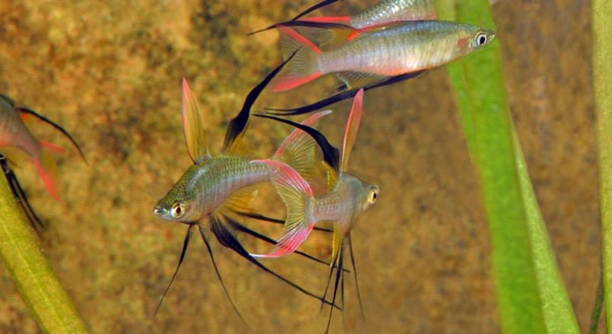
Do you ever find yourself unsure about what is true and what is not when it comes to keeping Threadfin Rainbowfish healthy?
Many myths surrounding Threadfin Rainbowfish have spread among aquarium hobbyists, often causing confusion about their care, behavior, and habitat needs. These misconceptions can lead to unnecessary mistakes, which may impact the well-being and longevity of these delicate fish.
Learning the truth behind these myths will give you clearer guidance and help you provide a safer, healthier home for your fish.
Myth 1: Threadfin Rainbowfish Are Difficult to Care For
Many people assume Threadfin Rainbowfish are extremely difficult to care for, but this is not entirely true. These fish are delicate, yes, but with proper care, they can thrive in home aquariums. Their main requirements are clean water, stable temperature, and a peaceful environment without aggressive tank mates. They are not overly demanding when it comes to food and will accept a variety of small, high-quality foods. What often makes people believe they are difficult is their sensitivity to poor conditions. However, once you maintain water quality and provide a balanced diet, they prove to be manageable and rewarding to keep. This makes them suitable even for hobbyists with some basic experience, as long as the setup remains stable and consistent. Careful attention to tank parameters ensures they remain healthy, active, and display their beautiful fins with ease in your aquarium.
Threadfin Rainbowfish do not require complicated setups, but they thrive best in calm, well-maintained tanks with steady water parameters.
Creating a stress-free environment is the real key. Avoid sudden changes in temperature or water chemistry, as they can cause unnecessary stress. Provide plants and hiding spots, which make them feel secure. Their delicate fins are best displayed in calm, slow-flowing water. Feeding them small live or frozen foods, along with high-quality micro-pellets, supports both growth and color. By focusing on stable conditions, you will discover that these fish are not as challenging as they seem. With consistency and attention, they can live happily and remain active, making them a peaceful and graceful addition to your aquarium.
Myth 2: They Cannot Live With Other Fish
Threadfin Rainbowfish are not aggressive, which allows them to live with other peaceful species without issues. They are more likely to avoid conflict rather than start one.
These fish are best housed in community tanks with similarly calm species. Ideal companions include small tetras, rasboras, or other rainbowfish that are not aggressive. Their long, delicate fins may become a target for nipping fish, so avoiding species such as barbs or fin-nipping tetras is important. They also enjoy being in groups of their own kind, which helps them feel safe and encourages natural behavior. Keeping them in small schools allows their colors and fins to be displayed more fully. Adding plants and gentle filtration creates a peaceful environment that benefits all tank mates. With thoughtful planning, Threadfin Rainbowfish not only coexist peacefully with others but also thrive socially, adding beauty and harmony to community aquariums.
Myth 3: Threadfin Rainbowfish Only Eat Live Food
Threadfin Rainbowfish enjoy live food, but it is not their only option. They readily accept frozen and prepared foods when offered in small, bite-sized portions suitable for their tiny mouths.
A balanced diet for Threadfin Rainbowfish can include live brine shrimp, daphnia, and micro worms, but high-quality micro-pellets and flakes also provide the nutrients they need. Frozen foods like cyclops and bloodworms are excellent alternatives when live food is unavailable. Offering a variety ensures they receive complete nutrition while keeping their feeding routine simple. This flexibility makes feeding them far easier than many people assume.
Variety in their diet not only supports growth but also enhances their natural colors. Feeding small amounts several times a day works best, as they have small stomachs and cannot consume large meals at once. Rotating between live, frozen, and dry foods prevents boredom and keeps them active. With consistent, varied feeding, they maintain health and display their delicate beauty.
Myth 4: They Are Too Fragile for Most Aquariums
Threadfin Rainbowfish do look delicate, but fragility should not be confused with difficulty. With steady care and good water quality, they can adapt well to home aquariums and live healthy, full lives.
These fish thrive when their environment remains stable. Their long fins are sensitive, so avoiding sharp decorations and rough tank mates prevents injury. A planted aquarium with soft lighting reduces stress and provides cover. Clean, well-filtered water is essential, but strong currents should be avoided as they prefer gentler flow. Despite their fragile appearance, they adjust to captivity when handled with consistency and attention. Their resilience shows best in tanks with consistent water changes, balanced diets, and compatible companions. With the right setup, their delicate charm becomes a lasting presence in your aquarium without demanding overly complex care.
Myth 5: Threadfin Rainbowfish Need Large Tanks
These fish do not require large tanks to thrive. A well-planted 15 to 20-gallon aquarium is more than enough to house a small group comfortably.
Their small size and peaceful nature make them ideal for modest aquariums. What matters most is stability, clean water, and safe tank mates.
Myth 6: They Are Not Active Swimmers
Threadfin Rainbowfish are gentle swimmers, but that does not mean they lack activity. They move gracefully in the mid to upper levels of the tank, often exploring plants and open water. While they are not fast or aggressive, they remain curious and constantly in motion. Watching them interact in groups reveals their social nature and playful activity. When kept in small schools, they become even more active, displaying beautiful fins as they glide together in calm, synchronized patterns that add charm to the aquarium.
Myth 7: Threadfin Rainbowfish Lack Personality
Threadfin Rainbowfish may appear quiet, but they have subtle personalities. They display social behavior, form bonds within their groups, and interact gently with their surroundings.
FAQ
How big do Threadfin Rainbowfish get?
Threadfin Rainbowfish stay small, usually reaching about 1.5 to 2 inches in length. Their size makes them ideal for modest tanks, as they do not require large amounts of swimming space. Despite their small bodies, their long, flowing fins make them appear more striking and graceful. Keeping them in groups allows you to appreciate their natural schooling behavior, where they swim together and show off their colors beautifully. Their small size also means they are well-suited to community tanks with peaceful companions that will not disturb their delicate fins.
What water conditions do Threadfin Rainbowfish need?
These fish prefer stable, clean water with a temperature range of 75 to 82 degrees Fahrenheit. They thrive in slightly acidic to neutral water, with a pH between 6.0 and 7.5. Soft to moderately hard water works best, though stability is far more important than exact numbers. Regular water changes are necessary to keep their environment safe, as even minor fluctuations in quality can cause stress. A gentle filter is recommended because strong currents may damage their delicate fins. With steady conditions, they adapt well and remain active in their tank.
Do Threadfin Rainbowfish need to be kept in groups?
Yes, Threadfin Rainbowfish are social and feel more comfortable in groups of at least six. Living in a small school reduces stress and brings out natural behavior, such as synchronized swimming and displaying their long fins. In groups, males also show brighter colors, especially when they court females. Isolating them or keeping too few can make them timid, less active, and prone to stress. A group not only keeps them healthier but also makes their presence more enjoyable to watch, as their interactions add charm to the aquarium.
What should I feed Threadfin Rainbowfish?
A varied diet is best for Threadfin Rainbowfish. Live foods such as brine shrimp, daphnia, and micro worms are excellent choices, but frozen or high-quality dry foods also work well. Micro-pellets and finely crushed flakes are easy for them to eat. Offering a mix of foods throughout the week ensures balanced nutrition while keeping their interest. Feeding them small amounts two to three times daily works best because of their small stomachs. Rotating food types not only enhances their health but also intensifies their natural coloring. Variety makes feeding straightforward and rewarding.
Can Threadfin Rainbowfish live with shrimp?
Yes, Threadfin Rainbowfish can live with shrimp, provided the shrimp are not extremely small or newborn. They usually ignore adult shrimp and focus on small floating foods instead. However, baby shrimp might occasionally be eaten if they fit in their mouths. If you want shrimp to thrive alongside them, providing plenty of hiding spaces in the tank helps. Plants like mosses and dense greenery offer cover for young shrimp. In well-planted tanks, both shrimp and Threadfin Rainbowfish coexist peacefully, adding variety and activity to the aquarium without conflict.
How long do Threadfin Rainbowfish live?
With proper care, Threadfin Rainbowfish can live between three and five years in captivity. Their lifespan depends on stable water quality, a balanced diet, and a stress-free environment. Neglecting these needs can shorten their life significantly. Keeping them in groups, avoiding aggressive tank mates, and maintaining consistent conditions all play an important role in their longevity. While their lifespan is modest compared to some other fish, their graceful movements and peaceful nature make them a rewarding addition during those years. Proper care ensures they remain healthy and active throughout their lives.
Do Threadfin Rainbowfish breed in home aquariums?
Yes, they can breed in home aquariums under the right conditions. Males display their long fins and colors to court females, and spawning usually occurs among fine-leaved plants or spawning mops. The eggs are adhesive and will stick to plants or other surfaces. Adults may eat the eggs, so separating them or providing dense cover increases survival rates. Fry are very tiny and require infusoria or other microscopic foods during their first days. With patience and proper care, breeding Threadfin Rainbowfish at home can be a rewarding experience.
Are Threadfin Rainbowfish suitable for beginners?
They can be suitable for beginners with some basic knowledge of aquarium care. While they are sensitive to poor water quality, they do not require advanced techniques or expensive equipment. Beginners who maintain clean water, provide a peaceful tank, and offer a varied diet can succeed with them. Their small size and calm nature make them appealing for community tanks. However, it is best for new keepers to gain some experience with maintaining stable tank conditions before starting. With consistency and attention, beginners can keep them successfully.
Do Threadfin Rainbowfish need a planted tank?
A planted tank is not absolutely required, but it is highly recommended. Plants provide hiding spots, reduce stress, and create a natural setting where these fish feel secure. Fine-leaved plants also encourage breeding, as the eggs stick to their surfaces. Plants help improve water quality by absorbing excess nutrients and oxygenating the tank. Threadfin Rainbowfish use the cover to rest and display their delicate fins without stress. While they can survive in bare tanks, their behavior and appearance are far more vibrant in well-planted environments. Plants truly enhance their well-being.
How can I tell males from females?
Males are more colorful and have longer, flowing fins compared to females. Their fins are often extended into fine, thread-like filaments, which is where their name comes from. Females are smaller, with shorter fins and less vivid coloration. During breeding, males display their brightest colors while courting females. Watching their interactions makes these differences even clearer. Keeping a mix of both sexes not only creates balance but also allows you to observe natural behaviors, such as courtship displays and schooling. These differences make it fairly easy to distinguish between them.
Final Thoughts
Threadfin Rainbowfish are often misunderstood, mainly because of the myths and assumptions surrounding their care. They are small, delicate-looking fish, and this appearance sometimes leads people to believe they are too fragile, too complicated, or too limited for home aquariums. In reality, these fish thrive when given steady water conditions, a calm environment, and a varied diet. They are not as demanding as some believe, and their beauty shines in well-maintained aquariums. Watching them glide gracefully through the water with their long, flowing fins is one of the most rewarding experiences for any fish keeper. Their presence is not only peaceful but also full of subtle character, making them a valuable addition to carefully planned community tanks. Understanding their needs removes the doubt that surrounds them and highlights how enjoyable they can be to care for.
Another important point to remember is that Threadfin Rainbowfish are highly social and show their best colors and behaviors in groups. Their small size allows them to fit comfortably into community tanks without requiring a large amount of space, making them an accessible choice for many aquarists. When kept in schools, they display more activity, interact with each other, and appear more confident in their environment. Choosing tank mates wisely is essential, as their delicate fins can be targets for nippers, but when paired with calm companions, they thrive. Their feeding requirements are also simpler than often assumed, as they willingly accept live, frozen, and dry foods in small sizes. This adaptability makes feeding them a straightforward task rather than a challenge. Consistency in care is what ensures they remain healthy and long-lived.
Caring for Threadfin Rainbowfish is not about mastering advanced techniques, but about respecting their sensitivity to unstable conditions. Regular water changes, gentle filtration, and providing natural cover are the foundations of their care. These practices not only keep the fish safe but also create an aquarium environment that looks natural and balanced. With the right setup, their elegance becomes the centerpiece of the tank, offering both calmness and beauty. They may not be bold or flashy in their behavior, but their subtle movements and schooling patterns bring a sense of harmony to the aquarium. Over time, it becomes clear that the myths do not define them—the truth does. By learning what they really need and debunking the misconceptions, anyone can appreciate the grace and simplicity that Threadfin Rainbowfish bring to an aquarium. Their charm lies not only in their looks but also in the ease with which they can enrich your tank when properly cared for.

Hello,
If you enjoy the content that we create, please consider saying a "Thank You!" by leaving a tip.
Every little bit helps us continue crafting quality advice that supports the health, happiness, and well-being of pets around the world, for pets of all shapes, sizes, and species.
We really appreciate the kindness and support that you show us!