
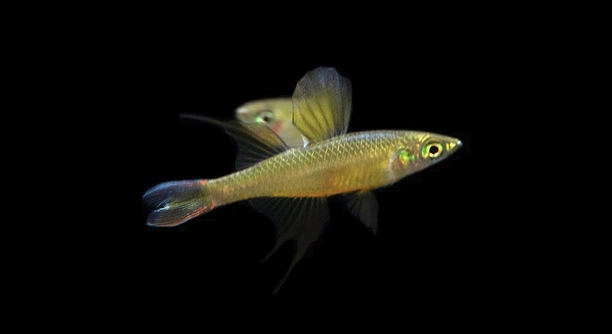
Do you enjoy keeping vibrant, colorful fish in your home aquarium but find yourself wondering how to ensure your threadfin rainbowfish thrive for years? These small, active fish need specific care to remain healthy and lively.
Maintaining threadfin rainbowfish long-term requires attention to water quality, diet, tank size, and social environment. Regular monitoring of pH levels, temperature, and ammonia ensures a stable habitat, while providing balanced nutrition and appropriate companions supports optimal health and longevity.
Proper care is more than routine maintenance. Each small action contributes to the overall well-being and vitality of your threadfin rainbowfish over time.
Choosing the Right Tank Size
Threadfin rainbowfish are active swimmers, so providing enough space is essential for their health. A minimum tank size of 30 gallons is recommended for a small school, with larger tanks allowing more freedom and stability in water conditions. Overcrowding can lead to stress, weaker immune systems, and increased aggression among fish. A longer tank rather than a tall one is preferable because it allows horizontal swimming, which suits their natural behavior. Decorations and plants can enhance the environment, but they should not restrict swimming space. Open areas in the tank help fish exercise and reduce territorial disputes. Regularly measuring water parameters ensures that the tank remains safe and balanced. Consistent water changes prevent harmful buildup of toxins, supporting long-term health. Selecting an appropriate filter and aeration system is also important to maintain clean water and adequate oxygen levels for these active fish. Proper planning at the start reduces problems later.
Choosing a tank with adequate space and proper filtration ensures your threadfin rainbowfish remain healthy and active over time.
Providing the right environment goes beyond size. It involves consistent water quality checks, temperature monitoring, and maintaining a balanced, stress-free space. Adding plants and hiding spots encourages natural behavior, while open swimming areas keep fish active. These small considerations create a stable environment that reduces disease risk and promotes longer life spans. By planning the layout thoughtfully, you allow fish to thrive physically and mentally, making care more manageable and rewarding. Proper tank setup forms the foundation for every other aspect of health, from feeding to social interaction.
Balanced Diet and Feeding
A balanced diet is essential for threadfin rainbowfish health. Feed them high-quality flake, pellet foods, and occasional live or frozen foods like brine shrimp or daphnia. Variety ensures they receive proper nutrients and encourages natural foraging behavior. Avoid overfeeding, as excess food leads to poor water quality.
Providing a mix of proteins, vitamins, and minerals supports growth, color vibrancy, and immune strength in threadfin rainbowfish.
Feeding requires attention to portion and frequency. Adult fish thrive on two small feedings per day, while juveniles may need three. Live and frozen foods should be offered a few times weekly to supplement flakes or pellets. Nutrient-rich diets enhance coloration and activity levels, while fiber from plant-based foods aids digestion. Remove uneaten food promptly to prevent water contamination. Feeding schedules should be consistent, helping maintain stable tank conditions and fish health. Observation is key: fish that actively chase food are generally healthy, while lethargy or refusal to eat may indicate stress or illness. Adjust portions based on behavior and tank size to sustain balance. Over time, a well-managed diet keeps threadfin rainbowfish energetic and visually striking.
Maintaining Water Quality
Regular water changes are crucial for threadfin rainbowfish health. Replace 20–25% of the water weekly to keep nitrate levels low and prevent toxin buildup. Proper filtration and monitoring of pH, ammonia, and nitrite levels help maintain a stable environment.
Keeping water clean supports fish health and reduces stress. Use a reliable test kit to monitor ammonia, nitrites, and nitrates. Adjust pH gradually if needed, aiming for a slightly alkaline range around 7.0–8.0. Filters should be cleaned regularly without disturbing beneficial bacteria. Aeration and water movement also help maintain oxygen levels, especially in densely stocked tanks. Consistency in water changes is key for long-term stability.
Avoid drastic changes in water temperature or chemistry, as threadfin rainbowfish are sensitive to sudden shifts. Maintaining a consistent schedule for water testing, partial changes, and filter maintenance ensures a healthy aquatic environment. Adding live plants can aid in nutrient absorption and reduce nitrate buildup naturally. Observing fish behavior after changes helps identify stress early, allowing for timely corrective actions. A combination of monitoring, cleaning, and thoughtful adjustments provides a stable and safe habitat that promotes growth, color vibrancy, and overall vitality in these active fish.
Social Environment and Tank Companions
Threadfin rainbowfish are schooling fish and should be kept in groups of at least six. Proper social structure prevents stress and aggressive behavior.
A stable social environment is critical. Keep compatible species that share similar water requirements and temperaments. Avoid fin-nipping or overly aggressive fish. Grouping threadfin rainbowfish together promotes natural swimming patterns and reduces anxiety. Observing interactions allows early detection of aggression or social imbalance.
Tank layout also affects social behavior. Provide open swimming areas for schooling, along with hiding spots for retreat when needed. Avoid overcrowding, as it disrupts hierarchy and increases stress. Balanced lighting and consistent feeding routines support natural behavior and cohesion within the school. Regular observation ensures compatibility and helps prevent illness caused by stress. By maintaining an appropriate social structure, threadfin rainbowfish exhibit active, healthy, and vibrant behavior consistently over time.
Regular Health Checks
Monitor your threadfin rainbowfish for signs of illness, such as clamped fins, unusual swimming patterns, or loss of color. Early detection helps prevent minor issues from becoming serious health problems.
Observation is key. Check fish during feeding and routine tank maintenance. Maintaining a log of behavior or physical changes can help track health trends over time.
Temperature and Lighting
Threadfin rainbowfish thrive in water temperatures between 74–82°F. Maintain stable temperature levels to reduce stress and avoid immune system issues. Proper lighting supports natural activity cycles and enhances their coloration, contributing to overall vitality and well-being.
Preventing Common Diseases
Keep the tank clean and maintain proper water conditions to prevent infections like ich, fin rot, and bacterial diseases. Quarantining new fish before introduction reduces the risk of spreading illness.
FAQ
How often should I feed my threadfin rainbowfish?
Feed adult threadfin rainbowfish two small meals daily. Juveniles may require three meals to support growth. Include a variety of high-quality flake, pellet, and occasional live or frozen foods to ensure balanced nutrition. Remove uneaten food promptly to maintain water quality and prevent stress.
What is the ideal tank size for a school of threadfin rainbowfish?
A minimum of 30 gallons is recommended for a small group. Longer tanks are preferable to allow horizontal swimming. Larger tanks improve water stability, reduce aggression, and provide sufficient swimming space. Include open areas and some plants or decorations for hiding spots without restricting movement.
Can threadfin rainbowfish live with other fish?
Yes, but choose peaceful species with similar water requirements. Avoid aggressive or fin-nipping fish. Keeping threadfin rainbowfish in groups of six or more promotes natural schooling behavior, reduces stress, and supports overall health. Observing interactions helps ensure compatibility.
How do I maintain water quality effectively?
Regular water changes of 20–25% weekly are essential. Test pH, ammonia, nitrites, and nitrates consistently. Use proper filtration and aeration systems. Avoid sudden water chemistry changes. Adding live plants helps reduce nitrate buildup and provides a more natural environment.
What temperature range is best for threadfin rainbowfish?
Maintain water between 74–82°F. Sudden fluctuations can cause stress or illness. Use a reliable heater and thermometer to ensure stable conditions. Proper temperature supports metabolism, immune function, and natural activity.
How do I prevent common diseases?
Maintain clean water and stable parameters. Quarantine new fish before adding them to the main tank. Observe fish daily for signs of illness, such as clamped fins, lethargy, or color loss. Prompt treatment and good hygiene reduce the risk of infections.
How can I enhance their coloration?
Provide a varied diet rich in proteins and vitamins. Proper lighting and consistent water quality also influence vibrant colors. A well-balanced environment with minimal stress allows threadfin rainbowfish to display their natural, vivid hues.
Do threadfin rainbowfish need hiding spots?
Yes. While they are active swimmers, plants, rocks, or small decorations offer retreat areas when stressed. Hiding spots help reduce aggression, provide security, and encourage natural behavior patterns, improving overall well-being.
How do I know if my fish are stressed?
Signs of stress include lethargy, loss of color, clamped fins, or erratic swimming. Monitor behavior daily. Ensure proper water quality, suitable tank mates, and consistent feeding routines to minimize stress and maintain health.
Can I breed threadfin rainbowfish in a home aquarium?
Yes. Provide a separate breeding tank with slightly softer, slightly acidic water. Include fine-leaved plants for egg laying. Remove adults after spawning to prevent predation. Feed fry small live foods for proper growth and survival.
How often should I clean the tank and filter?
Clean filters monthly or as needed without disturbing beneficial bacteria. Perform partial water changes weekly. Remove debris, uneaten food, and waste to maintain water quality. Regular maintenance reduces disease risk and supports long-term health.
Is it necessary to monitor pH and hardness?
Yes. Threadfin rainbowfish prefer slightly alkaline water with stable hardness. Sudden changes can cause stress or illness. Testing water regularly and adjusting gradually helps maintain a stable environment conducive to growth and activity.
How many threadfin rainbowfish should be kept together?
A group of at least six is recommended. Small schools reduce stress, encourage natural schooling behavior, and prevent aggressive interactions. Larger groups improve activity levels, coloration, and overall health while supporting social stability.
Are live plants beneficial in the tank?
Yes. Plants provide hiding spots, help absorb excess nutrients, and reduce nitrate buildup. They contribute to natural behavior and aesthetic appeal while supporting stable water conditions, which are essential for long-term health and coloration.
How do I handle sudden illness in the tank?
Isolate affected fish immediately. Test water parameters to rule out environmental issues. Treat with appropriate medications if necessary. Quarantine new fish and maintain clean conditions to prevent further outbreaks and protect the health of all tank inhabitants.
Can I use tap water for my tank?
Yes, but it must be treated with a water conditioner to remove chlorine and chloramine. Regular testing ensures that parameters remain within safe ranges. Stable, treated water is essential for avoiding stress and maintaining healthy fish.
How do I encourage natural behavior in threadfin rainbowfish?
Provide open swimming areas, hiding spots, and a group of at least six fish. Consistent lighting, stable water conditions, and varied diet encourage active swimming, foraging, and social interaction, supporting overall vitality and well-being.
What should I do if my fish stop eating?
Check water quality, temperature, and tankmates for stress sources. Offer varied foods, including live or frozen options. Observe behavior for illness. Prompt attention and small adjustments can help restore appetite and prevent health decline.
How important is consistent lighting?
Consistent lighting regulates activity cycles, supports coloration, and promotes natural behavior. Avoid sudden changes in light intensity. Aim for 10–12 hours of light daily to mimic natural conditions and maintain a healthy routine.
Can stress affect their lifespan?
Yes. Chronic stress weakens the immune system, reduces coloration, and increases susceptibility to disease. Stable water parameters, proper social structure, adequate space, and careful feeding routines minimize stress, contributing to long-term health and longevity.
How often should I check my fish?
Observe daily during feeding and maintenance. Watch for signs of stress, illness, or abnormal behavior. Regular monitoring allows early intervention, supports consistent care, and ensures a healthy, thriving aquarium environment for threadfin rainbowfish.
Final Thoughts
Caring for threadfin rainbowfish requires attention to several key factors, but none of them are overly complicated. Maintaining a clean and stable tank environment is the foundation of their long-term health. Regular water changes, consistent monitoring of pH, ammonia, nitrite, and nitrate levels, and proper filtration help prevent common problems before they arise. Even small lapses in water quality can lead to stress, illness, or weakened immune systems. Observing fish behavior regularly allows you to notice early signs of stress, disease, or social imbalance, giving you the chance to address issues quickly. While it may seem like a lot to manage, creating a routine for water testing, partial changes, and tank maintenance makes it much easier. Over time, these tasks become simple habits that ensure your threadfin rainbowfish remain active, colorful, and healthy.
Diet also plays a crucial role in supporting vitality and coloration. A balanced approach that includes high-quality flakes or pellets, supplemented occasionally with live or frozen foods, provides the essential nutrients fish need. Variety in feeding not only supports growth and immune function but also encourages natural foraging behavior, which helps keep fish active and engaged. Overfeeding should be avoided, as uneaten food can quickly deteriorate water quality, creating a negative cycle that affects overall health. Paying attention to portion sizes, meal frequency, and removing excess food are small steps that make a significant difference over time. Ensuring proper nutrition alongside stable water conditions builds the foundation for long-term well-being, supporting growth, energy, and vivid coloration.
Social environment and proper tank setup are equally important for threadfin rainbowfish. These fish are naturally schooling creatures, so keeping them in groups of six or more reduces stress and promotes natural behavior. Choosing compatible tank mates, providing hiding spots, and leaving open swimming areas all contribute to a stable social structure. Stress from overcrowding, aggression, or incompatible companions can negatively impact health and reduce lifespan. Lighting and temperature should also be kept consistent, as sudden fluctuations can cause additional stress. Small details, like maintaining a stable routine, ensuring open swimming spaces, and providing a few plants for security, have a cumulative effect on fish well-being. By combining attention to water quality, diet, and social structure, caring for threadfin rainbowfish becomes manageable and rewarding, creating an environment where they can thrive for years.
This approach emphasizes that consistent care, observation, and thoughtful planning are more effective than occasional intensive efforts. When each aspect of their habitat is maintained properly, threadfin rainbowfish exhibit strong immunity, vibrant color, and active, healthy behavior. Maintaining their environment and routine may seem time-consuming at first, but it becomes second nature. The long-term benefits are evident in the overall vitality of the fish, the beauty of their coloration, and the balance within the aquarium. Focusing on these essential areas ensures your threadfin rainbowfish will remain healthy, active, and visually striking, making your aquarium a more enjoyable and stable space.
Word count: 419

Hello,
If you enjoy the content that we create, please consider saying a "Thank You!" by leaving a tip.
Every little bit helps us continue crafting quality advice that supports the health, happiness, and well-being of pets around the world, for pets of all shapes, sizes, and species.
We really appreciate the kindness and support that you show us!