
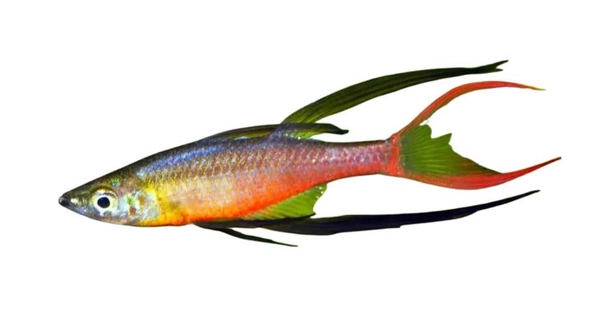
Do you ever find yourself wanting a colorful addition to your freshwater tank while keeping it lush and natural? Threadfin Rainbowfish are admired for their shimmering scales and active behavior, making them appealing for planted aquariums.
Threadfin Rainbowfish can thrive in a planted tank if provided with appropriate water conditions, sufficient swimming space, and compatible plant species. Maintaining stable temperature, proper filtration, and regular water changes ensures their health and promotes natural behaviors.
Creating a harmonious environment for these fish involves more than choosing plants; attention to light, substrate, and tank mates enhances their overall wellbeing and visual appeal.
Ideal Tank Conditions for Threadfin Rainbowfish
Threadfin Rainbowfish thrive in tanks that mimic their natural environment. They prefer a medium to large aquarium, at least 30 gallons, with open swimming areas and dense plant clusters. Water temperature should range between 74–82°F, and pH should stay around 6.5–7.5. Filtration is important to maintain clean water, as these fish are sensitive to sudden changes. Gentle water flow replicates river currents, promoting natural behavior and overall activity. Lighting should be moderate to highlight their colors without stressing them. Substrate choices like fine gravel or sand help protect their delicate fins and allow plants to root securely. Including floating plants can provide shade and reduce stress while enhancing visual depth. Regular partial water changes, around 20% weekly, prevent harmful buildup of nitrates and other compounds. Avoid overcrowding, as Threadfin Rainbowfish are schooling fish that need at least 6 individuals to feel secure and display natural movement patterns effectively.
Proper tank setup is essential for health, color, and activity. A well-planned environment prevents disease and encourages natural behaviors.
Attention to temperature, pH, filtration, and swimming space ensures Threadfin Rainbowfish remain active, vibrant, and stress-free. Proper lighting and substrate choices further support plant growth and visual harmony.
Choosing Compatible Plants
Threadfin Rainbowfish prefer live plants that provide hiding spots without obstructing swimming paths. Hardy species like Java Fern, Anubias, and Cryptocoryne are suitable because they tolerate moderate water conditions and can anchor securely in substrate. Floating plants, such as Amazon Frogbit, help diffuse light and offer surface cover, making the fish feel safe. Avoid delicate or easily uprooted plants, as active swimming can damage them. Placement matters: taller plants at the back and sides create depth while leaving the center open for movement. Including a mix of slow-growing and fast-growing plants helps maintain water quality by absorbing excess nutrients. Careful trimming prevents overcrowding and allows light to reach lower leaves. Nutrient-rich substrate and occasional liquid fertilizers support plant health without harming fish. A balanced combination of open space, hiding spots, and secure plant placement ensures Threadfin Rainbowfish remain calm, vibrant, and display natural schooling behavior consistently.
Plant selection impacts fish activity and tank aesthetics. Choosing robust species maintains balance and reduces maintenance while supporting Rainbowfish health and comfort.
Live plants enhance tank stability, providing cover, oxygen, and natural filtration. Careful placement and maintenance ensure Threadfin Rainbowfish feel secure, swim freely, and display full coloration. Proper plant care reduces algae and supports long-term tank harmony.
Feeding Threadfin Rainbowfish
Threadfin Rainbowfish eat a varied diet of flakes, pellets, and live or frozen foods. Providing a mix of protein and plant-based options supports growth, coloration, and overall health.
High-quality flake food or micro-pellets should form the staple diet, offering essential vitamins and minerals. Supplementing with live or frozen foods like brine shrimp, daphnia, and bloodworms enhances protein intake and encourages natural hunting behavior. Occasional vegetable matter, such as blanched spinach or spirulina flakes, promotes digestion and vibrant coloration. Feed small amounts two to three times daily to prevent overfeeding and water pollution. Observing their eating habits helps ensure all fish receive adequate nutrition. Avoid leaving uneaten food in the tank, as it can decay and affect water quality, stressing the fish. Consistent feeding routines strengthen their health and allow them to display natural energy and social behaviors.
A balanced diet directly influences color, vitality, and long-term health. Proper feeding prevents digestive issues and reduces stress while maintaining water quality.
Providing variety keeps Threadfin Rainbowfish active and healthy. Regular observation ensures all fish eat adequately, and moderation prevents water issues.
Tank Mates for Threadfin Rainbowfish
Threadfin Rainbowfish are peaceful and thrive with similarly calm, medium-sized species. Ideal tank mates include danios, rasboras, and small rainbowfish varieties, which share compatible water requirements. Avoid aggressive or fin-nipping species, as Rainbowfish can become stressed or injured in such conditions.
It is best to keep Threadfin Rainbowfish in groups of six or more to encourage natural schooling behavior and reduce anxiety. Introducing compatible tank mates gradually allows fish to adjust to one another and establish territories without conflict. Ensure the tank has ample swimming space, hiding spots, and plants to accommodate multiple species comfortably. Avoid overcrowding, as limited space increases aggression and stress. Monitoring interactions during the first weeks helps identify potential issues early. Choosing species with similar size, temperament, and water preferences promotes harmony. Maintaining stable water conditions further supports peaceful coexistence, and a well-planned layout minimizes stress while enhancing the visual appeal of the aquarium.
Careful selection and proper introduction of tank mates ensure Rainbowfish remain calm, active, and colorful. Maintaining balance prevents aggression and supports long-term compatibility in planted tanks.
Water Maintenance
Maintaining stable water conditions is crucial for Threadfin Rainbowfish. Regular testing of pH, ammonia, nitrites, and nitrates ensures a healthy environment. Consistent water changes of 20% weekly help prevent harmful buildup and maintain overall tank stability.
Filtration and gentle water flow support oxygenation and remove debris. Avoid sudden temperature shifts, as these fish are sensitive and can become stressed, which weakens their immune system.
Lighting and Temperature
Threadfin Rainbowfish prefer moderate lighting that supports plant growth without causing stress. Proper light duration, around 8–10 hours daily, maintains natural behavior and coloration.
Temperature should stay between 74–82°F, with minimal fluctuations. Using a reliable heater and thermometer ensures stable conditions, which directly influence activity levels, feeding habits, and overall health of the fish. Proper monitoring prevents stress-related diseases and supports plant growth.
Tank Size Requirements
A minimum 30-gallon tank is recommended for Threadfin Rainbowfish, providing sufficient swimming space. Larger tanks allow schooling behavior and reduce territorial stress. Proper dimensions support plant placement while leaving open areas for active movement and natural interaction.
Breeding Considerations
Threadfin Rainbowfish breed more successfully in a well-planted environment. Dense plants offer protection for eggs and fry, increasing survival rates.
FAQ
How often should I feed Threadfin Rainbowfish?
Threadfin Rainbowfish should be fed small amounts two to three times a day. Overfeeding can pollute the water, while underfeeding may affect growth and color. Offering a mix of flake food, pellets, and occasional live or frozen foods ensures proper nutrition and keeps them active.
Can Threadfin Rainbowfish live with other fish?
Yes, they are peaceful and do well with similar-sized, non-aggressive species such as danios, rasboras, and other small rainbowfish. Avoid fin-nipping or territorial fish. Keeping them in groups of six or more encourages natural schooling behavior and reduces stress in a community tank.
What tank size is suitable for Threadfin Rainbowfish?
A minimum of 30 gallons is recommended, but larger tanks are preferable. These fish are active swimmers and need open space for movement. Adequate swimming areas combined with plant clusters help mimic their natural environment and reduce stress.
What water parameters are best?
Threadfin Rainbowfish prefer a temperature of 74–82°F and a pH between 6.5–7.5. They require stable conditions with low ammonia and nitrites, and nitrates should be monitored regularly. Consistent partial water changes maintain a healthy and stress-free environment.
Which plants work best in their tank?
Hardy plants like Java Fern, Anubias, and Cryptocoryne provide shelter and rooting areas. Floating plants like Amazon Frogbit help diffuse light and give cover. Avoid delicate species that can be uprooted easily, as active swimming may damage them. Proper placement allows open swimming space while maintaining hiding spots.
How important is lighting for these fish?
Moderate lighting supports plant growth and shows off the fish’s colors without causing stress. Light duration of about 8–10 hours daily maintains natural behavior. Excessive or insufficient light can lead to stress, affecting their health and activity levels.
Do they need a specific diet?
Threadfin Rainbowfish thrive on a balanced diet. Flakes and micro-pellets should form the staple, supplemented with live or frozen protein sources like brine shrimp, daphnia, or bloodworms. Occasional vegetable matter promotes digestion. A varied diet enhances coloration, energy, and overall wellbeing.
How can I prevent stress in Threadfin Rainbowfish?
Stress can be minimized by maintaining stable water parameters, providing proper swimming space, and keeping compatible tank mates. Adequate hiding spots and gradual introductions of new fish reduce aggression. Monitoring behavior and water quality regularly ensures a calm environment.
Are they prone to any diseases?
Threadfin Rainbowfish are generally hardy but can be affected by common freshwater illnesses like ich, fin rot, or bacterial infections if water conditions are poor. Preventing disease involves regular water changes, avoiding overcrowding, and promptly removing uneaten food.
Can they breed in a planted tank?
Yes, dense plants offer protection for eggs and fry, increasing survival rates. Breeding is more successful in a well-maintained planted tank with stable water parameters and appropriate temperature. Removing adult fish after spawning can further protect the fry from being eaten.
How long do Threadfin Rainbowfish live?
With proper care, they can live 5–8 years in a well-maintained tank. Stable water conditions, a nutritious diet, and a stress-free environment contribute to longevity and overall health. Regular observation ensures early detection of any issues that may affect lifespan.
What are signs of a healthy Threadfin Rainbowfish?
Bright colors, active swimming, and social schooling behavior indicate health. Eating regularly and exploring the tank are positive signs. Dull coloration, lethargy, or hiding excessively may indicate stress or illness, requiring immediate attention to water quality or diet.
How often should I trim plants in a planted tank?
Regular trimming prevents overcrowding, allows light to reach lower leaves, and maintains open swimming areas. Trimming also reduces decaying plant matter, which can affect water quality. Observing plant growth helps maintain balance between shelter and swimming space for Threadfin Rainbowfish.
Is a heater necessary for their tank?
Yes, maintaining stable water temperature between 74–82°F is crucial. A reliable heater and thermometer ensure minimal fluctuations. Sudden temperature changes can stress the fish, reduce immune response, and impact activity and feeding behaviors.
Can I keep them alone?
Threadfin Rainbowfish are schooling fish and do best in groups of at least six. Keeping them alone can lead to stress, reduced activity, and weaker coloration. Group living promotes natural behavior and overall wellbeing in a planted aquarium.
Threadfin Rainbowfish are a lively and visually appealing addition to a planted tank. Their shimmering colors and active swimming behavior make them stand out while also encouraging movement and life throughout the aquarium. These fish are best kept in groups of six or more, as they are naturally social and schooling creatures. Keeping them in adequate numbers reduces stress and ensures they display their natural behavior, which includes coordinated swimming patterns and interaction with tank mates. Providing enough open swimming space while balancing plant coverage is essential to create an environment that feels safe and stimulating. Dense plant clusters at the edges and corners allow them to hide when needed, while leaving the center open ensures they can move freely and maintain their activity levels. A well-planned tank not only supports their physical health but also enhances their coloration, helping them reach their full visual potential.
Water quality is one of the most important factors in keeping Threadfin Rainbowfish healthy. They are sensitive to sudden changes in temperature, pH, and chemical levels, so monitoring these parameters is critical. Maintaining a stable temperature range of 74–82°F and a pH around 6.5–7.5 provides an environment close to their natural habitat. Regular water changes, around 20% weekly, help remove accumulated waste and keep nitrate levels low. Using proper filtration ensures water remains clear and well-oxygenated, while gentle water flow simulates river currents and encourages natural swimming behaviors. Overfeeding can quickly degrade water quality, so feeding small portions two to three times daily is recommended. Offering a varied diet, including flakes, micro-pellets, and occasional live or frozen foods, provides balanced nutrition and promotes bright coloration. Observing their behavior during feeding helps identify if all fish are eating adequately and allows adjustments to ensure the group remains healthy.
Maintaining a planted tank for Threadfin Rainbowfish requires careful attention to both plants and fish. Choosing hardy, slow-growing plants like Java Fern, Anubias, and Cryptocoryne provides shelter without overwhelming the tank or obstructing swimming space. Floating plants such as Amazon Frogbit offer shaded areas and surface cover, which helps reduce stress. Regular trimming and maintenance prevent overcrowding, allow light to reach lower leaves, and reduce decaying plant matter that could affect water quality. Proper tank mates further support a calm and balanced environment, while avoiding aggressive or fin-nipping species prevents unnecessary stress. With consistent care and observation, Threadfin Rainbowfish can thrive in a planted tank, displaying vibrant colors, active schooling behavior, and natural interactions with their surroundings. This balance of water quality, diet, tank setup, and plant management ensures a healthy, visually appealing, and sustainable habitat for these beautiful fish.

Hello,
If you enjoy the content that we create, please consider saying a "Thank You!" by leaving a tip.
Every little bit helps us continue crafting quality advice that supports the health, happiness, and well-being of pets around the world, for pets of all shapes, sizes, and species.
We really appreciate the kindness and support that you show us!