
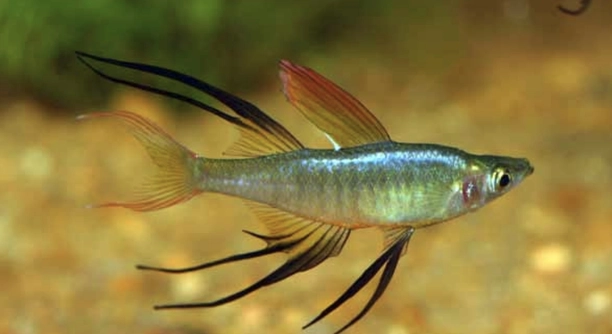
Have you ever admired the delicate beauty of Threadfin Rainbowfish but felt unsure about which tankmates would be safe and compatible with them? These fish thrive in peaceful environments, so choosing the right companions makes a big difference.
The best tankmates for Threadfin Rainbowfish include small, gentle species such as neon tetras, celestial pearl danios, and Corydoras catfish. These fish match their calm nature, while aggressive or fin-nipping species should be strictly avoided.
From understanding gentle companions to recognizing which species may cause harm, learning about suitable tankmates will keep your Threadfin Rainbowfish stress-free and thriving.
Best Tankmates for Threadfin Rainbowfish
Threadfin Rainbowfish are gentle and peaceful, which makes them a joy to keep in a community tank. Their small size and delicate fins mean they thrive best with other calm species. Good tankmates include neon tetras, ember tetras, celestial pearl danios, Corydoras catfish, and small rasboras. These fish are non-aggressive, active, and similar in size, so they create a balanced and stress-free environment. Shrimp and snails also work well, adding variety without disturbing them. By choosing species that share their gentle temperament, you not only keep the Threadfin Rainbowfish safe but also create a lively, harmonious aquarium.
Smaller fish with peaceful behavior make the best match for Threadfin Rainbowfish. When combined carefully, these tankmates allow them to display natural schooling movements and vibrant colors, all while staying relaxed. This approach ensures the aquarium remains balanced and enjoyable for every species living inside.
When selecting companions, it is important to think about activity levels, feeding habits, and size differences. Fish that dart around too quickly or compete aggressively for food can cause stress. The goal is to build a safe environment where Threadfin Rainbowfish can thrive without intimidation, while still enjoying a lively and active community.
Tankmates to Avoid with Threadfin Rainbowfish
Larger or aggressive fish can easily harm Threadfin Rainbowfish. Species such as barbs, bettas, or cichlids may nip at their fins or outcompete them for food, leading to unnecessary stress and poor health in the tank.
It is best to avoid any fish that grow significantly larger or show territorial behavior, as this creates an unsafe environment for Threadfin Rainbowfish. Fast, nippy species should also be left out, since they may constantly chase or harass them. Instead, the focus should be on selecting species that match their calm nature. For example, fin-nipping barbs or aggressive bettas may find their long fins irresistible, causing constant injury. Even active swimmers that overwhelm feeding time can make it harder for Threadfin Rainbowfish to eat properly. By steering clear of species that create competition or aggression, you allow Threadfin Rainbowfish to remain stress-free, healthy, and colorful in your aquarium.
Ideal Tank Conditions for Threadfin Rainbowfish
Threadfin Rainbowfish prefer calm waters with plenty of swimming space. A planted aquarium with gentle filtration creates a safe environment. Keeping the temperature between 75–82°F and maintaining stable water parameters supports their overall health and natural behavior.
Clean water and stability are essential for Threadfin Rainbowfish, as they are sensitive to sudden changes. Regular water changes and proper filtration help prevent stress. A tank size of at least 20 gallons is recommended, as it gives them room to swim in schools. Plants like Java moss or floating species create cover, which reduces anxiety. Gentle lighting also highlights their colors beautifully. Keeping them in groups of six or more encourages schooling, making them feel more secure. The right conditions not only protect them but also allow their delicate fins and shimmering colors to stand out, turning your aquarium into a lively, balanced space.
A peaceful environment is important because Threadfin Rainbowfish can be easily outcompeted or stressed. Avoid placing them in strong currents, as their delicate fins make swimming against heavy flow difficult. Providing plenty of hiding spaces reduces anxiety, while an open swimming area allows them to move naturally. Balance is key to their comfort and survival.
Feeding and Diet for Threadfin Rainbowfish
Threadfin Rainbowfish thrive on a varied diet of small, high-quality foods. They enjoy micro-pellets, crushed flakes, frozen daphnia, and live baby brine shrimp. Offering a balanced mix ensures they receive proper nutrients and stay healthy.
Because they have small mouths, food should always be bite-sized. Floating or slowly sinking options work best, as they prefer feeding near the surface or mid-water. Feeding small amounts two to three times daily helps them eat without wasting food. A varied diet not only keeps them strong but also enhances their natural colors. Live and frozen foods bring out their energy and encourage natural hunting behavior. By giving careful attention to diet, you allow your Threadfin Rainbowfish to display their full beauty while keeping them healthy and active in the aquarium.
Schooling Behavior of Threadfin Rainbowfish
Threadfin Rainbowfish feel safest when kept in groups of six or more. Schooling reduces stress and encourages them to display natural behavior. A larger group also makes their delicate fins and shimmering colors more visible and striking.
Small groups often lead to shyness and hiding, while larger schools bring out their active side. Watching them swim together creates a peaceful and balanced aquarium. Their movements are gentle, and their schooling behavior adds a sense of harmony to the tank.
Breeding Considerations for Threadfin Rainbowfish
Breeding Threadfin Rainbowfish requires a calm environment with fine-leaved plants or spawning mops where eggs can be laid. A separate breeding tank is recommended to prevent other fish from eating the eggs. Water should be slightly warmer, around 80°F, with stable conditions. Males display brighter colors during courtship, often fluttering their delicate fins to attract females. Eggs are scattered among plants and hatch within a week. Fry are very small and need infusoria or liquid fry food at first. Proper care during this stage is important for their survival and growth into healthy adults.
Lifespan of Threadfin Rainbowfish
Threadfin Rainbowfish usually live three to five years in captivity with proper care. Clean water, a balanced diet, and compatible tankmates all play an important role in extending their lifespan and maintaining their overall health.
FAQ
What tank size is suitable for Threadfin Rainbowfish?
Threadfin Rainbowfish do best in tanks of at least 20 gallons. A larger tank gives them space to swim in schools, reduces stress, and allows room for plants and hiding spots. Adequate swimming space helps them display natural behaviors and maintain overall health.
How many Threadfin Rainbowfish should I keep together?
They should be kept in groups of six or more. Being in a school makes them feel secure and encourages natural, active swimming patterns. Smaller groups can lead to shyness, hiding, and stress, which affects their colors and overall well-being.
Can Threadfin Rainbowfish live with other fish?
Yes, but only with peaceful, non-aggressive species. Small tetras, rasboras, Corydoras catfish, and small danios are ideal. Avoid fin-nipping or territorial fish, as these can stress or injure them. Choosing compatible tankmates ensures a calm, balanced environment for all fish.
What should I feed Threadfin Rainbowfish?
A varied diet works best. Small flakes, micro-pellets, frozen or live foods like daphnia and baby brine shrimp keep them healthy. Feed small amounts two to three times daily. A balanced diet enhances their colors and energy, and supports proper growth and development.
How do I breed Threadfin Rainbowfish?
Breeding requires a separate tank with fine-leaved plants or spawning mops. Males display brighter colors to attract females, and eggs are scattered among plants. Keep water slightly warmer at around 80°F. Fry need infusoria or liquid fry food at first, gradually moving to small pellets as they grow.
How often should I change the water?
Regular water changes are essential for their health. Changing 20–30% weekly helps maintain stable water parameters, reduces toxins, and prevents stress. Threadfin Rainbowfish are sensitive to sudden changes, so gradual, consistent water maintenance ensures they remain vibrant and active.
What water parameters do they need?
Keep the temperature between 75–82°F, pH around 6.5–7.5, and soft to moderately hard water. Stable conditions prevent stress, disease, and color fading. Gentle filtration and aeration help maintain oxygen levels without creating strong currents that could strain their delicate fins.
Do they need plants in the tank?
Yes, plants provide cover, reduce stress, and give eggs a place to attach if breeding. Floating plants and fine-leaved varieties are ideal. They also improve water quality by absorbing excess nutrients. Plants contribute to a natural, balanced environment for Threadfin Rainbowfish and their tankmates.
How long do Threadfin Rainbowfish live?
They typically live three to five years with proper care. Consistent water quality, a varied diet, and compatible tankmates all contribute to a longer lifespan. Regular monitoring and attention to health issues help ensure they remain active and colorful throughout their life.
Are they suitable for beginner fishkeepers?
Threadfin Rainbowfish are relatively easy to care for if you follow basic guidelines. They need stable water, a peaceful tank community, and proper feeding. With attention to tank conditions and compatibility, even beginners can successfully maintain healthy, happy Threadfin Rainbowfish.
Can they tolerate slightly different water conditions?
They can handle minor fluctuations, but sudden changes in temperature, pH, or hardness cause stress. Gradual adjustments are safer. Monitoring water quality regularly ensures a stable environment, allowing Threadfin Rainbowfish to thrive without risking illness or fin damage.
What signs indicate stress or illness?
Signs include clamped fins, faded colors, reduced activity, hiding, or loss of appetite. Prompt water testing, observing tankmates, and adjusting feeding can help. Early detection is key, as stressed fish are more susceptible to disease and slower growth.
Is it safe to keep shrimp or snails with them?
Yes, small peaceful invertebrates like cherry shrimp or nerite snails coexist well. They do not bother Threadfin Rainbowfish and help maintain tank cleanliness. Avoid larger or aggressive invertebrates that may compete for food or harm the fish.
How can I enhance their colors?
A balanced diet with live, frozen, or high-quality flake foods helps. Consistent water quality and low-stress conditions also improve vibrancy. Providing plenty of swimming space and compatible tankmates allows them to display natural schooling behaviors, which highlights their colors beautifully.
What decorations are safe for the tank?
Smooth rocks, driftwood, and plants are ideal. Avoid sharp or rough surfaces that could tear delicate fins. Open swimming space combined with hiding spots creates a secure, stimulating environment where Threadfin Rainbowfish can move freely and stay healthy.
How do I prevent aggression in the tank?
Keep only peaceful tankmates and maintain proper group sizes. Avoid overcrowding or introducing fin-nipping species. Monitor interactions and provide hiding places. Reducing stress and competition helps Threadfin Rainbowfish remain calm, active, and healthy within the community aquarium.
Can they live in a planted community tank?
Yes, planted tanks suit them well. Plants provide cover, reduce stress, and encourage natural behaviors. Paired with peaceful fish, a planted tank creates a balanced, calm environment, highlighting their shimmering colors and active schooling patterns beautifully.
Are they prone to diseases?
They are generally hardy if water quality is maintained, diet is balanced, and stress is minimized. Common issues include fin rot or ich, often caused by poor water conditions or aggressive tankmates. Preventive care is more effective than treatment.
How often should I feed them?
Feed small amounts two to three times daily. Overfeeding can pollute the water, while underfeeding may affect growth and health. Consistent feeding helps maintain energy, coloration, and natural activity levels in the aquarium.
Can they adapt to different lighting conditions?
Yes, but moderate lighting is ideal. Bright lighting can stress them, while gentle lighting enhances their colors. Providing shaded areas with floating plants or decorations gives them control over exposure, helping them feel secure and display natural behavior.
Do they need supplemental aeration?
Aeration is helpful but not mandatory if filtration is sufficient. Threadfin Rainbowfish enjoy well-oxygenated water, especially in densely planted or community tanks. Gentle air movement keeps water healthy without creating strong currents that can stress delicate fins.
How fast do they grow?
They grow slowly to medium size, usually reaching 2–3 inches in length. Growth rate depends on diet, water quality, and group dynamics. Providing ideal conditions ensures they reach full size while remaining healthy and active.
Can they coexist with small livebearers?
Yes, peaceful livebearers like guppies or endlers are suitable tankmates. Ensure all species are small and non-aggressive. Monitor interactions to prevent competition for food and maintain harmony within the aquarium.
What is the best way to introduce new fish?
Quarantine new fish for at least two weeks to prevent disease. Introduce them slowly into the tank to reduce stress and allow Threadfin Rainbowfish to adjust. Observing interactions helps ensure compatibility and a peaceful community environment.
How often should I test water parameters?
Weekly testing is recommended for pH, ammonia, nitrite, and nitrate levels. Regular checks prevent sudden fluctuations and maintain stable conditions, which are crucial for Threadfin Rainbowfish health and overall tank balance.
Are they sensitive to medication?
Yes, Threadfin Rainbowfish are delicate. Always follow dosage instructions carefully and consider removing them from tanks with strong medications if possible. Stress or incorrect treatment can cause health issues, so preventive care is preferred over frequent chemical interventions.
Do they prefer slow or fast water flow?
Slow to moderate water flow is ideal. Strong currents can damage fins and stress the fish. A gentle current keeps water clean while allowing Threadfin Rainbowfish to swim naturally and maintain their schooling behavior comfortably.
Can they eat plant matter?
They occasionally nibble on soft plant material but are primarily carnivorous. Providing high-quality flake, pellet, and live foods meets their nutritional needs. Avoid relying on plants as a main food source to ensure proper growth and health.
What is the best temperature range for them?
Maintain 75–82°F for optimal health. Consistent temperature prevents stress, supports digestion, and encourages natural behaviors. Sudden changes can weaken the immune system and affect color vibrancy. Using a reliable heater and thermometer ensures stability.
How do I handle water hardness and pH?
Soft to moderately hard water with pH 6.5–7.5 works best. Gradual adjustments help avoid stress. Regular testing and using buffers or conditioners when necessary ensures stable water chemistry, keeping Threadfin Rainbowfish healthy and vibrant.
Are they compatible with goldfish or koi?
No, goldfish and koi are not suitable. They are much larger, produce more waste, and may outcompete or harm Threadfin Rainbowfish. Stick to small, peaceful species to maintain a balanced, safe environment.
Do they require any special tank decorations?
Smooth rocks, driftwood, and plants are sufficient. Avoid sharp edges or rough surfaces that could damage fins. Focus on providing hiding spots, open swimming space, and natural elements to create a comfortable, stress-free environment.
Can they tolerate community tank noise?
Yes, they are adaptable but prefer calm surroundings. Excessive tapping, vibrations, or sudden movements can stress them. Maintaining a quiet environment helps preserve natural behavior and coloration.
What is the ideal group ratio of males to females?
A slightly higher number of females helps reduce male aggression. Males display colors and court females, so balancing the ratio prevents stress and ensures harmonious behavior. Observing interactions helps maintain a peaceful tank dynamic.
Are they prone to fin damage?
Yes, delicate fins can tear easily. Avoid aggressive or fin-nipping species and sharp decorations. Maintaining a calm tank with compatible tankmates and smooth surfaces minimizes the risk of injury.
How important is tank cover?
Cover like floating plants or hiding spots reduces stress. Threadfin Rainbowfish feel more secure with options to retreat. Adequate cover supports natural behavior, encourages schooling, and enhances overall well-being.
Can they adapt to slightly cooler temperatures?
They can tolerate minor drops but prolonged exposure below 72°F may weaken their immune system and reduce activity. Maintaining stable, slightly warmer conditions ensures health, color vibrancy, and active behavior.
What is the best way to handle stress?
Reduce water fluctuations, avoid aggressive tankmates, and provide hiding spaces. Consistent feeding and gentle lighting also help. Monitoring for early signs of stress ensures they remain healthy and vibrant.
Can they be kept with small shrimp?
Yes, small peaceful shrimp coexist well. Avoid larger or aggressive invertebrates. Shrimp add variety and help with tank cleanliness without disturbing Threadfin Rainbowfish.
Do they need live or artificial plants?
Live plants are ideal for cover, hiding, and breeding. Artificial plants work if smooth and safe, but live plants improve water quality and encourage natural behaviors. Both provide a comfortable environment.
How do I identify a healthy fish?
Bright colors, active swimming, clear eyes, and intact fins indicate good health. Healthy fish feed regularly and interact naturally with the school, displaying calm, consistent behavior.
Are they sensitive to light changes?
Yes, sudden bright lighting can stress them. Gradual changes or providing shaded areas allow control over exposure and encourage natural behavior. Consistent lighting cycles support healthy activity and coloration.
How fast do they reach maturity?
They reach sexual maturity around 6–8 months. Proper diet, water quality, and stress-free conditions support healthy growth and reproductive readiness.
Can they live in a tank with floating plants?
Yes, floating plants are beneficial. They provide cover, reduce stress, and offer shaded areas while maintaining open swimming space. Floating plants enhance natural behavior and contribute to a balanced tank environment.
Do they require frequent monitoring?
Yes, regular observation helps catch early signs of illness or stress. Monitoring behavior, feeding, and water conditions ensures Threadfin Rainbowfish stay healthy and vibrant.
Are they compatible with small cichlids?
Generally, no. Even small cichlids can show territorial behavior and aggression, which stresses Threadfin Rainbowfish. Stick to peaceful community species to maintain harmony.
What is the best diet mix for optimal health?
A combination of high-quality flakes, micro-pellets, frozen foods, and occasional live food ensures proper nutrition. This mix supports growth, coloration, and energy levels.
Can they live with snails?
Yes, peaceful snails like nerites coexist without issue. They help clean the tank and do not interfere with feeding or schooling behavior. Avoid larger snails that may compete for resources.
How do I prevent diseases?
Maintain clean water, provide a balanced diet, avoid aggressive tankmates, and quarantine new arrivals. Early intervention is key. Preventive care keeps Threadfin Rainbowfish healthy and reduces the risk of illness.
What are the signs of a happy fish?
Active schooling, bright colors, regular feeding, and natural interaction with tankmates indicate contentment. Calm swimming and exploring the tank show they feel secure.
Do they need special filtration?
Moderate filtration is sufficient. Avoid strong currents that stress them. Gentle filtration maintains water quality while allowing natural swimming and schooling behavior.
Can they tolerate tap water?
Yes, if treated with a water conditioner and tested for safe parameters. Proper preparation prevents stress and protects delicate fins and overall health.
Are they compatible with small catfish?
Yes, peaceful species like Corydoras coexist well. They occupy different tank levels, reduce competition, and maintain harmony with Threadfin Rainbowfish. Avoid aggressive or large catfish.
How do I introduce them to a new tank?
Float the bag in the tank for 15–20 minutes, then slowly mix tank water before release. This gradual acclimation prevents shock and helps them adjust safely to new conditions.
Can they live in brackish water?
No, they are strictly freshwater fish. Salinity can stress them and harm health. Freshwater with stable parameters is essential for thriving and longevity.
What is the best way to clean the tank?
Regular partial water changes, vacuuming the substrate, and gentle filter maintenance maintain clean water without stressing Threadfin Rainbowfish. Avoid over-cleaning or disturbing plants excessively.
Are they sensitive to overcrowding?
Yes, overcrowding causes stress, aggression, and poor water quality. Maintain proper group size and tank volume for healthy schooling and natural behavior.
Do they need UV sterilizers?
Not necessary, but UV sterilizers can help control algae or free-floating pathogens. Regular maintenance and water care are usually sufficient without additional equipment.
How do I handle fin damage?
Remove aggressive tankmates, provide smooth surfaces, and treat minor tears with safe remedies. Preventive care is better than frequent intervention.
Can they live with gouramis?
Only peaceful, small gourami species are suitable. Avoid large or aggressive types that compete for food or space. Monitor interactions to ensure harmony.
Do they need a night cycle?
Yes, 8–10 hours of darkness helps regulate natural behavior and reduce stress. Gradual light changes maintain their circadian rhythm.
Are they sensitive to ammonia or nitrites?
Yes, even low levels can stress them and damage fins. Regular water testing and maintenance prevent harmful accumulation.
Can they live with rainbowfish of other species?
Yes, but ensure similar size and temperament. Larger or aggressive rainbowfish may outcompete or stress Threadfin Rainbowfish. Compatible species maintain peaceful schooling behavior.
How often should I replace filter media?
Every 4–6 weeks is typical, depending on tank size and bioload. Avoid complete replacement at once to preserve beneficial bacteria.
Do they enjoy tank decorations?
Yes, open swimming areas with hiding spots support natural behavior. Smooth rocks, driftwood, and plants are ideal. Avoid sharp or rough decorations.
Can they live in a nano tank?
Not recommended. They require space to school and swim freely. Small tanks increase stress and reduce lifespan. A minimum 20-gallon tank is preferable.
How do I know they are ready to breed?
Males show brighter colors and fluttering fins. Females become slightly rounder. Observing these signs in a calm environment indicates readiness for spawning.
Are they sensitive to tap water chlorine?
Yes, always treat tap water with a conditioner to remove chlorine and chloramine. Untreated water can damage gills, fins, and overall health.
Do they need a gravel or sand substrate?
Both are fine, but smooth substrates reduce fin damage and allow plants to root. Avoid sharp or rough gravel.
Can they live with small loaches?
Yes, peaceful small loaches like Kuhli loaches coexist well. Avoid larger or aggressive loaches that may disturb schooling behavior.
How do I prevent bullying in the tank?
Keep peaceful tankmates, maintain proper group size, provide hiding spots, and monitor interactions. Early intervention reduces stress and ensures a calm environment.
What is the best way to transport them?
Use a well-aerated bag or container, keep temperature stable, and minimize sudden movements. Gradual acclimation to the new tank reduces stress and prevents injury.
Are they sensitive to temperature swings?
Yes, sudden drops or spikes stress them. Stable temperature within 75–82°F ensures proper metabolism, immune function, and overall health.
Can they be kept with danios?
Yes, small peaceful danios like celestial pearl danios are compatible. Avoid larger, fast, or aggressive danio species that may stress Threadfin Rainbowfish.
Do they need additional vitamins or supplements?
Occasional supplements can help, but a balanced diet usually meets nutritional needs. Over-supplementation is unnecessary and may harm water quality.
Can they live with barbs?
No, barbs are often fin-nippers and aggressive. They are not suitable tankmates and can injure Threadfin Rainbowfish.
How do I maintain water clarity?
Regular partial water changes, proper filtration, and avoiding overfeeding keep water clear. Plants and live invertebrates can also help maintain balance.
Are they sensitive to strong currents?
Yes, strong currents can damage fins and stress them. Gentle filtration allows natural swimming without strain.
Can they coexist with African dwarf frogs?
Yes, peaceful small frogs pose no threat. Ensure proper space and monitor interactions to prevent competition for food.
Do they prefer soft or hard water?
Soft to moderately hard water is ideal. Extreme hardness or softness may stress them and affect coloration.
How do I prevent algae growth?
Balanced lighting, regular water changes, and not overfeeding control algae. Live plants also compete with algae, helping maintain a clean tank.
Are they sensitive to sudden tank movements?
Yes, sudden taps, vibrations, or movement stress them. Consistent, calm handling ensures comfort and natural behavior.
Can they live in a community tank with shrimp and snails?
Yes, peaceful
Threadfin Rainbowfish are delicate, peaceful fish that bring color and life to any aquarium. Their calm nature makes them ideal for a community tank, but it is important to carefully consider tankmates. Choosing the right companions is essential, as aggressive or fin-nipping fish can cause stress and injury. Small tetras, rasboras, Corydoras catfish, and other gentle species are excellent choices. These companions allow Threadfin Rainbowfish to school naturally, explore the tank freely, and display their vibrant colors without fear. Maintaining a calm environment not only protects the fish but also encourages natural behavior, which contributes to their overall well-being. The presence of live plants, smooth decorations, and open swimming areas provides both cover and space for movement, further supporting a healthy aquarium.
Proper care also involves attention to water conditions and diet. Threadfin Rainbowfish are sensitive to sudden changes in temperature, pH, and water hardness, so maintaining stable parameters is crucial. A temperature between 75–82°F and soft to moderately hard water is ideal for their health. Regular partial water changes help prevent the buildup of toxins like ammonia and nitrites, reducing stress and promoting longevity. Feeding them a varied diet that includes high-quality flakes, micro-pellets, and live or frozen foods ensures proper nutrition and enhances coloration. Small, frequent meals mimic natural feeding habits and prevent uneaten food from polluting the tank. Observing their behavior during feeding can also indicate overall health, as active, brightly colored fish with good appetites are typically healthy and stress-free.
Finally, providing a stable, peaceful environment and monitoring the fish regularly will help Threadfin Rainbowfish thrive. Watching them swim in schools, interact with gentle tankmates, and display their shimmering colors is rewarding and satisfying. Avoiding aggressive or overly active species and providing adequate space, hiding spots, and consistent water care ensures they remain healthy for several years. Breeding considerations, such as providing fine-leaved plants or spawning mops in a separate tank, allow for successful reproduction if desired. Understanding their needs and respecting their temperament results in a balanced, harmonious aquarium where Threadfin Rainbowfish can flourish. With proper care, they become a vibrant, long-lasting addition to any peaceful freshwater setup, making the effort of maintaining them worthwhile for both new and experienced fishkeepers alike.

Hello,
If you enjoy the content that we create, please consider saying a "Thank You!" by leaving a tip.
Every little bit helps us continue crafting quality advice that supports the health, happiness, and well-being of pets around the world, for pets of all shapes, sizes, and species.
We really appreciate the kindness and support that you show us!