
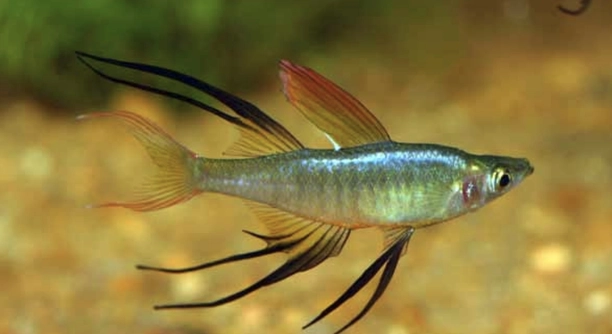
Do your Threadfin Rainbowfish seem less active lately or show unusual behavior in the tank? Noticing subtle changes in their fins, scales, or swimming patterns can signal that your fish might be experiencing health issues.
Threadfin Rainbowfish exhibit sickness through physical, behavioral, and environmental signs, including faded coloration, clamped fins, lethargy, loss of appetite, abnormal swimming, visible spots or lesions, and rapid gill movement. Early detection allows for effective treatment and improved recovery.
Observing your fish closely can prevent small health problems from becoming severe, ensuring they remain vibrant and active in your aquarium environment.
Faded Colors and Clamped Fins
Threadfin Rainbowfish are naturally vibrant, so any dulling of their scales is noticeable. Faded colors often indicate stress, poor water quality, or illness. Clamped fins, where the fins are held close to the body instead of fanned out, often accompany this symptom. Fish experiencing these signs may also reduce activity, hide more frequently, or avoid swimming near the surface. It’s important to check water parameters like pH, temperature, and ammonia levels. Poor water conditions can quickly weaken a fish’s immune system, making it more vulnerable to disease. Observing changes in diet and feeding behavior can also provide clues. Over time, faded colors can worsen if the underlying issue is not addressed, potentially leading to more severe health problems. Taking prompt action by correcting water quality and providing proper nutrition helps restore natural coloration and fin health while improving overall wellbeing.
Regular water testing and routine tank maintenance are key to preventing these symptoms.
Maintaining optimal conditions includes weekly water changes, monitoring pH levels, and ensuring proper filtration. Feeding high-quality, varied food supports immune health. If fading persists, consulting a specialist can guide treatment, including adjusting temperature or adding supplements. Early intervention prevents secondary infections and keeps your fish healthy, active, and displaying their natural colors again.
Loss of Appetite and Lethargy
Loss of appetite is a common sign that something is wrong with your Threadfin Rainbowfish.
A decrease in energy and disinterest in food often indicate stress or underlying illness. Lethargic fish may rest at the bottom or hide, avoiding usual activity and interaction. Observing these behaviors alongside environmental factors, such as water quality, tankmates, and diet, can help identify the problem. Nutritional deficiencies or sudden changes in temperature also contribute to low appetite and fatigue. Immediate attention is essential, as prolonged fasting weakens the immune system, making fish more susceptible to infections. Adjusting feeding routines, improving water conditions, and providing easily digestible foods can support recovery. In more severe cases, targeted treatment or medications may be necessary. Consistent monitoring ensures symptoms do not escalate, allowing fish to regain energy and maintain their typical lively behavior. Early care ensures that health issues are addressed before they compromise long-term wellbeing, keeping your Threadfin Rainbowfish thriving.
Abnormal Swimming Patterns
Erratic or unusual swimming is a clear sign of distress in Threadfin Rainbowfish. Fish may swim in circles, dart suddenly, or struggle to maintain balance, often indicating internal illness or poor water quality. Immediate attention is needed to prevent worsening health.
Abnormal swimming can result from parasites, infections, or sudden changes in water conditions. Gill issues, swim bladder problems, or bacterial infections may make it difficult for fish to maintain proper orientation. Observing when and where these behaviors occur helps pinpoint the cause. Ensuring stable temperature, clean water, and minimal stress from tankmates supports recovery. Proper diet and supplements may aid in regaining normal activity and strength.
In some cases, isolation may be necessary to monitor behavior and prevent spread of disease. Treating water and adjusting feeding routines often resolves minor issues. Persistent or severe symptoms require professional advice, possibly including medication or targeted interventions. Early detection is essential for restoring normal swimming and maintaining overall health.
Visible Spots and Lesions
White spots, red marks, or open sores are strong indicators that a Threadfin Rainbowfish is unwell.
These physical signs often result from bacterial or fungal infections, parasites, or injuries caused by tank objects or aggressive tankmates. Regular observation allows for early detection, reducing the risk of complications. Isolating affected fish prevents further contamination and helps target treatment effectively. Maintaining clean water and proper nutrition supports natural healing and strengthens immunity. Spotting these symptoms early is crucial for successful recovery.
Treatment may involve medicated baths, adjusting water conditions, or administering antibiotics or antifungal solutions. Continuous monitoring ensures that spots or lesions are healing, preventing secondary infections. Removing sharp objects and maintaining a stress-free environment aids in faster recovery. Preventative measures, such as quarantine for new fish, reduce the chance of outbreaks. Timely action and consistent care are essential to restore skin integrity, promote healing, and maintain the fish’s overall health and activity levels.
Rapid Gill Movement
Rapid or labored gill movement often indicates stress, poor water quality, or oxygen deficiency. Observing the frequency and intensity of gill movement helps identify if intervention is needed quickly to prevent further health decline.
Providing adequate aeration and ensuring clean water reduces strain on the gills. Poor oxygen levels or high ammonia can worsen respiratory stress, so maintaining proper filtration and circulation is essential for recovery and overall fish wellbeing.
Hiding and Isolation
When Threadfin Rainbowfish hide frequently or isolate themselves, it signals discomfort or illness. Reduced social interaction is a behavioral response to stress, poor water quality, or internal health issues. Consistently monitoring their behavior can help detect problems early and guide corrective action.
Loss of Appetite
A sudden refusal to eat is a critical sign of health decline. Monitoring feeding behavior and providing easily digestible foods can support recovery and prevent malnutrition, ensuring the fish maintains energy for healing and normal activity.
Rapid Weight Loss
Noticeable weight loss in Threadfin Rainbowfish indicates underlying health issues. Prompt observation and intervention are required to address possible infections, parasites, or nutritional deficiencies before the condition worsens.
FAQ
How can I tell if my Threadfin Rainbowfish is sick?
Signs of illness include faded colors, clamped fins, lethargy, loss of appetite, abnormal swimming, rapid gill movement, visible spots, and weight loss. Observing these changes in behavior and appearance early allows for timely intervention and reduces the risk of severe health problems.
What should I do if my fish stops eating?
Loss of appetite can indicate stress, poor water quality, or disease. Start by checking water parameters like ammonia, nitrite, nitrate, and temperature. Offer small amounts of easily digestible foods such as live or frozen brine shrimp, daphnia, or high-quality flakes to stimulate eating. Monitor for improvement over several days.
Why is my Threadfin Rainbowfish hiding so much?
Hiding often indicates stress or discomfort. Causes include aggressive tankmates, sudden changes in environment, or illness. Ensure the tank has proper hiding spots, maintain stable water conditions, and remove any aggressive fish. Persistent hiding may require isolating the fish for observation and treatment.
How can I treat white spots or lesions?
White spots are typically caused by parasites, while red sores can indicate bacterial or fungal infections. Treating involves medicated baths or adding appropriate medication to the water. Maintaining clean water, isolating affected fish, and improving nutrition support recovery. Early treatment is crucial for effective results.
What causes abnormal swimming patterns?
Erratic swimming or difficulty maintaining balance often stems from swim bladder issues, parasites, or internal infections. Environmental stressors like poor water quality can worsen symptoms. Correcting water parameters, providing balanced nutrition, and, if needed, using targeted treatments can help restore normal swimming.
How do I improve gill health?
Rapid gill movement can indicate low oxygen or poor water conditions. Improving aeration, ensuring proper filtration, and maintaining clean water are essential. Adding live plants can increase oxygen levels naturally. Regular observation ensures gill movement returns to normal, reducing stress and promoting overall health.
What steps prevent illness in Threadfin Rainbowfish?
Regular water changes, stable temperature, proper filtration, and high-quality diet are key preventive measures. Quarantining new fish, avoiding overcrowding, and observing daily behavior help catch early signs of illness. Preventive care strengthens immunity and keeps your fish vibrant, active, and healthy over time.
Can diet affect my fish’s health?
Yes. Poor nutrition weakens immunity, making fish more susceptible to disease. Provide a varied diet, including high-quality flakes, frozen or live foods, and occasional supplements. Balanced feeding ensures growth, energy, and resilience against infections. Monitor eating habits to identify potential health issues early.
When should I consult a specialist?
If symptoms persist despite proper water maintenance, diet, and basic treatment, seek professional advice. Severe lethargy, rapid weight loss, persistent spots, or abnormal swimming require expert evaluation to identify underlying diseases and recommend effective interventions. Early consultation improves recovery chances.
How long does recovery take?
Recovery time depends on the illness, severity, and promptness of treatment. Minor infections may resolve in a few days with improved care, while bacterial or parasitic infections may take several weeks. Consistent monitoring, proper nutrition, and maintaining optimal water conditions accelerate healing.
Can environmental stress make my fish sick?
Yes. Sudden temperature changes, poor water quality, aggressive tankmates, or overcrowding increase stress, weakening immunity. Stable conditions, adequate space, and peaceful tankmates reduce stress and help prevent sickness. Regular observation ensures a calm environment for your Threadfin Rainbowfish.
Are all spots dangerous?
Not all spots indicate illness. Some may be natural pigmentation changes, especially in young or breeding fish. However, white, red, or raised spots are often linked to disease and should be treated promptly. Observation and monitoring help differentiate harmless markings from health concerns.
How often should I check water conditions?
Water parameters should be tested weekly. Monitoring pH, ammonia, nitrite, nitrate, and temperature ensures a safe environment. Prompt correction of imbalances prevents stress, disease, and other health issues, keeping your Threadfin Rainbowfish active and vibrant.
What role does tank cleanliness play in preventing sickness?
Clean tanks reduce bacteria, parasites, and toxins. Regular substrate cleaning, removing uneaten food, and maintaining filters prevent water quality deterioration. A clean environment lowers stress levels and supports strong immunity, helping fish recover faster if minor illnesses occur.
Can quarantine prevent disease?
Yes. Quarantining new fish for two to four weeks prevents introducing pathogens to the main tank. Observation during quarantine allows early treatment of illnesses before they spread. This practice is essential for maintaining a healthy and stable aquarium ecosystem.
How do I handle multiple sick fish?
If several fish show symptoms, isolate the most severely affected first. Treat water, adjust diet, and consider appropriate medication. Maintain careful observation, and avoid overcrowding. Prompt action prevents disease from spreading and supports faster recovery for all affected fish.
Is it normal for fish to recover slowly?
Yes. Recovery depends on disease severity, water quality, diet, and stress levels. Gradual improvement is common. Consistency in care, monitoring, and reducing stress factors ensures a smoother recovery and helps prevent relapses.
Can water temperature affect health?
Yes. Threadfin Rainbowfish require stable temperatures, typically between 24–28°C. Sudden fluctuations can cause stress, weaken immunity, and trigger illness. Using a reliable heater, monitoring daily, and avoiding drafts or direct sunlight protects fish health.
How do I know treatment is working?
Improvement is seen in increased activity, resumed eating, brightened coloration, normal swimming, and reduced visible symptoms. Keep monitoring daily, adjusting care as needed, and continue treatment until full recovery is confirmed. Patience and consistency are key.
Are supplements necessary?
Supplements are beneficial for immune support and recovery. Vitamins, minerals, and occasional protein-rich foods enhance resilience against disease, especially after illness or stress. Providing variety helps maintain overall health and strengthens the fish’s ability to fight infections.
What should I avoid during treatment?
Avoid overcrowding, sudden water changes, and mixing medications without guidance. These factors increase stress or cause chemical imbalances, reducing treatment effectiveness. Follow instructions carefully, and maintain a calm environment for faster healing and reduced risk of relapse.
How can I maintain long-term fish health?
Consistent water maintenance, balanced diet, regular observation, stress reduction, and quarantine practices prevent most health issues. Combining preventive care with timely treatment ensures that your Threadfin Rainbowfish remain vibrant, active, and resilient throughout their lifespan.
Final Thoughts
Caring for Threadfin Rainbowfish requires consistent attention to their environment, behavior, and overall health. These fish are sensitive to changes in water quality, temperature, and tank conditions, so monitoring their habitat is crucial. Maintaining clean water through regular testing and changes helps prevent stress and illness, supporting their natural immunity. Observing your fish daily allows you to spot early signs of health issues, such as faded colors, clamped fins, or abnormal swimming. Early intervention is key to addressing problems before they escalate, whether the cause is a minor stressor or a more serious infection.
Nutrition also plays a major role in keeping Threadfin Rainbowfish healthy. Providing a varied diet of high-quality flakes, frozen or live foods, and occasional supplements ensures they receive the necessary nutrients for growth, energy, and disease resistance. Loss of appetite, weight loss, or selective eating may indicate a health problem or environmental stress. Adjusting diet to include easily digestible foods during illness can support recovery, while maintaining consistent feeding routines prevents malnutrition. Attention to nutrition, combined with proper water conditions, creates a strong foundation for overall wellbeing and vibrant coloration.
Lastly, managing stress and preventing illness are essential for long-term care. Overcrowding, aggressive tankmates, sudden temperature changes, and poor water quality all contribute to stress, which weakens immunity and makes fish more prone to disease. Providing adequate space, hiding spots, and a stable environment reduces stress and promotes natural behavior. Quarantining new fish and monitoring interactions within the tank further protects health. By prioritizing clean water, proper diet, and a stress-free environment, you ensure your Threadfin Rainbowfish remain active, resilient, and healthy over time. Consistent care and careful observation allow you to respond quickly to problems, ultimately supporting a thriving aquarium.

Hello,
If you enjoy the content that we create, please consider saying a "Thank You!" by leaving a tip.
Every little bit helps us continue crafting quality advice that supports the health, happiness, and well-being of pets around the world, for pets of all shapes, sizes, and species.
We really appreciate the kindness and support that you show us!