
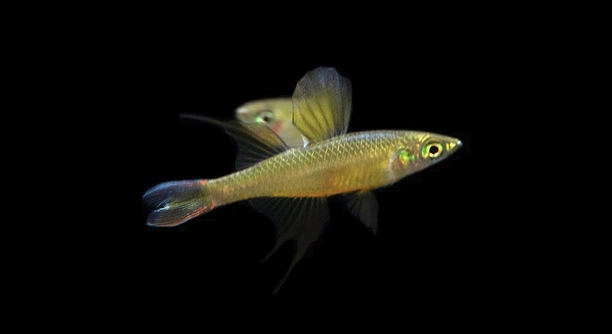
Do you enjoy keeping a lively aquarium but find yourself thinking about which fish can safely share the same tank? Threadfin Rainbowfish and guppies are popular choices for small community setups. Both species are colorful and active swimmers.
Threadfin Rainbowfish can generally coexist with guppies in a well-maintained community tank. Proper tank size, hiding spaces, and compatible water parameters are essential. Monitoring interactions during initial introductions helps prevent aggression and ensures peaceful cohabitation.
Observing your fish behavior closely can help maintain a harmonious tank. The following guide provides tested combinations and practical tips for successful mixing.
Understanding Threadfin Rainbowfish Temperament
Threadfin Rainbowfish are generally peaceful but active fish. They enjoy swimming in schools and require ample open space in the tank. Their temperament makes them suitable for community tanks, but they can become stressed if overcrowded. Aggression is rare, yet males may display mild chasing during mating periods. Providing plants, driftwood, or decorations allows them to establish territories and hide when needed. Temperature and water conditions play a significant role in keeping them calm. They thrive in slightly acidic to neutral pH and moderately hard water. Maintaining consistent water parameters reduces stress and prevents disease outbreaks. Their schooling behavior also encourages them to interact safely with other peaceful species like guppies. Over time, they develop stable social hierarchies that minimize conflicts. Observing their behavior daily helps catch signs of stress or illness early. Regular feeding of varied diets ensures they remain healthy and colorful. Tank maintenance is crucial to sustaining this peaceful balance.
Threadfin Rainbowfish prefer calm companions and stable tank environments. Proper spacing and hiding spots reduce stress and aggression.
Keeping Threadfin Rainbowfish with guppies is manageable if tank conditions are ideal. Both species enjoy similar water parameters, including temperature around 24–28°C and slightly acidic to neutral pH. A tank of at least 20 gallons is recommended to allow sufficient swimming space. Plant coverage and floating plants provide shelter and reduce potential chasing. Feeding both species a mix of high-quality flakes, frozen foods, and occasional live treats ensures balanced nutrition. Introducing them gradually and observing initial interactions prevents conflicts. Removing aggressive or overly dominant fish early helps maintain harmony. Water changes of 20–30% weekly improve water quality and reduce stress. Monitoring fish for signs of fin nipping or unusual hiding behavior is important, especially during breeding periods. Overall, with careful planning, Threadfin Rainbowfish and guppies coexist peacefully, offering a colorful, dynamic community tank without major issues.
Choosing the Right Tank Setup
A well-planned tank reduces stress for both Threadfin Rainbowfish and guppies. Proper filtration, hiding spots, and swimming space are key for healthy interactions.
Selecting the right tank involves balancing space, décor, and water conditions. Threadfin Rainbowfish thrive in open areas with gentle currents, while guppies enjoy plants and small hiding spaces. Combining these needs means placing taller plants around the edges and leaving the center open for swimming. Substrate choice should allow easy maintenance, with sand or fine gravel preferred. Lighting should be moderate to enhance fish coloration without causing algae overgrowth. Consistent temperature and pH maintenance help reduce stress and prevent aggression. Adding floating plants creates shaded areas that both species appreciate. A strong filtration system ensures water remains clean despite active swimming. Aeration improves oxygen levels, particularly in tanks with multiple fish. Grouping Threadfin Rainbowfish in small schools encourages natural schooling behavior and reduces attention on guppies. Introducing guppies gradually allows them to acclimate to the established fish and environment. Observation during the first few days is critical to adjust décor, feeding routines, or water flow as needed to maintain a peaceful community.
Feeding Threadfin Rainbowfish and Guppies
Both Threadfin Rainbowfish and guppies benefit from a varied diet that includes flakes, frozen foods, and occasional live treats. Balanced nutrition ensures vibrant colors, healthy growth, and active behavior in a community tank.
Providing a mix of high-quality flake food, micro-pellets, and frozen or live foods such as brine shrimp or daphnia keeps both species healthy. Feeding small amounts two to three times daily prevents overfeeding and maintains water quality. Live foods also encourage natural hunting instincts and improve fish activity. Rotating food types ensures they receive essential vitamins and minerals. Observing their eating habits helps detect early signs of illness or stress, allowing for prompt intervention. Overfeeding can cause obesity and water pollution, so portion control is important. Adjusting feeding based on the number of fish maintains a balanced tank ecosystem.
Threadfin Rainbowfish tend to feed in the mid-water column, while guppies often graze near the surface. Separating feeding areas slightly helps reduce competition and stress. Monitoring both species ensures each receives adequate nutrition without domination by larger fish.
Breeding Considerations
Threadfin Rainbowfish breed by scattering eggs among plants or fine substrate. Guppies are livebearers, giving birth to fully formed fry that require immediate attention for survival.
Maintaining separate areas or dense plant coverage reduces predation of guppy fry by other tank mates. Threadfin Rainbowfish eggs are often eaten if left unprotected, so using breeding nets or separate tanks increases success. Water quality and temperature consistency are crucial for both species to breed successfully. Regular observation of mating behaviors helps predict spawning events. Guppies breed frequently, so monitoring population growth prevents overcrowding. A dedicated feeding routine for fry, using powdered or finely crushed foods, ensures their development. Avoid sudden changes in water chemistry, as both species are sensitive during breeding periods. Managing adult fish and fry interactions carefully improves survival rates and overall tank harmony.
Tank Mates to Avoid
Aggressive or larger fish can stress Threadfin Rainbowfish and guppies. Avoid cichlids, tiger barbs, and other fin-nippers that may chase or harm them. Peaceful community fish are safer choices for a harmonious aquarium.
Small, timid fish may also struggle if the tank becomes overcrowded. Overpopulation increases competition for food and territory, raising stress levels and the risk of disease. Maintaining a balanced fish count ensures both Threadfin Rainbowfish and guppies can thrive without aggression or malnutrition.
Water Parameters
Both species prefer slightly acidic to neutral pH between 6.5 and 7.5. Water temperature should remain consistent around 24–28°C to support health and activity. Regular testing prevents harmful fluctuations and keeps the tank stable.
Acclimating New Fish
Introduce new Threadfin Rainbowfish or guppies slowly using drip acclimation. Gradual adaptation to water conditions reduces stress and improves survival rates in the community tank.
Common Health Concerns
Both species are prone to ich and fin rot if water quality is poor. Regular maintenance and observation help prevent these issues.
FAQ
Can Threadfin Rainbowfish and guppies live together long-term?
Yes, they can coexist peacefully if the tank is well-maintained. Both species prefer similar water conditions, including slightly acidic to neutral pH and temperatures between 24–28°C. Adequate space, hiding spots, and plant coverage reduce stress and prevent aggression. Monitoring their interactions during the first few weeks is important to ensure harmony.
Do Threadfin Rainbowfish nip at guppies’ fins?
Generally, Threadfin Rainbowfish are peaceful and rarely nip fins. Mild chasing may occur during mating displays, but it is not usually harmful. Providing enough swimming space and visual barriers like plants or decorations minimizes potential stress. Avoid pairing them with known fin-nippers or overly aggressive species.
How should I feed both species together?
Feed small amounts two to three times a day. Offer a mix of high-quality flake foods, micro-pellets, and occasional frozen or live foods such as brine shrimp. Observe their feeding behavior to ensure neither species dominates. Adjust portions based on tank population and monitor water quality to prevent overfeeding.
Can they share the same tank decorations?
Yes, but balance is important. Threadfin Rainbowfish prefer open swimming areas, while guppies like plants for hiding. Place taller plants and floating coverage along tank edges and keep the center open for swimming. Decorations like driftwood and smooth rocks provide visual barriers, helping reduce stress and establishing territories without crowding the tank.
Do guppies and Threadfin Rainbowfish have different breeding needs?
Yes. Guppies are livebearers, giving birth to fully formed fry that require separate spaces to avoid predation. Threadfin Rainbowfish scatter eggs among plants or fine substrate. Protecting eggs or using breeding nets improves survival. Maintaining consistent water parameters and observing breeding behavior increases success for both species.
What tank size is recommended for both species?
A minimum 20-gallon tank is recommended to provide adequate swimming space. Larger tanks are preferable when keeping multiple Threadfin Rainbowfish or guppies to reduce stress, competition, and aggression. Adequate filtration and regular water changes help maintain stable conditions and support their activity levels.
How can I prevent disease in a shared tank?
Maintain high water quality with weekly 20–30% water changes. Monitor temperature, pH, and hardness. Quarantine new fish before introduction. Feed a balanced diet and observe daily for signs of illness, such as fin rot or ich. Prompt treatment and consistent maintenance reduce disease risks for both species.
Are there any behavioral issues to watch for?
Aggression is rare but can occur during breeding or overcrowding. Watch for fin nipping, excessive hiding, or lethargy. Providing ample space, visual barriers, and hiding spots reduces stress. Observing interactions closely helps identify any dominant fish that may require separation to maintain a peaceful environment.
Do these fish require special lighting?
Moderate lighting enhances coloration without promoting excessive algae growth. Threadfin Rainbowfish and guppies do not need intense lighting but benefit from a consistent day-night cycle. Floating plants help diffuse light, provide shelter, and mimic natural habitats, supporting both species’ well-being.
Can they tolerate fluctuations in water parameters?
Both species are sensitive to rapid changes in temperature, pH, or hardness. Sudden fluctuations can stress fish, lower immunity, and trigger disease. Gradual adjustments during acclimation or maintenance prevent shock and support long-term health. Regular testing and stable conditions are key to a harmonious tank.
How often should I monitor the tank?
Daily observation is recommended to check behavior, feeding patterns, and overall health. Weekly water tests and regular partial water changes help maintain stable conditions. Monitoring ensures any issues are addressed quickly, keeping both Threadfin Rainbowfish and guppies healthy and active in the shared tank environment.
What are the signs of stress in either species?
Stress may appear as hiding, loss of appetite, color fading, or erratic swimming. Environmental factors, overcrowding, or poor water quality are common causes. Immediate adjustments to tank conditions, hiding spots, and diet help reduce stress and restore normal behavior.
Can they live with other community fish?
Yes, they are compatible with peaceful species like small tetras, rasboras, and Corydoras catfish. Avoid aggressive or fin-nipping fish that may harm them. Choosing compatible tank mates supports a stable community and reduces the risk of conflict.
Is breeding in a community tank possible?
Yes, but precautions are necessary. Guppy fry are vulnerable to adult fish, and Threadfin Rainbowfish eggs may be eaten if unprotected. Dense plants or breeding nets improve survival. Regular observation ensures proper care for both species during reproduction.
How do I handle overcrowding?
Overcrowding increases stress, disease risk, and aggression. Maintain appropriate stocking levels and consider separating excess fish into another tank. Adequate filtration, open swimming areas, and hiding spots help mitigate some stress but cannot replace proper population management.
Can I mix different color strains safely?
Yes, mixing strains does not typically affect compatibility. Ensure water conditions and tank setup are suitable for all fish. Color variation does not influence behavior, but watch for minor territorial displays, particularly during breeding periods.
What is the ideal water hardness?
Both species prefer moderately hard water between 8–12 dGH. Consistent hardness supports proper physiological functions, promotes vibrant coloration, and reduces stress. Sudden changes should be avoided to prevent shock and maintain overall tank health.
How do I introduce new fish to the tank?
Use drip acclimation to gradually adjust new fish to existing water conditions. Introduce them slowly to prevent stress and allow established fish to adapt. Monitor interactions closely for the first week and provide extra hiding spaces if needed.
Can these fish live in planted tanks?
Yes, they thrive in planted tanks. Plants provide shelter, improve water quality, and create natural territories. Floating plants offer shaded areas, while rooted plants give Threadfin Rainbowfish and guppies places to rest and hide. This setup reduces stress and encourages natural behavior.
Are these species hardy enough for beginners?
Yes, with proper tank maintenance and monitoring, they are suitable for hobbyists with basic experience. Attention to water quality, diet, and tank setup ensures both species remain healthy, active, and compatible in a community aquarium.
What are common mistakes to avoid?
Overcrowding, sudden water changes, poor diet, and incompatible tank mates are frequent errors. Maintaining proper space, stable water conditions, balanced feeding, and careful species selection prevents stress, disease, and aggression, ensuring a peaceful, thriving community tank.
Can I keep only one of each species?
While possible, Threadfin Rainbowfish prefer schooling, and guppies thrive with social interaction. Keeping multiple individuals of each species promotes natural behavior, reduces stress, and ensures a lively, active tank environment.
How do I maintain color vibrancy?
A varied diet rich in nutrients, proper lighting, and clean water enhance natural colors. Stress reduction, stable water conditions, and the presence of plants and open swimming areas contribute to vibrant, healthy fish over time.
Are there seasonal considerations for water temperature?
Yes, seasonal temperature fluctuations can stress both species. Indoor tanks may require heaters during colder months and careful monitoring during warmer months to maintain consistent temperatures between 24–28°C. Gradual adjustments prevent shock and maintain health.
Is it necessary to separate aggressive fish?
Yes, any dominant or aggressive fish should be isolated if they harm others. Providing separate tanks or barriers prevents injury, reduces stress, and maintains peace for Threadfin Rainbowfish and guppies.
How do I handle sudden illness?
Quarantine affected fish immediately, check water parameters, and treat with appropriate medication. Regular observation, proper diet, and clean water minimize risks, ensuring fast recovery and preventing outbreaks.
Can I use tap water for both species?
Yes, but treat it with a water conditioner to remove chlorine or chloramine. Testing pH, hardness, and temperature ensures safe conditions. Regular monitoring prevents harmful fluctuations and supports long-term health for both species.
Do these fish need aeration?
Moderate aeration improves oxygen levels, especially in densely stocked tanks. Both species are active swimmers, and additional oxygen helps maintain energy levels and reduces stress in community setups.
What is the lifespan of Threadfin Rainbowfish and guppies?
Threadfin Rainbowfish typically live 5–7 years, while guppies live around 2–3 years. Proper care, stable water conditions, balanced diet, and a peaceful environment contribute to reaching full lifespan potential.
Can I breed multiple strains together?
Yes, but monitor for inbreeding and health issues. Maintaining diverse genetic stock prevents weakened offspring and preserves vigor. Separate tanks for different breeding lines improve management.
How do I encourage schooling behavior in Threadfin Rainbowfish?
Keep at least six individuals together in a spacious tank. Open swimming areas and minimal disturbance encourage natural schooling. Observing group dynamics ensures peaceful integration with guppies and other community fish.
How important is filtration?
Strong, efficient filtration maintains water clarity, removes toxins, and supports overall tank health. Both species produce moderate waste, so filters are essential to reduce disease risks and maintain a stable environment for long-term coexistence.
Do Threadfin Rainbowfish jump?
Yes, they can be jumpers. A secure lid or cover prevents escapes and protects them from injury. This precaution is especially important in community tanks with active guppies.
Can they tolerate low light conditions?
They prefer moderate lighting but can tolerate dimmer conditions. Low light may reduce activity levels and dull coloration. Combining adequate lighting with shaded areas improves overall fish health and behavior.
Are there special considerations for fry survival?
Guppy fry should be separated or provided dense plants to avoid predation. Threadfin Rainbowfish eggs benefit from breeding nets or protected areas. Regular feeding of appropriate-sized foods supports proper growth and survival.
How do I maintain stable pH?
Use buffering substrates, regular water changes, and test kits to monitor pH. Avoid sudden chemical additions. Stable pH reduces stress, supports health, and encourages natural behavior for both species.
Can these fish tolerate brackish water?
No, both species prefer freshwater environments. Even small amounts of salt can cause stress and health issues. Maintaining freshwater conditions is critical for their long-term well-being.
How do I prevent aggression during breeding?
Provide hiding spaces, open swimming areas, and visual barriers. Monitor interactions, and separate overly aggressive fish if necessary. Careful observation and tank management reduce stress and increase breeding success.
Is tank cycling necessary before adding these fish?
Yes, fully cycling the tank establishes beneficial bacteria that process waste. A cycled tank prevents ammonia and nitrite spikes, ensuring safe conditions for both Threadfin Rainbowfish and guppies.
Do they need a varied diet for color enhancement?
Yes, incorporating live foods, frozen treats, and high-quality flakes or pellets improves coloration, health, and energy. Variety prevents nutritional deficiencies and keeps fish vibrant and active.
What is the ideal group size for Threadfin Rainbowfish?
A minimum of six individuals encourages schooling behavior, reduces stress, and promotes natural activity. Smaller groups may exhibit shyness or increased chasing behavior, affecting tank harmony.
Are guppies aggressive toward Threadfin Rainbowfish?
Guppies are generally peaceful and do not display aggression toward Threadfin Rainbowfish. Minor chasing can occur during feeding or mating, but it is usually harmless if the tank provides enough space and hiding spots.
How often should I clean the tank?
Perform weekly partial water changes of 20–30% and remove debris from the substrate. Clean filter media as needed without disrupting beneficial bacteria. Regular maintenance keeps water quality high and fish healthy.
Can I mix males and females freely?
Yes, but monitor for breeding-related stress. Male guppies may chase females excessively, and male Threadfin Rainbowfish may display mild chasing. Hiding spots and adequate space reduce conflict.
Do they need supplemental vitamins?
Occasional supplementation through varied diets or fortified foods supports health, coloration, and immune function. Over-supplementing is unnecessary and may harm water quality.
How do I handle tank emergencies?
Have water testing kits, a quarantine tank, and basic medications on hand. Quick response to disease, parameter spikes, or injuries prevents severe losses. Observing fish behavior regularly helps detect issues early.
Can they tolerate slight overcrowding?
Mild overcrowding may be manageable temporarily, but prolonged stress increases aggression, disease, and reduced growth. Proper stocking and tank size are essential for long-term health.
What are the best plant choices?
Java fern, hornwort, and floating plants provide shelter, reduce stress, and mimic natural habitats. They are hardy, easy to maintain, and compatible with both species’ activity levels.
Can I keep them with bottom dwellers?
Yes, peaceful bottom dwellers like Corydoras or small loaches complement their activity. Ensure enough space to prevent competition and maintain balanced tank dynamics.
Is water temperature fluctuation harmful?
Yes, sudden changes can stress fish, lower immunity, and trigger disease. Maintain stable temperature between 24–28°C with gradual adjustments when needed.
Do they interact with each other naturally?
Yes, Threadfin Rainbowfish and guppies often swim together or occupy different areas without conflict. Adequate space and hiding spots encourage peaceful coexistence.
How do I identify illness early?
Watch for color fading, lethargy, abnormal swimming, clamped fins, or loss of appetite. Early detection allows prompt treatment and reduces mortality risk.
Can they tolerate city tap water?
Yes, if treated with a water conditioner to remove chlorine or chloramine. Testing pH and hardness ensures safe conditions for both species.
Do they prefer soft or hard water?
Moderately hard water between 8–12 dGH suits both species. Stable hardness supports overall health, coloration, and reduces stress.
Are Threadfin Rainbowfish more sensitive than guppies?
Slightly. They are more affected by rapid water changes or overcrowding. Careful monitoring and gradual adjustments reduce stress and support harmony.
How often should I test water?
Weekly testing for ammonia, nitrites, nitrates, pH, and hardness ensures stable conditions. More frequent checks may be needed during new fish introductions or illness outbreaks.
Can they live in a small community tank?
Yes, but tank size should accommodate schooling behavior and swimming space. Minimum 20 gallons is recommended for a small group of Threadfin Rainbowfish with guppies.
Is lighting crucial for behavior?
Moderate lighting encourages natural activity and coloration. Combining shaded areas with open spaces supports both species’ comfort and reduces stress.
Do they need hiding places?
Yes, plants, driftwood, and rocks provide shelter, reduce stress, and allow fish to establish territories. Hiding spots are especially important during breeding or aggressive periods.
Are Threadfin Rainbowfish schooling fish?
Yes, they feel secure in groups of six or more. Schooling reduces stress, encourages natural movement, and improves overall tank dynamics.
Can guppies live with only a few Threadfin Rainbowfish?
Yes, guppies are adaptable, but Threadfin Rainbowfish prefer small schools. Keeping at least six Rainbowfish ensures natural behavior without stressing guppies.
Do I need to quarantine new fish?
Always quarantine new arrivals for 2–3 weeks to monitor for disease. This prevents introducing pathogens into the established community tank.
How do I prevent fin rot?
Maintain clean water, avoid overcrowding, and provide a balanced diet. Prompt treatment at early signs prevents the spread and ensures full recovery.
Can they tolerate varying light cycles?
Consistent day-night cycles are preferable. Irregular lighting can stress fish, affect feeding behavior, and reduce coloration.
Do Threadfin Rainbowfish and guppies get along with snails or shrimp?
Yes, peaceful invertebrates like snails or shrimp are generally safe companions. They help clean the tank and occupy different areas, reducing competition.
How do I know if the tank is overstocked?
Signs include constant chasing, poor water quality, and stress behaviors. Follow recommended stocking guidelines and monitor regularly to prevent overcrowding.
What is the recommended filter type?
A reliable canister or hang-on-back filter providing mechanical, chemical, and biological filtration supports clean water and healthy fish.
Are floating plants beneficial?
Yes, they provide shade, reduce stress, and allow guppies and Threadfin Rainbowfish to establish natural territories, improving overall tank harmony.
Can they live together in a planted tank?
Yes, a planted tank with open swimming areas and shaded regions supports peaceful coexistence, reduces stress, and encourages natural behavior.
Do they require any special care for winter months?
Maintain stable temperature with a heater if needed. Monitor water quality and reduce sudden changes to avoid stress during colder months.
Is feeding live food necessary?
Not necessary, but occasional live food improves activity, coloration, and natural hunting behavior. Rotating food types ensures balanced nutrition.
Do they need surface or mid-water feeding?
Guppies prefer surface feeding, while Threadfin Rainbowfish feed in the mid-water column. Slight separation during feeding reduces competition and stress.
Are they sensitive to chemicals?
Yes, avoid heavy metals, pesticides, or untreated tap water. Using conditioners and safe cleaning products ensures a stable, healthy environment.
Can they tolerate moderate current?
Yes, they appreciate gentle water flow that mimics natural habitats. Strong currents may stress guppies, so balance flow accordingly.
How do I manage excessive breeding?
Separate fry, reduce male-female ratios, and provide hiding spots. Regular monitoring and population control prevent overcrowding and maintain tank balance.
Do they interact differently in large tanks?
Yes, larger tanks reduce stress, improve schooling behavior, and minimize chasing or territorial conflicts. Ample space supports harmonious community dynamics.
Can they coexist with bettas?
Not recommended. Betta males can be aggressive and fin-nip, posing risks to both Threadfin Rainbowfish and guppies. Peaceful species are safer choices.
How do I maintain clean substrate?
Regular vacuuming during water changes removes waste, uneaten food, and debris, preventing disease and maintaining water quality.
Do Threadfin Rainbowfish require social interaction?
Yes, they are schooling fish that need company. Isolation can lead to stress, hiding, and reduced activity.
Can guppies tolerate cooler water than Rainbowfish?
They can tolerate slight differences, but both species thrive best in stable temperatures around 24–28°C. Sudden drops may cause stress.
Are they compatible with dwarf cichlids?
Only peaceful, small dwarf cichlids may coexist. Avoid aggressive species, as they can harm fins and stress smaller fish.
Do they need regular observation?
Yes, daily checks for behavior, health, and water conditions ensure early intervention and long
Threadfin Rainbowfish and guppies can coexist in a community tank when proper care and planning are applied. Both species share similar water requirements, including slightly acidic to neutral pH and temperatures between 24–28°C. Ensuring a well-maintained tank with adequate swimming space, hiding spots, and plant coverage reduces stress and prevents aggression. Observing behavior during the first few weeks after introduction is important to identify any signs of conflict or stress. A tank size of at least 20 gallons is recommended for a small group of Threadfin Rainbowfish with several guppies. Larger tanks provide more room for schooling behavior and reduce the chances of chasing or territorial disputes. Regular maintenance, such as partial water changes and monitoring water parameters, supports a stable environment for both species. Keeping the water clean also reduces the risk of common health issues like ich or fin rot.
Feeding practices play a critical role in maintaining harmony between these fish. Both Threadfin Rainbowfish and guppies thrive on a varied diet, including high-quality flakes, micro-pellets, and occasional frozen or live foods. Small, frequent feedings help prevent overfeeding and ensure that all fish receive proper nutrition. Observing feeding behavior is important, as Threadfin Rainbowfish often feed in the mid-water column while guppies tend to graze near the surface. Separating feeding areas slightly can reduce competition and stress. Live foods like brine shrimp or daphnia also encourage natural hunting instincts and keep fish active. A balanced diet not only promotes healthy growth and vibrant coloration but also strengthens the immune system, helping prevent disease. Over time, consistent feeding routines combined with proper water conditions create a peaceful and thriving aquarium environment.
Breeding and social dynamics should also be considered when mixing these species. Guppies are prolific livebearers, while Threadfin Rainbowfish scatter eggs among plants or substrate. Protecting fry and eggs is essential to ensure survival. Providing dense plant coverage or using breeding nets helps reduce predation. Threadfin Rainbowfish are schooling fish, so keeping at least six individuals encourages natural behavior and reduces stress. Guppies benefit from social interaction as well, thriving in groups rather than alone. Monitoring interactions, maintaining consistent water conditions, and providing hiding spots help manage breeding-related behavior and prevent conflicts. With careful attention to tank size, water parameters, diet, and social needs, Threadfin Rainbowfish and guppies can coexist peacefully, offering a colorful and dynamic aquarium environment that is both enjoyable and sustainable.

Hello,
If you enjoy the content that we create, please consider saying a "Thank You!" by leaving a tip.
Every little bit helps us continue crafting quality advice that supports the health, happiness, and well-being of pets around the world, for pets of all shapes, sizes, and species.
We really appreciate the kindness and support that you show us!