
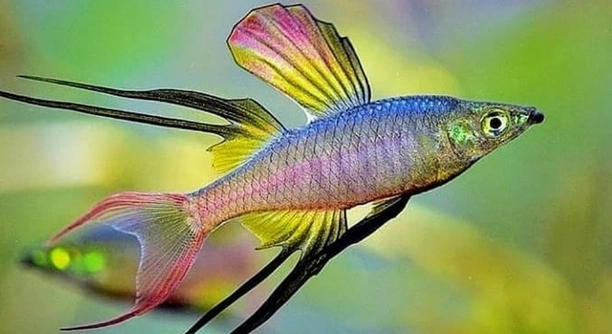
Do you ever find yourself admiring the vibrant colors of your Threadfin Rainbowfish while wondering what keeps them healthy and active in your aquarium? These small, lively fish require proper nutrition to thrive in captivity.
Threadfin Rainbowfish primarily eat small live or frozen foods such as brine shrimp, daphnia, and bloodworms, supplemented with high-quality flake or pellet food. A varied diet ensures proper growth, vivid coloration, and overall health for these freshwater fish.
Understanding the feeding needs of these rainbowfish can make a significant difference in their well-being and longevity in your tank environment. Proper care starts with knowing what to offer daily.
Ideal Diet for Threadfin Rainbowfish
Threadfin Rainbowfish thrive on a diet that is both varied and nutrient-rich. Small live foods like brine shrimp, daphnia, and bloodworms are excellent protein sources and closely mimic their natural feeding habits. Supplementing with high-quality flake or pellet food ensures they receive essential vitamins and minerals. Including occasional vegetable matter, such as blanched spinach or spirulina flakes, can support digestion and overall health. It is important to feed them in small amounts two to three times a day to prevent overfeeding and maintain water quality. Observing their behavior during feeding helps you gauge whether they are receiving enough nutrients, as active and brightly colored fish typically indicate proper nutrition. Avoid relying solely on dry foods, as this can lead to deficiencies. Rotating between different food types keeps the fish engaged, encourages natural foraging behavior, and supports long-term vitality. Proper attention to feeding helps maintain their shimmering appearance and energetic movements.
A balanced diet improves their color, activity, and resilience against common freshwater illnesses, making it easier to care for them.
Overfeeding can quickly become a problem. Uneaten food decays, lowering water quality and increasing the risk of disease. Carefully portioned meals, combined with regular tank maintenance, help prevent these issues. Observing your fish’s appetite and adjusting food quantity ensures they stay healthy without wasting supplies or harming the aquarium ecosystem.
Feeding Schedule and Tips
Threadfin Rainbowfish do best with multiple small feedings rather than one large meal.
Consistency is key. Feeding twice or three times daily in small portions prevents bloating and maintains water cleanliness. Live or frozen foods should be offered first, followed by flake or pellet supplements. Avoid sudden changes in diet, as this can stress the fish. Using a feeding ring can help control floating foods and ensure all fish have access. Monitoring their response helps adjust portions effectively.
When planning a feeding routine, it is essential to consider their active nature and social behavior. They are schooling fish, so feeding them together reduces competition and stress. Begin with live or frozen foods to stimulate natural hunting instincts. Afterward, introduce flake or pellet options to provide essential nutrients. Observe the fish during each feeding to ensure every individual gets a portion, especially weaker or slower swimmers. Avoid overfeeding, as leftover food can accumulate, leading to poor water quality and potential health problems. Incorporating a variety of foods encourages natural behavior, supports vibrant colors, and enhances overall vitality. Adjust feeding frequency based on the size and age of the fish, providing more frequent small meals for juveniles and slightly larger portions for adults. Maintaining a structured feeding schedule improves their immune system, reduces stress, and promotes longevity. Consistent observation allows fine-tuning of portions, ensuring balanced nutrition while keeping the tank environment clean and stable.
Common Feeding Mistakes
Overfeeding is the most frequent mistake, leading to poor water quality and health issues. Uneaten food can rot and release harmful toxins. Feeding too infrequently can also cause stress and malnutrition. Observing your fish and adjusting portions is essential for their well-being.
Many owners rely too heavily on dry flake or pellet foods. While convenient, these foods alone do not provide sufficient protein or variety. Threadfin Rainbowfish benefit from live or frozen foods to stimulate natural hunting instincts and encourage activity. Rotating food types supports growth, coloration, and overall vitality. Ignoring these needs can lead to dull colors and slower development.
Another common error is sudden diet changes. Abruptly switching foods can stress the fish and lead to reduced appetite or digestive issues. Introduce new foods gradually, mixing small amounts with their current diet. Patience during this process helps the fish adjust, maintain proper nutrition, and avoid unnecessary health problems.
Special Considerations for Juveniles
Juvenile Threadfin Rainbowfish require more frequent feedings than adults to support rapid growth and development.
Young fish need a higher protein intake for proper growth. Feeding small amounts three to four times daily ensures they receive adequate nutrients without overloading the tank with uneaten food. Live foods, such as baby brine shrimp, are particularly beneficial for juveniles, as they provide easily digestible nutrition and encourage natural foraging behavior. Supplementing occasionally with finely crushed flake food ensures they receive essential vitamins and minerals. Maintaining consistent feeding times helps establish a healthy routine.
Juveniles are more sensitive to water conditions, so careful monitoring of tank cleanliness is crucial. Uneaten food decomposes quickly, increasing ammonia and nitrite levels, which can be harmful. Observing their behavior during feeding allows adjustment of portion sizes to avoid overfeeding. Gradually introducing new food types helps prevent digestive problems and encourages a balanced diet. Providing a mix of live, frozen, and finely crushed dry foods ensures proper growth, vivid coloration, and strong immune systems. Supporting healthy development in juveniles sets the foundation for long-term vitality and reduces the risk of stunted growth or illness later.
Live vs. Frozen Foods
Live foods, such as brine shrimp and daphnia, provide essential protein and encourage natural hunting behaviors. They are highly nutritious and keep fish active.
Frozen foods offer convenience while still maintaining nutritional value. Thawing properly before feeding ensures the fish can eat easily without affecting water quality.
Vegetables and Plant Matter
Blanched vegetables like spinach, zucchini, and peas can supplement a rainbowfish’s diet. These foods provide fiber and aid digestion, supporting overall health. Offering small amounts a few times per week adds variety without overloading the tank or causing nutrient imbalance.
Feeding During Breeding
During breeding, Threadfin Rainbowfish require increased protein intake to support energy and reproductive health. Small live foods and high-quality pellets can boost vitality and improve spawning success. Maintaining a consistent feeding schedule helps parents stay healthy while caring for eggs and fry.
Portion Control
Feeding too much at once can lead to water quality issues and stress. Providing small, measured portions ensures all fish eat while keeping the tank clean.
FAQ
What is the best type of food for Threadfin Rainbowfish?
Threadfin Rainbowfish do best on a varied diet that includes live foods like brine shrimp, daphnia, and bloodworms, along with high-quality flakes or pellets. Adding occasional vegetable matter, such as blanched spinach or spirulina flakes, supports digestion and overall health. A mixed diet helps maintain their vibrant colors and active behavior.
How often should I feed them?
Feeding small amounts two to three times daily is ideal. Juveniles may need three to four smaller feedings, while adults do well with two. Frequent, small feedings prevent overfeeding and help maintain water quality, while ensuring the fish receive sufficient nutrients.
Can I feed only flakes or pellets?
Relying solely on flakes or pellets is not recommended. While convenient, these foods lack variety and some essential nutrients. Live or frozen foods are important to mimic natural hunting behaviors and provide adequate protein for growth, coloration, and vitality.
How do I know if I am overfeeding?
Uneaten food accumulating at the bottom of the tank indicates overfeeding. Fish may also appear bloated or sluggish. Observing their appetite and behavior during feeding allows you to adjust portions appropriately, keeping them healthy and the water clean.
Are vegetables necessary in their diet?
Vegetables are not required daily but are a useful supplement. Offering small amounts of blanched spinach, peas, or zucchini a few times a week provides fiber, supports digestion, and adds variety to the diet.
What foods are unsafe for Threadfin Rainbowfish?
Avoid processed human foods, large insects, or anything that could decay quickly in the tank. Certain meats and oils can upset their digestive system and lead to poor water quality. Always ensure live or frozen foods are safe and properly prepared.
How should I feed during breeding?
During breeding, increasing protein intake is beneficial. Small live foods and high-quality pellets support energy and reproductive health. Feeding should remain frequent and carefully portioned to avoid stress while ensuring parents maintain vitality for successful spawning.
Can they be fed together with other fish?
Yes, but monitor to ensure all Threadfin Rainbowfish get access to food. They are schooling fish, so competition is usually minimal, but slower or weaker fish may need extra attention to prevent them from missing meals.
Do they require supplements or vitamins?
If the diet is varied with live, frozen, and quality flake or pellet foods, additional supplements are generally unnecessary. In cases where fish show signs of deficiency, adding a vitamin-enriched flake or pellet occasionally can help maintain health.
Is it okay to feed frozen foods straight from the freezer?
No, frozen foods should be thawed first to prevent digestive stress and sudden drops in tank temperature. Rinsing briefly in aquarium water before feeding can also reduce water contamination.
How much should juveniles eat compared to adults?
Juveniles need more frequent, smaller meals to support rapid growth. Adults require slightly larger portions fewer times per day. Adjust portions based on their size, age, and activity level to ensure proper nutrition without overfeeding.
What signs indicate a healthy feeding routine?
Healthy, active fish with bright coloration, responsive behavior, and normal swimming patterns indicate a well-balanced diet. Lack of appetite, dull colors, or sluggishness may signal dietary issues or water quality problems.
Can I use automated feeders?
Automated feeders can work if programmed for small, frequent portions. They are especially helpful when feeding multiple times a day is difficult. Regular observation is still necessary to prevent overfeeding and ensure all fish are eating adequately.
How do I introduce new foods?
Introduce new foods gradually, mixing small amounts with their current diet. Sudden changes can stress the fish or reduce appetite. Gradual introduction helps them adapt, maintain proper nutrition, and avoid digestive problems.
Are there any seasonal or environmental feeding adjustments?
Temperature and tank conditions affect metabolism. In cooler water, fish may eat less, while in warmer water, they may require slightly more food. Adjust portions and feeding frequency accordingly, observing behavior and appetite for guidance.
What is the best method to feed floating versus sinking foods?
Floating foods like flakes should be offered in controlled portions, ideally with a feeding ring to prevent scattering. Sinking foods, such as bloodworms or pellets, should be spread evenly so all fish can access them without competition or stress.
Can overfeeding affect their lifespan?
Yes, chronic overfeeding leads to poor water quality, obesity, and health problems, which can reduce lifespan. Maintaining proper portion sizes and consistent feeding schedules supports long-term health and vitality.
How do I prevent selective feeding?
Offering a variety of foods at the same time encourages all fish to eat. Rotating between live, frozen, and flake or pellet foods prevents picky behavior and ensures balanced nutrition for every individual in the tank.
Is it okay to skip a feeding occasionally?
Skipping a feeding once in a while is generally safe, especially if the fish are healthy. Consistency is important, but short breaks do not harm adults. Avoid making it a habit, as regular nutrition supports growth, color, and activity.
How can I tell if a specific food is improving their health?
Improved coloration, increased activity, healthy body shape, and consistent appetite indicate that a particular food is beneficial. Monitoring these signs helps refine the feeding routine and maintain the overall well-being of the fish.
This FAQ provides practical guidance for maintaining healthy, active, and vibrant Threadfin Rainbowfish through proper feeding, portioning, and observation.
Final Thoughts
Proper nutrition is the foundation of keeping Threadfin Rainbowfish healthy and vibrant. These fish require a varied diet that includes live or frozen foods, such as brine shrimp, daphnia, and bloodworms, along with high-quality flakes or pellets. Incorporating occasional vegetable matter, like blanched spinach or spirulina flakes, helps maintain digestion and provides essential vitamins. Feeding multiple small meals each day, rather than one large feeding, ensures the fish get the nutrients they need without overloading the tank. Observing their behavior during feeding is important, as active, brightly colored fish are usually a sign of good health. Overfeeding and sudden diet changes can lead to digestive issues, stress, and poor water quality, so careful portion control and gradual introduction of new foods are essential. Paying attention to these basics helps maintain a stable, clean environment and keeps the fish energetic and thriving.
Juveniles and adults have slightly different feeding needs. Younger fish grow quickly and need more frequent meals, ideally three to four small portions each day. Live foods are especially useful for juveniles because they are easy to digest and stimulate natural foraging behavior. Adults generally require two feedings daily, with slightly larger portions. A balanced mix of live, frozen, and dry foods supports healthy growth, vibrant coloration, and overall vitality in both juveniles and adults. Consistency in feeding routines also helps reduce stress and competition among fish, ensuring that each individual has access to sufficient food. Special attention is necessary during breeding periods, as increased protein intake supports reproductive health and energy levels. Maintaining a proper feeding schedule helps the fish remain strong and supports the survival and development of eggs and fry. Understanding these differences ensures that all stages of life are properly supported.
Maintaining the health of Threadfin Rainbowfish is more than just feeding them the right foods; it involves careful observation and attention to detail. Avoiding overfeeding, monitoring water quality, and offering a variety of foods are all essential for their long-term well-being. Supplementing diets with occasional vegetables and properly thawed frozen foods can prevent deficiencies and keep fish active. Observing their color, appetite, and behavior provides valuable feedback on whether the diet is meeting their needs. Structured feeding routines, combined with regular tank maintenance, prevent common issues and ensure a clean, stable environment. Over time, this consistent care allows the fish to develop their full potential, displaying vivid colors, energetic movements, and natural behaviors. By understanding and applying these practices, it becomes easier to maintain a thriving aquarium where Threadfin Rainbowfish can live long, healthy lives, bringing both beauty and enjoyment to the tank.
Word count: 404

Hello,
If you enjoy the content that we create, please consider saying a "Thank You!" by leaving a tip.
Every little bit helps us continue crafting quality advice that supports the health, happiness, and well-being of pets around the world, for pets of all shapes, sizes, and species.
We really appreciate the kindness and support that you show us!