
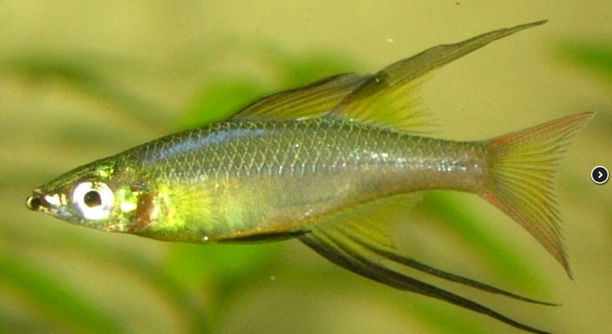
Do you ever notice your threadfin rainbowfish acting a little different, maybe hiding more often or swimming in unusual patterns? Small changes like these can sometimes mean your fish is feeling stressed in its environment.
The most common signs of stress in threadfin rainbowfish include faded colors, clamped fins, erratic swimming, loss of appetite, and frequent hiding. Stress usually results from poor water conditions, overcrowding, sudden changes, or unsuitable tank mates, requiring immediate adjustments for healthier fish.
Recognizing these stress signals early can make a big difference, helping you improve their environment and support their overall well-being.
7 Signs Your Threadfin Rainbowfish Is Stressed
Threadfin rainbowfish are delicate and sensitive, making it easy for them to feel unsettled in their tanks. Stress in these fish often shows through physical and behavioral changes. One of the most noticeable signs is when their colors begin to fade. Normally, threadfin rainbowfish display shimmering shades, but stress can make them appear dull or pale. Another clear signal is clamped fins, where the fins stay close to the body instead of spreading naturally. Erratic swimming, sudden darting, or floating at odd angles can also indicate something is wrong. A loss of appetite is another sign, as stressed fish often stop eating. Hiding for long periods, avoiding the rest of the group, or constantly staying near the bottom or corners of the tank are also key indicators. Recognizing these signs early will help you take quick action to improve your rainbowfish’s health and comfort.
Stress in threadfin rainbowfish may not always be obvious at first, but small behavioral or physical shifts often signal something deeper. Observing closely and learning these changes helps you respond quickly before conditions worsen and your fish’s health declines.
Paying attention to these subtle details will not only protect your fish from harm but also strengthen your ability to maintain a stable aquarium. With consistent care and patience, you can support their long-term health and enjoy watching their natural beauty thrive. By understanding these stress indicators, you also become more confident in identifying what your fish need. Threadfin rainbowfish are sensitive creatures, and they depend on a balanced tank to feel safe. Your attention to these signs can make a significant difference. They may seem like small changes, but they often reveal larger problems that need attention. Knowing what to look for gives you the tools to keep your fish active, colorful, and stress-free.
How to Help a Stressed Threadfin Rainbowfish
A stressed threadfin rainbowfish usually needs immediate environmental changes to recover. Addressing tank conditions, food quality, and overall setup can restore balance and reduce unnecessary pressure on your fish.
Start by checking the water parameters, as poor water quality is the most common reason for stress. Ammonia, nitrite, and nitrate levels should be monitored regularly, while maintaining the correct pH and temperature range is essential. Overcrowding can also cause constant stress, so ensure your fish have enough space to swim freely. Threadfin rainbowfish feel secure in groups, but the tank must be large enough to accommodate them comfortably. Avoid aggressive tank mates that may intimidate or nip at them. Adjusting the lighting and adding plants can help create hiding spots, giving your fish areas to rest when they feel uneasy. A varied, nutrient-rich diet also supports recovery, helping them regain energy and color. With patience and consistency, these changes reduce stress and restore balance to your aquarium.
Common Causes of Stress in Threadfin Rainbowfish
Poor water conditions often create ongoing stress, making fish more vulnerable to illness. Sudden changes in temperature or pH can disrupt their balance. Overcrowding and aggressive tank mates also contribute, limiting space and creating constant tension within the aquarium.
Water quality plays the biggest role in keeping rainbowfish comfortable. Even small increases in ammonia or nitrites can stress them quickly, weakening their immune system. Overfeeding contributes to poor water conditions, as leftover food decays and pollutes the tank. Inconsistent water changes make this worse, leaving fish exposed to toxins. Too much current or unstable water temperatures can also overwhelm their delicate nature. All of these issues create an unstable environment that leaves threadfin rainbowfish struggling to adapt.
Tank setup and social dynamics also play a part. Overcrowding limits swimming space, causing fish to become territorial and uneasy. Threadfin rainbowfish thrive best in groups, but they need plenty of room to school comfortably. Adding aggressive or fin-nipping species creates fear, as rainbowfish will hide or clamp their fins to protect themselves. Bright lights without shaded areas can cause overstimulation, while a lack of plants reduces natural shelter. Each of these conditions may seem minor, but combined, they build consistent stress that impacts the fish’s behavior, appetite, and overall health.
Preventing Stress Before It Starts
Maintaining stable water parameters is the most effective way to prevent stress in threadfin rainbowfish. Consistency in pH, temperature, and water changes helps your fish feel secure. Providing gentle lighting, plants, and hiding spots creates a more natural and calming environment.
Choosing suitable tank mates is equally important when preventing stress. Avoid aggressive fish that might harass threadfin rainbowfish, and instead select peaceful species that share similar water needs. Space also matters—threadfin rainbowfish require room to swim freely, so avoid overcrowding. A balanced and varied diet ensures they receive proper nutrition, which supports strong immunity. Adding live or artificial plants not only improves water quality but also provides safe places to rest. Regular observation allows you to catch early signs of stress before they become severe. By combining good water care, mindful stocking, and a comfortable habitat, you can create an environment where your threadfin rainbowfish thrive naturally.
Signs Your Fish Is Recovering
A recovering threadfin rainbowfish will slowly regain its bright colors, showing a healthier glow in the tank. Normal swimming patterns return, with less hiding and more interaction with other fish. Appetite usually improves during this stage.
Clamped fins begin to open again as the fish relaxes, displaying a natural posture. Active schooling behavior also indicates comfort, as the fish feels secure around others. Reduced stress signs mean your changes are working, and the aquarium is stabilizing properly.
When to Seek Extra Help
Sometimes stress does not improve even after making adjustments. If your threadfin rainbowfish continues losing color, avoiding food, or showing unusual swimming, it may be time to look deeper. Water tests should be double-checked, but if conditions remain stable and the fish shows no progress, illness could be the cause. Consulting an aquatic veterinarian or experienced aquarist can provide guidance, especially if medication is needed. Quick professional help prevents minor issues from turning into serious health problems, protecting not only the rainbowfish but also the rest of the aquarium.
Final Thoughts on Care
Consistent care and observation are the best ways to keep stress low in threadfin rainbowfish. Healthy fish reward you with vibrant colors, active schooling, and peaceful behavior. Small daily efforts make a big difference in their well-being.
FAQ
How can I tell if my threadfin rainbowfish is stressed?
Signs of stress include faded colors, clamped fins, erratic swimming, loss of appetite, and hiding more than usual. Stress often results from poor water conditions, overcrowding, sudden changes in the tank, or aggressive tank mates. Observing your fish closely can help catch stress early.
What water parameters are best for threadfin rainbowfish?
Threadfin rainbowfish thrive in a temperature range of 74–82°F (23–28°C) and a pH of 6.5–7.5. Ammonia and nitrite levels should always be 0 ppm, and nitrate should be kept below 20 ppm. Stable water conditions reduce stress and support healthy growth and behavior.
How often should I clean the tank?
Partial water changes of about 20–25% every week help maintain clean water. Regular cleaning of the substrate and filter prevents toxins from building up. Over-cleaning can remove beneficial bacteria, so balance is important. Consistency is more helpful than occasional deep cleaning.
Can overcrowding cause stress?
Yes, overcrowding reduces swimming space and increases tension among fish. Threadfin rainbowfish prefer groups of 6 or more, but the tank must be large enough for comfortable movement. Providing adequate space and hiding areas helps maintain a peaceful environment.
What should I feed stressed rainbowfish?
A varied diet with high-quality flakes, pellets, and occasional live or frozen foods works best. Stressed fish may initially refuse food, so offering smaller, frequent portions can encourage eating. Balanced nutrition supports recovery and strengthens their immune system.
Are sudden temperature changes harmful?
Sudden fluctuations in temperature can shock threadfin rainbowfish, causing stress or illness. Keeping the tank heater stable and avoiding placing the aquarium near drafts or direct sunlight helps maintain a steady temperature. Slow adjustments are safer if changes are necessary.
Can aggressive tank mates cause stress?
Yes, aggressive or fin-nipping species can intimidate threadfin rainbowfish. Avoid combining them with overly dominant fish. Peaceful tank mates that share similar water requirements reduce conflict and create a calmer environment. Plants or decorations also give hiding spots for extra security.
How long does it take for a stressed fish to recover?
Recovery depends on the cause and severity of stress. Mild stress may improve within days after adjusting water or tank conditions. Chronic stress or illness can take weeks and may require professional advice or medication to fully restore health. Patience is key during recovery.
Are there signs of long-term stress?
Long-term stress often appears as prolonged faded colors, consistent hiding, loss of appetite, or stunted growth. Chronic stress weakens the immune system, making fish more vulnerable to disease. Continuous observation and environmental adjustments are necessary to prevent long-term effects.
Should I separate a stressed fish from others?
Separating fish is only necessary if aggression or severe illness is present. A separate tank can reduce bullying and allow easier monitoring of feeding and recovery. Otherwise, maintaining a stable group environment with proper space and hiding areas is usually sufficient.
Can lighting affect stress levels?
Yes, overly bright lights or sudden light changes can stress rainbowfish. Moderate lighting with shaded areas or plants helps create a comfortable environment. Keeping a consistent day-night cycle also supports normal behavior and reduces anxiety.
Do live plants help reduce stress?
Live plants offer hiding spots, improve water quality, and mimic the fish’s natural habitat. They reduce anxiety by giving fish a sense of security and contribute to a balanced ecosystem in the tank, supporting overall health and vibrant coloration.
Is frequent handling harmful?
Yes, handling or netting fish frequently can increase stress. Avoid unnecessary contact and use careful, minimal intervention during cleaning or transfers. Let the fish settle naturally in its environment to maintain comfort and well-being.
Can water changes alone fix stress?
Water changes are important but may not solve all stress causes. Overcrowding, aggression, poor diet, and improper tank setup also need to be addressed. A combined approach of stable water, proper nutrition, space, and suitable tank mates ensures effective stress reduction.
How can I prevent stress long-term?
Maintain stable water conditions, feed a balanced diet, provide enough space, choose peaceful tank mates, and offer hiding spots. Regular observation helps catch small problems early. Consistency in care keeps threadfin rainbowfish healthy, active, and vibrant for years.
This FAQ section covers most concerns about threadfin rainbowfish stress and recovery, providing practical advice for maintaining a calm, healthy aquarium. Regular monitoring and thoughtful adjustments make a lasting difference in their well-being.
Final Thoughts
Taking care of threadfin rainbowfish requires attention to both their physical and environmental needs. These fish are naturally sensitive and respond quickly to changes in water quality, tank setup, or social dynamics. Even small shifts, like a change in temperature or the introduction of a new tank mate, can cause stress. By keeping an eye on their behavior and appearance, you can catch problems early before they escalate. Signs like faded colors, clamped fins, erratic swimming, or loss of appetite are indicators that something in their environment needs adjusting. Observing your fish daily helps you understand their normal behavior, making it easier to notice when something is off. Regular maintenance, consistent feeding, and thoughtful tank arrangement all play a role in preventing stress and keeping your rainbowfish healthy.
Creating a stable and comfortable environment is the foundation of good care. Threadfin rainbowfish thrive in clean water with stable temperature and pH levels. Regular water testing and partial water changes prevent the buildup of toxins and maintain optimal conditions. Providing adequate space is equally important, as overcrowding can quickly lead to tension among fish. Adding plants or decorations gives them places to hide and feel safe, which is especially helpful during stressful periods. Choosing compatible tank mates also reduces conflicts and ensures that your rainbowfish can swim freely without fear. A balanced diet supports their immune system, color, and energy levels, helping them recover from mild stress and maintain overall well-being. Paying attention to these details might feel like extra work, but it directly contributes to a healthier and more vibrant aquarium.
Patience and consistency are key to supporting threadfin rainbowfish. Stress may not always show immediately, and recovery can take time depending on the cause. Making small, steady improvements to the tank environment, monitoring behavior, and adjusting care routines as needed allows the fish to adapt naturally. Avoiding sudden changes in lighting, temperature, or tank setup minimizes shocks that can trigger stress. By observing closely and responding thoughtfully, you can reduce risks of illness and create a more peaceful tank. Over time, these efforts result in fish that display brighter colors, active schooling behavior, and a more relaxed, confident demeanor. Caring for threadfin rainbowfish is a commitment, but one that pays off with healthy, thriving fish that are a joy to watch and maintain.

Hello,
If you enjoy the content that we create, please consider saying a "Thank You!" by leaving a tip.
Every little bit helps us continue crafting quality advice that supports the health, happiness, and well-being of pets around the world, for pets of all shapes, sizes, and species.
We really appreciate the kindness and support that you show us!