
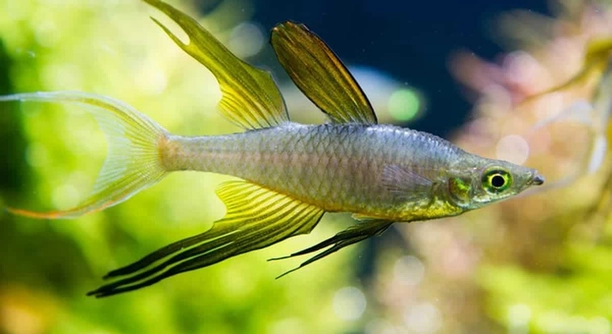
Threadfin Rainbowfish are popular for their bright colors and active behavior in home aquariums. Many hobbyists enjoy watching them grow and thrive, and understanding their growth timeline can help provide proper care and a healthy environment.
Threadfin Rainbowfish generally reach full adult size between eight and twelve months, depending on water quality, diet, and tank conditions. Males typically grow slightly larger than females, and maintaining stable conditions supports their healthy development and vibrant coloration.
Knowing the growth stages of these fish allows you to plan feeding, tank space, and care routines effectively for their long-term health and well-being.
Early Growth Stages
Threadfin Rainbowfish grow rapidly during their first few months. In the first month, fry are tiny and fragile, requiring very fine food such as infusoria or liquid fry food. By the second month, they begin accepting newly hatched brine shrimp or finely crushed flakes. Their colors remain faint, and fins are not fully developed. Tank conditions are crucial at this stage. Stable temperature, clean water, and gentle filtration help prevent stress and disease. Overcrowding should be avoided, as it can stunt growth and increase aggression. As the fry enter the third month, they start showing brighter coloration and slightly elongated fins. Regular feeding with high-quality food supports their rapid growth and early health. Monitoring their size and behavior during these early months provides insight into their overall development and allows timely adjustments to care routines. By month four, the young Rainbowfish are more active, showing social behavior and gradually taking on adult-like appearance, though they are not yet fully mature.
Even small changes in diet or water can affect growth at this stage. Careful observation is key.
Providing a stable, enriched environment with proper nutrition ensures healthy early growth. Frequent water changes, consistent feeding schedules, and avoiding overcrowding create conditions where fry can thrive. Observation helps identify any health issues early.
Signs of Full Maturity
By around eight to twelve months, Threadfin Rainbowfish show clear signs of adulthood. Males exhibit brighter colors, elongated fins, and slightly larger bodies, while females remain slightly smaller with more subdued hues. Their behavior becomes more confident and social, and they interact actively with tank mates.
Once fully grown, their size and coloration stabilize, and reproductive behavior becomes apparent. Proper tank conditions, diet, and regular water maintenance are essential to support this stage. Adult Rainbowfish benefit from a balanced diet including flakes, frozen foods, and live feed. Avoid overfeeding to maintain health and prevent water quality issues. Social structure in the tank also affects their well-being, so maintaining compatible groups is important. Observing fin length, body size, and vibrant coloration provides clear indicators of maturity. Adults are resilient but still sensitive to sudden changes in water parameters. Their behavior and appearance are the best guides for determining if they have reached full growth. Regular monitoring and appropriate care ensure long-term health and maintain their lively, colorful presence in the aquarium.
Feeding Tips for Growth
Providing high-quality food helps Threadfin Rainbowfish reach full size efficiently. A mix of flakes, frozen, and live food ensures balanced nutrition. Young fish benefit from smaller, frequent meals, while adults do well with larger portions two to three times daily.
Consistent feeding routines support healthy growth and vibrant colors. Overfeeding can harm water quality, so measure portions carefully. Young Rainbowfish need protein-rich foods like brine shrimp or daphnia to support rapid development. Adults enjoy a varied diet to maintain energy and coloration. Observing how quickly they consume food helps adjust portions and prevents leftover waste. Avoid sudden diet changes, as they can stress the fish and impact growth. Supplementing with occasional vegetables or high-quality pellets can provide necessary vitamins and minerals for long-term health.
Feeding practices directly influence growth rates, color intensity, and overall vitality. Maintaining balanced nutrition and proper portioning ensures that fish reach maturity on schedule. Regular observation of eating habits also reveals potential health issues early.
Tank Conditions and Size
Maintaining clean, stable water is critical for Threadfin Rainbowfish development. Ideal temperature ranges between 24–28°C (75–82°F), and pH should remain slightly acidic to neutral. Frequent water changes prevent harmful buildup.
Tank size impacts growth, as crowded conditions stunt development and increase stress. A minimum 30-gallon tank is recommended for small groups, while larger groups need more space. Proper filtration reduces toxins, but strong currents can tire fish. Adding plants or hiding spots creates a secure environment, promoting natural behavior and reducing aggression. Monitoring ammonia, nitrite, and nitrate levels keeps the water safe. Adjusting décor allows juveniles to grow without competition for territory, while adults thrive in structured environments. Combining clean water, adequate space, and stable parameters supports healthy growth, vibrant colors, and social interaction. Observing fish behavior helps determine if tank conditions are suitable, allowing timely adjustments for optimal health and full maturation.
Growth Rate Variations
Threadfin Rainbowfish grow at different speeds depending on genetics, diet, and water quality. Some may reach full size faster, while others take longer. Observing each fish individually helps ensure they are developing properly and remain healthy throughout their growth period.
Stress, poor water conditions, or insufficient nutrition can slow growth. Maintaining consistent care and monitoring behavior helps identify problems early. Adjusting feeding routines or improving tank conditions can support slower-growing fish and encourage steady development.
Monitoring Health During Growth
Regular observation of fins, scales, and coloration indicates overall health. Any signs of disease or stunted growth should be addressed immediately to prevent long-term issues. Maintaining stable water parameters and providing a balanced diet reduces health risks.
Sex Differences in Growth
Males typically grow slightly larger than females and develop more vivid coloration. Recognizing these differences helps manage tank groups effectively and prevents aggression issues.
FAQ
How long does it take for a Threadfin Rainbowfish to fully grow?
Threadfin Rainbowfish generally reach full maturity between eight and twelve months. Growth depends on water quality, diet, tank size, and social environment. Fish raised in optimal conditions with stable water, proper nutrition, and enough space tend to grow faster and show brighter coloration.
What is the average size of an adult Threadfin Rainbowfish?
Adult Threadfin Rainbowfish typically grow between 3 to 4 inches in length. Males are often slightly larger than females and display more vibrant colors, while females are smaller with softer hues. Proper care, nutrition, and tank conditions help them reach their maximum potential size.
How often should I feed my Rainbowfish?
Juvenile Rainbowfish benefit from small, frequent meals, usually three to four times per day. Adults do well with two to three larger feedings daily. A balanced diet combining flakes, frozen food, and live food ensures steady growth and vibrant coloration. Overfeeding can harm water quality and cause health issues.
Can overcrowding affect growth?
Yes. Overcrowded tanks increase stress, competition for food, and the likelihood of disease. Crowding can stunt growth and alter behavior. A minimum 30-gallon tank is recommended for small groups, with larger tanks needed for bigger groups. Providing hiding spots and structured environments helps reduce stress.
How does water quality impact development?
Clean, stable water is crucial. Ideal temperature ranges from 24–28°C (75–82°F) with a slightly acidic to neutral pH. Ammonia, nitrite, and nitrate levels should be monitored closely. Frequent water changes and proper filtration support healthy growth and prevent disease or stunted development.
Do males and females grow at the same rate?
No. Males typically grow faster and develop longer fins and brighter colors, while females remain slightly smaller with more subdued hues. Observing these differences helps manage tank groups and ensures a balanced social structure.
When do Rainbowfish start showing adult colors?
Colors begin to develop gradually around three to four months of age. Males intensify in brightness as they near full maturity, while females display subtle coloration. Proper diet, lighting, and low-stress conditions help enhance these colors effectively.
Can diet alone speed up growth?
Diet is important but not the only factor. A high-quality, protein-rich diet supports development, but tank size, water quality, and stress levels equally affect growth. Juveniles need protein-dense foods like brine shrimp, while adults benefit from a varied diet including flakes and frozen food.
How do I know if my fish is growing properly?
Monitoring size, fin development, color intensity, and behavior helps assess growth. Fish that appear smaller, less active, or have faded coloration may need improved nutrition, water quality, or reduced stress. Regular observation allows adjustments to care routines before issues become severe.
Are there signs of stunted growth?
Stunted growth appears as smaller body size, thin or short fins, dull coloration, and lethargy. Causes include poor water conditions, overcrowding, insufficient nutrition, or chronic stress. Correcting tank conditions, adjusting diet, and reducing stressors can improve growth outcomes over time.
Is it necessary to separate males and females?
Separation is not strictly required but may help prevent aggression, especially in small tanks. Males can display dominance behaviors that stress females, potentially impacting growth and coloration. Observing interactions allows timely intervention to maintain a harmonious environment.
How often should I check water parameters?
Weekly testing is recommended for ammonia, nitrite, nitrate, pH, and temperature. Juveniles are more sensitive, so more frequent monitoring may be needed. Keeping water conditions stable supports healthy growth and prevents disease or stunted development.
Do Threadfin Rainbowfish require live plants?
Plants are not essential but provide hiding spots, reduce stress, and contribute to water quality. They encourage natural behaviors and can improve social dynamics, supporting overall health and steady growth.
Can stress affect growth speed?
Yes. Stress from sudden water changes, aggressive tank mates, or poor conditions slows growth, reduces coloration, and may cause illness. Maintaining a calm, stable environment helps fish reach full size efficiently.
Is it normal for some fish to grow slower than others?
Yes. Individual growth rates vary due to genetics, diet, and environmental factors. Slower-growing fish can catch up if conditions remain optimal, but consistent observation is important to ensure they are healthy.
What is the best way to promote vibrant colors?
A balanced diet rich in proteins and carotenoids, stable water conditions, adequate tank space, and low-stress environments promote bright, vivid colors. Proper lighting enhances their natural hues, especially in males nearing full maturity.
Are there any common health issues affecting growth?
Poor water quality, overfeeding, overcrowding, and stress are the most common causes of stunted growth or disease. Early detection through observation and timely intervention improves survival rates and ensures healthy adult development.
How can I encourage natural social behavior?
Keeping small, compatible groups in a spacious tank with hiding spots allows Rainbowfish to interact naturally. Proper group size and structure prevent dominance issues, reduce stress, and support both growth and color development.
Does tank temperature change growth speed?
Yes. Temperatures slightly below or above the recommended range (24–28°C) can slow metabolism and growth. Maintaining consistent temperature ensures optimal development and supports healthy coloration and activity levels.
Is it possible for Rainbowfish to grow larger than expected?
Under ideal conditions, some may slightly exceed typical size ranges. Genetics and optimal tank care, including diet, water quality, and space, influence potential growth beyond the average 3–4 inches.
How important is tank space for mature Rainbowfish?
Adequate space prevents stress, aggression, and stunted growth. Adults need enough room to swim freely and establish social hierarchies, which supports overall health, coloration, and long-term vitality.
Can Rainbowfish live long after reaching full size?
Yes. With consistent care, proper diet, stable water, and a calm environment, adults can live several years, maintaining their color, activity, and health throughout their lifespan.
What adjustments are needed for a mixed-species tank?
Ensure compatible tank mates to avoid aggression and competition. Maintain ample space, hiding spots, and a varied diet to support all species, while monitoring interactions and stress levels closely.
How do I know when a Rainbowfish is ready to breed?
Males develop bright colors, elongated fins, and confident behavior. Females become rounder when carrying eggs. Stable water conditions, proper diet, and low-stress environments are crucial for successful breeding.
Are juvenile and adult care different?
Yes. Juveniles need smaller, frequent meals and very clean water, while adults require larger portions less frequently. Tank space and social structure become more important as they mature.
What is the role of lighting in growth and color development?
Moderate, consistent lighting enhances natural coloration and encourages healthy activity. Avoid sudden changes or overly intense lighting, which can stress fish and affect growth. Proper lighting combined with a balanced diet improves vibrancy.
How can I prevent aggression in a group?
Maintain a proper male-to-female ratio, provide ample space, hiding spots, and avoid overcrowding. Observing interactions and adjusting tank setup as needed keeps aggression low and growth consistent.
Are there supplements that aid growth?
High-quality commercial foods often include vitamins and minerals sufficient for growth. Occasional live or frozen foods provide protein and nutrients that support development and vibrant coloration. Over-supplementing is unnecessary and can harm water quality.
Is it necessary to monitor growth weekly?
Weekly observation helps track size, color, and behavior. Early detection of slowed growth or health issues allows timely adjustments to diet, water, or tank conditions. Consistent monitoring supports long-term health and full maturation.
Do Threadfin Rainbowfish require specific water hardness?
They prefer soft to moderately hard water. Extreme hardness or very soft water can affect health, growth, and coloration. Maintaining a balanced water profile ensures optimal development and longevity.
Can sudden water changes harm growth?
Yes. Large, sudden changes can stress fish and slow growth. Gradual water adjustments maintain stability, support health, and prevent stunted development.
What role does tank enrichment play?
Plants, rocks, and hiding spots reduce stress and encourage natural behavior. A stimulating environment supports social interaction, reduces aggression, and promotes steady growth and vibrant coloration.
How important is consistency in care?
Consistent feeding, water changes, temperature, and lighting are essential. Inconsistent care stresses fish, slows growth, and can lead to disease, so maintaining a routine is critical for healthy development and maturity.
Do Rainbowfish require quarantine for new additions?
Yes. Quarantining new fish prevents disease introduction, reduces stress, and ensures the health of both existing and new fish. Proper quarantine practices support steady growth and overall tank stability.
Can I speed up growth safely?
Growth should be supported gradually through proper nutrition, stable water, and optimal tank conditions. Attempting to force rapid growth through supplements or high-density feeding risks stress, illness, and stunted development.
How do I handle slow growers?
Identify causes such as poor water quality, stress, or diet. Adjust conditions carefully, provide high-quality nutrition, and reduce competition in the tank. With patience, slow growers can reach their expected size.
Is monitoring behavior important for growth?
Yes. Active swimming, feeding response, and social interaction indicate good health. Changes in behavior can signal stress, disease, or poor growth, allowing early intervention to maintain optimal development.
Do Threadfin Rainbowfish need seasonal care adjustments?
Minor adjustments may be required if room temperature fluctuates, but stable water and feeding routines are more critical than seasonal changes. Maintaining consistent conditions supports steady growth year-round.
Are all Rainbowfish the same size at maturity?
No. Genetic factors, diet, water conditions, and social structure cause size variations. Observing individual growth ensures each fish reaches its potential without competition or stress affecting development.
How do I maintain color after growth?
Balanced diet, stable water, low stress, proper lighting, and regular tank maintenance preserve vibrant colors. Adults retain brightness when healthy and provided with consistent care, enhancing both appearance and vitality.
What are signs of overfeeding?
Uneaten food, cloudy water, obesity, and sluggish behavior indicate overfeeding. Reducing portions, feeding in intervals, and maintaining water quality prevent health issues and support proper growth.
Can tank mates impact growth?
Aggressive or competitive species can stress Rainbowfish, slow growth, and reduce coloration. Choosing compatible fish and observing interactions ensures all species grow healthily.
Is regular observation enough to ensure full growth?
Observation, combined with proper feeding, water quality, and tank management, is key. Watching behavior, color, and size allows adjustments that support steady, healthy development.
Do adult Rainbowfish need different care than juveniles?
Yes. Adults require less frequent feeding, more space, and attention to social dynamics. Juveniles need higher protein diets, smaller meals, and extra monitoring to ensure proper growth.
How do I prevent stunted growth in mixed-age tanks?
Feed smaller, younger fish separately if necessary, maintain proper tank size, and reduce stress. Ensuring all fish have access to nutrition and space prevents competition from impacting development.
Can breeding affect growth?
Breeding adults may expend energy on reproduction, slightly slowing growth temporarily. Maintaining optimal nutrition and water quality helps them recover and maintain health.
Is water temperature the most critical factor for growth?
It is important but works alongside diet, tank size, social environment, and water quality. Stable conditions across all parameters support healthy development and full maturation.
How long do Rainbowfish remain at their peak color?
With proper care, adults maintain bright colors for several years. Stress, poor water, or illness can dull coloration, so consistent maintenance ensures longevity of their vibrant appearance.
Are there common mistakes that slow growth?
Overcrowding, irregular feeding, poor water quality, inconsistent temperature, and stress from tank mates are frequent causes. Correcting these factors promotes steady development and vibrant coloration.
Can live plants improve growth?
They provide hiding spots, reduce stress, and help maintain water quality. Plants create a comfortable environment, supporting natural behavior, social interaction, and steady growth rates.
How important is tank filtration for growth?
Effective filtration removes toxins, maintains oxygen, and keeps water stable. Good filtration supports health, reduces disease risk, and ensures Rainbowfish reach full size safely.
Do lighting changes affect growth?
Sudden or extreme lighting can stress fish. Consistent, moderate lighting enhances natural colors without impacting growth negatively. Proper lighting combined with nutrition supports overall development.
Are there supplements that improve color but not size?
Yes. Foods rich in carotenoids enhance coloration but do not necessarily increase growth. Balanced nutrition supports both color and healthy development.
How do I measure if my fish is fully grown?
Observe body length, fin development, coloration, and behavior. Adults show stabilized size, vivid color, and confident social interactions, indicating full maturation.
Can diet mistakes affect adult fish?
Yes. Overfeeding, low-quality food, or unbalanced nutrition can lead to obesity, dull coloration, and health issues. Maintaining a varied, high-quality diet preserves both size and vitality.
Is monitoring water parameters enough for healthy growth?
Water monitoring is necessary but must be paired with proper feeding, tank space, and stress reduction to ensure consistent, healthy development.
Do Rainbowfish need seasonal diet adjustments?
No major adjustments are required if water and temperature remain stable. Consistent diet and feeding routines ensure steady growth year-round.
How do I encourage breeding without harming growth?
Maintain optimal water quality, proper nutrition, and adequate space. Avoid overcrowding or excessive stress to keep adults healthy while encouraging reproductive behavior.
Can I mix juveniles and adults safely?
Yes, with enough space, proper feeding, and hiding spots. Careful observation prevents aggression, competition, and slowed growth for younger fish.
How important is tank enrichment for adults?
Adults benefit from hiding spots, plants, and décor that reduce stress, encourage natural behavior, and support social interaction, all contributing to steady health and color maintenance.
What happens if water quality drops temporarily?
Short-term issues may stress fish, slow growth, and affect coloration. Prompt water changes and stabilization prevent long-term damage and maintain overall health.
Do Rainbowfish need specific water flow?
Moderate water movement helps oxygenation and activity. Strong currents can stress fish, while stagnant water may reduce vitality. Proper flow supports growth and overall health.
How can I tell if fish are stressed?
Lethargy, loss of color, hiding, or erratic swimming indicate stress. Addressing environmental factors, diet, and social conditions helps reduce stress and maintain growth.
Can fish fully recover from early growth delays?
Yes. If water quality, nutrition, and stress factors are corrected, juveniles with slower growth can reach normal size and coloration over time.
Are there any long-term care tips for adults?
Maintain clean water, stable temperature, proper diet, and low-stress social groups. Regular observation of behavior and color helps ensure they remain healthy and vibrant.
How do I prevent diet-related health issues?
Feed a balanced mix of protein, vegetables, and vitamins. Avoid overfeeding and sudden diet changes. Consistent nutrition supports growth, coloration, and long-term health.
Does tank decoration impact growth?
Yes. Hiding spots and plants reduce stress, encourage natural behavior, and allow fish to grow without aggression or competition for territory.
Can temperature fluctuations stunt growth?
Yes. Sudden or frequent changes slow metabolism, reduce appetite, and may affect coloration. Consistent temperature supports steady growth.
How do I know if Rainbowfish are thriving?
Active swimming, bright colors, healthy appetite, and social behavior indicate thriving fish. Any deviations may signal environmental or health issues requiring attention.
Are there differences in growth for captive-bred vs. wild-caught fish?
Captive-bred Rainbowfish generally adapt better to aquarium conditions and show steadier growth. Wild-caught fish may require longer adjustment periods to reach full size.
Is it necessary to rotate food types?
Yes. Rotating flakes, frozen, and live foods ensures balanced nutrition, supports coloration, and prevents nutrient deficiencies that could affect growth.
Do juvenile fish need special lighting?
Moderate lighting is sufficient. Extreme lighting can stress juveniles, while consistent conditions support healthy growth and gradual color development.
Can aggressive tank mates prevent growth?
Yes. Aggression limits access to food, increases stress, and may stunt growth. Separating aggressive species or providing ample space resolves issues.
How do I handle slow color development?
Ensure high-quality diet, stable water, low stress, and proper lighting. Patience is key, as colors gradually develop as the fish matures.
Are there any supplements that aid both growth and color?
High-quality commercial foods with balanced vitamins, minerals, and carotenoids support overall development and coloration without overloading the fish.
Can overstocking affect adult health?
Yes. Overcrowding causes stress, aggression, and poor water quality, reducing growth, coloration, and lifespan. Adequate tank space is essential.
Is regular cleaning important for growth?
Yes. Clean water prevents disease, reduces stress, and supports healthy development. Regular water changes and filter maintenance are necessary.
Do Rainbowfish grow after reaching maturity?
Growth slows significantly, but slight size increases can occur with optimal care. Focus shifts to maintaining health, color, and social behavior.
Can stress impact breeding potential?
Yes. Stressed adults may not display reproductive behavior. Stable conditions, proper nutrition, and social structure support successful breeding.
How often should I feed live foods?
Juveniles benefit from frequent live feedings, while adults require occasional live food to supplement diet. Balance is key to prevent overfeeding and maintain water quality.
Are there specific tank mates that promote growth?
Calm, non-aggressive species reduce stress, allowing Rainbowfish to feed and swim freely, supporting steady growth and vibrant coloration.
How do I know when to adjust feeding routines?
Observe appetite, growth rate, and leftover food. Adjust portions or frequency based on consumption and tank size to maintain healthy development.
Can young fish survive in adult tanks?
Yes, with enough space, hiding spots, and proper feeding. Monitor interactions to prevent aggression or competition affecting growth.
Are there seasonal behavior changes affecting growth?
Minor fluctuations may occur, but maintaining stable water conditions, diet, and lighting keeps growth consistent throughout the year.
Does tank substrate matter for growth?
Yes. Smooth or fine substrate reduces injury risk, encourages natural behavior, and contributes to a low-stress environment supporting healthy development.
What are the signs of optimal health in adults?
Bright coloration, active swimming, good appetite
Final Thoughts
Threadfin Rainbowfish are lively, colorful fish that bring energy and beauty to an aquarium. Understanding their growth timeline helps provide the care they need to thrive. From fry to full-grown adults, they require stable water conditions, proper tank space, and a balanced diet. Maintaining clean water is one of the most important factors for healthy growth. Ammonia, nitrite, and nitrate levels should be monitored regularly, and water changes should be done consistently to prevent buildup of harmful substances. Temperature stability also matters, with an ideal range of 24–28°C (75–82°F). Sudden changes in temperature or water chemistry can stress the fish and slow their development. Attention to these environmental details ensures that the Rainbowfish grow steadily and develop vibrant colors as they mature.
Feeding is equally important. Juveniles need small, frequent meals that are rich in protein, such as brine shrimp or finely crushed flakes. Adults require fewer feedings but still benefit from a varied diet, including flakes, frozen, and occasional live food. Overfeeding can be harmful, affecting both water quality and the health of the fish. Observing how quickly the fish eat allows for proper portioning, preventing waste and maintaining a clean tank. Nutrition directly affects growth rate, coloration, and overall vitality. Providing high-quality food along with a stable feeding routine supports strong, healthy fish. Social factors also play a role; crowded tanks or aggressive tank mates can slow growth and stress the fish. Proper group sizes, hiding spots, and a well-structured environment help minimize these issues.
Growth and maturity are influenced by multiple factors working together. Genetics, water quality, diet, and social conditions all contribute to how quickly a Rainbowfish reaches its full size. Males generally grow slightly larger and show more vivid colors, while females remain smaller with softer hues. Monitoring growth, behavior, and coloration over time helps ensure that any issues are addressed early. Consistent care, attention to environmental details, and proper nutrition create the conditions for healthy development and longevity. By following these practices, Rainbowfish can grow fully, display their natural beauty, and remain active and healthy in the aquarium for years.

Hello,
If you enjoy the content that we create, please consider saying a "Thank You!" by leaving a tip.
Every little bit helps us continue crafting quality advice that supports the health, happiness, and well-being of pets around the world, for pets of all shapes, sizes, and species.
We really appreciate the kindness and support that you show us!