
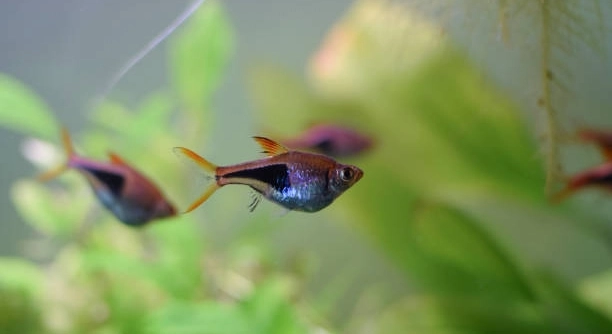
Do you ever find yourself watching your rasboras and noticing one seems to take charge of the group more than the others?
The most common sign that a rasbora is the group leader is its consistent position at the front during swimming activities. This behavior often indicates dominance and confidence, traits commonly associated with leadership among schooling fish.
Learning these subtle behaviors can help you better understand your fish and create a more peaceful and engaging tank environment.
Leading the Swim
When observing rasboras, one of the first signs of a leader is its position while swimming. The leader usually stays ahead of the group, guiding others through the tank with a steady pace. This behavior is not random but rather consistent, showing a clear pattern. The leader fish often explores new areas first, while the rest follow. It is also common for the leader to be the first to approach food when it enters the tank. This confidence builds trust among the school, encouraging others to stick close together. Recognizing this trait can help you understand your rasboras better and make small adjustments to their environment. When you notice one fish consistently swimming ahead, it is usually safe to assume that it has taken the role of guiding the group. This leadership keeps the school united, helping reduce stress and creating a more natural setting in your aquarium.
Leaders are bold, often guiding others through tank plants, rocks, and open spaces without hesitation. This pattern of movement reassures the group and maintains a sense of stability.
In addition to swimming at the front, leaders may show calm movements even when the tank is disturbed. They rarely dart around nervously but instead hold their position with composure. Other rasboras respond by following these cues, learning when to stay calm and when to move. This leadership behavior creates a balanced rhythm within the school. By paying attention to this steady presence, you gain valuable insight into the natural structure of your fish community. It also allows you to see the small but important ways your rasboras communicate. These details are worth noticing because they highlight how much influence one small fish can hold in maintaining group harmony. Watching the leader’s behavior adds a layer of understanding that makes fishkeeping more engaging and meaningful.
Confident Feeding
Leadership among rasboras is also visible during feeding. The leader is often the first to move toward food, setting the tone for the group. This quick action gives others confidence to follow closely behind.
A feeding leader is more than just a bold eater; it sets order during meal times. By confidently approaching food, the leader prevents hesitation among the rest of the group. Without a strong leader, some rasboras may hang back and miss out on nourishment, which can affect their health. In a healthy school, the leader ensures everyone learns where food is and that it is safe to eat. This role also reduces unnecessary stress and competition within the group. As the leader signals safety, the rest swim forward without delay, keeping mealtime smoother and more structured. Observing this behavior provides a simple but effective way to understand your rasboras’ social structure. It shows how natural leadership supports balance in a shared space.
Calm During Stress
A rasbora leader often remains steady when sudden movements or noises occur near the tank. Instead of darting away quickly, it stays centered, giving others confidence to remain close and calm in stressful moments.
This steady reaction is important because fish often copy each other’s behavior. If one darts around in fear, the rest will follow, creating chaos in the tank. A leader that remains calm helps reduce stress levels and keeps the school united. This behavior supports overall tank harmony and lowers the chance of injuries caused by frantic swimming. Observing which rasbora stays composed during disruptions can reveal leadership qualities that benefit the entire group.
A calm leader also adapts quickly to changes like new decorations, water adjustments, or even when introduced to new fish. By approaching these changes first, the leader signals safety, encouraging the rest to explore without panic. This reaction keeps the school in balance and prevents unnecessary stress. Watching for this behavior helps you notice which rasbora carries the role of reassuring the group during times of uncertainty. Leadership shown in these quiet but firm moments reflects the natural order of schooling fish, where one guides the group and sets the tone for stability.
Standing Out in Displays
Leaders often use subtle displays like spreading fins or holding a firm posture to show control within the group. These gestures are not aggressive but serve to establish order among the rasboras swimming nearby.
Such displays are especially noticeable when food or space becomes limited. The leader’s posture tells the rest where to fall in line without creating conflict. This behavior also signals strength and confidence, traits that keep the group organized. Other rasboras recognize these cues and adjust their positions accordingly. Observing these small moments of display helps identify the leader and shows how communication happens in ways that are not always loud or disruptive. It also highlights how one fish can guide without causing unnecessary stress or fights, which keeps the group healthy and balanced.
Initiates Exploration
Leaders are usually the first to swim toward new areas of the tank. They investigate decorations, plants, and corners while the rest of the group watches closely. This behavior helps the school feel safer when exploring unfamiliar spaces.
Exploring first allows the leader to gauge safety. Other rasboras follow once they see no danger, relying on the leader’s judgment. This pattern maintains order and reduces stress during movement around the tank.
Social Interactions
Rasbora leaders often take the initiative in interacting with other fish. They may approach newcomers first, swim close to companions, and set a comfortable pace for the group. Their actions create a social rhythm that encourages cohesion and reduces tension.
Quick to Respond
Leaders are faster to react to sudden changes, like floating food or movement outside the tank. Their quick responses set the pace for the group and help maintain structure.
FAQ
How can I tell which rasbora is the leader?
The leader often stays at the front of the school during swimming. It explores new areas first, approaches food quickly, and shows calm behavior during stressful moments. Observing consistent patterns like these over time can help you identify which fish naturally takes charge. Leaders also display subtle body language, like holding a steady posture or slightly spreading fins, which signals confidence. These traits are usually consistent rather than occasional, so watching your tank regularly gives the clearest insight into the leader’s behavior.
Does the leader eat more than the others?
Not necessarily. The leader may reach food first, but it usually allows the rest of the group to feed without aggression. Its main role is to guide, not dominate. A healthy leader ensures the group eats efficiently and stays safe. You may notice it occasionally pausing to let slower fish catch up or making space for shy companions, showing that leadership is about maintaining balance rather than claiming resources.
Can the leader change over time?
Yes, leadership can shift, especially if the current leader becomes weak or unwell. Other confident rasboras may take over. Changes in leadership usually happen gradually, with one fish showing more initiative in exploring, feeding, or staying calm. Observing these shifts helps you understand the social structure of your school. Leadership transitions are natural and reflect how rasboras adapt to changes in their environment or group composition.
Is it normal for only one fish to lead?
It is common for a single rasbora to take on the primary leadership role, but sometimes leadership responsibilities are shared. Some fish may guide during swimming, while others take initiative during feeding or exploring. Leadership is not always fixed and can vary depending on the situation, but a consistent front-runner usually emerges over time.
Will identifying the leader help my tank management?
Yes. Knowing which fish leads allows you to anticipate behavior during feeding, tank cleaning, or introducing new fish. The leader sets the pace for the group and helps reduce stress. By observing its actions, you can create a more balanced environment and ensure the group stays cohesive.
Do leaders need special care?
Not really. The leader doesn’t require extra food or attention, but maintaining overall tank health is important. Healthy water conditions, proper nutrition, and enough space for swimming support the leader and the rest of the school. A strong leader naturally keeps the group calm and organized, but this works best in a well-maintained tank.
How does leadership affect shy or new fish?
A confident leader can help shy or newly introduced fish feel safer. The leader’s calm and consistent behavior signals that the environment is secure. Newcomers tend to follow the leader’s cues, gradually gaining confidence. This makes acclimation smoother and reduces stress-related issues.
Are there behavioral signs that indicate a struggling leader?
Yes. A leader that suddenly hides, swims erratically, or avoids food may be stressed or unwell. This can disrupt the school’s balance and create tension among other fish. Noticing these changes early allows you to address tank conditions, health issues, or group dynamics before the problem escalates.
Can leadership be encouraged in less confident fish?
Partially. Providing a safe environment with enough space, plants, and hiding spots encourages exploration. Over time, some less confident rasboras may show more initiative. However, natural temperament plays a large role, so not every fish will become a leader. The school often benefits from one clear front-runner.
Does the leader influence overall tank harmony?
Absolutely. The leader sets the pace and tone for swimming, feeding, and responding to stress. A confident leader promotes calm and order, helping reduce accidents or aggressive behavior. Observing the leader’s actions provides insight into the social balance of your rasbora school and can guide tank management decisions.
This FAQ covers common questions about identifying, understanding, and supporting a rasbora leader, helping ensure a balanced and healthy aquarium environment.
Word count: 533
Final Thoughts
Watching rasboras in a tank can be more interesting when you notice how one fish often takes the lead. The leader is usually confident, calm, and consistent in its behavior. It swims at the front of the group, explores new areas first, and approaches food without hesitation. These actions give the rest of the school a sense of safety and structure. By paying attention to these patterns, you can better understand the social dynamics in your aquarium and see how one small fish can influence the behavior of the entire group. Recognizing leadership also helps you create a more balanced environment. When the leader is healthy and confident, the other fish are more relaxed, and the tank feels calmer overall. Observing which fish consistently shows these behaviors can become a rewarding part of your routine, making fishkeeping more engaging.
Leadership among rasboras is not about aggression or dominance. The leader does not bully or chase others; instead, it provides guidance in subtle ways. Its role can be seen during swimming, feeding, and responding to stress. For example, when a sudden movement or sound startles the tank, the leader often remains steady. Other fish notice this and follow suit, which reduces panic and keeps the group organized. The same applies during feeding or exploring new decorations. A leader may approach a new area first, signaling safety to the others. This natural order makes the school feel more harmonious and helps prevent conflicts or overcrowding in certain parts of the tank. Understanding these subtle interactions can improve your ability to maintain a healthy, stress-free environment for all your fish.
It is also important to remember that leadership can change. If the current leader becomes weak, sick, or less confident, another rasbora may gradually take over the role. This shift is natural and reflects the adaptable social structure of schooling fish. Maintaining clean water, proper nutrition, and a safe space supports both the leader and the rest of the group. By observing and learning from your rasboras, you can gain a deeper appreciation for their behaviors and social interactions. Recognizing leadership helps you anticipate movement patterns, feeding habits, and stress responses, making care easier and more predictable. In the end, understanding which rasbora leads the school adds depth to your experience and allows you to create a stable, healthy, and enjoyable aquarium environment.
Word count: 415

Hello,
If you enjoy the content that we create, please consider saying a "Thank You!" by leaving a tip.
Every little bit helps us continue crafting quality advice that supports the health, happiness, and well-being of pets around the world, for pets of all shapes, sizes, and species.
We really appreciate the kindness and support that you show us!