
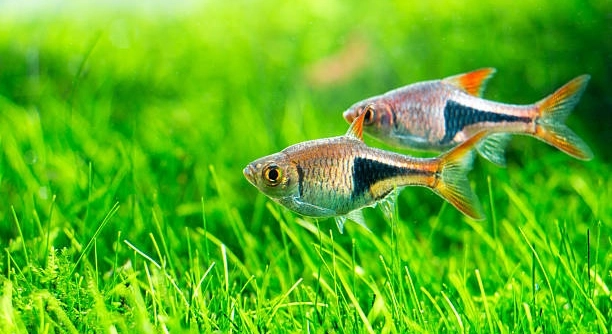
Do you ever notice your Rasboras behaving differently in the tank, swimming erratically or hiding more than usual? Observing these small fish can reveal subtle changes that may indicate stress or environmental issues in your aquarium.
Rasboras often display stress through altered swimming patterns, color fading, and reduced activity. Monitoring these behaviors provides a practical method to assess tank conditions and ensure optimal water quality and habitat stability for their well-being.
Recognizing these signals early can help prevent more serious health problems and maintain a calm, balanced environment for all your aquatic life.
Recognizing Early Signs of Stress
I have noticed that Rasboras tend to show stress in ways that are easy to miss at first. Subtle changes, like swimming near the surface or clustering in corners, often signal discomfort. Color changes are also common; stressed Rasboras may appear dull or less vibrant than usual. Reduced activity, such as hiding behind decorations or staying at the bottom of the tank, can indicate poor water quality or social tension. Observing feeding behavior is equally important. Fish that normally eat quickly may suddenly ignore food, which is a strong warning sign. Tankmates can also influence stress levels, so noticing aggression or constant chasing helps identify potential problems. Light and temperature shifts can further impact their behavior. By paying attention to these small details, you can take timely action to improve conditions. Regular observation ensures the tank remains a healthy environment, preventing long-term effects from unnoticed stress.
Early detection helps maintain healthier fish and prevents more serious issues from developing, keeping your Rasboras active and vibrant.
Continuous monitoring of water parameters, regular tank cleaning, and providing adequate hiding spots are key. Adjusting lighting and temperature gradually helps Rasboras adapt. Ensuring proper group sizes reduces stress, and rotating feeding routines keeps them engaged. Avoid sudden changes that could trigger anxiety.
Water Quality and Its Impact
Poor water conditions affect Rasboras almost immediately, often causing subtle behavioral and physical changes. Maintaining stable pH, temperature, and ammonia levels is essential.
Even slight imbalances, such as a small increase in nitrate, can stress fish. Filtration and frequent water changes prevent accumulation of harmful substances. Overcrowding worsens stress by increasing competition and aggression. Observing fish responses after maintenance can indicate whether conditions are improving or if further adjustments are needed. In my experience, providing clean, well-oxygenated water makes a noticeable difference. Tank layout also matters; hiding spots, plants, and open swimming areas reduce tension and mimic natural habitats. Avoid using harsh chemicals that might shock the fish. By consistently monitoring and adjusting water quality, Rasboras thrive, showing brighter colors and regular activity patterns. Over time, these efforts lead to a stable tank environment where stress is minimized, and fish behavior reflects comfort and health, rather than anxiety or illness.
Diet and Feeding Habits
Rasboras under stress often change how they eat. They may ignore food, nibble slowly, or fight over small amounts. Tracking these patterns helps identify underlying issues.
I have found that feeding a consistent diet of high-quality flakes, pellets, and occasional live or frozen foods keeps Rasboras healthy. Skipping meals or sudden diet changes can trigger stress, leading to color loss or lethargy. Observing their response to feeding can indicate if water conditions or tankmates are causing discomfort. Small, frequent meals usually encourage active feeding and reduce competition, which lowers tension. Providing variety while maintaining routine supports both physical health and mental well-being.
Overfeeding is also a concern. Excess food can pollute the tank, affecting water quality and stressing fish. Removing uneaten food promptly, maintaining portion control, and rotating food types create a balanced environment. When Rasboras eat confidently, it reflects a stable, low-stress tank where their behavior and colors remain healthy. Consistent observation ensures that changes in appetite are caught early before they escalate into serious problems.
Tank Environment and Social Structure
Group size and tank setup significantly influence Rasbora stress levels. Proper spacing and hiding places reduce aggression and anxiety.
I noticed that keeping Rasboras in small groups often results in constant chasing and stress-related behaviors. A larger group allows natural schooling, reducing isolation and fear. Plants, rocks, and driftwood offer secure spots, giving fish places to retreat when overwhelmed. Open swimming areas are just as important, providing exercise and social interaction without overcrowding. Arranging decorations to create visual barriers helps minimize direct confrontations and establishes territories, which can reduce tension. Lighting also plays a role; dimmer, consistent light helps fish feel safe and less exposed. When the social and physical environment is balanced, Rasboras exhibit calmer swimming patterns, stronger colors, and more predictable feeding behavior. Creating a stable, thoughtfully designed tank fosters a harmonious community where stress is minimized.
Light and Temperature Considerations
Rasboras are sensitive to sudden changes in light or temperature. Abrupt shifts can cause hiding, erratic swimming, or lethargy. Maintaining consistent conditions reduces stress and supports normal behavior.
Using a timer for lights and gradual temperature adjustments helps fish acclimate. Sudden bright lights or drafts can trigger anxiety, so consistency is key for a stable tank environment.
Monitoring Behavior Patterns
Keeping a log of Rasbora activity reveals subtle stress indicators. Swimming habits, interactions, and feeding responses provide clues to their comfort level. Regular observation allows quick identification of environmental or social issues before they escalate. Consistent monitoring ensures interventions are timely and effective, maintaining a healthy tank dynamic.
Signs of Illness Related to Stress
Stress often makes Rasboras more vulnerable to disease. Symptoms like frayed fins, white spots, or rapid breathing indicate compromised immunity. Immediate attention to water quality, diet, and tank conditions can prevent serious illness and restore their overall health.
FAQ
How can I tell if my Rasbora is stressed?
Stress in Rasboras often shows through changes in behavior and appearance. Common signs include swimming near the surface, hiding frequently, darting suddenly, or staying at the bottom. Color fading, loss of appetite, and clamped fins are additional indicators. Monitoring these behaviors daily helps identify problems early.
What causes stress in Rasboras?
Several factors contribute to stress. Poor water quality, sudden temperature or lighting changes, overcrowding, and aggressive tankmates can all affect their well-being. Even minor fluctuations in pH or ammonia levels may trigger stress. Ensuring consistent, clean, and suitable tank conditions is essential for maintaining calm fish.
How does diet affect stress levels?
Feeding patterns are closely linked to stress. Rasboras that skip meals or eat reluctantly may be responding to tank stress. Overfeeding can also degrade water quality, indirectly causing stress. Providing a balanced diet of flakes, pellets, and occasional live or frozen foods supports both physical health and mental stability.
What role does tank size play in stress?
Tank size influences movement and social interaction. Small tanks restrict swimming space, increasing aggression and tension. Larger tanks allow schooling behavior and reduce competition for resources. Properly spaced hiding spots and open swimming areas are essential to minimize stress in confined environments.
Can social structure impact Rasbora stress?
Yes. Rasboras are schooling fish and feel safer in groups. Too few fish can lead to isolation and fear, while overcrowding can trigger aggression. Observing interactions helps determine if the social balance is appropriate. A group of six or more usually promotes natural schooling and reduces anxiety.
How do light and temperature affect stress?
Rasboras are sensitive to environmental shifts. Bright lights, drafts, or rapid temperature changes can trigger hiding, erratic swimming, or lethargy. Gradual adjustments and a consistent lighting schedule help fish acclimate and maintain normal activity levels. Stability in these factors is crucial for reducing stress.
What are the common diseases linked to stress?
Stress weakens immunity, making Rasboras susceptible to infections. White spots, frayed fins, rapid breathing, and unusual swimming indicate potential illness. Early detection, water quality maintenance, and prompt care prevent minor stress from escalating into serious health issues.
How can I improve tank conditions to reduce stress?
Regular water changes, proper filtration, and monitoring water parameters help maintain a stable environment. Adding plants, rocks, and hiding spaces creates security. Gradual lighting and temperature adjustments reduce sudden shocks. Observing fish behavior consistently ensures interventions are timely and effective.
How often should I monitor my Rasboras?
Daily observation is ideal. Small behavioral changes, feeding patterns, or color shifts can indicate stress before serious problems arise. Logging these observations helps track trends, identify triggers, and maintain a healthy, balanced tank over time.
Is it possible to reverse stress once it occurs?
Yes, stress can be reduced by improving water quality, stabilizing temperature and lighting, adjusting tankmates, and ensuring proper diet. Quick intervention often restores normal behavior, color, and appetite. Long-term attention to tank conditions helps prevent recurring stress and supports overall health.
This FAQ provides practical steps to identify, prevent, and address Rasbora stress, ensuring a calm, healthy environment for the fish. Consistent care and observation make a noticeable difference in their behavior and overall well-being.
Final Thoughts
Rasboras are small, delicate fish, but they communicate a lot through their behavior and appearance. Observing them closely can provide insight into the health of the tank and the quality of their environment. Even subtle changes, like a slight loss of color or unusual swimming patterns, are often indicators that something in the tank may need attention. Consistent observation allows for early detection of problems, making it easier to address them before they escalate. Over time, watching these behaviors becomes second nature, helping maintain a calm, balanced, and healthy aquarium.
Maintaining stable water conditions is the most effective way to prevent stress in Rasboras. Temperature, pH, and ammonia levels should be monitored regularly, and gradual adjustments are preferable to sudden changes. Proper filtration and frequent partial water changes remove waste and prevent harmful substance buildup. Tank size, layout, and decor also play a role in reducing stress. Providing open swimming space alongside hiding spots ensures that fish feel secure while maintaining natural schooling behavior. Even small changes in these factors can noticeably affect the activity, color, and appetite of Rasboras, so careful attention is important.
Social dynamics and diet are equally important. Rasboras thrive in groups, which help reduce anxiety and encourage natural behaviors. Overcrowding or isolation can trigger stress and aggressive interactions, so group size and tankmates must be carefully considered. Feeding routines should be consistent and balanced, with high-quality flakes, pellets, and occasional live or frozen foods. Overfeeding should be avoided to maintain water quality, and observing eating habits helps identify early signs of stress. By combining attention to water quality, environment, social structure, and diet, Rasboras can live in a comfortable, low-stress setting. These practices ensure their colors remain vibrant, behaviors natural, and overall health stable over time.

Hello,
If you enjoy the content that we create, please consider saying a "Thank You!" by leaving a tip.
Every little bit helps us continue crafting quality advice that supports the health, happiness, and well-being of pets around the world, for pets of all shapes, sizes, and species.
We really appreciate the kindness and support that you show us!