
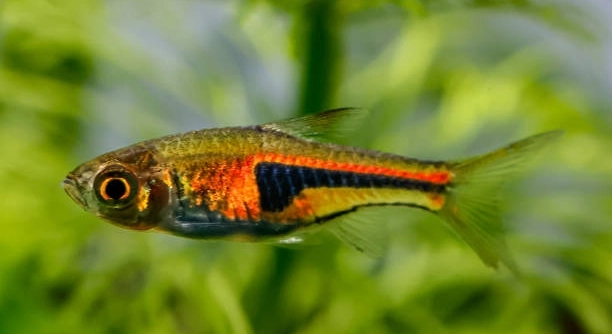
Do you ever find yourself wanting to make your rasboras feel more at home by adding decorations that bring comfort and joy?
Rasboras enjoy tank decorations that mimic their natural habitat. Plants, driftwood, rocks, and caves provide hiding places, reduce stress, and encourage exploration. These elements create a balanced environment, supporting both physical activity and emotional well-being for the fish.
From plants that sway gently to driftwood that offers shelter, each decoration plays an important role in creating a thriving aquarium space.
Lush Aquatic Plants
Rasboras thrive when surrounded by live plants that replicate the lush waters they naturally inhabit. Adding plants such as Java fern, Anubias, or Amazon swords helps create a peaceful and secure environment. These plants not only provide hiding spaces but also encourage natural behaviors, allowing the fish to feel less stressed. Floating plants like water lettuce or frogbit are also valuable because they diffuse light, giving rasboras the shaded cover they instinctively prefer. Healthy plants contribute to water quality by absorbing excess nutrients, creating a balanced habitat. The vibrant greenery also enhances the tank’s beauty, making it more appealing.
Adding live plants improves water conditions while keeping rasboras active and stress-free. A planted setup creates a calming aquarium that benefits both the fish and the keeper.
When cared for properly, aquatic plants bring balance to the tank. They offer cover, improve water quality, and provide rasboras with spaces to explore and rest. A mix of tall and short plants enhances the habitat by creating multiple layers within the tank. Floating plants soften the lighting, making the rasboras more comfortable and willing to swim openly. These decorative additions give the fish both security and freedom, helping them thrive naturally.
Natural Driftwood
Driftwood is an excellent decoration that makes rasboras feel secure. It creates shaded areas and cozy hiding spots while adding natural beauty to the tank.
The addition of driftwood transforms a tank into a safe and calming environment for rasboras. Its shape and texture create areas where fish can retreat, reducing stress and encouraging natural behavior. Driftwood also helps mimic the forest streams where rasboras originate, giving the aquarium a more authentic look. Beyond aesthetics, it releases tannins that soften the water slightly, creating conditions that rasboras prefer. When combined with plants, driftwood supports a balanced habitat by giving fish hiding spots and shaded areas. Choosing smooth pieces ensures safety for the fish while maintaining a pleasing design. Large branches provide structure, while smaller pieces fill empty spaces, making the aquarium feel more complete. Over time, driftwood becomes a central element of a healthy and visually appealing setup.
Smooth River Rocks
Smooth river rocks create a natural look while giving rasboras places to explore and rest. Arranging rocks in clusters forms shaded areas, encouraging fish to swim around and hide when they feel the need for security.
Rocks also help define spaces within the tank, giving rasboras natural boundaries. When stacked carefully, they create small caves and shaded passages that mimic natural habitats. These structures encourage playful swimming, reduce stress, and allow for a more dynamic environment. Smooth surfaces ensure safety by preventing injuries to delicate fins. Choosing varied sizes enhances the tank’s layout, making it feel more natural.
River rocks contribute to the aquarium’s stability by holding down plants and preventing substrate from shifting. They serve as anchor points for mosses, which rasboras enjoy swimming around. When arranged properly, rocks also add depth and texture to the aquarium design. This balance of function and beauty creates an ideal setup.
Decorative Caves
Caves provide hiding spaces that rasboras appreciate when they feel stressed or need rest. These decorations make the fish feel secure and comfortable, especially in active community tanks where space and safety are important.
Artificial or natural caves give rasboras privacy while keeping the aquarium visually interesting. Small crevices allow fish to retreat whenever needed, reducing stress levels significantly. Caves also help prevent conflicts with other tank mates by offering safe retreats. When paired with plants and rocks, they blend seamlessly into the environment. Selecting smooth-edged caves is important to protect delicate fins. The variety of designs, from ceramic to natural stone, allows for flexibility in style. With proper placement, caves encourage natural behaviors, making rasboras more confident in their surroundings while maintaining balance in the aquarium.
Floating Plants
Floating plants provide shade and soft cover that rasboras naturally seek. They help diffuse light, reducing stress, and create small shaded areas for resting and exploring freely within the tank.
These plants also improve water quality by absorbing excess nutrients. Their gentle movement in water adds a dynamic environment that keeps rasboras engaged while maintaining a peaceful atmosphere.
Small Leafy Shrubs
Small leafy shrubs planted in clusters offer additional hiding spots for rasboras. They encourage swimming through branches and create a sense of security. Shrubs also provide surfaces for beneficial biofilm growth, which some rasboras nibble on. By varying height and density, these plants make the tank feel more natural and balanced.
Soft Substrate
Soft substrates, such as fine sand or smooth gravel, are ideal for rasboras. They allow safe foraging and reduce the risk of injury while creating a comfortable bottom layer for exploration and resting.
Tiny Moss Balls
Moss balls give rasboras a low-maintenance decoration that adds texture to the tank. They provide small surfaces for grazing, promote water quality, and gently enhance the visual appeal of the aquarium without taking much space.
FAQ
What decorations do rasboras enjoy the most?
Rasboras prefer decorations that mimic their natural habitats. Live plants, driftwood, smooth rocks, and small caves provide both cover and swimming areas. Floating plants offer shade, while moss balls create gentle grazing spots. These elements reduce stress, encourage natural behaviors, and make the tank visually appealing without overcrowding.
Are artificial plants suitable for rasboras?
Yes, artificial plants can be used safely if they have smooth edges and are securely anchored. They offer hiding spaces and swimming pathways. However, live plants are preferred because they improve water quality, provide natural biofilm, and allow for a more dynamic and realistic environment that supports healthy fish behavior.
How important is substrate for rasboras?
Substrate plays a significant role in creating a comfortable environment. Fine sand or smooth gravel allows safe foraging and protects delicate fins. It also supports plant roots, keeps the tank visually balanced, and provides areas for rasboras to explore. Harsh or sharp substrates can cause stress and injury, so choosing soft, natural materials is recommended.
Can rasboras live with other fish around caves and rocks?
Yes, caves and rocks help reduce stress in community tanks by giving rasboras safe spaces to retreat. Properly arranged hiding spots prevent aggression, encourage exploration, and allow fish to establish territories. Using multiple small caves or rock clusters ensures each fish has access to shelter, improving overall tank harmony.
Do floating plants affect light levels in the tank?
Floating plants diffuse light, creating shaded areas that rasboras naturally enjoy. This helps reduce stress and gives the fish spots to rest. While dense floating plants can slightly limit overall light, arranging them thoughtfully ensures plants below still receive enough sunlight for growth.
How do moss balls benefit rasboras?
Moss balls add texture and small grazing surfaces in the tank. They gently improve water quality by absorbing excess nutrients and create minor currents as they move. Rasboras enjoy swimming around them, and the low-maintenance nature of moss balls makes them a practical addition to both planted and minimally decorated tanks.
What are the best rocks for rasboras?
Smooth river rocks are ideal. They prevent injury, create natural-looking caves and passageways, and help anchor plants. Arranging rocks of varying sizes encourages exploration and reduces stress. Avoid sharp or jagged rocks, as these can damage delicate fins and cause health issues over time.
Should decorations be rearranged often?
Decorations can be adjusted occasionally to refresh the environment, but frequent changes may stress the fish. Minimal rearrangement is best once rasboras are familiar with hiding spots and swimming areas. Small additions, such as moss balls or floating plants, can keep the tank dynamic without disrupting established territory.
Do decorations affect water quality?
Yes, live plants, driftwood, and moss balls positively influence water quality by absorbing excess nutrients and releasing beneficial compounds. Rocks and artificial decorations do not directly affect chemistry but should be cleaned regularly to prevent algae buildup. Combining functional decorations with proper maintenance supports a balanced, healthy aquarium environment.
Can decorations help reduce stress in rasboras?
Absolutely. Providing shaded areas, hiding spots, and natural textures allows rasboras to feel secure. Stress is minimized when fish can retreat, swim freely, and engage in natural behaviors. Decorations that replicate natural habitats contribute to overall well-being and improve coloration, activity levels, and social interactions within the tank.
How do I balance aesthetics with functionality?
Focus on combining visual appeal with safety and comfort. Use a mix of plants, rocks, driftwood, and moss balls. Ensure smooth edges, adequate hiding spots, and open swimming areas. Thoughtful placement allows the tank to look natural while meeting the behavioral and physical needs of rasboras.
Are there any decorations to avoid?
Avoid sharp, rough, or toxic materials that can injure or stress fish. Decorations with small openings that trap fish or unstable pieces that may fall should be avoided. Stick to smooth rocks, natural wood, safe artificial plants, and soft substrate to create a secure and enjoyable habitat.
How often should decorations be cleaned?
Regular cleaning prevents algae buildup and maintains water quality. Gentle rinsing with aquarium water or soft brushes is sufficient. Avoid harsh chemicals. Live plants should be trimmed when necessary, and moss balls or driftwood can be gently scrubbed. Consistent maintenance keeps the tank safe and attractive for rasboras.
Can decorations influence breeding?
Yes, decorations such as dense plants and caves provide secure areas for laying eggs. Rasboras feel safer in well-structured tanks, which can encourage natural breeding behavior. Proper placement of these elements ensures privacy and reduces the likelihood of eggs being disturbed by other fish.
Do rasboras interact with decorations?
Rasboras actively explore and use decorations for hiding, resting, and swimming through. Plants, caves, rocks, and moss balls all encourage engagement and reduce boredom. Thoughtful arrangements allow fish to navigate safely while expressing natural behaviors, enhancing both activity and overall tank health.
This FAQ provides detailed guidance on selecting, arranging, and maintaining tank decorations that support rasbora health, safety, and behavior in a simplistic and effective manner.
Final Thoughts
Creating a comfortable and engaging environment for rasboras requires careful selection of decorations that replicate their natural habitat. Plants, driftwood, smooth rocks, caves, and moss balls all serve important functions in the tank. Live plants provide cover, reduce stress, and improve water quality by absorbing excess nutrients. Floating plants and shrubs offer shaded areas and hiding spots, making rasboras feel secure. Driftwood not only adds visual appeal but also releases tannins that slightly soften the water, creating conditions closer to what rasboras experience in the wild. Smooth river rocks provide stable surfaces for exploring and foraging, while caves allow the fish to retreat when they feel threatened or need rest. Moss balls and other small decorative elements add texture and grazing opportunities, keeping the fish engaged and active. Each type of decoration plays a role in creating a balanced, healthy environment that promotes both physical and emotional well-being for the fish. Proper arrangement is essential to maximize the benefits of these decorations.
Maintaining a tank that incorporates these decorations requires regular attention and care. Substrate, for example, should be soft and natural to prevent injury while supporting plant growth. Decorations must be cleaned periodically to prevent algae buildup and maintain water quality. Live plants may require trimming, and driftwood or moss balls should be rinsed gently when needed. While artificial plants are safe if smooth and securely anchored, live plants are preferred for their ability to improve water conditions and provide a more dynamic environment. Thoughtful placement ensures that fish have access to hiding spots, shaded areas, and open swimming spaces. Overcrowding the tank with decorations can reduce swimming space and create stress, so balancing aesthetics and functionality is important. Each element should serve a purpose in creating a secure and comfortable habitat, rather than just filling empty space.
The overall benefit of carefully selected decorations is significant for rasboras’ health and behavior. Fish that feel safe and supported in their environment are more active, display natural behaviors, and experience lower stress levels. Decorations also enhance the visual appeal of the tank, making it a more enjoyable space for observation. By combining plants, driftwood, rocks, caves, and moss balls in a thoughtful layout, the tank becomes a miniature ecosystem that encourages exploration, foraging, and resting. This careful attention to habitat design supports not only the physical health of rasboras but also their emotional well-being, helping them thrive naturally. Over time, observing how rasboras interact with these elements provides insight into their preferences and behavior. A well-decorated tank is not just visually pleasing; it is a functional space that promotes the long-term health, activity, and happiness of the fish. Properly arranged decorations make the tank feel alive and dynamic, offering a secure, comfortable, and stimulating environment for rasboras to flourish.

Hello,
If you enjoy the content that we create, please consider saying a "Thank You!" by leaving a tip.
Every little bit helps us continue crafting quality advice that supports the health, happiness, and well-being of pets around the world, for pets of all shapes, sizes, and species.
We really appreciate the kindness and support that you show us!