
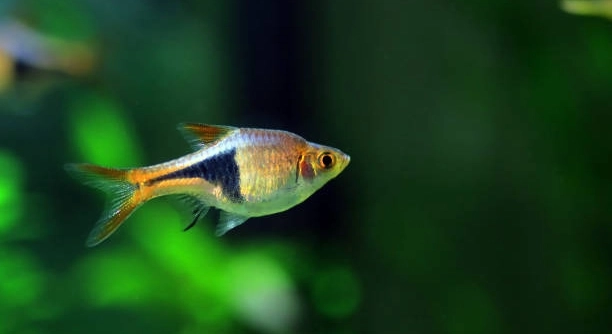
Rasboras are small, peaceful fish often kept in home aquariums. Their behavior and health can change noticeably with even small adjustments to their tank environment. Many aquarists overlook how tiny changes can impact these delicate swimmers.
Seven minor modifications in tank setup, such as adjusting water flow, lighting, and plant placement, can significantly affect Rasbora activity and well-being. These changes create a more natural and comfortable habitat, improving their behavior and overall health in measurable ways.
Knowing which small adjustments make a difference can help create a better environment for your Rasboras. These simple steps can lead to a happier, healthier tank community.
Water Flow Adjustments
Rasboras prefer gentle water currents that mimic their natural habitat. Strong water flow can stress them, causing them to hide or become less active. Adjusting the filter output or adding decorations to slow the flow helps create calmer water. This small change allows Rasboras to swim comfortably and reduces unnecessary energy use. Many tank owners find their fish become visibly more relaxed after tweaking the water movement. It also helps improve oxygen circulation without overwhelming the fish. The right balance keeps the tank environment stable and inviting for Rasboras.
Even a slight reduction in flow can make a big difference in their behavior.
Controlling water flow involves testing the current speed and observing how your Rasboras react. If they seem stressed or avoid certain areas, try redirecting or diffusing the water stream. Adding plants or rocks near the filter outlet helps break up the flow, creating calm spots. These peaceful areas encourage natural swimming patterns and social interactions among the fish. Regularly checking the flow as plants grow or equipment changes ensures your tank stays comfortable for Rasboras over time.
Lighting Changes
Rasboras thrive under moderate lighting conditions that replicate their native shaded waters. Bright or harsh light may cause them to hide or stress. Lowering light intensity or using floating plants to create shaded areas helps Rasboras feel safe and display natural colors. Proper lighting supports their day-night cycle, which is important for feeding and activity. The goal is to balance visibility and comfort without overstimulation. This adjustment can often be overlooked but has a clear impact on how lively your Rasboras appear.
Softening the light creates a more natural setting and encourages healthy behavior.
Using adjustable LED lights or dimmers gives control over brightness levels throughout the day. Floating or tall plants act as natural filters, casting gentle shadows in the tank. This layered light environment helps Rasboras find their preferred spots, reducing stress and promoting exploration. Avoid leaving lights on for too long, as excessive illumination can disrupt their rest and feeding patterns. Following a consistent lighting schedule simulates natural conditions, helping your Rasboras feel secure and active.
Plant Placement
Plants provide shelter and reduce stress for Rasboras. Proper placement creates hiding spots and swimming lanes, making the tank feel safer and more natural. Plants near the surface and sides help mimic their preferred environment.
Placing plants strategically balances open swimming space and cover. Dense clusters near the edges let Rasboras retreat when feeling threatened. Taller plants at the back or sides create depth, while shorter plants in front maintain visibility. This arrangement encourages exploration and natural behavior without making the tank feel crowded. Plants also improve water quality by absorbing nitrates, adding another benefit beyond aesthetics.
Regularly rearranging or trimming plants keeps the environment fresh and avoids overgrowth. It helps maintain clear swimming paths and prevents stagnant areas. Watching how Rasboras use the plants can guide further adjustments, ensuring their comfort and well-being remain priorities in the tank design.
Water Temperature Stability
Stable water temperature is crucial for Rasboras’ health and activity. Sudden fluctuations cause stress and weaken their immune systems. Maintaining consistent warmth supports their natural metabolism.
Keeping temperature steady requires reliable heaters and regular monitoring. Use a quality thermometer to check water daily, especially during seasonal changes. Avoid placing the tank near drafts or heat sources that cause swings. Even a few degrees variation can upset their balance, leading to sluggishness or hiding. Consistency supports regular feeding, growth, and social interaction.
When adjusting temperature, change it gradually to avoid shocking the fish. Small, incremental changes over hours or days help Rasboras adapt comfortably. A stable environment helps them thrive, showing brighter colors and livelier movement. It also reduces disease risks, making tank maintenance smoother overall.
Tank Size Adjustment
A slightly larger tank gives Rasboras more space to swim freely and reduces stress. Crowded conditions lead to aggression and poor health. Expanding the tank by even a few gallons improves their overall behavior.
More space allows for better territory establishment and natural schooling patterns. It supports healthier water quality and gives room for plants and decorations.
Filtration Fine-Tuning
Good filtration keeps water clean without creating strong currents. A filter with adjustable flow is best for Rasboras. Too strong a flow can tire them out, while poor filtration harms water quality.
Regularly cleaning the filter media ensures efficient operation. Proper filtration balances biological, mechanical, and chemical processes to maintain a stable environment.
Substrate Choice
A soft, natural substrate helps Rasboras feel secure and mimics their native environment. Rough or sharp substrates may stress them or cause injury.
Choosing smooth sand or fine gravel supports bottom-dwelling behavior and encourages natural foraging without harm.
FAQ
How often should I change the water in my Rasbora tank?
Regular water changes are essential for keeping Rasboras healthy. Ideally, change about 20-30% of the water weekly. This helps remove waste and toxins while keeping water parameters stable. Avoid changing too much at once to prevent stress. Smaller, frequent changes maintain water quality without shocking the fish.
Can Rasboras live with other fish species?
Yes, Rasboras are peaceful and can coexist with other non-aggressive fish. Suitable tank mates include small tetras, rasboras of different species, and peaceful bottom dwellers like Corydoras. Avoid larger or aggressive fish that might bully or stress your Rasboras. Always research compatibility before adding new fish.
What is the best diet for Rasboras?
Rasboras are omnivores and enjoy a varied diet. High-quality flake or pellet food designed for small tropical fish forms a good base. Supplement with live or frozen foods like brine shrimp, daphnia, or bloodworms to provide protein. Occasional vegetable matter such as blanched spinach or zucchini is also beneficial. Feeding small amounts 1-2 times daily prevents overfeeding and keeps the tank clean.
How do I know if my Rasboras are stressed?
Signs of stress include hiding, clamped fins, loss of color, and reduced activity. They may also stop eating or become aggressive toward tank mates. Stress can be caused by poor water quality, wrong temperature, or overcrowding. Checking water parameters and adjusting the environment helps reduce stress and improves their health.
Are Rasboras schooling fish?
Yes, Rasboras feel safest and behave naturally in groups of at least six or more. Schooling provides security and encourages active swimming. Keeping fewer than six can cause shyness or stress, as they rely on group behavior for comfort. A proper group size also enhances their appearance and activity level.
What water parameters are best for Rasboras?
Rasboras prefer slightly acidic to neutral water, with a pH between 6.0 and 7.5. Temperature should be stable between 72°F and 79°F (22°C to 26°C). Soft to moderately hard water is ideal, with low nitrate levels. Regular testing helps maintain these conditions and keeps the tank healthy.
Can Rasboras breed in a home aquarium?
Yes, Rasboras can breed in captivity with the right conditions. Provide dense plants or spawning mops where females can lay eggs. Slightly cooler water and a diet rich in live foods encourage spawning. After eggs are laid, removing adults helps protect the eggs from being eaten.
What should I do if my Rasboras show signs of disease?
Early detection is key. Quarantine sick fish if possible and test water quality immediately. Common illnesses include ich, fin rot, and fungal infections. Treatments often involve medicated baths or adding medication to the tank. Maintaining a clean tank and stable environment reduces disease risk.
How important is lighting for Rasboras?
Lighting affects Rasbora behavior and coloration. Moderate lighting that mimics natural conditions is best. Too bright can stress them, while too dim may reduce activity and color vibrancy. Using floating plants or dimmable lights helps create a comfortable balance.
Do Rasboras need a specific type of filter?
Filters with adjustable flow rates are best. They keep water clean without creating strong currents that stress Rasboras. Sponge filters or canister filters with flow control provide good filtration and oxygenation. Regular cleaning ensures the filter remains effective.
Final Thoughts
Small changes in a Rasbora tank can have a big impact on the health and behavior of the fish. Paying attention to things like water flow, lighting, and plant placement creates a more natural and comfortable environment. These tiny adjustments help Rasboras feel safe and reduce their stress. When fish feel secure, they swim more actively and show better colors. Even small improvements can lead to noticeable positive changes that make the tank more enjoyable to watch.
Consistency in tank maintenance is also very important. Regular water changes, monitoring water temperature, and cleaning filters keep the environment stable. Rasboras are sensitive to sudden changes, so keeping conditions steady helps prevent health problems. When the water is clean and the temperature is right, Rasboras eat well, grow, and interact naturally. This steady care supports their long-term well-being and helps avoid common issues caused by poor water quality or sudden shifts.
Creating a good home for Rasboras does not require a lot of complicated work. Simple steps like choosing the right tank size, adding soft substrate, and keeping lighting gentle go a long way. Observing the fish daily allows you to see what works best and when changes are needed. This personal attention helps you create a peaceful tank that supports the needs of your Rasboras. With patience and care, small tank changes can transform their environment and bring out their best qualities.

Hello,
If you enjoy the content that we create, please consider saying a "Thank You!" by leaving a tip.
Every little bit helps us continue crafting quality advice that supports the health, happiness, and well-being of pets around the world, for pets of all shapes, sizes, and species.
We really appreciate the kindness and support that you show us!