
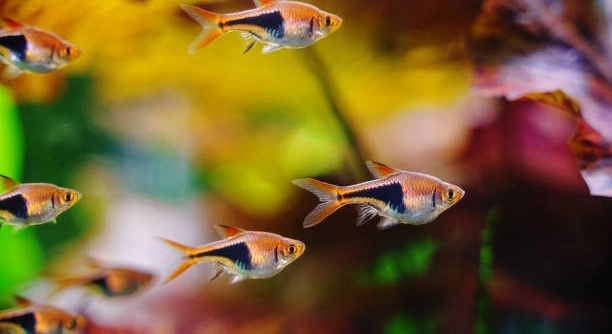
Rasboras are small, peaceful fish that bring life to home aquariums. Watching them adjust to their new environment is a subtle process that many fishkeepers find rewarding. Recognizing the signs they are comfortable helps ensure their well-being.
Rasboras show they are settling in by exhibiting calm swimming patterns, consistent feeding behavior, and interacting gently with tank mates. They also display vibrant coloration and establish regular resting spots, indicating they feel secure in their habitat.
Noticing these subtle signals helps maintain a healthy and balanced aquarium environment for your rasboras to thrive.
Calm Swimming Patterns
When rasboras feel at ease in their tank, their swimming becomes smooth and purposeful. They no longer dart nervously but move in steady, gentle patterns. These fish often explore the middle and upper parts of the aquarium, showing confidence in their surroundings. Watching them glide calmly signals they have adjusted well to the water conditions and the environment. This calm behavior contrasts with the erratic movements seen when they first arrive. It also means the water quality and temperature are suitable. A stable group of rasboras swimming together without stress indicates they are comfortable with each other and the space provided. Such behavior is a clear sign your fish are settling in well and adapting to their new home.
Calm swimming is one of the earliest signs that rasboras are comfortable and secure in their aquarium.
Observing this pattern helps you track their progress and ensures you are providing a stable, healthy environment. Regularly noting changes in their swimming can alert you to potential issues before they become serious. This early observation is key to keeping your rasboras healthy and happy for the long term.
Consistent Feeding Behavior
Rasboras that are settling in will eat regularly and without hesitation. They learn to recognize feeding times and come forward confidently when food is offered. This consistency shows they trust their environment and are not stressed. If a rasbora refuses food or hides during feeding, it may be a sign of discomfort or illness. Providing a varied diet helps maintain their interest and supports their health. Feeding behavior is also connected to water quality; good conditions encourage healthy appetites. Watching your fish feed well can give you peace of mind that your tank is a safe and suitable habitat. Proper nutrition is vital for their growth and vibrant appearance.
Interaction with Tank Mates and Environment
Rasboras are social fish that thrive in groups. When they feel secure, they swim alongside their tank mates in coordinated movements known as shoaling. This behavior reduces stress and promotes natural instincts. They may also explore plants, decorations, and hiding spots without fear. Healthy interaction includes gentle chasing and playing, not aggression. Aggressive behavior or isolation can indicate problems. A well-settled group displays harmony and balance, which benefits the entire aquarium ecosystem. Providing ample space and proper hiding places encourages positive interaction. These signs demonstrate that the fish feel at home and safe. Observing their behavior in relation to the environment helps you maintain a peaceful tank. Understanding these social cues allows you to support their natural habits and wellbeing effectively.
Vibrant Coloration
Rasboras display brighter colors when they are comfortable in their environment. Dull or faded hues often signal stress or illness, while vibrant shades indicate good health and adaptation.
Bright coloration in rasboras results from proper diet, clean water, and minimal stress. When these fish settle in, their colors intensify, showing they are thriving. Healthy lighting and stable water parameters contribute to their natural beauty. Changes in color can also reflect mood and social interactions within the group. Watching for this subtle shift helps confirm your fish are well-adjusted. It also encourages you to maintain optimal tank conditions. Vibrant colors are a visual cue that your aquarium setup supports the fish’s needs and overall health.
This color change can be a rewarding sign for anyone caring for rasboras, confirming that the effort put into their care is paying off.
Establishing Resting Spots
Rasboras often select specific areas in the tank where they feel safe to rest. These spots provide shelter and protection from strong currents or light.
Resting spots are important for rasboras’ comfort and stress reduction. They often choose plants, corners, or decorations where they can hide or remain partially concealed. This behavior signals they trust their environment enough to relax regularly. Providing a variety of hiding places encourages this habit and supports their natural instincts. If a rasbora is frequently moving and never resting, it may be unsettled or stressed. Monitoring where your fish choose to rest helps identify whether your tank setup meets their needs. Ensuring these areas are safe and calm promotes a balanced, healthy environment. Resting habits are another subtle clue that your rasboras are adjusting well to their new home.
Social Behavior
Rasboras show comfort by swimming closely together in groups. This shoaling behavior helps reduce stress and reflects natural instincts.
When rasboras settle in, they interact more with tank mates through synchronized movements and gentle chasing. These actions demonstrate a peaceful and healthy community.
Adjusting to Tank Conditions
Rasboras adapt their activity levels based on water temperature and quality. Proper conditions encourage regular movement and alertness.
Stable water parameters prevent stress and support natural behaviors. A well-maintained tank helps rasboras settle quickly and maintain good health.
Regular Breathing Patterns
Steady, calm gill movements indicate that rasboras are relaxed and comfortable in their environment.
Rapid or labored breathing suggests stress or poor water quality, which should be addressed promptly.
How long does it take for rasboras to settle into a new tank?
Rasboras usually take about one to two weeks to fully adjust to a new aquarium. During this period, they may behave nervously or hide more often. Providing stable water conditions, proper temperature, and a calm environment helps speed up the settling process. Avoid sudden changes in lighting or water chemistry, as these can cause stress and delay adaptation.
What are the signs that rasboras are stressed?
Signs of stress in rasboras include erratic swimming, hiding frequently, loss of appetite, and faded colors. Rapid or heavy breathing is also a common indicator. Stress may result from poor water quality, aggressive tank mates, or inadequate hiding spots. If these signs appear, testing water parameters and making adjustments is essential. Ensuring a peaceful tank setup will help reduce stress.
Can rasboras live alone, or do they need a group?
Rasboras are schooling fish and thrive best in groups of at least six. Living alone can cause them to become shy, stressed, or inactive. In groups, they show natural social behaviors like shoaling and synchronized swimming. Keeping them in groups also supports their mental and physical health. A well-sized school creates a lively and balanced aquarium.
What kind of diet helps rasboras settle in?
A varied diet of high-quality flakes, micro pellets, and live or frozen foods such as daphnia, brine shrimp, and bloodworms promotes health and color vibrancy. Feeding small amounts twice daily encourages regular eating habits. Offering different foods keeps them interested and supports a smooth adjustment to the tank environment.
How important is water quality for rasbora settlement?
Water quality is critical for rasboras to settle and remain healthy. Clean, well-filtered water with stable pH between 6.5 and 7.5, temperature around 74-79°F (23-26°C), and low ammonia and nitrite levels provides ideal conditions. Frequent water changes and testing help maintain these parameters. Poor water quality stresses the fish, affecting their behavior and coloration.
Do rasboras need plants or decorations to settle in?
Yes, plants and decorations offer essential hiding spots and resting places, helping rasboras feel secure. Live plants also improve water quality by absorbing nitrates. Providing areas of shade and shelter reduces stress and encourages natural behavior. A planted tank with gentle water flow mimics their natural habitat and supports settling.
What should I avoid to help rasboras settle quickly?
Avoid overcrowding, aggressive tank mates, sudden changes in lighting or water parameters, and poor water quality. Introducing rasboras to a noisy or frequently disturbed tank also slows adjustment. Maintaining a calm environment with consistent care allows rasboras to adapt comfortably.
How can I tell if my rasboras are healthy after settling in?
Healthy rasboras show bright colors, calm swimming, regular feeding, and social interaction with tank mates. Their breathing is steady, and they rest in safe spots. No visible signs of illness such as spots, torn fins, or lethargy should be present. Monitoring these behaviors helps ensure ongoing well-being.
Can rasboras breed in a home aquarium?
Yes, rasboras can breed in captivity when conditions are right. They prefer slightly acidic, soft water and plenty of plants or spawning mops. The fish scatter eggs and may eat them if not separated. Providing a dedicated breeding tank increases success. Fry require fine foods like infusoria or liquid fry food to grow.
What is the best way to introduce rasboras to a new tank?
Acclimate rasboras slowly using a drip or floating method to reduce shock from water differences. Gradually mix tank water into the transport bag over 30-60 minutes before releasing them. This careful introduction minimizes stress and helps them settle faster in their new environment.
Final Thoughts
Rasboras are delicate fish that require patience and proper care to feel comfortable in a new aquarium. Recognizing the subtle signs of settling in helps fishkeepers provide the best environment for them. Calm swimming, consistent feeding, and vibrant coloration all show that rasboras are adjusting well. Paying close attention to these behaviors allows for early detection of any problems. It also reassures that the tank conditions are suitable. Taking time to observe your fish daily supports their health and happiness over time.
Creating a stable environment is key to helping rasboras thrive. This means maintaining clean water, appropriate temperature, and a peaceful tank setup. Providing hiding spots and plants encourages natural behavior and reduces stress. Rasboras, as social fish, do best in groups where they can interact safely. Proper feeding and monitoring water quality contribute significantly to their wellbeing. Small changes to the tank should be made gradually to avoid upsetting the fish. Consistency and careful observation lead to a healthy aquarium where rasboras feel secure.
Understanding the subtle clues that rasboras are settling in can improve your experience as a fishkeeper. These signs guide how to adjust care and maintain ideal conditions. Patience is important because each fish adapts at its own pace. Being attentive to their behavior ensures that issues are caught early and addressed properly. This attention creates a peaceful environment where rasboras can flourish. The effort spent in supporting their adaptation results in a lively, beautiful aquarium that brings satisfaction and enjoyment.

Hello,
If you enjoy the content that we create, please consider saying a "Thank You!" by leaving a tip.
Every little bit helps us continue crafting quality advice that supports the health, happiness, and well-being of pets around the world, for pets of all shapes, sizes, and species.
We really appreciate the kindness and support that you show us!