
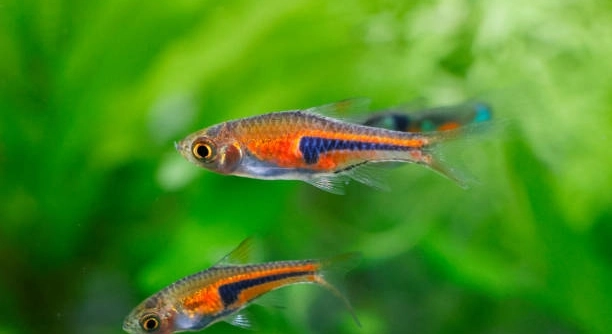
Rasboras are small, active fish often kept in home aquariums. They respond quickly to changes in their environment, even when those changes happen slowly over time. Understanding these subtle shifts can help keep them healthy and comfortable.
Rasboras detect slow changes such as water temperature shifts, pH variations, lighting adjustments, diet changes, tank mates’ behavior, water flow alterations, and gradual habitat modifications. These factors influence their activity levels, stress responses, and overall well-being.
Recognizing these slow but noticeable changes can improve how you care for your rasboras and ensure their environment stays balanced and stable.
Water Temperature Shifts
Rasboras are sensitive to even slight changes in water temperature. If the water becomes warmer or cooler gradually, they notice it quickly and may change their swimming patterns or become less active. Consistent temperature helps keep their metabolism steady and supports their immune system. Sudden drops or rises, even if slow, can stress them and increase the risk of illness. Using a reliable heater and thermometer can maintain a stable environment. Small fluctuations are common but should be minimized to avoid stress. Adjusting temperature slowly when needed helps them adapt better.
Stable water temperature promotes healthy behavior and reduces stress in rasboras. Maintaining this balance is key to their well-being.
Paying attention to temperature changes can help you prevent problems before they start. Keeping their water steady allows your rasboras to thrive and stay lively in their tank.
pH Variations
Rasboras prefer slightly acidic to neutral water, generally around pH 6.0 to 7.5. Slow shifts in pH levels can affect their health and behavior. A gradual rise or fall in pH may cause stress, reduce feeding, or lead to illness if left unchecked. Using test kits regularly helps monitor pH and detect changes early. Adding driftwood or peat can gently lower pH, while certain minerals raise it. Avoid sudden corrections, as these can be more harmful than slow variations. Consistent water chemistry keeps rasboras comfortable and active. Changes in water source, substrate, or decorations can influence pH over time, so be mindful of all tank elements.
Regular monitoring ensures pH stays within a safe range. Small, slow changes can have big effects on rasbora health.
Maintaining proper pH levels supports their immune system and helps them adapt well to their surroundings. It also keeps the tank environment balanced for all aquatic life.
Lighting Adjustments
Rasboras are quite responsive to changes in lighting. Bright or dim lighting that shifts slowly over days can alter their activity and stress levels.
Proper lighting mimics their natural environment, helping regulate their daily rhythms. Sudden or extreme changes in brightness, even if gradual, can make them hide or swim erratically. Using a timer for consistent light cycles helps keep them calm and active. Adjust lights slowly when needed to avoid stress. Balanced lighting also supports plant growth, which benefits the tank’s overall health.
Natural light changes throughout the day, but aquarium lighting should remain steady. Too much or too little light can impact rasbora behavior and tank conditions.
Diet Changes
Slow changes in diet, like switching food types or feeding frequency, affect rasboras quickly. They rely on consistent nutrition for energy and health.
Gradual diet changes may lead to decreased appetite or selective eating. Rasboras thrive on small, frequent feedings of varied foods such as flakes, micro pellets, and live or frozen treats. Slowly introducing new foods helps them adapt without stress. Sudden diet shifts can cause digestive issues or weaken their immune system. Keeping a balanced diet with proper nutrients is essential for their growth and vibrant colors.
Monitoring how your rasboras respond to diet changes helps maintain their well-being. A steady, varied diet keeps them energetic and healthy.
Tank Mates’ Behavior
Rasboras quickly notice changes in the behavior of other fish around them. Aggressive or stressed tank mates cause rasboras to become shy or hide more.
Peaceful companions help rasboras feel secure and active. Watching interactions helps maintain a calm tank environment where all fish can thrive.
Water Flow Alterations
Changes in water flow affect how rasboras swim and rest. Too strong a current can tire them, while too weak flow may reduce oxygen levels.
Adjusting filters or pumps gradually allows rasboras to adapt comfortably. Proper water circulation supports their health and overall tank cleanliness.
Gradual Habitat Modifications
Slow changes in decorations or plants impact rasboras’ comfort. They use hiding spots and familiar surroundings for safety and stress relief.
Keeping some stable elements while adding new ones helps rasboras adjust without feeling threatened or unsettled.
FAQ
How do I know if my rasboras are stressed from slow changes?
Rasboras show stress through behaviors like hiding more than usual, reduced activity, or loss of appetite. They may also swim erratically or stay near the surface or bottom of the tank. Changes in color or clamped fins can indicate discomfort. Observing your fish daily helps catch early signs before stress worsens.
What is the safest way to change water temperature for rasboras?
Adjust water temperature gradually, about 1 degree Celsius per day, to prevent shock. Use a reliable heater with a thermostat and a thermometer to monitor changes. Sudden shifts can harm their metabolism and immune system. Slowly acclimating rasboras to temperature changes helps them remain healthy and active.
Can slow pH changes harm my rasboras even if they seem fine?
Yes, even slow pH shifts can cause subtle stress over time, weakening the immune system. Rasboras prefer stable, slightly acidic to neutral water. Regular testing ensures pH stays within a safe range, preventing long-term health issues. Monitoring water chemistry helps maintain a healthy tank environment.
How often should I test my tank’s water parameters?
Testing water weekly is a good routine for keeping track of temperature, pH, ammonia, nitrite, and nitrate levels. More frequent testing is necessary during tank changes or if fish show signs of stress. Keeping parameters stable ensures a comfortable home for rasboras and reduces health risks.
What are the best foods to feed rasboras when changing their diet?
Feed a variety of small flakes, micro pellets, and frozen or live foods like daphnia or brine shrimp. Introduce new foods gradually over several days to avoid digestive problems. A balanced diet supports their vibrant colors and energy. Avoid sudden switches to keep their digestive system stable.
How do lighting changes affect rasbora behavior?
Slow changes in lighting intensity or duration can affect their activity and stress levels. Consistent light cycles, about 8 to 10 hours per day, help maintain their natural rhythms. Sudden brightness or darkness changes may cause hiding or erratic swimming. Using timers ensures stable lighting.
What should I do if my rasboras hide after adding new tank mates?
Hiding often shows discomfort with new tank mates. Ensure new fish are peaceful and compatible. Provide plenty of hiding spots and plants. Give rasboras time to adjust; gradual introductions reduce stress. Watch for aggression and separate fish if problems continue.
How can I adjust water flow without upsetting my rasboras?
Slowly change the filter or pump speed over several days. Too strong currents tire rasboras, while too weak flow reduces oxygen. Observe how your fish respond and find a balance that keeps water clean without stressing them.
Why do rasboras react to slow changes in their habitat?
Rasboras rely on familiar surroundings for safety. Gradual changes in decorations or plants can cause stress if they lose hiding places or feel exposed. Keeping some stable elements helps them adjust while new additions improve the tank environment.
Is it necessary to quarantine new fish before adding them to my rasbora tank?
Yes, quarantining new fish for at least two weeks prevents disease spread. It allows you to observe health and behavior before mixing fish. Healthy tank mates reduce stress and maintain a stable community for your rasboras.
How can I help my rasboras adapt to slow changes?
Make changes gradually, whether in water parameters, diet, lighting, or tank setup. Monitor their behavior closely and provide hiding places for comfort. Patience and steady care reduce stress and support their long-term health.
What signs show that rasboras are healthy despite slow changes?
Healthy rasboras swim actively, feed well, display bright colors, and interact with tank mates. They show normal schooling behavior and rest calmly among plants or decorations. Regular observation helps spot subtle changes before problems arise.
Rasboras are small fish that react quickly to slow changes in their environment. Even when changes happen gradually, these fish notice and respond in ways that show how they feel. Whether it is water temperature, pH levels, lighting, or the behavior of other fish, all these factors play an important role in their comfort and health. Being aware of these slow changes helps keep your rasboras healthy and happy in their tank. Watching their behavior regularly can give clues about how well they are adjusting to their surroundings.
Maintaining a stable and balanced environment is key for rasboras. Slowly changing things like diet or water flow is better than sudden shifts. It gives the fish time to get used to new conditions without stress. Using tools like heaters, water test kits, and timers can make this easier. Regular care and attention to details, like water quality and tank mates, help avoid common problems. Small adjustments done carefully support their natural behavior and keep them active and colorful.
Taking care of rasboras means understanding how they sense their environment. These fish are sensitive and can show signs of stress if something is off. Knowing what to watch for, such as hiding, loss of appetite, or unusual swimming, can help you act before problems grow. Making slow, gentle changes and monitoring the tank’s conditions creates a safe place for your fish. This steady care improves their well-being and lets them live comfortably for a long time.

Hello,
If you enjoy the content that we create, please consider saying a "Thank You!" by leaving a tip.
Every little bit helps us continue crafting quality advice that supports the health, happiness, and well-being of pets around the world, for pets of all shapes, sizes, and species.
We really appreciate the kindness and support that you show us!