
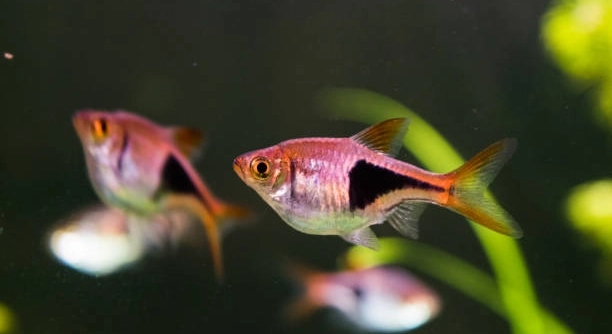
Rasboras are small, active fish that often bring life to home aquariums. Sometimes, their movements seem erratic or unfocused, making it appear as if they are losing direction. This behavior can concern fish keepers observing their usual routines.
Rasboras might seem to lose direction due to factors such as water quality, stress, illness, or changes in their environment. These causes disrupt their normal swimming patterns, resulting in disoriented or unusual movement behaviors.
Recognizing these signs early helps maintain a healthy tank environment. Understanding what affects their behavior will guide you in supporting your rasboras better.
Changes in Water Quality
Water quality plays a major role in how rasboras behave. When parameters like pH, ammonia, nitrite, or nitrate levels shift, rasboras can become stressed. Poor water conditions reduce oxygen levels and create an uncomfortable environment. This stress often leads to erratic swimming or loss of direction. Sudden changes, such as improper water changes or contamination, can have an immediate impact. Keeping water clean and stable is essential for their health. Regular testing and maintenance prevent problems before they start. Filtration and aeration also help maintain proper water conditions. If water quality declines, rasboras may swim near the surface gasping for air or show lethargy. These are signs to check the tank environment quickly.
Water quality issues often cause rasboras to swim erratically and lose their usual coordination. Maintaining proper tank conditions is key to preventing this behavior.
Monitoring your aquarium’s water quality regularly keeps rasboras active and comfortable. Adjusting water changes, filtration, and aeration supports stable conditions. This helps rasboras maintain their natural swimming patterns and reduces stress-related disorientation.
Stress and Environmental Changes
Stress can easily cause rasboras to lose direction in the tank. Sudden changes such as rearranging decorations, adding new fish, or moving the aquarium can unsettle them. Stress affects their nervous system, making their movements less controlled. Overcrowding or aggressive tank mates increase stress levels as well. When stressed, rasboras may hide more, swim erratically, or separate from the group. It is important to introduce changes slowly and provide plenty of hiding spots. Consistency in feeding schedules and tank conditions also lowers stress. Observing how rasboras react after adjustments can guide you in making the environment more comfortable. Reducing external disturbances and maintaining a calm setting help rasboras regain normal behavior. Patience is key, as it may take days for them to settle.
Careful management of tank conditions and gradual changes reduce stress on rasboras. Stress-free environments support natural behavior and directional swimming.
Minimizing stress through stable conditions, slow introductions, and peaceful tank mates is essential for rasboras. Providing a balanced environment allows them to swim confidently and stay healthy.
Illness and Parasites
Illness or parasites can cause rasboras to lose direction and act strangely. Symptoms may include lethargy, clamped fins, or abnormal swimming patterns. Prompt identification and treatment are important to prevent worsening conditions.
Some common illnesses affecting rasboras include ich, fin rot, and swim bladder disease. Parasites often cause discomfort, making the fish swim erratically or struggle to maintain balance. If you notice unusual behavior, it’s crucial to isolate the affected fish to avoid spreading the problem. Water quality, diet, and stress levels can contribute to illness, so addressing these factors helps with recovery. Medication might be necessary depending on the diagnosis.
Regular observation is the best way to catch early signs of illness. A healthy tank environment combined with good nutrition supports rasboras’ immune systems. If swimming problems continue, consulting with a vet or experienced aquarist can provide targeted treatment options.
Lighting and Tank Setup
Lighting plays a role in how rasboras behave and navigate their environment. Too much or too little light can cause stress and disorientation. Maintaining a balanced light cycle helps keep their natural rhythms.
Rasboras prefer dim or moderate lighting since harsh or very bright lights can make them uncomfortable. Sudden changes in light intensity may startle them, leading to erratic swimming or hiding. Tank setup, including plants and decorations, offers places to feel secure. Open swimming space alongside hiding spots creates a balanced environment. Adjust lighting gradually when changing bulbs or timers to reduce stress. Proper lighting supports feeding habits and overall well-being, making rasboras feel safe and oriented within the tank. Monitoring their reactions to lighting changes helps fine-tune their habitat for better behavior.
Overfeeding and Poor Diet
Overfeeding can cause rasboras to feel sluggish and swim awkwardly. Excess food pollutes the water, affecting their health.
A diet lacking variety can weaken their immune system, making them prone to illness and disorientation.
Swim Bladder Issues
Swim bladder problems affect a fish’s ability to maintain balance. This often results in rasboras swimming erratically or floating unevenly. Causes include overfeeding, constipation, or bacterial infections. Treatment involves improving diet, adjusting feeding amounts, and maintaining clean water. Sometimes medication is needed to restore normal swim bladder function. Early detection helps prevent long-term damage.
Tank Size and Space
A cramped tank limits rasboras’ swimming ability. They need enough space to move freely and form natural schools. Without enough room, they may bump into objects or each other, causing stress and loss of direction.
Why do rasboras swim in circles sometimes?
Rasboras swimming in circles can indicate stress or discomfort. This behavior may result from poor water quality, swim bladder issues, or parasites. Circling is often a sign that something in their environment is affecting their balance or health. Checking water parameters and observing other symptoms can help identify the cause.
How can I tell if my rasbora is sick?
Signs of illness include lethargy, clamped fins, loss of appetite, unusual swimming patterns, or visible spots and lesions. A rasbora that seems to lose direction frequently might be struggling with swim bladder problems or infections. Early detection improves chances of successful treatment.
What water conditions do rasboras prefer?
Rasboras thrive in slightly acidic to neutral water, with a pH between 6.0 and 7.5. Temperature should stay between 72°F and 79°F (22°C to 26°C). Maintaining low levels of ammonia and nitrites, ideally at zero, keeps the tank safe. Regular water changes and filtration are necessary to keep these parameters stable.
Can lighting affect rasboras’ swimming behavior?
Yes, bright or inconsistent lighting can stress rasboras, causing erratic or nervous swimming. They prefer dim to moderate light, which simulates their natural habitat. Sudden changes in lighting intensity can startle them, so adjusting lights gradually helps keep them calm.
How much should I feed my rasboras?
Feed small amounts 1–2 times a day, only what they can consume in a few minutes. Overfeeding leads to water pollution and swim bladder issues. Offering a balanced diet including flakes, pellets, and occasional live or frozen food keeps them healthy and active.
Do tank mates affect rasboras’ behavior?
Yes, aggressive or overly active fish can stress rasboras, causing them to hide or swim erratically. Peaceful, similarly sized fish make better companions. Overcrowding also increases stress, so maintaining appropriate stocking levels is important for their well-being.
What should I do if my rasbora loses direction frequently?
First, test the water for quality issues and adjust if needed. Observe for signs of illness or parasites. Check diet and feeding habits. Ensure the tank setup offers enough space and hiding spots. If problems persist, consider consulting a vet or experienced aquarist for diagnosis and treatment.
Can environmental changes cause disorientation in rasboras?
Yes, sudden changes like rearranging tank decorations, moving the tank, or introducing new fish can disrupt rasboras. These changes increase stress, which affects their swimming patterns. Introducing changes gradually and providing a stable environment helps them adjust smoothly.
Are there any diseases that specifically affect rasbora swimming?
Swim bladder disease is common and directly impacts their ability to swim normally. Other infections like ich or fin rot can cause weakness and erratic movement. Prompt treatment is needed to prevent further complications and restore normal behavior.
How often should I clean my rasbora tank?
Partial water changes of 20-30% once a week help keep water parameters stable. Avoid full cleanings that disrupt beneficial bacteria. Regular cleaning of the substrate and filter maintenance supports a healthy environment, which reduces stress and swimming issues in rasboras.
When rasboras seem to lose direction, it often points to an underlying issue that needs attention. These small fish rely heavily on a stable environment to maintain their natural swimming behavior. Changes in water quality, stress from their surroundings, or health problems can all affect how they move. By keeping an eye on these factors, it becomes easier to spot problems early and take action. A well-maintained tank with consistent care helps rasboras stay healthy and swim confidently.
Water quality is one of the most important elements to monitor. Rasboras are sensitive to fluctuations in ammonia, nitrites, and pH levels. Poor water conditions make them stressed and disoriented. Regular testing and water changes are necessary to keep these parameters within safe ranges. Along with water quality, feeding habits and diet play a role in their overall well-being. Overfeeding or giving an unbalanced diet can lead to swim bladder problems or illness. Paying attention to how much and what type of food they get supports their health and natural behavior.
Stress is another common cause of disoriented swimming. Sudden changes in tank setup, aggressive tank mates, or strong lighting can unsettle rasboras. Minimizing disturbances and providing hiding spots reduces their stress. Illness and parasites also impact movement and require timely treatment. Creating a calm, stable environment combined with proper care helps rasboras feel secure. When they are comfortable and healthy, their swimming returns to normal. Watching closely and addressing any issues ensures your rasboras remain active and happy in your aquarium.

Hello,
If you enjoy the content that we create, please consider saying a "Thank You!" by leaving a tip.
Every little bit helps us continue crafting quality advice that supports the health, happiness, and well-being of pets around the world, for pets of all shapes, sizes, and species.
We really appreciate the kindness and support that you show us!