
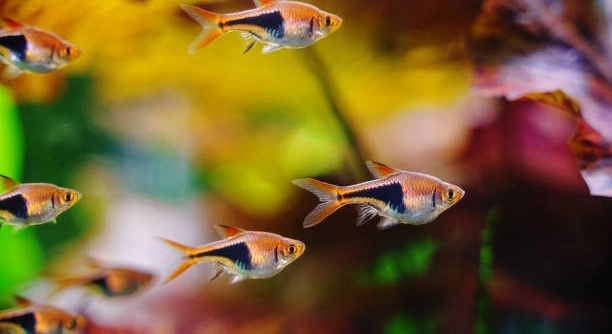
Rasboras are small, peaceful fish often found in home aquariums. They sometimes display sudden, quick movements that can make them look startled. Understanding why they behave this way can help fish keepers provide better care.
Rasboras may appear startled primarily due to environmental stimuli such as sudden changes in light, vibrations, or nearby movements. These triggers activate their natural survival instincts, causing rapid swimming or darting to avoid perceived threats.
Recognizing these common causes helps improve the aquarium environment and reduces stress for your rasboras. This article explains what factors contribute to their startled behavior and how to manage them.
Common Triggers for Startled Behavior in Rasboras
Rasboras are very sensitive to their surroundings. Sudden movements outside the tank or quick changes in lighting can easily make them react. For example, if someone walks quickly near the aquarium or turns a light on or off suddenly, rasboras may dart around. Loud noises or vibrations from tapping the glass also cause stress. Even changes in water conditions like temperature shifts can make them uneasy. These fish rely on their quick reflexes to avoid danger in the wild, so their startled reactions are natural responses to perceived threats. Keeping their environment stable helps reduce these episodes.
Startled behavior is a natural defense mechanism. It shows the fish are alert and responding to their environment.
When you notice your rasboras flitting about suddenly, it is often because something disturbed their calm. Small adjustments to the aquarium, such as avoiding tapping the glass or keeping the area quiet, can make a big difference in their comfort. Ensuring steady lighting and maintaining consistent water conditions also helps keep them calm and less reactive.
How to Minimize Startled Responses
Creating a calm environment can reduce how often rasboras get startled.
Avoid tapping on the glass and sudden changes in lighting. Keep the tank in a quiet place where there isn’t much foot traffic or loud noises. Stable water parameters like temperature and pH also help. Rasboras feel safer with plenty of plants and hiding spots to retreat to when they sense danger.
Adding dense plants or decorations in the tank gives rasboras places to hide, which lowers stress. You can also dim the aquarium light gradually instead of switching it off quickly. Feeding your fish at regular times helps them feel secure and less reactive. By paying attention to these details, you can make your aquarium a peaceful home where rasboras feel safe and display more natural, relaxed behavior.
Signs That Rasboras Are Stressed
When rasboras are stressed, they often act more skittish than usual. They may hide frequently, swim erratically, or lose their vibrant color. These behaviors show they feel unsafe or uncomfortable in their environment.
Stress in rasboras can result from poor water quality, overcrowding, or sudden environmental changes. If water conditions aren’t stable, it affects their health and behavior. Overcrowding creates competition for space and food, making the fish more anxious. Changes like sudden temperature drops or strong currents can also disturb their calm. Watching for these signs early helps prevent serious health problems and keeps your fish happier.
If you notice your rasboras are hiding more or darting around often, take time to check water parameters and tank setup. Providing clean water, enough space, and gentle conditions helps reduce their stress and encourages normal behavior.
Adjusting Tank Conditions to Help Rasboras Relax
Maintaining a stable tank environment is key to calming your rasboras.
Consistent water temperature, clean water, and gentle filtration reduce stress. Adding plants and decorations offers hiding spots where they feel secure. Avoid sudden noises or movements near the tank. Feeding on a regular schedule helps the fish feel safe and lowers their startle response. Monitoring water parameters regularly ensures your tank stays healthy.
Creating this kind of environment takes attention but is worth the effort. When rasboras feel secure, they swim calmly and show their natural colors. This makes your aquarium more enjoyable to watch and keeps the fish healthier for longer periods. Small changes in how you manage the tank can have a big impact on their well-being.
Feeding Habits and Startled Movements
Rasboras often react quickly during feeding time. Sudden food drops or movements near the tank can cause sharp bursts of swimming.
Their fast reactions help them catch food but can sometimes look like they are startled. Keeping feeding calm helps reduce sudden movements.
Importance of Tank Mates
Choosing the right tank mates affects rasboras’ stress levels. Aggressive or overly active fish can cause rasboras to feel threatened.
Peaceful species that share similar swimming levels make better companions. This balance helps rasboras stay calm and reduces their startled behavior.
Lighting Effects on Rasboras
Bright or flickering lights often unsettle rasboras. Consistent, soft lighting helps them feel safe and relaxed.
Adjusting the light gradually instead of switching it on or off suddenly reduces their stress.
Why do my rasboras suddenly dart around the tank?
Rasboras are naturally alert fish. Sudden movements, changes in light, or noises near the tank often trigger a quick darting response. This behavior is their way of escaping what they perceive as threats. It’s a survival instinct from their time in the wild. Making the environment calm and stable helps reduce these bursts.
Can water quality cause rasboras to appear startled?
Yes, poor water quality is a common stressor. High levels of ammonia, nitrites, or sudden changes in temperature can make rasboras feel unsafe. This stress can lead to more frequent and intense startled movements. Regular water tests and proper filtration are essential to keep water conditions stable and safe.
Are certain tank decorations better for reducing startle reactions?
Dense plants and hiding places like caves or driftwood give rasboras spots to retreat when feeling threatened. These safe zones reduce stress and lower the chance of them darting nervously. Avoid overcrowding the tank with decorations, but make sure there are enough areas for the fish to hide comfortably.
How does lighting affect rasbora behavior?
Bright or flickering lights often cause rasboras to become more reactive. They prefer soft, steady lighting that mimics their natural environment. Turning lights on and off gradually instead of suddenly helps keep them calm and less prone to startled movements.
Do tank mates influence how often rasboras get startled?
Yes, aggressive or very active fish nearby can stress rasboras, causing them to be jumpy. Keeping peaceful species that swim at similar levels helps maintain a calm tank atmosphere. This reduces the frequency of startled reactions in your rasboras.
Is feeding time a factor in their startle behavior?
Rasboras get excited during feeding and may dart quickly to grab food. Sudden food drops can startle them if they aren’t expecting it. Feeding calmly and consistently at set times helps regulate their behavior and lowers stress during mealtime.
Can sudden noises outside the aquarium cause startled behavior?
Loud or unexpected noises, like banging doors or loud voices, can make rasboras react suddenly. Since they are sensitive to vibrations, keeping the tank in a quiet area with minimal disturbances helps reduce these reactions.
How often should I check water parameters to prevent stress?
Testing water weekly for ammonia, nitrites, nitrates, pH, and temperature is a good practice. Consistent monitoring allows early detection of changes that could stress your fish. Stable water conditions keep rasboras healthy and less prone to startled movements.
Does overcrowding make rasboras more nervous?
Yes, overcrowding increases competition for space and food, which stresses the fish. This stress can lead to more frequent darting and hiding behavior. Ensuring your tank isn’t overcrowded with enough swimming room helps rasboras feel safe and less anxious.
Are there any health issues linked to frequent startled behavior?
Frequent darting can sometimes signal illness or parasites, especially if combined with other symptoms like loss of appetite or faded colors. If startled behavior increases without obvious environmental causes, checking for health problems and consulting a vet or aquarium specialist is recommended.
How long does it take for rasboras to calm down after being startled?
Usually, rasboras settle within a few minutes if no further disturbances occur. However, repeated triggers can prolong their stress. Keeping the environment calm and consistent helps them recover more quickly and lowers overall stress levels.
Can adjusting feeding amounts reduce startle responses?
Overfeeding can cause water quality issues, indirectly increasing stress. Feeding small amounts appropriate for the number of fish helps maintain clean water and prevents unnecessary stress, which can reduce startled movements during and after feeding.
Is tank size important for reducing stress in rasboras?
A tank that is too small limits swimming space and can cause stress due to confinement. Providing an adequately sized tank with room to swim freely and enough hiding spots helps rasboras feel secure, reducing their tendency to startle.
How do temperature fluctuations affect rasboras?
Rasboras prefer stable temperatures around 74-79°F (23-26°C). Sudden drops or rises can shock their system, making them more reactive and stressed. Using a reliable heater and thermometer ensures a consistent temperature that keeps them calm.
What is the best way to handle sudden disturbances near the tank?
Avoid tapping on the glass or making quick movements close to the aquarium. Gentle, slow actions and limiting loud noises near the tank help maintain a peaceful environment, preventing unnecessary startled responses from your rasboras.
Rasboras are naturally quick and alert fish, so their startled movements are a normal part of how they react to their surroundings. These small bursts of speed help them avoid danger, even in the safe environment of a home aquarium. Understanding that this behavior is instinctive can help you better care for your fish. It is important to create a calm and stable environment that limits the triggers causing these sudden reactions. By paying attention to things like water quality, tank setup, lighting, and tank mates, you can make your rasboras feel more secure.
Maintaining good water conditions is one of the most important steps in reducing stress for rasboras. Keeping the temperature steady and regularly testing for harmful chemicals like ammonia or nitrites helps keep your fish healthy and less reactive. Overcrowding or aggressive tank mates can also raise stress levels, causing more frequent darting and hiding. Providing enough space, peaceful companions, and plenty of plants or hiding spots makes a big difference. Soft, consistent lighting and avoiding loud noises or tapping on the glass will further help keep rasboras calm.
While rasboras may never stop reacting quickly to sudden changes, you can reduce how often this happens by carefully managing their environment. Feeding calmly and consistently, offering shelter, and minimizing disturbances near the tank create a peaceful space where your fish can thrive. Observing their behavior closely will help you notice if something in their environment needs adjusting. With attention and care, your rasboras can enjoy a less stressful, more natural life that allows them to display their beautiful colors and peaceful nature.

Hello,
If you enjoy the content that we create, please consider saying a "Thank You!" by leaving a tip.
Every little bit helps us continue crafting quality advice that supports the health, happiness, and well-being of pets around the world, for pets of all shapes, sizes, and species.
We really appreciate the kindness and support that you show us!