
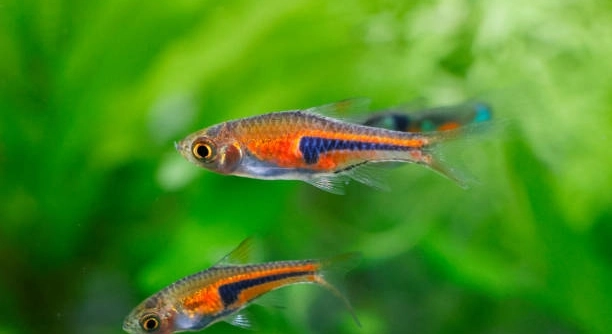
Many aquarium owners enjoy watching rasboras swim gracefully through their tanks. These small fish sometimes pause mid-swim, which can catch attention and prompt curiosity. Understanding these moments helps improve care and appreciation for their behavior.
Rasboras may pause mid-swim for several reasons including resting, sensing changes in their environment, responding to nearby movement, or during social interactions. These pauses serve as natural behaviors that support their survival and well-being in captivity.
Recognizing these subtle behaviors enriches the experience of keeping rasboras and aids in creating a healthier tank environment for them.
Resting Moments
Rasboras are active swimmers but need brief breaks to rest. During these pauses, they often hover almost motionless in the water, usually near plants or decorations. This behavior is normal and allows them to conserve energy without fully stopping their movement. In a well-maintained tank, these resting moments should be short and not frequent. If a rasbora is pausing for extended periods or seems lethargic, it might indicate stress or illness. Environmental factors such as water temperature, cleanliness, and tank mates can influence how often these rest breaks occur. Observing where and when rasboras choose to pause can help identify their comfort level in the tank. Providing hiding spots and calm areas encourages natural resting behavior and reduces stress.
Resting is a healthy part of a rasbora’s daily activity, supporting their overall well-being and energy levels.
Noticing these moments helps owners ensure their rasboras have a comfortable environment. Watching them rest near plants or smooth surfaces shows the fish feel safe and secure. It also signals good tank conditions and proper care.
Reaction to Environmental Changes
Rasboras are sensitive to changes in their surroundings. Sudden shifts in lighting, water flow, or tank noise can cause them to pause mid-swim. This behavior acts as an alert system, allowing the fish to process new stimuli before continuing their activity. In the wild, such pauses would help them detect predators or other threats. In an aquarium, this sensitivity means it is important to maintain stable conditions. Unexpected changes can cause unnecessary stress, leading to irregular behavior or health problems. Consistent feeding schedules, gentle water movement, and soft lighting help rasboras feel secure. Tank maintenance should be done carefully to avoid sudden disruptions. Paying attention to how your rasboras respond can guide you in creating a calm, steady environment that supports their natural behavior.
Social Interaction Pauses
Rasboras often pause mid-swim during social interactions. These moments help them communicate or establish hierarchy within the group.
Social behavior is important for rasboras, as they are schooling fish that rely on group dynamics. Pausing allows them to observe other fish and send subtle signals through body language or slight movements. This can include tail flicks, fin displays, or changes in swimming patterns. Such pauses maintain group cohesion and reduce aggression. When kept in adequate numbers, these social pauses become a natural part of their behavior, reflecting a balanced and healthy tank environment.
If a rasbora is isolated or stressed, social pauses may become less frequent or irregular. Ensuring the right group size supports these interactions and promotes natural behaviors.
Sensing Nearby Movement
Rasboras pause when detecting sudden movements in their vicinity. This helps them assess potential threats or changes around them.
Their keen senses allow rasboras to react quickly to vibrations or shadows in the water. When something moves nearby—whether another fish, a human hand, or an object—the fish instinctively pause to evaluate if danger is present. This behavior is an important survival mechanism. In captivity, frequent pauses might indicate high activity or stress in the tank. To reduce this, keep the tank in a quiet location and avoid abrupt movements close to the glass. Over time, rasboras may become less reactive as they adapt to their environment, showing fewer pauses from minor disturbances. Understanding this helps maintain a calm and comfortable habitat for your fish.
Feeding Pauses
Rasboras may pause mid-swim when food is introduced to the tank. This helps them locate and target their meals carefully.
These brief pauses improve their chances of catching food particles efficiently. They often hover to assess the food’s location before darting quickly to eat.
Exploring New Tank Areas
When introduced to a new environment, rasboras pause frequently as they explore unfamiliar territory. These pauses help them gather information about their surroundings and ensure safety before moving on.
This cautious behavior is common during acclimation and decreases as the fish become more comfortable with the tank setup.
Health-Related Pauses
If a rasbora frequently pauses without apparent reason, it may be experiencing health issues. Watching for other symptoms alongside pauses is important for timely care.
FAQ
Why do rasboras sometimes stop swimming and just hover?
Rasboras hover mid-swim for several reasons, most commonly to rest or observe their environment. These pauses are natural and help them conserve energy without fully stopping. It’s part of their normal behavior to take short breaks during active swimming. If the hovering is frequent or prolonged, it could be a sign of stress or water quality issues.
Is it normal for rasboras to freeze suddenly?
Yes, sudden freezing can be a natural response to stimuli. Rasboras freeze to assess potential threats or sudden movements nearby. This pause allows them to process what’s happening before deciding their next move. In a calm environment, this behavior should be brief and not cause concern.
Can social interactions cause rasboras to stop moving?
Absolutely. Rasboras are schooling fish that rely on group behavior. Pausing mid-swim during social interaction helps them communicate subtle signals, establish hierarchy, or avoid conflict. These pauses help maintain harmony within the group and indicate healthy social behavior.
Should I worry if my rasbora is pausing more than usual?
If your rasbora pauses frequently without obvious reasons, it could be a sign of health problems or poor water conditions. Look for other symptoms like discoloration, clamped fins, or loss of appetite. Regular water testing and maintaining proper tank conditions are essential to prevent stress and illness.
Do rasboras pause because of feeding times?
Yes, rasboras often pause when food is added to the tank. They hover to locate food particles and plan their feeding approach. This behavior helps them efficiently catch food without wasting energy.
How can I tell if pausing is due to stress or illness?
Stress-related pauses are usually accompanied by other signs like hiding, erratic swimming, or lack of appetite. Illness might cause more frequent, longer pauses and visible physical changes. Monitoring overall behavior and water quality can help identify the cause.
Do changes in lighting affect rasbora swimming patterns?
Rasboras are sensitive to lighting changes and may pause to adjust to new light levels. Sudden bright lights or shadows can cause temporary pauses as they get used to the environment. Consistent lighting schedules help reduce this stress.
What role does tank environment play in rasbora pausing?
A stable, calm environment encourages natural behavior, including normal pausing. Too much noise, sudden movements, or aggressive tank mates can increase pause frequency due to stress or fear. Providing plants and hiding spots helps rasboras feel safe and reduces unnecessary pauses.
Can water quality impact how often rasboras pause?
Poor water quality stresses fish and can cause irregular behavior, including more frequent pausing. Ammonia, nitrite, or nitrate spikes can make fish weak and less active. Regular testing and maintenance keep the tank healthy and support natural swimming patterns.
Is pausing behavior different in new tanks?
Yes, newly introduced rasboras pause more often as they explore and adapt to unfamiliar surroundings. This cautious behavior is normal and decreases as they become comfortable. Patience during acclimation helps reduce stress-related pauses.
How many rasboras should be kept together to encourage natural behavior?
Keeping at least six rasboras together supports healthy schooling and natural social pauses. Smaller groups may cause stress or reduce normal social behavior, affecting their overall well-being.
Can sudden noises cause rasboras to pause?
Loud or unexpected noises near the tank can startle rasboras, causing them to freeze or pause. Minimizing noise and vibrations around the aquarium helps maintain a calm environment.
Do rasboras pause when sensing predators?
In a community tank, rasboras may pause when sensing larger or aggressive fish nearby. This cautious behavior helps them avoid threats and reduces chances of injury.
How long do rasboras typically pause?
Pauses usually last a few seconds up to a minute. Longer pauses might indicate discomfort or illness and should be monitored closely.
What should I do if I notice abnormal pausing?
Check water parameters and tank conditions immediately. Observe for other signs of distress or illness. Consulting a vet or experienced aquarist may be necessary if the behavior persists.
Rasboras are delicate and interesting fish that show many small behaviors, including pausing mid-swim. These pauses are usually normal and part of their way to rest, communicate, or react to their environment. Understanding why they stop can help you care for them better. It is important to remember that short pauses are natural and healthy for rasboras. They help the fish conserve energy and stay aware of what is happening around them. When you notice these moments, it means your fish are behaving as expected in a peaceful and stable tank.
However, not all pauses are normal. If a rasbora is pausing very often or for a long time, it could be a sign of stress, illness, or poor water quality. Watching for other symptoms like changes in color, appetite, or swimming patterns can give clues about their health. Keeping the tank clean and stable is essential for preventing problems. Regular water testing and gentle tank maintenance support your fish’s well-being. Providing enough space, hiding spots, and the right group size also helps rasboras feel safe and reduces unnecessary pauses caused by fear or discomfort.
Paying attention to your rasboras’ behavior improves your ability to provide good care. Each pause has a reason, whether it is resting, sensing movement, or social interaction. By learning to recognize these signs, you can create an environment that meets their needs. This creates a better home for your fish and allows you to enjoy watching their natural and peaceful movements. Taking time to observe your rasboras carefully will help you notice any changes early and act quickly if needed. This way, your tank stays healthy, and your rasboras remain active and happy.

Hello,
If you enjoy the content that we create, please consider saying a "Thank You!" by leaving a tip.
Every little bit helps us continue crafting quality advice that supports the health, happiness, and well-being of pets around the world, for pets of all shapes, sizes, and species.
We really appreciate the kindness and support that you show us!