
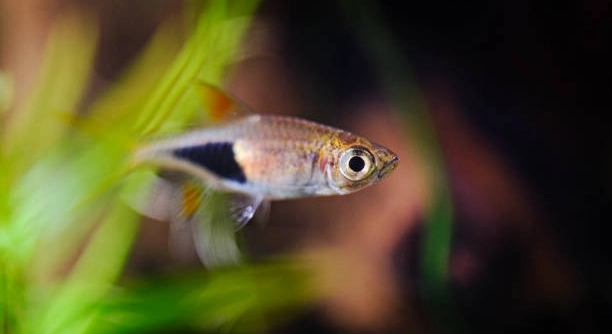
Do your rasboras sometimes dart around their tank nonstop, making it hard to tell if they’re excited or stressed?
Rasbora hyperactivity is often triggered by sudden environmental changes, poor water quality, tank overcrowding, improper lighting, and temperature fluctuations. Stress from incompatible tank mates or lack of stimulation can also lead to increased, erratic swimming behavior.
Learning what causes this behavior can help you make the right adjustments for a calmer, healthier environment for your rasboras.
Sudden Changes in Environment
Rasboras react strongly to sudden changes in their environment. A quick shift in temperature, sudden water parameter adjustments, or moving decorations around too often can cause them to dart or swim erratically. These fish are sensitive to disruptions and need a steady, predictable habitat. Frequent water changes, while necessary, should be done gradually and consistently to avoid shocking their system. Also, adding new fish or moving existing tank mates may trigger unexpected responses. It’s best to make changes slowly and monitor their behavior after each adjustment. Even lighting changes—like turning lights on too quickly—can create stress and lead to hyperactivity. Rasboras prefer stability, and even minor disruptions can affect their behavior more than you might expect.
A stable environment creates a sense of security. Sudden shifts break that balance and can quickly lead to agitation.
If your rasboras are behaving erratically after recent changes, try reviewing everything you’ve altered in the tank. Consider gradual transitions next time—adjust the temperature slowly, use dim lighting when turning lights on or off, and reintroduce tank mates with care. Reducing stimulation and minimizing abrupt shifts can help your rasboras calm down over time. It’s often the smallest changes that make the biggest difference.
Poor Water Quality
Dirty or imbalanced water often causes stress in rasboras. Sudden spikes in ammonia, nitrites, or nitrates can lead to restlessness and panic-like swimming.
Rasboras thrive in clean water with specific parameters. When the water becomes cloudy or smells odd, it often means something is off. A faulty filter, infrequent water changes, or overfeeding can all contribute. Make sure your filter is strong enough for your tank size and clean it regularly. It’s also important to avoid overstocking the tank, as more fish lead to more waste. Regularly test the water for pH, ammonia, nitrite, and nitrate levels. Rasboras prefer soft, slightly acidic water—around a pH of 6.5 and temperatures between 72–78°F. If water conditions stay off balance, rasboras will not only swim more aggressively but may also develop health issues. Frequent, small water changes and proper filtration are essential. Keep feeding consistent and clean up leftover food to prevent waste buildup.
Incompatible Tank Mates
Rasboras often become hyperactive when housed with aggressive or overly energetic tank mates. Chasing, fin-nipping, or constant movement from other fish can make them feel unsafe and stressed. This often leads to erratic swimming or hiding.
Peaceful fish like tetras, guppies, or small gouramis are better companions for rasboras. Avoid housing them with barbs, cichlids, or larger, more territorial species. These fish can dominate the tank space, making rasboras feel threatened. Even if no physical harm is done, the constant pressure from nearby activity causes restlessness. Choose tank mates based on similar size, swimming style, and temperament. Watch for signs of stress after introducing any new fish—changes in swimming patterns, loss of appetite, or hiding more than usual can signal discomfort. Keeping compatible species together helps maintain a calmer tank where rasboras can thrive without unnecessary stress.
If your rasboras were calm before new tank mates were added, incompatibility may be the cause. Separate aggressive fish quickly to prevent prolonged stress. Keep schooling fish in appropriate groups to avoid territorial behavior. Also, provide enough plants or decorations to give each fish a place to retreat. Reducing visual contact between species with different activity levels can make a noticeable difference in your rasboras’ behavior. Careful planning of your community tank setup helps prevent future issues.
Lack of Stimulation
Rasboras become restless when there isn’t enough stimulation in the tank. They are naturally active and social, so a plain setup can cause boredom. This may lead to aimless swimming or sudden bursts of energy.
Add plants, rocks, and hiding places to break up the space and offer visual interest. Use floating plants to soften light and give them cover near the surface, where they like to swim. A tank that mimics their natural habitat will help them feel more relaxed and engaged. You can also rotate decorations occasionally to create new spaces for exploration, but do this gradually to avoid sudden stress. Schooling behavior is important too—keep them in groups of six or more to reduce anxiety. Activity without purpose often points to boredom, so give them reasons to move in ways that feel natural. A simple setup can be peaceful, but too little stimulation creates behavioral problems.
Improper Lighting
Lighting that’s too bright or left on too long can overstimulate rasboras. Sudden changes, like turning lights on without a gradual transition, often cause quick, frantic swimming.
Use a dimmer or place floating plants to reduce brightness. Aim for 8–10 hours of soft, steady lighting each day.
Temperature Fluctuations
Sudden drops or spikes in water temperature often lead to hyperactive behavior. Rasboras prefer stable conditions, ideally between 72–78°F. Changes outside this range can increase stress and lead to erratic movement. Use a reliable heater and thermometer, and check the tank daily for consistency. Avoid placing tanks near windows or vents.
Overcrowding
Too many fish in one tank limits space and increases tension. Rasboras may start swimming more aggressively if they don’t have enough room. Keep their school size in mind, but always provide ample space for natural movement. Overcrowding reduces oxygen levels and can lead to health issues.
FAQ
What causes rasbora hyperactivity?
Rasbora hyperactivity is usually caused by stress or environmental factors. Sudden changes in water quality, temperature, lighting, or tank setup can make them swim erratically. Overcrowding and incompatible tank mates also contribute to their restless behavior. Ensuring stable conditions helps keep them calm.
How can I reduce hyperactivity in my rasboras?
To reduce hyperactivity, maintain consistent water parameters and avoid sudden changes. Use gentle lighting and avoid bright, direct light. Provide enough space and compatible tank mates. Adding plants and hiding spots helps them feel secure. Regular water testing and gradual adjustments also make a big difference.
Is it normal for rasboras to be hyperactive sometimes?
Yes, occasional bursts of energy are natural for rasboras. They may dart quickly when startled or during feeding times. However, constant hyperactivity usually indicates stress or environmental problems. Observing their overall health and behavior will help determine if action is needed.
Can diet affect rasbora behavior?
Diet does play a role in behavior. Overfeeding or feeding low-quality food can cause water quality issues, increasing stress and activity. Feeding small, balanced portions multiple times a day keeps them healthy. Avoid leftover food to prevent pollution. A varied diet supports their wellbeing and calmness.
How often should I test the water for rasboras?
Testing water weekly is a good practice for rasbora tanks. Check for ammonia, nitrite, nitrate, pH, and temperature regularly. Frequent testing allows early detection of issues before they stress the fish. Keep records to notice trends and respond quickly.
Can lighting schedules affect rasbora activity?
Yes, lighting schedules strongly affect their behavior. Too much light or sudden changes can overstimulate rasboras, causing them to swim frantically. Aim for 8 to 10 hours of gentle, consistent lighting daily. Use timers for gradual on/off transitions to avoid shocks.
What tank size is ideal to prevent hyperactivity?
A tank of at least 20 gallons is recommended for a small school of rasboras. Providing enough swimming space reduces stress and aggression. Overcrowding leads to competition for space and oxygen, increasing hyperactivity. Always consider the adult size and number of fish when choosing tank size.
How many rasboras should be kept together?
Rasboras are schooling fish and should be kept in groups of six or more. A larger group makes them feel safer and reduces stress-related hyperactivity. Small groups or single fish often become nervous and swim erratically. Proper schooling behavior is essential for their wellbeing.
Can sudden noises or vibrations trigger hyperactivity?
Yes, sudden noises, tapping on the glass, or vibrations can startle rasboras. This causes quick, frantic swimming as a flight response. Minimize loud sounds near the tank and avoid tapping on the glass. Creating a calm environment helps reduce unnecessary stress.
Are there signs hyperactivity is due to illness?
If hyperactivity is paired with other symptoms like loss of appetite, faded colors, or clamped fins, illness might be the cause. Parasites, infections, or poor water quality can trigger abnormal swimming. Promptly check water conditions and consult a vet if signs persist. Early treatment improves chances of recovery.
Can decorations affect rasbora behavior?
Decorations that provide hiding spots and breaks in sight lines help rasboras feel secure. A bare tank can cause boredom and stress, leading to hyperactivity. Use plants, rocks, and driftwood to create a natural environment. Change decorations slowly to avoid sudden stress.
Is it necessary to quarantine new fish to prevent hyperactivity?
Quarantining new fish helps prevent introducing diseases or parasites that stress your rasboras. Illness in the tank often increases hyperactivity and erratic swimming. Keep new fish separate for two weeks before adding them to the main tank. This step protects the entire community.
How do temperature fluctuations affect rasbora activity?
Rasboras are sensitive to temperature changes. Sudden drops or spikes cause stress, often showing as frantic swimming or restlessness. Use a reliable heater and monitor temperature daily to keep it stable between 72 and 78°F. Avoid placing the tank near windows or air vents.
What is the role of schooling in reducing hyperactivity?
Schooling behavior helps rasboras feel safe and confident. When they swim in groups, they show calmer, more natural movements. Without a proper school, individual fish may become anxious and swim erratically. Maintaining groups of six or more encourages healthy social behavior.
Can water hardness influence rasbora behavior?
Rasboras prefer soft to moderately hard water. Water that is too hard or alkaline can cause stress and hyperactivity. Testing and adjusting water hardness helps maintain ideal conditions. Use reverse osmosis water or additives if needed to achieve the right balance for your fish.
Final Thoughts
Rasboras are beautiful, active fish that add life to any aquarium. However, their hyperactive behavior can sometimes be a sign that something in their environment needs attention. Whether it is sudden changes in water quality, lighting, or tank setup, these small fish are sensitive and respond quickly to stress. Understanding what triggers their hyperactivity is important to keeping them calm and healthy. By paying close attention to water parameters, tank mates, and overall habitat stability, you can create a comfortable environment where rasboras can thrive.
Maintaining consistent care is key to preventing rasbora hyperactivity. Regular water testing and gradual adjustments help avoid shocks that cause stress. Providing enough space and choosing peaceful tank mates reduce competition and aggression. Adding plants and decorations gives rasboras places to explore and hide, which also helps lower anxiety. Lighting should be soft and on a reliable schedule to avoid sudden stimulation. When all these factors come together, rasboras show calmer, more natural behavior. It’s worth investing time in these details because a stable tank leads to happier fish.
In summary, rasbora hyperactivity is often a sign that changes are needed in the aquarium environment. This behavior signals stress or discomfort, not just random energy. Simple steps like controlling water quality, avoiding overcrowding, and offering proper stimulation can make a big difference. Patience and consistent care help rasboras settle and enjoy their home. Watching them swim smoothly and peacefully is a rewarding result of good aquarium management. Taking time to understand their needs helps ensure these lively fish stay healthy and balanced for years to come.

Hello,
If you enjoy the content that we create, please consider saying a "Thank You!" by leaving a tip.
Every little bit helps us continue crafting quality advice that supports the health, happiness, and well-being of pets around the world, for pets of all shapes, sizes, and species.
We really appreciate the kindness and support that you show us!