
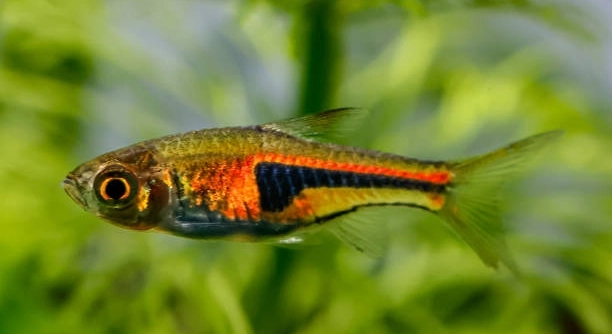
Have you ever noticed your rasbora swimming mostly on one side of the tank and wondered what might be causing this behavior?
Rasboras may prefer one end of the tank due to environmental differences such as water temperature, current flow, lighting, or the presence of hiding spots. These factors influence their comfort, safety, and natural swimming patterns.
From tank setup to water flow and light placement, several small factors can affect where your rasbora feels most at home.
Environmental Factors That Influence Rasbora Behavior
Rasboras are sensitive to changes in their environment, and even small differences in tank conditions can affect where they choose to swim. One of the most common reasons rasboras prefer one side is uneven water temperature. If the heater is placed at one end, that area may be warmer, attracting the fish. Water flow is another important factor—rasboras tend to avoid strong currents, so if the filter is creating a heavy flow on one side, they may stay on the calmer side. Lighting also plays a role. Bright light on one end may cause them to feel exposed, leading them to prefer shaded areas. Decorations, plants, and hiding spaces give them a sense of security, so they often settle near those areas. Noise, movement, or activity around the tank can also affect their positioning, especially if one side is more shielded or less disturbed than the other.
Some rasboras may also favor areas with better oxygen levels, especially in still tanks.
If your rasboras consistently gather on one side, it helps to test the water, adjust equipment, and balance the setup. This creates a more even environment across the tank, supporting healthy and natural behavior.
How to Create a Balanced Tank for Rasboras
A well-balanced tank helps rasboras feel comfortable and swim freely across the entire space.
Start by checking the temperature distribution with a thermometer placed at both ends. If there’s a noticeable difference, consider adjusting the heater position or using a second heater for larger tanks. For water flow, make sure the filter is not too strong or directed too forcefully in one area. You can use plants, rocks, or driftwood to slow it down naturally. Lighting should be soft and evenly spread. Strong, direct light may cause stress, so try using floating plants or adjustable lighting to create gentle shading. Add hiding spots at both ends of the tank using real or artificial plants and decor. This helps rasboras feel secure no matter where they are. Lastly, keep the tank in a quiet spot away from loud noises or frequent movement. These small changes can make a big difference and encourage your rasboras to use the full tank comfortably.
Tank Mates and Social Dynamics
Rasboras are peaceful fish, but their behavior can shift depending on their tank mates. Aggressive or overly active fish may push them toward one side of the tank.
If rasboras share the tank with fin-nippers or larger fish, they often retreat to calmer sections. Some fish dominate feeding zones or swim spaces, making rasboras avoid those areas. Keeping rasboras in a proper-sized school—at least six—also matters. Small groups feel unsafe and tend to hide. Rasboras are schooling fish by nature, and they gain confidence in larger numbers. A well-sized group spreads more evenly throughout the tank and behaves more naturally. If the social dynamics in the tank aren’t balanced, rasboras may cluster where they feel less threatened. It helps to research all tank mates and avoid pairing rasboras with fish known for chasing or bullying. Peaceful species that share space evenly are a better match.
Careful selection of tank mates helps rasboras feel secure across the entire tank. Avoid fast, erratic swimmers or species that prefer to dominate space. Instead, choose calm, peaceful fish with similar water needs. Some examples include small tetras, corydoras, or kuhli loaches. If aggression is already present, rearranging the tank decor can disrupt territorial claims and reduce tension. Sometimes, rehoming one species is necessary if the rasboras continue to avoid certain zones. Observation plays an important role here—spend time watching interactions and see who’s influencing the space. Rasboras are sensitive and social, and with the right companions, they will swim more freely and with less stress.
Feeding Zones and Routine
Feeding patterns can influence where rasboras spend most of their time. If food is always delivered to one area, they may gather there and remain longer even after eating.
Rasboras prefer mid-level feeding, so food that sinks slowly suits them best. When fed consistently in the same spot, they may start associating that area with comfort and security. This can become a routine, especially if the rest of the tank is less active or has fewer hiding spots. Over time, they might choose to stay where they expect food to appear. It helps to vary the feeding zones and observe how they respond. Some fish do better with small, frequent feedings rather than one large portion. A gentle routine that includes feeding in different spots can encourage rasboras to move around more. Also, make sure all fish are getting enough—competition for food may drive some away from busier sections.
Light Sensitivity and Shadowed Areas
Rasboras are naturally drawn to shaded areas, especially when tank lighting is too bright. If one side has floating plants or dimmer light, they often stay there to feel more secure and less exposed.
Bright, direct lighting can cause stress, especially in sparsely decorated tanks. Shadowed spots feel safer.
Water Quality Differences Across the Tank
In some tanks, water conditions may vary slightly from one side to the other. Uneven filtration or poor circulation can cause minor differences in temperature, oxygen, or waste buildup. Rasboras may detect these changes and stay where the water feels cleaner or more comfortable. Low oxygen zones can also make them less active. Regular maintenance, testing both ends of the tank, and adjusting water flow help reduce this issue. Using air stones or small internal filters on the quieter side of the tank can also improve circulation. These steps help maintain consistent water quality across the tank.
Substrate and Decor Preferences
Rasboras may prefer areas with darker substrate or natural decor. These sections feel more sheltered and calm. If one side has more plants or softer tones, it often becomes their favorite.
FAQ
Why do rasboras stay in one corner of the tank?
Rasboras may stay in one corner if they feel unsafe, stressed, or uncomfortable. This could be caused by aggressive tank mates, poor water flow, or uneven lighting. If the corner has more shelter or less current, it becomes their comfort zone. Watching their behavior helps identify what’s bothering them. Small changes like softening the light or adding plants can help them feel more secure and encourage movement throughout the tank.
Can lighting affect where rasboras swim?
Yes, lighting plays a big role in rasbora behavior. They don’t like harsh lighting and will avoid areas that are too bright. Tanks with uneven lighting often see rasboras staying on the shaded side. Using floating plants or adjusting the brightness can fix this. Natural lighting conditions work best. Soft, even light across the tank helps them feel more relaxed and encourages more balanced swimming.
Do rasboras need to be kept in groups?
Rasboras are schooling fish and should always be kept in groups of at least six. When kept alone or in very small numbers, they often become shy and stick to one area of the tank. A proper school makes them feel safe and encourages natural swimming behavior. Larger groups also help reduce stress. If they’re hiding or not active, adding a few more rasboras may improve their confidence and help them use the whole tank.
How does tank decoration affect rasbora behavior?
Tank decor creates shelter and breaks up open space, helping rasboras feel more secure. Areas with plants, rocks, or driftwood often attract them. If one side of the tank has more decor, they may stay there and avoid the bare sections. Try balancing decor across the tank so they feel safe exploring every area. Keep some open swimming space, but add soft hiding spots throughout.
Is it normal for rasboras to avoid the filter side?
It’s common for rasboras to avoid areas with strong current. Filters placed at one end may push water too forcefully, causing them to stay on the calmer side. They prefer slow-moving water. You can fix this by adjusting the direction of the flow or adding plants to reduce it. Softening the current encourages them to swim across the whole tank.
Could feeding habits affect rasbora swimming patterns?
Yes. If feeding always happens in one spot, rasboras learn to stay near that area, especially during certain times of day. They may begin to associate one side of the tank with food and remain there longer. Try switching up the feeding spots occasionally or spreading food more evenly across the surface. This helps prevent them from forming a strong preference for one side.
Do rasboras prefer dark or light substrate?
Rasboras often feel more comfortable with darker substrate. It helps reduce stress and gives the tank a calmer feel. Bright or reflective substrate can make them feel exposed, especially in tanks with strong lighting. A darker base with natural tones and live plants usually encourages more open swimming and helps them feel safer across the tank.
What should I check if rasboras are not active?
First, test the water quality—ammonia, nitrite, nitrate, pH, and temperature. Poor conditions can cause stress and lead to hiding or inactivity. Also, check for strong currents, harsh lighting, or aggressive tank mates. If everything looks fine, consider increasing the group size or adjusting the tank layout. Small changes often make a big difference.
Final Thoughts
Rasboras are peaceful and sensitive fish that respond strongly to their environment. When they spend most of their time on one end of the tank, it usually means something is affecting their comfort or sense of safety. Factors such as uneven lighting, water flow, temperature differences, or lack of hiding spots can influence their behavior. Social dynamics and feeding routines may also play a role. Even small details like the type of substrate or decor placement can change how they feel in certain areas of the tank. Observing their behavior closely is the first step to understanding what might be making them favor one side over another.
Keeping rasboras healthy and active means creating a balanced and calm tank environment. A good setup includes stable water conditions, soft lighting, gentle water flow, and a variety of natural-looking decor. They also need to be kept in a proper-sized group to feel secure. When rasboras feel safe, they are more likely to explore the entire tank instead of staying in one spot. Feeding them in different areas and avoiding aggressive tank mates can also support more natural behavior. Each change may seem small, but together, these adjustments make a big difference in how rasboras use the space around them.
Regular care and observation help prevent long-term stress in rasboras. Simple weekly checks of water quality, equipment, and fish behavior keep the tank stable and peaceful. If one end of the tank stays empty for long periods or if rasboras are hiding too often, it’s worth making a few changes. Move decor around, soften the lighting, or test the water in different areas of the tank. There’s no single solution that works for every setup, but with a little patience and attention, it’s possible to create a space where rasboras feel calm and confident. A balanced tank helps them stay active, healthy, and more enjoyable to watch.

Hello,
If you enjoy the content that we create, please consider saying a "Thank You!" by leaving a tip.
Every little bit helps us continue crafting quality advice that supports the health, happiness, and well-being of pets around the world, for pets of all shapes, sizes, and species.
We really appreciate the kindness and support that you show us!