
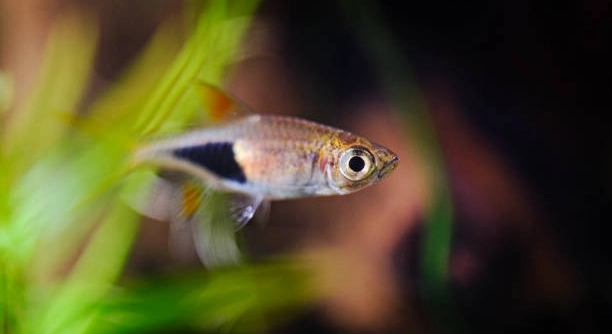
Have you ever noticed your rasboras acting differently or swimming apart from the rest of the group in your tank?
Rasboras may feel excluded due to stress, improper tank conditions, lack of compatible tank mates, or illness. These factors can lead to withdrawn behavior, isolation, and changes in swimming patterns, indicating a disruption in their social structure.
These small signs can often go unnoticed, but recognizing them early can help improve your rasboras’ overall well-being and social balance.
Lack of Grouping Behavior
Rasboras are naturally schooling fish that prefer to swim in coordinated groups. If one or more start isolating themselves, it’s often a sign that something isn’t right. They may feel stressed by sudden changes in their environment or be affected by poor water quality. A fish that lingers at the edges or avoids the school altogether could be experiencing discomfort or fear. Sometimes, tank layout plays a role—too many hiding spots or uneven lighting can disrupt their instinct to school. In some cases, they may not feel comfortable with the species around them, especially if housed with aggressive or much larger fish. Always observe whether the separation is consistent or only happens during certain times of the day. Small behavioral shifts can point to a larger issue affecting their need for social connection and safety in numbers.
When rasboras stop grouping, it’s often tied to their stress levels or tank compatibility.
To help, check tank mates, rearrange plants or décor to promote open swimming, and test your water parameters. Avoid keeping rasboras in groups smaller than six. Their natural behavior depends heavily on feeling secure in numbers. Keeping them in proper conditions supports both their physical health and social comfort.
Aggression from Tank Mates
Aggressive tank mates can make rasboras feel excluded quickly.
Rasboras are peaceful and do best in calm, community-style tanks. If they’re placed with more aggressive fish—like certain barbs, cichlids, or fast-moving species—they may become withdrawn or nervous. These aggressive tank mates might chase, nip, or dominate shared spaces, leaving rasboras hiding or hovering near the bottom. Even subtle intimidation, like constant chasing or being outcompeted for food, can lead to anxiety in rasboras. This kind of stress can cause changes in coloration, appetite, and behavior. Over time, they may avoid open water or display jerky, uneasy swimming patterns. If this happens, it’s important to reassess your tank’s dynamics. Rehoming aggressive fish or expanding the tank to reduce crowding can help restore balance. Adding visual barriers like plants or decorations can also give your rasboras safe areas. Always choose compatible tank mates to support their social nature and reduce unnecessary stress.
Inconsistent Feeding Times
Rasboras thrive on routine, especially when it comes to feeding. When food is offered irregularly, it can affect their behavior and social habits.
Skipping feedings or feeding at random times may cause stress and anxiety in rasboras. These fish come to expect food at specific points in the day. When that doesn’t happen, some may become more aggressive or withdrawn, trying to protect themselves or compete for food out of fear it won’t return. Over time, this stress can lead to irregular swimming, hiding, and even loss of color. It can also cause competition within the group, creating a dynamic where more dominant individuals eat first and weaker ones stay behind. A calm, consistent feeding routine helps reinforce a sense of safety, encourages group feeding behavior, and supports overall health.
To avoid problems, feed your rasboras at the same time each day, offering small, evenly spread portions. Use floating or slow-sinking food so all have equal access. Watch for any rasboras that hang back or avoid feeding, as this may be a sign they feel intimidated or excluded. By adjusting feeding routines and observing mealtime behavior, you can make sure all fish feel comfortable, supported, and included.
Poor Lighting Conditions
Lighting plays a quiet but important role in how rasboras behave in their environment. Sudden changes or poor lighting setups can make them uneasy.
Too much brightness can cause them to hide, while dim lighting may reduce their ability to stay with their group. Rasboras are more comfortable when lighting mimics a natural day and night rhythm. Avoid sharp transitions or leaving the tank in darkness for long periods during the day. Balanced lighting helps encourage social swimming patterns and calm behavior. You can add floating plants to filter harsh light or use dimmable LEDs for softer control. When they feel exposed or overstimulated, they may separate from the group or retreat into corners. Their behavior will often return to normal once lighting is adjusted.
Inconsistent lighting can cause stress and confusion in rasboras, disrupting their usual routines. If the tank light flickers, turns off suddenly, or stays on for too long, it may lead to disorientation. This may cause some rasboras to hide or linger near shaded areas, creating social imbalance. Fish that normally school together may start avoiding open space or lose their color intensity. A good lighting schedule should mimic nature—roughly 10 to 12 hours of light followed by a dark rest period. Avoid placing the tank in direct sunlight or next to screens, as this can disturb their cycle.
Sudden Changes in Water Parameters
Rasboras are sensitive to sudden shifts in pH, temperature, and ammonia levels. Even small changes can cause stress, which often shows through isolation or erratic swimming.
Stable water conditions help rasboras feel secure and stay active within their group. Unstable parameters often make them hide or act withdrawn.
Illness or Weakness
Sick or weak rasboras often isolate themselves to avoid stress or bullying. You may notice them hovering alone, breathing heavily, or avoiding food. These signs can point to internal parasites, infections, or physical injuries. In group settings, unwell rasboras naturally retreat, which can be mistaken for exclusion. Observing their physical condition and behavior closely helps spot early signs of illness. Quarantining affected fish and treating the issue quickly supports recovery. It also keeps the social balance in the tank. Regular tank maintenance, water testing, and a healthy diet are key steps in preventing illness and helping rasboras stay active and included.
Low Population Size
Rasboras rely on group interaction for safety and comfort. Keeping too few in a tank often causes stress and social disconnection. A school of at least six is needed for them to feel secure.
FAQ
How many rasboras should I keep together to prevent exclusion?
Rasboras are schooling fish and feel safest in groups. Keeping at least six together helps them feel secure and encourages natural behaviors. If kept alone or in small numbers, they may become shy, withdrawn, or stressed. Larger groups reduce anxiety and help them interact normally in the tank.
Can a rasbora become excluded due to illness?
Yes, sick rasboras often isolate themselves from the rest of the group. They may stay near the bottom or hide more than usual. Other fish may also avoid them. Look for signs like loss of color, clamped fins, or loss of appetite. Quarantine and treatment can help them recover safely.
Is it normal for rasboras to hide during the day?
Occasional hiding is normal, especially if the tank is too bright or has sudden disturbances. However, if hiding becomes frequent, it may point to stress, poor water conditions, or an issue with tank mates. Ensure lighting is balanced and check for aggressive fish or environmental problems.
What are the signs that my rasboras feel uncomfortable in the tank?
Signs include isolating themselves, jerky or fast swimming, fading color, hiding constantly, and refusing food. If these behaviors appear, it’s important to check water quality, tank mates, feeding routines, and group size. Addressing these areas usually helps them return to normal behavior over time.
Do rasboras get bullied by other fish?
Yes, especially if housed with aggressive or larger species. Fast swimmers or territorial fish can intimidate rasboras. They may start avoiding open spaces, hiding more often, or skipping meals. Always research compatibility and avoid keeping rasboras with species known for dominance or aggression.
How can I encourage rasboras to school more often?
Maintain a group of six or more, provide open swimming areas, and avoid overcrowding the tank. Also, ensure lighting is gentle and consistent. A stress-free environment encourages them to move together in harmony, which is a sign of content and healthy rasboras.
Can changes in water temperature affect rasbora behavior?
Yes, rasboras are sensitive to temperature swings. Sudden drops or rises can cause stress and make them behave unusually. They might become sluggish, separate from the group, or stay near the surface or bottom. Keep the temperature stable, ideally between 72°F and 78°F.
Why are my rasboras staying at the top or bottom of the tank?
This behavior may point to stress, illness, or poor water quality. If they’re at the top gasping, check oxygen levels. If they’re at the bottom hiding, it could be fear or fatigue. Test the water and observe for other signs like color loss or fin damage.
Can lighting affect rasbora social behavior?
Yes, harsh or inconsistent lighting can cause them to retreat or break from the group. Use a balanced day-night cycle, and avoid sudden changes in brightness. Adding floating plants can help soften the light and make the tank feel safer for schooling behavior.
What should I do if one rasbora is always alone?
First, check for signs of illness or injury. If the fish looks healthy, review group size and tank conditions. A single rasbora may feel vulnerable if the group is too small or the tank feels unsafe. Adding more of its species and reducing stress can help it rejoin the group.
Final Thoughts
Rasboras are peaceful fish that rely on group behavior to feel safe. When they begin to isolate themselves or show unusual behavior, it often means something in their environment is off. These changes may be caused by stress, illness, or poor living conditions. Observing your rasboras closely each day helps you catch early signs that something isn’t right. Things like hiding, swimming alone, or avoiding food should not be ignored. A calm, stable tank with proper lighting, balanced water conditions, and a compatible group of fish helps prevent exclusion and supports their social needs.
Maintaining a consistent feeding schedule, avoiding sudden water changes, and choosing the right tank mates are all important for keeping rasboras happy. Even small changes can have a big effect on their behavior. If a rasbora starts staying away from the group, it may just need a bit more support or attention. Sometimes, the issue may be easy to fix, like adjusting the lighting or checking for aggressive fish. Other times, it might take more observation and care, especially if illness is involved. It helps to keep a record of their behavior so you can notice patterns or improvements over time.
The goal is to make sure every rasbora feels safe and included in its environment. These fish are small but sensitive, and they thrive when their surroundings are stable, calm, and respectful of their natural habits. A group of healthy rasboras will move together, show bright colors, and feed confidently. Paying attention to their daily habits and responding quickly to changes can make a big difference. Whether you are new to keeping rasboras or have had them for a while, supporting their social behavior is one of the best ways to help them live well. With the right setup and a little attention to detail, rasboras can show their best behavior and remain an active, peaceful part of your aquarium.

Hello,
If you enjoy the content that we create, please consider saying a "Thank You!" by leaving a tip.
Every little bit helps us continue crafting quality advice that supports the health, happiness, and well-being of pets around the world, for pets of all shapes, sizes, and species.
We really appreciate the kindness and support that you show us!