
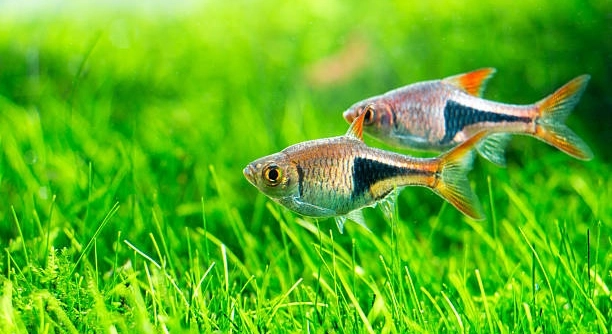
Have you ever noticed your rasboras huddling quietly under a single leaf and wondered if something is wrong with their environment?
Rasboras often cluster under leaves due to a need for shelter and security, mimicking their natural habitat. The shade provides comfort, reduces stress, and helps them feel safe from potential threats, including bright lights or tank disturbances.
This simple behavior has roots in instinct and survival. Exploring what triggers it can help you create a more peaceful, natural home for your fish.
Why Rasboras Prefer Shaded Areas
In the wild, rasboras live in calm, slow-moving waters with lots of vegetation. Leaves, branches, and plants offer shade and cover, making these fish feel protected. In a home aquarium, rasboras look for similar comfort zones. Clustering under a leaf helps them feel safe, especially when the lighting is bright or the tank is busy. The shade lowers their stress and supports natural behaviors. They’re peaceful fish that often prefer staying out of open spaces unless they’re feeding or active. This instinct to stay close to cover is strong, even if the tank has no threats.
When rasboras gather in one shaded spot, they’re often just trying to relax or stay calm.
A leaf can also create a quiet zone with less current and more stable water conditions. This stillness is soothing to rasboras and helps them conserve energy. If your tank has floating plants or large leaves, you might notice them hanging around there more often. It’s not about hiding from danger—it’s about finding a space that feels right. Sometimes they’ll stay there for long periods, especially if the rest of the tank is too bright or if they’re feeling a little shy after a water change or new addition to the tank.
How Tank Setup Affects Their Behavior
Strong lighting and little cover can make rasboras feel exposed and nervous.
To help them feel comfortable, think about how the tank is set up. Start by adding more live or artificial plants with broad leaves. These give rasboras plenty of places to hide or rest. Floating plants like duckweed or frogbit also help by diffusing the light and making the top of the tank more inviting. Avoid intense lighting or give them areas with dimmer spots. A soft substrate and natural-looking decorations can also reduce stress. Keep tank mates peaceful and avoid fast or aggressive species. Rasboras like to live in schools, so keeping at least six together can help them feel more at ease. Pay attention to how they act after making changes. If they spread out more and seem active, your setup is likely working. If they’re always hiding under one leaf, try adjusting the light or adding more cover. A few simple updates can make a big difference.
Common Triggers for This Behavior
Changes in the tank often cause rasboras to gather under leaves. This includes new fish, sudden water changes, or even loud sounds near the tank. They react by looking for quiet, safe places to regroup and adjust.
Rasboras are sensitive to their surroundings, and any shift in water quality, temperature, or flow can make them uneasy. When something feels off, they respond by staying near a leaf or shaded corner. Even minor changes like a filter cleaning or a new decoration can lead to temporary clustering. It’s their way of coping. This behavior usually settles after a short time, once they feel secure again. Watching how often and how long they cluster under the same spot can give you helpful clues. If it’s happening often, check your water parameters or observe tank dynamics. A little change might be making a big impact on how they behave.
Another common cause is overcrowding or a tank that feels too open. Rasboras need room to swim, but they also depend on visual barriers to feel secure. Without these, they tend to stick close together under a leaf. They’ll choose safety over exploration every time. If you notice this happening more than usual, take a closer look at tank layout, fish compatibility, and flow. Balance is key for calm, confident rasboras.
When It Might Signal a Problem
If rasboras are staying under a leaf all day and skipping meals, this may signal stress or a health issue. It’s important to check water quality and ensure no aggressive tank mates are bothering them.
Prolonged hiding paired with other changes like clamped fins, loss of color, or shallow breathing should not be ignored. These are often signs something’s wrong. Poor water conditions, like high ammonia or unstable pH, are common triggers. Test your water regularly and perform consistent, small water changes. Also, look for signs of illness such as white spots, frayed fins, or bloating. If one fish is hiding more than the rest, isolate and observe it closely. Make sure the tank is not too crowded and that each fish has space to swim without stress. Giving rasboras a calm, balanced environment helps prevent illness and lets them thrive in the space you’ve created for them.
What Helps Rasboras Feel Safe
Adding floating plants can make a big difference. These plants reduce bright light and give rasboras more shade. This helps them feel less exposed and more comfortable moving around the tank.
Keeping them in a group of at least six also helps. Rasboras rely on each other for safety.
How Lighting Plays a Role
Bright lighting can make rasboras feel too exposed, especially in tanks with little cover. Soft or dim lighting mimics their natural setting and reduces stress. If the tank feels too harsh, they’ll likely group under any leaf they can find. Using adjustable lighting or floating plants helps tone down brightness. A good balance lets you enjoy watching your fish while giving them a space they feel safe in. Over time, they’ll explore more and hide less. Just a few changes to light levels can improve their behavior and overall health without affecting how the tank looks.
Natural Behavior vs. Stress
Clustering under leaves is often normal, especially during rest periods. If they’re healthy and active at other times, it’s likely just their way of staying comfortable.
FAQ
Why do rasboras stay in one corner of the tank?
Rasboras may stay in one corner when they feel insecure or stressed. This often happens if the lighting is too strong, there’s a sudden change in water conditions, or if they don’t feel safe due to a lack of hiding spots. Sometimes they group there simply because it’s the quietest and most sheltered area. If this behavior is new or unusual, check for anything that may have changed recently in the tank environment. It could be as simple as a new filter current or a temperature shift causing discomfort.
Is it normal for rasboras to hide all day?
It depends on the situation. If they’re hiding most of the day but coming out to eat and swim around in the morning or evening, it’s likely just their natural rhythm. However, if they’re hiding all the time, including feeding times, something may be off. Look for other signs of stress like pale colors, clamped fins, or lack of appetite. Even a loud room or constant foot traffic can make them feel uneasy. Try adding more shaded areas, calming the environment, and checking water parameters just to be safe.
Can overstocking cause rasboras to cluster more?
Yes, overstocking can lead to stress, which often causes rasboras to group tightly and hide. They may feel overwhelmed by movement or competition, and clustering becomes their way of trying to find calm. A crowded tank also means less territory and fewer quiet spaces. Keeping them with peaceful tank mates and maintaining good space per fish helps. If your rasboras seem constantly skittish or withdrawn, consider reviewing your tank size and stocking levels.
Do rasboras need plants in their tank?
While they don’t require plants to survive, rasboras thrive better in planted tanks. Plants give them natural cover, reduce light intensity, and help mimic their native habitat. Broad leaves, tall stems, and floating plants are especially helpful. These plants not only make rasboras feel more secure but also encourage natural behaviors like gentle schooling and exploring. Even a few simple plants can make a noticeable difference in their comfort level and overall health.
Are rasboras more active at certain times of day?
Yes, rasboras tend to be more active during the early and later parts of the day when lighting is softer. Bright light in the middle of the day may make them more reserved. If your tank lights are on a strong setting, you may notice them staying hidden or clustering under leaves during that time. Using a dimmer or a day-night light cycle can help them feel more in tune with their natural activity patterns.
What should I do if they stop schooling and scatter?
When rasboras stop schooling and swim separately, it can mean several things. They may feel unsafe, sick, or overwhelmed. It could also happen after a scare, such as loud noise or a fast-moving tank mate. First, rule out water issues by testing parameters. Then, observe their behavior over a full day. If they’re eating and swimming well, they may just be adjusting. However, if they remain scattered, shy, or show signs of illness, they may need a calmer environment or even a quarantine setup.
Can lighting changes alone affect their behavior?
Absolutely. Rasboras are sensitive to lighting. Too much brightness can cause them to hide more, while very dim light may reduce their activity. Sudden changes, like turning lights on quickly, can startle them. It’s best to use gradual lighting setups like timers or ramp-up features. This allows rasboras to adjust slowly and reduces stress. Floating plants or diffused light also help create a softer atmosphere, encouraging them to swim more freely instead of hiding under leaves.
Is clustering under a leaf a sign of illness?
Not always. If your rasboras are still active, eating well, and look healthy, clustering under a leaf is likely normal. But if you notice them isolating from the group, breathing heavily, or showing color loss, it may be something more serious. Watch for other symptoms, and if needed, separate the affected fish for closer observation. Always check water conditions first—poor quality is a common cause of sudden behavioral changes.
How can I tell if they’re happy?
Happy rasboras swim in loose schools, explore their tank, and have bright coloring. They should show interest in feeding and interact calmly with each other. If they cluster only occasionally or during rest times, that’s fine. It becomes a concern when they’re constantly hiding, showing dull colors, or reacting nervously to normal tank activity. Creating a peaceful, balanced setup with soft light, stable water, and good tank mates will help keep them happy and active.
Final Thoughts
Rasboras are peaceful, sensitive fish that often respond to their environment in small but noticeable ways. When they cluster under a leaf, it’s usually not something to worry about. In most cases, they are simply looking for a calm and shaded place to rest or feel secure. This behavior is natural and common, especially in tanks that are well-lit or have little plant cover. Watching where they spend their time and how they move through the tank can help you better understand what they need. Paying attention to these small habits can make a big difference in keeping them healthy and comfortable.
Their need for safety and calm surroundings is part of what makes them interesting to observe. Rasboras are not the kind of fish that enjoy fast-paced or chaotic tanks. They thrive in peaceful setups with other gentle fish, plenty of cover, and stable water conditions. Even simple changes like adding a few floating plants or softening the light can help them feel more at ease. A group of rasboras that feels safe will be more active, display better colors, and show more natural behaviors like schooling and gentle swimming. When their needs are met, they tend to stay healthier and live longer.
If you notice your rasboras hiding more than usual or acting differently, it’s worth taking a closer look at the tank setup. Check your lighting, water quality, tank mates, and overall space. Sometimes the fix is small, like adjusting the light timer or adding another plant. Other times, you may need to look into water parameters or reduce tank stress. Their behavior often tells you what they need, even if they can’t show it in obvious ways. With a little attention and care, your rasboras can enjoy a safe, balanced home where they feel secure enough to explore—not just huddle under a single leaf.

Hello,
If you enjoy the content that we create, please consider saying a "Thank You!" by leaving a tip.
Every little bit helps us continue crafting quality advice that supports the health, happiness, and well-being of pets around the world, for pets of all shapes, sizes, and species.
We really appreciate the kindness and support that you show us!