
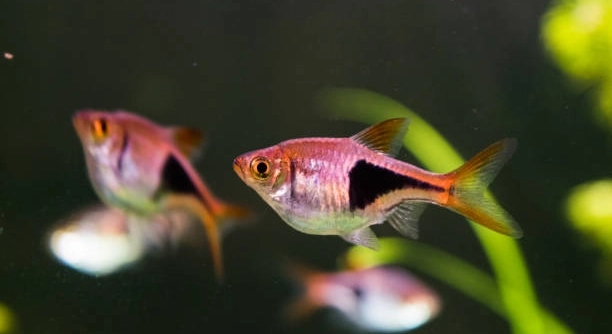
Have you ever noticed your rasboras acting differently, leaving you wondering if something might be bothering them in their tank environment? Subtle shifts in their behavior can often be early signs of stress or anxiety.
Rasboras may display anxiety through rapid swimming, hiding more often, refusing food, or showing faded colors. These behaviors can indicate discomfort in their environment, whether due to poor water quality, sudden changes, or social stress among tank mates.
From unexpected color changes to unusual swimming habits, these behaviors are worth paying attention to if you want to support your rasbora’s well-being.
Rapid Swimming
When rasboras feel anxious, one of the first things you might notice is their sudden burst of energy. Instead of their usual calm movements, they may start darting across the tank repeatedly. This type of swimming often looks restless, almost like they cannot settle down. The behavior can be triggered by sudden changes in the environment, such as strong water currents, loud noises near the tank, or even sudden lighting shifts. While occasional fast swimming is normal during feeding or play, repeated and constant movement can be a sign of stress. It is their way of responding to discomfort, trying to find a sense of safety. Observing when these bursts happen and what has changed in their environment can help you understand the root cause. By identifying possible triggers, you can adjust tank conditions and reduce factors that may be overwhelming your rasboras.
Rasboras that continue this fast-paced swimming may eventually tire out, leaving them more vulnerable to other issues. This pattern is often a signal that something needs attention.
Helping them feel secure during these times means checking water flow, tank noise, and lighting schedules. Creating a consistent and calm environment helps reduce this anxious swimming and supports healthier, calmer behaviors.
Hiding More Often
Rasboras sometimes react to anxiety by retreating into hiding spots for long periods of time. They may stay tucked behind decorations, plants, or the tank’s corners, avoiding interaction with others.
This behavior can be linked to environmental stressors such as aggressive tank mates, poor water conditions, or even a sudden rearrangement of the aquarium. When a rasbora hides excessively, it is often seeking relief from situations it perceives as unsafe. While having natural hiding places is healthy and reassuring for any fish, consistent withdrawal signals discomfort. Providing plenty of cover in the tank is essential, but so is ensuring the underlying cause of anxiety is addressed. Check for overcrowding, monitor for bullying behavior from other fish, and maintain balanced water parameters. If hiding is paired with a lack of appetite or changes in coloration, it points to deeper stress that needs prompt action. Creating a supportive environment encourages rasboras to feel secure enough to return to normal, active swimming patterns.
Refusing Food
A rasbora that is anxious may stop eating or eat far less than usual. Skipping meals is often an early warning sign that stress is affecting their health and daily habits.
Food refusal in rasboras can be linked to several factors, such as sudden water changes, overcrowding, or intimidation from larger tank mates. Stress interrupts their natural feeding rhythm, making them uninterested in food. Over time, this lack of appetite can weaken their immune system and leave them prone to illness. Observing when they stop eating helps you trace possible causes, whether it is aggression in the tank, poor water quality, or too much activity around the aquarium. Addressing these issues quickly ensures that they regain a steady appetite.
If your rasbora continues refusing food, offering smaller, more frequent meals in a calm environment can encourage eating. Keeping the tank quiet during feeding time also helps them feel safe enough to come forward.
Faded Colors
Anxiety in rasboras often shows through a noticeable fading of their natural colors. Their once-bright shades may look dull, signaling that something in their surroundings is disrupting their sense of balance.
This color change is usually connected to stress factors such as poor water quality, inconsistent temperatures, or unsuitable tank mates. When a rasbora feels uneasy, its body reacts by reducing color intensity as part of its stress response. Consistently faded colors can also signal weakened immunity. To support their natural vibrancy, regular maintenance and stable tank conditions are essential. Balanced lighting, appropriate diet, and peaceful surroundings allow their colors to stay bold. Correcting the environment quickly can help restore their healthy glow and reduce further signs of anxiety.
Clamped Fins
Rasboras experiencing anxiety may hold their fins tightly against their bodies instead of keeping them spread naturally. This stiff posture is an immediate sign of discomfort and should not be ignored when noticed in your fish.
Clamped fins often indicate poor water quality, temperature fluctuations, or tension caused by tank mates. While it may look subtle, this behavior shows the fish is under stress. Correcting tank conditions promptly is the best way to ease this problem and restore their comfort.
Restless Schooling
An anxious rasbora may school erratically, constantly shifting positions and breaking formation. Instead of moving in a smooth and synchronized way, the group may appear scattered, unsettled, or overly reactive to minor movements. This pattern reflects insecurity and signals that something in the tank is affecting their sense of safety. Maintaining stable conditions, offering plenty of hiding spots, and avoiding sudden disturbances can help restore natural, coordinated schooling behavior. Paying attention to these small shifts prevents stress from building further and keeps their schooling patterns healthy.
Gasping at the Surface
When anxious, rasboras may rise to the surface and appear to gasp more often than usual. This behavior usually points to poor water conditions, especially low oxygen levels, which can cause immediate stress and discomfort for them.
FAQ
Why do rasboras become anxious in aquariums?
Rasboras usually become anxious when their environment changes in a way that disrupts stability. This can include poor water quality, sudden temperature fluctuations, overcrowding, or the presence of aggressive tank mates. These factors create an ongoing sense of stress that affects both their behavior and health.
How can I tell if my rasboras are stressed?
Signs of stress in rasboras often include rapid swimming, clamped fins, faded colors, hiding for long periods, or refusing food. If you notice more than one of these behaviors occurring regularly, it is a strong indication that they are anxious.
Can poor water quality make rasboras anxious?
Yes, poor water quality is one of the leading causes of stress in rasboras. High levels of ammonia, nitrites, or nitrates quickly disrupt their comfort and health. Consistent water testing and regular maintenance are essential to prevent long-term anxiety and health issues.
Do rasboras get anxious around aggressive fish?
Rasboras are peaceful and thrive in calm communities. Aggressive fish can intimidate them, leading to hiding, refusal to eat, and erratic swimming. Ensuring they live with suitable tank mates is important for reducing stress and promoting natural, active behaviors.
Why do rasboras hide so often when anxious?
Hiding is a defense mechanism. When rasboras feel threatened or overwhelmed, they retreat to sheltered areas in the tank. While hiding spots are healthy to provide, frequent withdrawal signals unresolved anxiety that may need changes in their environment or tank setup.
What should I do if my rasboras refuse food?
First, observe if there are changes in their environment that might be causing stress. Ensure water parameters are correct, reduce disturbances, and try offering smaller meals in a calm setting. If refusal continues, it may indicate a deeper health issue requiring attention.
How does lighting affect rasbora anxiety?
Sudden changes in lighting, especially bright bursts, can startle rasboras and increase stress. Keeping a consistent light schedule that mimics natural day and night rhythms helps them feel secure. Balanced lighting also supports their natural colors and daily activity patterns.
Can rasboras recover from anxiety?
Yes, rasboras can recover if the cause of stress is identified and corrected. Stable water conditions, peaceful tank mates, and a consistent feeding routine help them regain confidence. Recovery may take time, but supportive care allows them to return to normal.
Do rasboras need hiding places to feel less anxious?
Yes, hiding places are essential. Plants, caves, and decorations give them a sense of safety and reduce stress. Even when not anxious, rasboras benefit from these shelters, as they provide areas to rest and retreat whenever they feel uneasy.
Why do rasboras gasp at the surface when stressed?
Gasping at the surface is often linked to low oxygen levels in the tank. Poor water circulation, overcrowding, or high temperatures reduce oxygen, making them anxious. Improving aeration and keeping stocking levels appropriate helps prevent this problem.
How can I prevent anxiety in rasboras?
Prevention begins with stable water conditions, appropriate tank mates, and consistent routines. Avoid sudden changes in temperature or tank layout, provide hiding spaces, and ensure proper aeration. These steps create a calm environment where rasboras can thrive without frequent stress responses.
Can anxiety in rasboras lead to illness?
Yes, prolonged anxiety weakens their immune system, making them more prone to infections and disease. Stress can lower their resistance to common illnesses, which is why addressing behavioral changes quickly is important. A stable and supportive environment reduces this risk significantly.
Why do rasboras lose their bright colors when stressed?
Color fading is a natural response to stress, often caused by poor water conditions, inconsistent feeding, or incompatible tank mates. Their bodies conserve energy by dulling colors. Once the source of anxiety is resolved, their natural brightness often returns.
Are rasboras more anxious in smaller groups?
Yes, rasboras are schooling fish that feel safest in groups. Keeping them in small numbers increases stress and makes them more vulnerable to anxiety. A larger group allows them to school naturally, which provides comfort and security.
What role does feeding routine play in anxiety?
An inconsistent feeding schedule can make rasboras uneasy. They thrive on routine, knowing when to expect food. Sudden changes, overfeeding, or underfeeding create stress. Sticking to a consistent and balanced feeding schedule supports both their physical health and emotional comfort.
Can tank rearrangements cause anxiety in rasboras?
Yes, sudden changes in their environment, such as moving plants, decorations, or hiding spots, can unsettle rasboras. They rely on familiar surroundings for security. If rearrangements are necessary, make changes gradually to give them time to adjust.
Do rasboras show anxiety through schooling behavior?
Yes, anxious rasboras may break formation, scatter, or swim erratically within the group. This shift in schooling patterns reflects insecurity. When the environment is calm and conditions are stable, their schooling returns to its usual coordinated and smooth behavior.
How quickly do rasboras calm down after stress?
The time depends on the cause of anxiety. If the issue is corrected quickly, they may return to normal within hours or days. Ongoing stress, however, may take weeks to resolve. Consistency and care help shorten recovery time.
Can I reduce anxiety with a balanced diet?
Yes, nutrition plays a role in reducing anxiety. A balanced diet rich in quality flakes, pellets, and occasional live or frozen foods supports overall health. Healthy fish handle stress better and are more likely to maintain strong immune systems.
Is it normal for rasboras to become anxious when first introduced to a tank?
Yes, it is normal. Moving to a new environment can cause temporary stress. During this time, rasboras may hide, refuse food, or swim restlessly. With stable conditions and a calm setting, they typically adjust within a few days.
Final Thoughts
Understanding anxiety in rasboras is important because their behaviors are often subtle and easy to overlook. These small fish communicate discomfort through changes in swimming patterns, coloration, and eating habits. By paying attention to these signs, you can intervene early and prevent stress from developing into something more serious. Aquariums are closed environments, which means rasboras rely completely on their surroundings being stable. If something is off, they do not have the option to escape or adapt the way they would in nature. Their behaviors become signals that something in the tank requires adjustment. Whether it is sudden bursts of swimming, clamped fins, or hiding for longer periods than normal, each behavior is a clue to how they are feeling. Recognizing those clues and responding promptly is what helps them remain active and healthy.
Creating the right environment is the foundation of preventing anxiety in rasboras. Stable water parameters, consistent feeding schedules, and peaceful tank mates all work together to make them feel secure. They thrive in groups, so ensuring they are kept in proper schools also plays a big role in reducing stress. Hiding spots, live plants, and decorations not only make the tank more visually appealing but also provide comfort. Lighting and water flow should also be managed in a way that feels natural and balanced for them. Small adjustments, like maintaining oxygen levels or controlling noise around the aquarium, can make a noticeable difference in their behavior. When their environment is predictable and calm, rasboras are more likely to display their natural colors, swim smoothly, and feed regularly. This consistency helps reduce anxiety before it has a chance to affect their health.
Caring for rasboras involves more than simply feeding them and cleaning their tank. It requires observing their behavior and learning what is normal for them as a group. Once you are familiar with their usual patterns, spotting the early signs of stress becomes much easier. Addressing issues quickly not only supports their well-being but also strengthens the overall balance of the aquarium. A calm and stable environment benefits every species living there, not just the rasboras. When these fish feel secure, they show their full beauty and energy, making the tank more enjoyable to watch. By giving them the right conditions and taking their subtle behaviors seriously, you create a space where rasboras can thrive. In the end, their well-being depends on the care and attention you are willing to provide each day.

Hello,
If you enjoy the content that we create, please consider saying a "Thank You!" by leaving a tip.
Every little bit helps us continue crafting quality advice that supports the health, happiness, and well-being of pets around the world, for pets of all shapes, sizes, and species.
We really appreciate the kindness and support that you show us!