
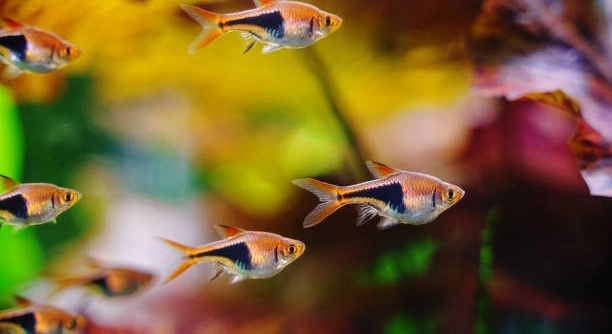
Exploring new territory is a natural part of a rasbora’s life. These small fish move cautiously, sensing their environment as they swim. Their behavior helps them stay safe while learning about unfamiliar surroundings.
When exploring, rasboras exhibit cautious and investigative behavior. They use their keen senses to detect changes in water conditions and potential threats. Their movements become deliberate, often staying close to cover while gradually expanding their range.
Understanding rasbora exploration reveals important details about their survival strategies. This knowledge supports better care and helps create more suitable environments for them.
How Rasboras Assess Their Surroundings
Rasboras rely heavily on their senses when exploring new areas. Their eyes are sharp, helping them spot movement or changes in light that might signal danger or opportunity. They also use their lateral line system, a series of sensory organs along their bodies, to detect vibrations and water currents. This helps them understand the shape and activity around them even in murky water. When entering a new spot, they tend to stay near plants or rocks, using these as cover. This cautious behavior reduces risk while giving them a chance to get familiar with their environment. By moving slowly and observing carefully, they avoid sudden threats. Their schooling behavior adds another layer of protection; by staying in groups, they can quickly alert each other to any signs of danger. This combination of senses and social interaction allows rasboras to explore efficiently and safely.
Rasboras prefer areas with plenty of hiding spots. They avoid open spaces where they feel exposed and vulnerable.
Exploring new environments is essential for rasboras to find food and suitable shelter. Their cautious approach reduces stress and improves survival. Observing how they assess surroundings can help aquarium keepers design habitats that meet their needs. Providing plants and structures that mimic natural cover encourages natural behavior. It also reduces the chances of stress-related illness. Understanding these sensory and social behaviors gives insight into their cautious, deliberate movements when faced with new territory. This knowledge helps maintain their wellbeing in captivity and supports their natural instincts in the wild.
The Role of Group Dynamics in Exploration
Rasboras rarely explore alone. Their social nature means group dynamics play a major role in how they behave when entering new spaces. Groups offer safety through numbers, allowing individual fish to be less alert while others keep watch.
Within a group, rasboras communicate subtle cues to coordinate movements. This helps them respond quickly to potential threats or changes in the environment. When one fish senses danger, the others react almost instantly, often swimming away or hiding together. This shared vigilance increases their chance of survival. Additionally, exploring in groups helps rasboras find food more efficiently. While some fish search, others stay alert for predators. This balance between feeding and safety is a key part of their exploration strategy. Aquarium owners can encourage this natural behavior by keeping rasboras in groups rather than alone, ensuring they feel secure and act naturally in new environments.
How Rasboras React to New Stimuli
Rasboras respond quickly to changes in their environment. They may freeze, dart away, or cautiously approach depending on the type of stimulus. Their reactions help them avoid danger and investigate potential food sources.
When encountering new stimuli, such as unfamiliar objects or sudden movements, rasboras often pause to assess the situation. Freezing allows them to remain unnoticed by predators while processing information. If the stimulus appears harmless, they might swim closer to inspect it carefully. Sudden loud noises or rapid changes usually trigger a swift escape response. This balance between curiosity and caution is crucial for their survival. Their ability to adjust reactions based on the situation shows their adaptability and intelligence in navigating unknown spaces.
In groups, these responses are even more coordinated. One fish’s reaction can influence the whole school’s behavior. If one rasbora darts away, the others typically follow quickly. This collective response increases the group’s safety. Conversely, if the stimulus is judged safe, the group might approach it together. This shared decision-making process helps them explore efficiently while minimizing risks.
Importance of Habitat Features During Exploration
Habitat features greatly influence how rasboras explore new areas. Dense plants, rocks, and hiding spots provide security and reduce stress, encouraging more natural behavior.
These physical structures offer cover and help rasboras feel protected as they move through unfamiliar territory. Open spaces tend to make them more cautious or hesitant. Features like tall plants or caves also serve as checkpoints where they can pause and reassess before proceeding. The complexity of the environment affects how far and how confidently they explore. In aquariums, replicating these conditions is essential to supporting their natural exploration habits and overall wellbeing.
Movement Patterns in New Territories
Rasboras move cautiously when entering unfamiliar areas. Their swimming is slow at first, gradually becoming more confident as they explore.
They often follow a zigzag path to cover more ground while staying alert. This movement helps them detect threats and food efficiently.
How Lighting Affects Exploration
Lighting plays a key role in rasboras’ willingness to explore. Bright or harsh light can make them hide, while soft, diffused lighting encourages calm, steady movement.
Signals and Communication During Exploration
Rasboras use body language and subtle fin movements to communicate while exploring. These signals help maintain group cohesion and alert others to changes or potential dangers in their environment.
Adapting to Changes Over Time
As rasboras become familiar with new territory, their exploration becomes more relaxed and less cautious. They adapt quickly to regular changes, showing flexibility in their behavior.
FAQ
How do rasboras behave when they first enter a new tank?
Rasboras usually act cautiously when placed in a new tank. They tend to stay close together and stick near plants or decorations for cover. Their swimming is slow and deliberate at first, as they try to get a sense of the space. Over time, they begin to explore more freely once they feel safe.
Why do rasboras swim in groups during exploration?
Swimming in groups helps rasboras stay safer. When one fish notices danger, it alerts the others through quick movements. Group swimming also makes it easier to find food and avoid predators. This social behavior reduces stress and encourages natural, confident exploration.
What kind of hiding spots do rasboras prefer?
Rasboras prefer places with dense plants, rocks, or small caves. These provide safe spots to retreat if they feel threatened. Having plenty of hiding places in the tank helps reduce their anxiety and promotes active exploration.
How does lighting affect rasbora exploration?
Bright or direct light can make rasboras nervous, causing them to hide more often. Soft, diffused lighting helps them feel secure, encouraging them to swim and explore calmly. Adjusting the lighting can improve their comfort in a new environment.
Do rasboras react differently to new objects in the tank?
Yes, they usually pause and observe new objects carefully before approaching. If the object seems harmless, they will swim closer and investigate. Sudden or large changes might scare them temporarily, but they usually adjust over time.
Can rasboras explore alone, or do they need a group?
Rasboras are schooling fish, so they explore best in groups. Being alone can make them stressed and hesitant to explore. Groups provide safety and confidence, making their behavior more natural.
How long does it take for rasboras to get comfortable in a new environment?
Comfort levels vary, but most rasboras begin to explore confidently within a few days to a week. Providing a tank with hiding spots, gentle lighting, and enough companions speeds up this adjustment period.
What signs show that rasboras are stressed when exploring?
Signs include hiding for long periods, erratic swimming, or staying very still. Stress can also cause them to lose color or stop eating. Improving tank conditions or reducing disturbances helps them feel safer.
How do rasboras communicate danger to each other?
They use sudden changes in swimming speed or direction. Quick darting or schooling tightly together signals a threat. These subtle movements help the group respond quickly and stay protected.
What can tank owners do to encourage healthy exploration?
Owners should provide a natural environment with plants and hiding places. Keeping the group size appropriate and avoiding sudden changes in lighting or decorations also helps. Regular feeding and gentle water flow support their natural behavior.
Final Thoughts
Rasboras show a careful and thoughtful approach when exploring new areas. Their cautious movements and group behavior help keep them safe while allowing them to learn about their surroundings. By using their senses and relying on one another, they manage to balance curiosity with caution. This natural behavior is important for their survival, both in the wild and in captivity. Understanding how rasboras explore can help aquarium owners provide environments that feel secure and comfortable for these fish.
Creating a tank that meets the needs of rasboras is essential for encouraging healthy exploration. Providing plenty of plants, hiding spots, and gentle lighting allows them to feel protected while investigating new spaces. Grouping rasboras together also supports their natural social habits, helping reduce stress and promoting natural movement patterns. The way rasboras respond to changes in their environment reflects their adaptability, but sudden or drastic changes can cause unnecessary worry. Patience and careful observation during their adjustment period help ensure their wellbeing.
Observing rasboras as they explore offers valuable insights into their behavior and needs. These small fish communicate and interact in subtle ways that show their awareness and intelligence. Recognizing their cautious yet curious nature allows for better care and a more fulfilling experience for both the fish and their owners. By providing stable, comfortable environments that support their natural instincts, rasboras can thrive and display the behaviors that make them unique. Their exploration is a reminder of how important a safe and balanced habitat is for all aquatic life.

Hello,
If you enjoy the content that we create, please consider saying a "Thank You!" by leaving a tip.
Every little bit helps us continue crafting quality advice that supports the health, happiness, and well-being of pets around the world, for pets of all shapes, sizes, and species.
We really appreciate the kindness and support that you show us!