
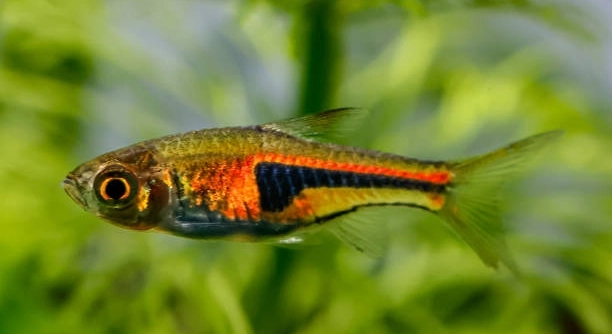
Rasboras are popular choices for community tanks because of their peaceful nature and striking appearance. They adapt well to group living, making them ideal companions for many other fish species in shared aquatic environments. Their behavior and traits often stand out to aquarists seeking harmony.
Rasboras exhibit unique traits such as strong schooling behavior, peaceful temperament, vibrant coloration, and compatibility with diverse tank mates. Their small size and active swimming patterns contribute to a balanced and engaging community aquarium dynamic. These characteristics make them valuable additions to mixed-species tanks.
Learning about these traits can enhance how you care for and appreciate rasboras in your tank. Each quality plays a role in maintaining a healthy, visually appealing aquatic community. Understanding them supports a thriving environment for all inhabitants.
Schooling Behavior and Social Nature
Rasboras naturally form tight schools, which is essential for their well-being. This schooling behavior helps them feel secure and reduces stress. When kept in groups of six or more, they swim together in synchronized patterns, creating a calming effect in the tank. Their social nature also discourages aggression, allowing them to coexist peacefully with other fish. Observing a school of rasboras moving in harmony adds a dynamic visual element to any aquarium. It’s important to provide enough space for them to swim freely and interact. Without a proper group, rasboras may become shy or withdrawn. Their schooling instinct is a key factor that makes them unique and appreciated in community tanks.
Schooling also improves their feeding efficiency and overall health, keeping the group active and vibrant throughout the day.
Providing a well-planted tank with open swimming areas encourages natural schooling. This balance of space and shelter supports their social instincts. Avoid mixing them with overly aggressive fish to maintain harmony. Their small size and quick movements blend well with many peaceful species, making them a versatile choice for community tanks. Regular observation of their schooling behavior can indicate their comfort level and tank conditions, allowing for timely adjustments to their environment.
Vibrant Coloration and Visual Appeal
Rasboras are known for their bright and varied colors, which add a lively touch to community tanks. Their shades range from orange and red to metallic hues, providing contrast against green plants and darker substrates. This coloration is not only attractive but also signals good health when it is vivid and well-maintained. Lighting and water quality play important roles in preserving their colors. Unlike some species, rasboras maintain their brightness without needing excessive care. Their colors can also intensify during social interactions or breeding periods, enhancing the tank’s overall aesthetic. This visual appeal is a major reason aquarists choose rasboras to brighten up mixed-species tanks. They bring energy and a splash of color without overwhelming the environment.
Peaceful Temperament
Rasboras are known for their calm and gentle nature. They rarely show aggression, making them compatible with many other fish species in a community tank. This peaceful temperament helps create a harmonious environment.
Their non-aggressive behavior means rasboras often avoid conflicts over territory or food. They coexist well with similarly sized, calm fish, contributing to a balanced tank dynamic. This trait makes them a favorite among hobbyists who want a low-stress aquarium. Because they focus on schooling and feeding rather than fighting, rasboras bring a sense of tranquility. Their temperament allows even shy tank mates to feel safe and less threatened.
Maintaining this peaceful nature depends on choosing compatible tank mates and avoiding overly aggressive species. Proper tank setup, with plenty of hiding spots and open swimming space, supports calm behavior. Rasboras also respond well to a stable environment with consistent water conditions. This helps reduce stress and preserves their gentle temperament over time.
Adaptability to Various Tank Conditions
Rasboras tolerate a wide range of water parameters, which adds to their appeal in community tanks. They can thrive in different temperatures and pH levels, adapting well to typical freshwater aquarium setups.
This adaptability makes rasboras suitable for beginner and experienced aquarists alike. They can handle slight fluctuations in water conditions better than many other species, reducing the need for constant monitoring. While they prefer clean, well-filtered water, rasboras adjust to moderate variations, provided changes are gradual. Their resilience helps maintain a healthy population even in less-than-ideal situations. This flexibility also means they can be introduced to established tanks without major disruptions.
Ensuring stable conditions, with occasional water changes and proper diet, supports their long-term health. Their adaptability combined with easy care makes rasboras a practical choice for diverse community aquariums. They contribute to the ecosystem’s balance while requiring reasonable maintenance.
Small Size and Tank Compatibility
Rasboras remain small, usually around 1 to 2 inches, which allows them to fit well in community tanks of various sizes. Their size reduces competition for space with larger fish.
Because of their small stature, rasboras are less likely to intimidate other tank mates. They easily navigate through plants and decorations, adding movement without overcrowding. Their compact size means they require less swimming space than bigger fish, making them ideal for tanks where space is limited.
Active and Energetic Swimmers
Rasboras are lively swimmers, constantly moving through the mid and upper levels of the tank. Their activity adds life and energy, creating a dynamic aquatic environment.
Compatibility with Other Species
Rasboras generally coexist peacefully with most community fish, especially other small, non-aggressive species. Their gentle nature helps maintain tank harmony and reduces stress for all inhabitants.
What is the ideal group size for rasboras in a community tank?
Rasboras thrive in groups of six or more. Keeping them in smaller numbers can cause stress and reduce their natural schooling behavior. Larger groups allow them to feel secure, encouraging active swimming and social interaction. This helps prevent shyness and promotes healthier, more vibrant fish.
How often should I feed my rasboras?
Feeding rasboras once or twice daily is sufficient. They prefer small portions of high-quality flakes, micro pellets, or live foods like brine shrimp. Overfeeding can cause water quality issues, so it’s best to provide only what they can eat within a few minutes. A balanced diet supports their coloration and activity levels.
Can rasboras live with aggressive fish?
Rasboras generally do not do well with aggressive tank mates. Their peaceful and small nature makes them vulnerable to bullying and stress. It’s best to house them with other calm, similarly sized fish to maintain harmony. Avoid larger or territorial species that might intimidate or harm them.
What water parameters do rasboras prefer?
They adapt to a pH range of 6.0 to 7.5 and a temperature between 72°F and 79°F (22°C–26°C). While they tolerate moderate changes, sudden shifts can cause stress. Stable water conditions, regular filtration, and consistent maintenance help keep rasboras healthy and active.
How do I encourage breeding in rasboras?
To encourage breeding, provide plenty of plants or spawning mops for egg-laying. Slightly lowering the water temperature and performing frequent water changes can stimulate spawning behavior. Feeding high-protein live foods also improves breeding readiness. After eggs are laid, removing the adults can protect the fry from being eaten.
Do rasboras require special lighting?
Rasboras do not need intense lighting but benefit from moderate light to enhance their colors and support plant growth. Lighting should be balanced to avoid stressing the fish. A natural day-night cycle with 8 to 10 hours of light helps maintain their activity patterns and overall health.
What diseases are common in rasboras?
Rasboras are generally hardy but can be susceptible to common freshwater illnesses like ich, fin rot, and fungal infections, especially if stressed by poor water quality. Maintaining clean water, proper diet, and avoiding overcrowding reduces the risk of disease. Quarantining new fish before adding them to the tank also helps prevent outbreaks.
How much space do rasboras need?
A minimum of 10 gallons is recommended for a small school of rasboras. This provides enough swimming space and room for plants and hiding spots. Larger tanks allow for more stable water conditions and support bigger groups, which enhances their natural schooling and social behavior.
Are rasboras good for beginners?
Yes, rasboras are an excellent choice for beginner aquarists. Their peaceful nature, adaptability, and low maintenance requirements make them easy to care for. They help new hobbyists learn about schooling fish behavior and community tank dynamics without demanding specialized care.
What tank mates are best for rasboras?
Ideal tank mates include small, peaceful fish such as tetras, danios, and peaceful gouramis. Avoid large, aggressive, or fin-nipping species. Compatible tank mates help maintain a calm environment where rasboras can thrive and display their natural behaviors without stress or conflict.
Rasboras offer many qualities that make them stand out in a community tank. Their peaceful nature and strong schooling behavior create a calm and visually appealing environment. These fish are small and adaptable, which helps them fit well with a variety of other species. Their vibrant colors add a touch of brightness to the tank without overwhelming the overall look. Because they are easy to care for and adjust well to typical freshwater conditions, they are suitable for both beginners and experienced aquarists. These traits together make rasboras a valuable addition to many community aquariums.
Taking care of rasboras is fairly straightforward, but attention to certain details is important. Keeping them in groups helps maintain their natural social habits and reduces stress. Providing a tank with adequate swimming space and some planted areas supports their schooling and gives them places to feel secure. Stable water parameters and regular maintenance are necessary to keep them healthy and active. Feeding a balanced diet that includes quality flakes or live foods supports their coloration and energy levels. Avoiding aggressive tank mates and overcrowding helps preserve the peaceful environment that rasboras prefer.
Overall, rasboras bring a combination of peaceful behavior, adaptability, and visual appeal to community tanks. Their ease of care and compatibility with many species make them a practical choice for creating a balanced aquarium. By understanding their needs and traits, it is possible to create a harmonious tank where rasboras and other fish can thrive together. Their presence can enhance the tank’s overall atmosphere, making it a more enjoyable and engaging space to observe.

Hello,
If you enjoy the content that we create, please consider saying a "Thank You!" by leaving a tip.
Every little bit helps us continue crafting quality advice that supports the health, happiness, and well-being of pets around the world, for pets of all shapes, sizes, and species.
We really appreciate the kindness and support that you show us!