
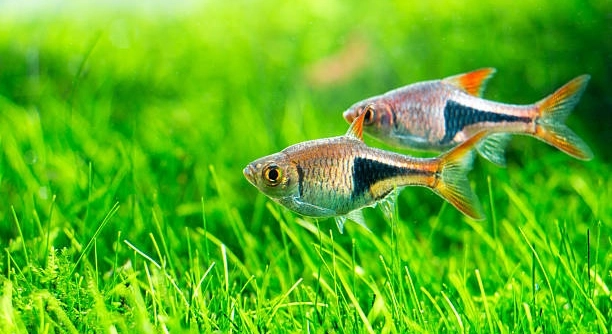
Rasboras are small, active fish that often catch attention for their lively behavior. Before they start schooling, they exhibit specific movements and social cues that hint at their group dynamics. These early actions play an important role in how they interact.
Before forming a school, rasboras usually swim independently but remain aware of nearby fish. They may perform short bursts of movement and maintain spacing to assess their environment, which helps establish safety and coordination within the group.
Observing these behaviors helps understand how rasboras build trust and communication before schooling together. Their early actions set the stage for group harmony and collective swimming patterns.
Early Movement Patterns Before Schooling
Rasboras often start by exploring their environment independently, moving around cautiously while keeping an eye on other fish. These small, quick movements help them get comfortable and identify safe spots. They might dart briefly from one place to another, which allows them to understand where food or shelter might be. During this time, they also observe other rasboras, noting their locations and actions. This initial phase is about gaining confidence and gathering information, which is essential before they join a school. Their awareness and spacing are natural behaviors to avoid danger while preparing to form groups.
These individual movements are important because they lay the groundwork for coordinated schooling. Rasboras learn to balance caution with social interaction through these early actions.
Recognizing these patterns helps aquarists provide the right conditions for rasboras to feel secure. Proper tank setup and minimal disturbances support healthy schooling behavior and improve the fish’s overall well-being.
Signs That Rasboras Are Preparing to School
Before fully schooling, rasboras start to swim closer together and synchronize their movements more often. This behavior is a key indicator that they are ready to form a group and rely on collective safety.
At this stage, you might notice that their swimming becomes more coordinated. They tend to mirror each other’s speed and direction, sometimes following a lead fish. This alignment reduces stress and increases protection against threats. Group swimming also helps them forage more efficiently and communicate through subtle body language. These signs show the transition from independent behavior to a more social, unified school.
Ensuring the tank environment supports this transition is crucial. Adequate space, hiding spots, and stable water conditions encourage rasboras to feel safe and engage in natural schooling behavior. Watching these changes reveals much about their social development and health.
How Rasboras Communicate Before Schooling
Rasboras use subtle body movements and changes in speed to signal their intentions to others. These signals help them stay connected and avoid collisions.
These fish often flick their fins or adjust their position to show readiness or caution. Slight changes in swimming direction serve as messages to the group, encouraging others to follow or maintain distance. This communication helps prevent confusion and keeps the group coordinated. Even before fully schooling, these interactions are crucial for establishing trust and timing. The more they practice this, the smoother their schooling behavior becomes.
Communication also includes visual cues like color changes or body posture, which indicate stress or comfort levels. When rasboras feel safe, their colors brighten, inviting others to join. Conversely, dull colors may warn the group to stay alert. Understanding these signs allows for better care and support of their natural social behaviors.
Environmental Factors Influencing Schooling Behavior
Tank size and layout play a significant role in how comfortably rasboras form schools. Crowded or cluttered spaces can disrupt their movement patterns.
Providing enough open swimming space encourages rasboras to come together naturally. When tanks are too small or filled with obstacles, the fish may hesitate to school or spread out awkwardly. Plants and decorations should be arranged to offer shelter but also allow clear swimming paths. Stable water conditions like temperature, pH, and cleanliness reduce stress, which supports consistent schooling behavior. Sudden changes in environment can cause rasboras to scatter or act nervously, so gradual adjustments are best. Creating a balanced habitat is key to fostering their natural group dynamics and overall health.
The Role of Light in Rasbora Behavior
Lighting influences how rasboras feel and act before schooling. Too bright or flickering light can cause stress, making them hide or swim erratically.
Soft, consistent lighting encourages calm behavior. It helps rasboras feel secure enough to explore and communicate, which is important before they group together.
How Temperature Affects Schooling Readiness
Rasboras perform best in stable water temperatures, usually between 74°F and 80°F. Temperature fluctuations can disrupt their normal swimming and social behavior. When the water is too cold or too warm, they become sluggish or overly active, both of which hinder schooling formation. Keeping the temperature steady supports their natural rhythms and improves their willingness to form groups. Consistent warmth also boosts metabolism and immune health, allowing them to respond better to environmental cues that signal it’s time to school.
Early Warning Signs of Stress
Stress before schooling can show as loss of color or isolated swimming. Recognizing these signs helps prevent bigger problems.
FAQ
What behaviors indicate rasboras are about to start schooling?
Rasboras begin by swimming closer to one another and matching their movements. They perform small, quick bursts of speed and adjust their spacing to stay coordinated. These actions help them build trust and reduce stress before fully schooling together.
How long does it take for rasboras to form a school?
The time varies depending on tank conditions and individual fish personalities. Typically, rasboras start showing schooling behavior within a few days to a week after being introduced to a new environment. Consistent water quality and minimal disturbances speed up this process.
Why do some rasboras swim alone before schooling?
Swimming alone initially allows them to assess safety and explore their surroundings. This cautious behavior is natural and helps them feel secure before joining the group. Once comfortable, they gradually move closer to others.
Can lighting affect schooling behavior?
Yes, lighting impacts their comfort and activity levels. Bright or flickering lights can stress rasboras, causing erratic swimming or hiding. Soft, stable lighting encourages calmness and better communication, supporting schooling behavior.
What role does tank size play in schooling?
A larger tank with enough open space promotes natural schooling. Crowded or cluttered tanks can disrupt movement and make rasboras avoid grouping. Proper space helps them swim freely and form coordinated schools.
How important is water temperature for schooling?
Stable temperatures between 74°F and 80°F are ideal. Fluctuations can cause stress or sluggishness, preventing smooth schooling. Maintaining a steady temperature supports metabolism and social behavior.
What should I do if my rasboras aren’t schooling?
Check water quality, tank size, and lighting first. Ensure the environment is calm and stable. Give them time to adjust, and avoid sudden changes. Sometimes, simply adding more rasboras encourages schooling since they are social fish.
Are all rasbora species the same in schooling behavior?
Most rasboras are schooling fish, but some species differ slightly in how tightly or quickly they form schools. Knowing your specific rasbora species helps tailor tank setup and care to encourage proper schooling.
How do rasboras communicate within a school?
They use body movements, changes in speed, and subtle visual signals. These help the group stay coordinated and avoid collisions. Color changes can also indicate stress or comfort levels within the group.
Can stress prevent schooling?
Yes, stress from poor water quality, sudden changes, or aggressive tank mates can stop rasboras from schooling. Recognizing early stress signs like color fading or isolated swimming allows for quick action to improve their environment.
Understanding how rasboras behave before they start schooling offers valuable insight into their social nature. These fish do not immediately swim in groups but instead take time to observe and communicate with one another through subtle movements. Their early behaviors, such as individual swimming and small bursts of speed, help them build trust and awareness within their environment. Recognizing these actions allows aquarists to better support their fish by creating a safe and calm tank environment that encourages natural schooling behavior.
Creating the right conditions is essential for rasboras to feel comfortable enough to form schools. Factors such as tank size, lighting, temperature, and water quality all influence their readiness to school. A spacious tank with stable temperature and gentle lighting helps reduce stress, allowing the fish to communicate more effectively and coordinate their movements. Paying attention to these details can make a significant difference in how quickly and smoothly rasboras transition from swimming alone to swimming as a group. Providing hiding places and minimal disturbances also plays an important role in supporting their natural instincts.
Overall, understanding these early stages of rasbora behavior makes it easier to care for them properly. By observing their movements and recognizing signs of stress or discomfort, aquarists can adjust their care to meet the fish’s needs. This knowledge helps promote healthier, happier fish that display natural schooling behavior. The small but meaningful actions rasboras show before schooling are essential steps toward social interaction and group cohesion in the tank. Creating an environment that respects these behaviors contributes to their well-being and enjoyment as aquatic pets.

Hello,
If you enjoy the content that we create, please consider saying a "Thank You!" by leaving a tip.
Every little bit helps us continue crafting quality advice that supports the health, happiness, and well-being of pets around the world, for pets of all shapes, sizes, and species.
We really appreciate the kindness and support that you show us!