
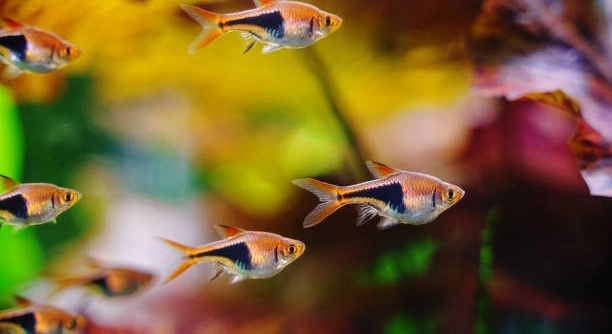
Rasboras are small, social fish that often live in groups. They interact with each other in many ways, learning behaviors that help them survive and thrive. Watching these habits gives insight into their natural life.
Rasboras pick up habits like schooling, synchronized swimming, and alert signaling from each other. These behaviors improve their safety, foraging success, and group cohesion, showing how social learning plays a key role in their survival strategies.
These shared habits reveal important details about how rasboras live and interact within their environment. Understanding them helps improve care and appreciation for these lively fish.
Schooling Together for Safety
Rasboras often swim closely in groups, a behavior known as schooling. This habit helps them stay safe from predators by making it harder for a predator to single out one fish. Swimming in sync also allows them to react quickly to danger signals from others. When one rasbora senses a threat, the whole school can change direction fast, confusing predators. This collective movement is not just about protection; it also makes it easier for them to find food and conserve energy while swimming. Young rasboras learn to school by following the movements of older fish. Over time, this behavior becomes a natural part of how they live daily. The habit of schooling shows how important group living is for their survival.
Schooling helps rasboras survive by improving their chances of avoiding predators and finding food efficiently.
Understanding this behavior makes it easier to create an environment where rasboras feel secure and thrive in captivity.
Communication Through Movement
Rasboras use subtle movements and body language to communicate with each other. Quick flicks of the tail or sudden changes in swimming speed can send warnings or signals to the group. These signs help maintain order in the school and coordinate group responses. For example, if one fish spots food, it might swim faster toward it, encouraging others to follow. This nonverbal communication is essential for keeping the group united and safe.
In the aquarium, noticing these movements can help you understand how your rasboras interact. When they swim closely and respond quickly to one another, it shows they are comfortable and aware of each other’s presence.
Watching how rasboras communicate through movement reveals the complex social structure they have developed. It also emphasizes the importance of keeping them in groups rather than alone, as their natural behaviors rely heavily on interaction. When they are in proper social settings, they display less stress and more natural activity. This leads to healthier fish and a more dynamic tank environment. Recognizing these signs can improve how we care for them daily, making their habitat closer to what they experience in nature.
Sharing Food Discovery
Rasboras quickly notice when one of them finds food and often follow to share the meal. This habit helps them maximize feeding opportunities and avoid missing out. It also reinforces their social bonds as they feed together.
When one rasbora spots food, it moves toward it quickly. Others recognize this behavior and swim alongside to join in. This shared feeding reduces competition and encourages cooperation. In natural habitats, this habit increases the group’s chances of survival because food can be scarce or hard to find. By learning from each other, rasboras avoid wasting energy searching alone. In captivity, providing multiple feeding spots helps support this natural behavior, reducing stress and promoting harmony.
Sharing food discovery is a smart way rasboras stay connected and maintain balance in their social group. It shows how they rely on each other not just for safety, but also for basic needs like eating.
Mimicking Swimming Patterns
Rasboras observe and copy the swimming styles of their group mates. This helps maintain uniform movement and group cohesion. Synchronizing their swimming reduces the risk of attracting unwanted attention from predators.
Following the lead of experienced swimmers helps younger or less confident fish improve their skills. They learn the best ways to navigate currents, avoid obstacles, and move efficiently. This copying behavior also plays a role during mating seasons, when synchronized swimming can attract partners. In aquariums, observing this habit shows how connected the group is. It also means that keeping rasboras in small groups limits their natural ability to mimic and learn. Larger groups allow more dynamic interaction and stronger social learning. Mimicking swimming patterns is a vital part of how rasboras live safely and effectively in their environment.
Alert Signaling
Rasboras use quick body movements to alert the group to danger. A sudden flick or change in direction warns others to be cautious. This quick signaling helps keep the group safe from predators.
These alerts spread fast through the school. When one fish signals, others react immediately, creating a ripple effect that guides the whole group away from threats.
Learning Safe Spaces
Rasboras observe where others hide or rest to find safe spots themselves. This habit helps them avoid dangerous areas and stay protected from predators. By watching each other, they learn which parts of their environment are safest to explore and where to retreat when threatened.
Group Resting Behavior
Rasboras often rest together in calm areas. This shared resting keeps the group protected and reduces stress by making each fish feel secure within the group.
How do rasboras learn habits from each other?
Rasboras learn by observing and copying behaviors of other fish in their group. This social learning helps them adapt to their environment quickly. When one fish finds food, signals danger, or swims in a certain way, others follow or mimic these actions. This process strengthens their survival skills. Young rasboras especially rely on watching older fish to understand how to behave safely and efficiently in their surroundings. Learning from each other reduces the risks of trial and error and helps the whole group stay coordinated and protected.
Why is schooling important for rasboras?
Schooling is essential because it offers safety in numbers. When rasboras swim closely together, it becomes difficult for predators to single out one fish. This collective behavior also allows them to respond faster to threats by moving as a unit. Schooling saves energy during swimming by reducing water resistance. It also helps rasboras find food more easily by working together. Without schooling, rasboras would be more vulnerable and stressed, which can affect their health and lifespan.
What role does communication play in rasbora groups?
Communication through movement and body language helps rasboras maintain order and coordinate actions. Quick flicks of the tail or sudden speed changes warn others of danger or guide them toward food. This nonverbal communication keeps the group functioning smoothly and avoids confusion. In captivity, watching these signs can help you understand if your fish are comfortable or stressed. Communication strengthens social bonds and improves the chances of survival in their natural environment.
How can I encourage natural behaviors in my aquarium?
To encourage natural habits, keep rasboras in groups of at least six. Provide plenty of hiding spots and plants for shelter. Feed them small amounts several times a day to mimic natural feeding patterns. Avoid sudden changes in water conditions to reduce stress. Observing their interactions helps you know if they feel secure. When they can school, communicate, and share food comfortably, they show healthier behavior and live longer.
Do rasboras share food willingly?
Yes, rasboras tend to share food by following each other when one finds a source. This reduces competition and ensures more fish get to eat. Sharing food strengthens their social bonds and helps maintain peace in the group. In an aquarium, providing food in different areas supports this habit and prevents fighting.
What are common signs of stress in rasboras?
Stress signs include hiding constantly, swimming erratically, or isolating from the group. Loss of appetite and faded colors are also common. Stress can weaken their immune system and lead to illness. Ensuring stable water conditions, proper group size, and a well-planted tank helps reduce stress and promotes natural behaviors.
Can rasboras live alone?
Rasboras are social fish and do best in groups. Living alone can cause loneliness, stress, and abnormal behavior. A single rasbora might become shy or aggressive because it lacks social interaction. Keeping them in groups allows them to learn habits, feel secure, and express natural behaviors, improving their overall well-being.
How does mimicking swimming patterns benefit the group?
Mimicking swimming patterns helps maintain group cohesion and safety. When rasboras swim in sync, they confuse predators and reduce individual risk. Copying each other also helps inexperienced fish learn how to move efficiently and avoid dangers. This behavior is important for feeding, mating, and avoiding threats, making the group stronger as a whole.
What should I watch for to know if my rasboras are happy?
Happy rasboras swim actively in schools, respond quickly to each other’s signals, and show bright colors. They explore the tank together and rest in groups during calm periods. They also eat well and show little sign of stress. Watching these behaviors shows they feel secure and comfortable in their environment.
How do rasboras choose safe resting spots?
Rasboras learn safe resting spots by watching where others gather and hide. These areas usually offer shelter from predators and low disturbance. Group resting reduces individual vulnerability and lowers stress levels. Providing plenty of plants and hiding places in the tank helps replicate this natural behavior, allowing rasboras to rest safely and peacefully.
Rasboras are small fish that live better when they are part of a group. They learn many habits from each other, such as swimming together, sharing food, and warning about danger. These behaviors help them stay safe and find food more easily. Watching how rasboras interact shows just how important social living is for their survival. It is clear that their natural habits are connected to being in a group where they can observe and copy one another. This makes them feel safer and helps them live healthier lives.
When keeping rasboras in an aquarium, it is important to remember these social habits. Providing a proper group size allows them to express their natural behaviors, like schooling and alert signaling. Having enough hiding spots and plants creates a safe environment that supports their need for rest and protection. Feeding them several times a day in small amounts mimics their natural food-sharing behavior. When these conditions are met, rasboras are less stressed and more active. They swim together, communicate through body movements, and respond quickly to changes in the tank. This shows that they feel comfortable and well cared for.
Overall, understanding how rasboras pick up habits from each other helps us care for them better. It reminds us that these fish are not just pretty decorations but social creatures with complex behaviors. Meeting their needs for group living, safety, and communication leads to happier and healthier fish. This knowledge also deepens appreciation for their natural way of life. By supporting their social habits in captivity, we help rasboras live fuller, more natural lives, which benefits both the fish and the aquarium environment.

Hello,
If you enjoy the content that we create, please consider saying a "Thank You!" by leaving a tip.
Every little bit helps us continue crafting quality advice that supports the health, happiness, and well-being of pets around the world, for pets of all shapes, sizes, and species.
We really appreciate the kindness and support that you show us!