
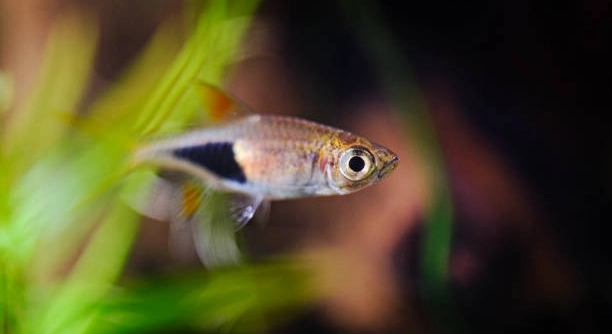
Many aquarium lovers enjoy watching rasboras swim gracefully in their tanks. These small fish have unique habits that show how they feel. Knowing their tired behaviors helps in caring for them better.
Rasboras display tiredness through slower swimming, reduced activity, staying near the bottom, less interest in food, hiding more often, faded colors, and occasional gasping at the surface. These signs indicate they need rest or a calmer environment.
Recognizing these behaviors will help you keep your rasboras healthy and comfortable in their home. Understanding their needs makes a big difference in their care.
Slower Swimming and Reduced Activity
When rasboras feel tired, one of the first things you might notice is that they swim more slowly than usual. Their usual lively movement becomes sluggish, and they spend less time exploring the tank. Instead of darting around, they may hover in one spot or move with little energy. This change in activity is a clear sign that the fish need rest. It’s important to watch for this behavior because continuous fatigue can lead to stress and weaken their immune system. Providing a quiet environment with fewer disturbances helps rasboras recover faster. Lighting that is not too bright and maintaining a stable water temperature also supports their well-being. Paying attention to these subtle changes lets you act early before the tiredness turns into illness.
Slower swimming is a reliable indicator that your rasbora might need a break. It’s a simple sign but very important for their health.
Watching these changes closely can improve how you care for your rasboras and keep them healthy longer.
Staying Near the Bottom and Hiding More Often
When rasboras are tired, they often spend more time near the bottom of the tank or hiding among plants and decorations. This behavior helps them conserve energy and avoid stress from other fish or bright lights. Unlike their usual social and active nature, tired rasboras prefer quieter and darker spots. This is their way of protecting themselves and resting.
Hiding also helps reduce their exposure to potential threats, making them feel safer while they regain strength. In some cases, tired rasboras may even stay hidden for hours or the entire day, coming out only when they feel more rested. Observing your tank’s layout can make it easier to provide these hiding places. Plants, caves, or small decorations serve as perfect spots for rest. If you notice your fish staying hidden more than usual, it’s a good idea to check water quality and tank conditions to ensure they are comfortable.
Offering ample hiding spots and maintaining a peaceful environment will encourage rasboras to rest properly. This helps them recover and stay healthy, reducing stress and improving their overall behavior. Regularly cleaning the tank and avoiding sudden changes in temperature or lighting also support their need for rest. Making these adjustments can prevent fatigue from becoming a long-term problem for your fish.
Less Interest in Food
Tired rasboras often lose interest in eating. They may ignore food or eat very little, which is a clear sign that something is wrong. This behavior should not be overlooked.
When rasboras are tired or stressed, their appetite decreases because their bodies focus on rest and recovery. Feeding less can also be a response to poor water quality or an illness, which makes them conserve energy. It’s important to observe their eating habits daily. If you notice a sudden drop in appetite, check the tank conditions and adjust feeding amounts to avoid overfeeding, which can worsen water quality. Providing nutritious and easily digestible food helps support their health during these times.
If your rasboras skip meals often, it might indicate they need more rest or a change in their environment. Keeping the tank clean and stable will encourage them to eat regularly and regain their energy.
Faded Colors
When rasboras feel tired, their bright colors tend to fade. This dulling is a natural response to fatigue and stress. It signals that the fish are not in their best condition.
Color fading happens because tired rasboras produce fewer pigments. Stress from environmental changes, illness, or poor water quality can also cause their colors to become less vibrant. Healthy, well-rested rasboras show rich and shiny colors, so fading is a clear visual sign of fatigue. To help them regain their color, it’s important to keep the tank clean and stable. Proper lighting and a balanced diet with vitamins also support their pigmentation. Monitoring water parameters like pH, temperature, and ammonia levels is essential, as poor conditions contribute to stress and color loss. Addressing these factors helps rasboras recover their natural brightness and stay healthy longer.
Gasping at the Surface
Tired rasboras sometimes gasp for air at the water surface. This can mean they are stressed or the oxygen level is low.
This behavior signals that the tank might need better aeration or water changes. It’s important to check oxygen levels regularly.
Changes in Social Behavior
Rasboras usually enjoy swimming in groups, but when tired, they may isolate themselves. This shift in social behavior shows they need time to rest and recover. Fish that separate from their group are often conserving energy or avoiding stress. Ensuring a calm environment and stable tank conditions helps them regain their usual sociability. Providing enough space and hiding spots reduces stress and encourages group interaction. Watching these social changes closely allows you to support your rasboras’ well-being effectively.
Occasional Twitching
Sometimes tired rasboras show small, occasional twitches. This can be a sign of muscle fatigue or irritation.
What causes rasboras to get tired?
Rasboras get tired mainly because of stress or poor living conditions. Factors like improper water temperature, low oxygen levels, overcrowding, and sudden changes in the tank environment can tire them out. Poor water quality, including high ammonia or nitrate levels, also puts strain on their bodies. Just like any living creature, rasboras need stable conditions to feel comfortable and energetic. If these conditions aren’t met, they become exhausted trying to adapt. Overfeeding or underfeeding can also impact their energy levels. When their bodies don’t get the right nutrition, they tire more easily. Watching for early signs of tiredness helps prevent bigger health problems later.
How can I help my tired rasboras recover?
Helping tired rasboras recover starts with improving their tank environment. Make sure the water temperature is within the right range for the species, usually between 72°F and 78°F (22°C to 26°C). Check that the oxygen levels are sufficient by adding an air stone or increasing water movement. Regular water changes are essential to remove waste and keep the water clean. Feeding them high-quality food in small amounts supports their health. Reducing tank noise and sudden disturbances helps them rest better. Also, provide plenty of hiding places like plants and decorations so they feel safe. Sometimes, a little extra care and patience are all they need to regain their energy.
Is it normal for rasboras to hide a lot?
Yes, it can be normal for rasboras to hide, especially when they are tired or stressed. Hiding is a natural behavior that helps them conserve energy and avoid threats. However, if they hide all the time and don’t come out even during feeding, it might mean the tank conditions need attention. Too much hiding can indicate poor water quality, illness, or bullying from other fish. Make sure the tank has enough space and plants or decorations to serve as hiding spots. Watching their hiding habits closely can give you clues about their overall health and comfort.
What does it mean if my rasboras swim slowly?
Slow swimming usually means rasboras are tired or unwell. It can happen due to stress, low oxygen, or poor water conditions. When they swim slowly, it’s a sign their energy is low, and their bodies need rest. Sometimes slow movement comes before more serious health issues, so it’s important to check water quality and tank temperature. Also, avoid overfeeding, as it can cause water pollution that makes fish sluggish. Giving them a peaceful environment with proper care will help them swim actively again.
Why do rasboras lose their color when tired?
Rasboras lose color when tired because their bodies produce fewer pigments under stress. Fatigue weakens their immune systems, making colors fade. Poor water quality, illness, or improper lighting can also cause this dulling. Vibrant colors usually mean the fish are healthy and comfortable. If you notice faded colors, it’s a sign to check tank conditions. Improving water quality, feeding nutritious food, and reducing stress will help bring their colors back.
Can tired rasboras recover fully?
Yes, tired rasboras can fully recover if their environment improves. Rest, clean water, proper nutrition, and stress reduction are key factors. Recovery time depends on how long they’ve been tired and what caused the problem. Sometimes fish bounce back quickly, but serious cases might take weeks. Keeping a consistent routine and avoiding sudden changes helps prevent repeated tiredness. Monitoring their behavior daily ensures they stay healthy and active.
How often should I check my tank to prevent tired rasboras?
You should check your tank daily to prevent rasboras from getting tired. Look at water temperature, clarity, and fish behavior. Weekly water tests for ammonia, nitrites, and nitrates are important. Regular water changes every one to two weeks help maintain cleanliness. Also, observe how your fish eat and swim. Early detection of problems lets you fix them before fatigue starts. Consistent tank care is the best way to keep rasboras energetic and happy.
What foods help boost rasbora energy?
Foods rich in protein and vitamins help boost rasbora energy. High-quality flakes or pellets designed for small tropical fish work well. Supplement their diet with live or frozen foods like brine shrimp or daphnia for extra nutrients. Variety in their diet supports their immune system and energy levels. Avoid overfeeding to prevent water pollution, which can stress the fish and make them tired. Feeding small amounts two to three times a day keeps them healthy and active. Proper nutrition is a simple but effective way to keep rasboras from getting tired.
Can lighting affect rasbora tiredness?
Yes, lighting can affect rasbora tiredness. Too bright or constant light can stress the fish, causing fatigue. Rasboras need a natural day-night cycle to rest properly. Using a timer for aquarium lights helps maintain this balance. Dimmer lighting or shaded areas in the tank give tired fish a chance to relax. Proper lighting supports their natural behavior and helps keep their colors bright. Adjusting light levels can reduce stress and prevent tiredness.
When should I consult a vet for my tired rasboras?
Consult a vet if your rasboras show severe tiredness combined with other signs like rapid breathing, wounds, or unusual swimming. If behavior doesn’t improve after adjusting tank conditions and diet, professional advice is needed. A vet can diagnose illnesses or parasites causing fatigue. Early treatment improves chances of recovery. Don’t wait too long if your fish seem very weak or sick. Taking prompt action protects their health and wellbeing.
Taking care of rasboras means paying close attention to how they behave, especially when they seem tired. These small fish can’t tell us when something is wrong, so watching for signs like slow swimming, hiding, or faded colors is important. When rasboras show these signs, it usually means they need a calmer, cleaner, and more stable environment. Keeping their tank water clean and at the right temperature helps a lot. Simple actions like regular water changes and maintaining good oxygen levels can make a big difference. Also, providing enough hiding places and avoiding sudden changes in lighting or noise helps rasboras feel safe and rested.
Feeding your rasboras well is another key part of their care. They need good nutrition to stay healthy and energetic. Using quality fish food and occasionally offering live or frozen treats supports their immune system and helps them recover from tiredness. It’s best to feed small amounts a few times a day instead of overfeeding at once. Overfeeding can pollute the water, which makes the fish stressed and more likely to become tired. Watching how much your fish eat and adjusting their diet if needed keeps them strong and active.
Remember, rasboras are delicate creatures that depend on stable conditions to thrive. If you notice any signs of tiredness, take action quickly by checking the water, feeding habits, and tank setup. Keeping the environment calm and stable helps your fish bounce back faster. Sometimes, tiredness is just temporary and can be fixed with simple changes. Other times, it may mean a deeper problem that needs more care. Paying attention every day and providing the best care possible gives your rasboras the best chance to live happy and healthy lives.

Hello,
If you enjoy the content that we create, please consider saying a "Thank You!" by leaving a tip.
Every little bit helps us continue crafting quality advice that supports the health, happiness, and well-being of pets around the world, for pets of all shapes, sizes, and species.
We really appreciate the kindness and support that you show us!