
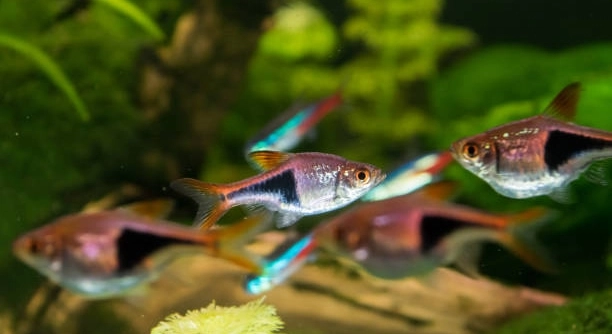
Are your rasboras swimming in short, jerky spurts instead of their usual smooth patterns, leaving you unsure if something is wrong?
Rasboras swimming in spurts often indicates stress, poor water quality, or sudden environmental changes. This behavior may also signal illness, such as swim bladder disorder, which affects buoyancy. Monitoring water parameters and fish health is essential.
Understanding these causes can help you create a more stable, healthy environment where your rasboras feel safe and swim with ease.
Why Rasboras Swim in Spurts
Rasboras are typically calm swimmers, so when they start moving in sudden bursts, it’s often linked to stress or discomfort. One common cause is poor water quality—ammonia, nitrites, or unstable pH levels can quickly upset their system. Even minor shifts in temperature can trigger a stress response. In other cases, internal health issues like swim bladder disorder or parasitic infections can affect how they control their movement. Rasboras are sensitive fish, and when something isn’t right, it often shows in how they swim. It’s important to observe the tank environment closely. Look for any unusual behaviors in other fish, floating debris, or cloudy water. These clues often point to a problem that’s easier to fix when caught early. Regular tank maintenance, routine water testing, and close observation can prevent many of these issues before they disrupt your rasbora’s routine.
Short, sudden swimming patterns should never be ignored, especially if they appear alongside other signs of stress like hiding or gasping.
Once you’ve ruled out environmental factors, it’s important to consider health concerns. Swim bladder issues can develop due to infections, poor diet, or constipation. A bloated appearance, tilting while swimming, or floating upside down often signals this problem. Treating it involves adjusting their diet—feeding skinned peas or fasting them for a day can help. If you suspect parasites, look for additional symptoms like rubbing against objects or rapid breathing. Medications may be necessary, but always research or consult with a vet before adding treatments. It’s also good practice to isolate affected fish if possible. Keeping rasboras in stable, low-stress environments makes a big difference. They thrive with consistent temperatures, clean water, and low aggression levels in the tank. Watching for subtle signs and responding early helps your rasboras stay active and comfortable without sudden or erratic movements. Prevention, routine care, and gentle observation go a long way in keeping these delicate fish well.
What You Can Do to Help
Start by testing the water parameters and doing a partial water change if anything looks off. Rasboras are very sensitive to imbalances.
If your rasboras continue swimming in spurts after correcting the water, consider their diet and surroundings. A diet too rich in dry flakes or pellets may cause digestive trouble. Add variety with small, soft foods like thawed bloodworms or brine shrimp. Also, check for anything in the tank that might be scaring them—bright lights, sudden movement, or aggressive tankmates. They prefer a calm space with shaded areas, plants, and hiding spots. If you suspect illness and symptoms persist, consider quarantining the fish and researching possible treatments. Use medications carefully and only when necessary. Reducing stress and keeping their environment steady can help them regain their smooth swimming pattern. Regularly checking on their behavior, feeding habits, and tank cleanliness will keep them healthier in the long term and prevent future issues.
Common Mistakes to Avoid
Overfeeding is one of the biggest mistakes. Too much food leads to poor water quality and can cause digestive issues in rasboras. Uneaten food settles, breaking down and releasing harmful compounds that stress fish and trigger erratic swimming.
Another mistake is ignoring regular water testing. Just because the water looks clear doesn’t mean it’s safe. Ammonia and nitrites can spike without visible signs, stressing your rasboras quickly. Using a reliable water test kit weekly helps track any changes before they become serious. Also, avoid sudden changes in temperature or pH. Drastic shifts can shock rasboras, making them swim in bursts or act skittish. Stick to small, gradual adjustments when doing water changes or adding new tank elements. Even rearranging plants or decorations can stress them out. Keep their tank stable, familiar, and consistent to support healthy behavior and smooth swimming.
Be careful when choosing tankmates. Aggressive or overly active fish can intimidate rasboras, making them feel unsafe. This stress often leads to erratic swimming or hiding. Also, avoid overcrowding, which adds to territorial pressure and affects oxygen levels. Keep their space calm, balanced, and easy to navigate. Use gentle filtration, and avoid loud vibrations or bright lights. All these details shape how secure your rasboras feel. A peaceful tank with proper conditions lets them swim naturally and feel more at ease every day.
Tips for Long-Term Care
Keep a consistent maintenance schedule. Change 25–30% of the water weekly and clean the substrate regularly. This helps remove waste and keeps toxins from building up. A clean tank supports better health and prevents erratic swimming.
Use live plants to create a calm and natural setting. They provide shelter and help stabilize the water conditions. Choose a good-quality filter with a gentle flow so rasboras aren’t pushed around. Avoid strong currents—they prefer calm waters. Stick to a regular feeding schedule and give them a varied diet. Mix in frozen or live foods a few times a week. Monitor their behavior after feeding and during water changes. Quick attention to any changes helps you spot problems early. Test your water weekly, even if everything seems fine. Stability is key. When your rasboras live in a balanced, low-stress environment, they move with ease and stay active without showing sudden, jerky swimming patterns.
Signs Things Are Improving
If your rasboras return to smooth, steady swimming, it’s a good sign they’re no longer stressed. Calm behavior, regular eating, and exploring the tank show they feel safe and comfortable again in their environment.
You may also notice fewer signs of hiding or darting. When rasboras feel well, they often school together and move with purpose. Their colors may also appear brighter and more vivid, showing overall health and reduced stress.
When to Seek Outside Help
If symptoms persist after water changes, diet adjustments, and environmental fixes, it may be time to consult a vet or experienced aquarist. Look for ongoing signs like clamped fins, rapid breathing, or visible swelling. These may signal deeper health issues that need treatment. Avoid self-medicating unless you’re certain of the problem. Using the wrong product can make things worse. If you’re unsure, take a video of the behavior and share it with a professional. Getting accurate advice can help you treat the issue properly and keep your rasboras safe. Early support often prevents further complications in the tank.
Final Checks to Keep in Mind
Always keep an eye on temperature, water parameters, and daily behavior. Small shifts often show up in how your rasboras swim.
FAQ
Why do rasboras swim in spurts instead of smoothly?
Rasboras swim in spurts usually because of stress or discomfort. Changes in water quality, temperature, or tank conditions can cause this behavior. Internal health issues like swim bladder problems or parasites can also make their swimming jerky or erratic. Watching their environment closely helps identify the cause early.
Can sudden movements be a sign of illness?
Yes, sudden, jerky movements can indicate illness. Swim bladder disorder is common and affects buoyancy, causing rasboras to swim in bursts or lose control. Parasites and infections may also cause twitching or spasms. If you notice these behaviors alongside other symptoms like lethargy or loss of appetite, it’s time to check health.
How can I improve water quality to help my rasboras?
Regular water changes are key—replace 25-30% of the tank water weekly. Test ammonia, nitrite, and pH levels using a water test kit. Avoid overfeeding to prevent excess waste. Use a good filter and clean the tank substrate to reduce buildup of harmful substances. Keeping water stable creates a healthier environment for rasboras.
Are there specific foods that help prevent swim bladder issues?
Yes, feeding rasboras a balanced diet with variety helps. Include high-quality flakes or pellets and supplement with frozen or live foods like bloodworms or brine shrimp. Avoid overfeeding, which can cause constipation leading to swim bladder problems. Occasionally feeding skinned peas can relieve digestive issues.
What tank conditions are best for rasboras to avoid stress?
Rasboras prefer calm water with gentle filtration and stable temperatures, usually between 72-78°F (22-26°C). A planted tank with hiding spots reduces stress. Avoid aggressive tankmates and overcrowding. Consistent lighting and minimal sudden changes also keep rasboras comfortable and less prone to erratic swimming.
How do I know if my rasbora has swim bladder disorder?
Signs include difficulty swimming upright, floating upside down, or sinking to the bottom. They may also swim in sudden spurts or have trouble maintaining balance. Sometimes a bloated belly or changes in appetite appear. Early detection allows dietary adjustments and possible treatment to improve their condition.
When should I quarantine a sick rasbora?
If you notice persistent erratic swimming, visible parasites, or symptoms like clamped fins and rapid breathing, quarantine the affected fish immediately. This prevents spreading disease to healthy tankmates. Use a separate tank with similar water conditions and consider treatment after consulting a professional.
Can stress from tankmates cause rasboras to swim in spurts?
Yes, aggressive or overly active fish can frighten rasboras, causing stress and erratic movements. Keep rasboras with peaceful species and avoid overcrowding to reduce competition for space and food. A balanced community tank promotes calmer, more natural swimming behaviors.
How often should I test my aquarium water?
Weekly testing is ideal. It helps detect spikes in ammonia, nitrites, or pH changes before they affect your fish. More frequent testing may be necessary after introducing new fish, changing water, or cleaning the tank. Keeping stable water parameters is vital for rasbora health and swimming behavior.
Is it normal for rasboras to dart occasionally?
Short bursts of movement can be normal during feeding or when startled. However, frequent or prolonged spurting usually indicates stress, poor water quality, or health problems. Monitoring the frequency and context of these movements helps determine if action is needed.
What role does tank setup play in rasbora behavior?
A well-planned tank provides hiding places, plants, and gentle water flow. This setup mimics their natural habitat and lowers stress. Avoid sharp decorations or cramped spaces. Proper lighting and stable temperature contribute to calmer, more consistent swimming patterns.
How can I calm stressed rasboras quickly?
Perform a partial water change and reduce noise or activity around the tank. Dim the lighting and ensure the water temperature is stable. Adding plants or floating covers can create a safe atmosphere. Avoid sudden changes or aggressive tankmates until they recover.
Can swim bladder disorder be cured completely?
Often, swim bladder issues can improve with proper care, diet adjustments, and water quality management. Infections or severe cases may require medication. Recovery depends on the cause and early intervention. Persistent problems might need professional advice for effective treatment.
Is tank size important for rasbora swimming behavior?
Yes, a spacious tank reduces stress and allows rasboras to swim freely. Crowded or small tanks can lead to competition and restricted movement, triggering spurts and erratic behavior. A minimum of 10 gallons for a small group is recommended to maintain healthy swimming patterns.
Should I remove decorations if rasboras swim in spurts?
Not necessarily, but rearranging or removing sharp or unstable decorations can reduce stress. Ensure decorations do not create strong currents or block swimming paths. Providing enough open space and hiding spots balances safety with freedom of movement, encouraging smooth swimming.
Rasboras swimming in spurts can be a sign that something in their environment or health is not quite right. This behavior often points to stress caused by poor water quality, sudden changes, or illness. Paying close attention to their surroundings and keeping water parameters stable is key to preventing these issues. Regular tank maintenance, including water testing and partial water changes, plays an important role in maintaining a healthy home for your fish. Rasboras are sensitive creatures, so even small problems can affect how they swim. It is important to act quickly when you notice changes to avoid further complications.
Diet and tank setup also have a strong impact on rasbora behavior. Feeding them a balanced, varied diet helps prevent digestive problems that can lead to swim bladder issues. Overfeeding should be avoided, as leftover food can harm water quality and cause health problems. A well-planned tank with gentle filtration, live plants, and plenty of hiding places provides comfort and reduces stress. Choosing peaceful tankmates and avoiding overcrowding create a calm environment that encourages natural swimming patterns. When all these factors are managed carefully, your rasboras are more likely to swim smoothly and stay healthy.
If problems persist despite your best efforts, consulting an expert is a good step. A veterinarian or experienced aquarist can help identify health issues that may require treatment. Quarantining affected fish and using medication properly can improve their condition. Watching your fish daily and knowing the signs of stress or illness helps catch problems early. Consistency, patience, and care go a long way in supporting your rasboras’ well-being. Keeping their environment stable and responding quickly to changes will help your fish thrive and enjoy active, smooth swimming for a long time.

Hello,
If you enjoy the content that we create, please consider saying a "Thank You!" by leaving a tip.
Every little bit helps us continue crafting quality advice that supports the health, happiness, and well-being of pets around the world, for pets of all shapes, sizes, and species.
We really appreciate the kindness and support that you show us!