
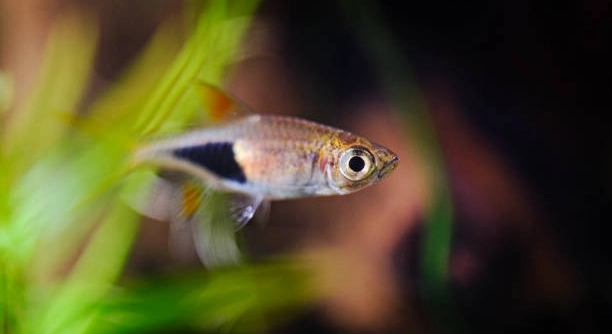
Do Rasbora enjoy watching movement outside the tank? Many fishkeepers notice their Rasbora often swim near the glass, seemingly attentive to the activity around their aquarium. Understanding this behavior can help create a more engaging environment for these lively fish.
Rasbora species are naturally curious and may respond to external movement as a form of stimulation. Observing activity outside the tank can reduce boredom and promote natural exploratory behaviors, although individual reactions vary depending on personality and tank conditions.
Knowing how Rasbora interact with their surroundings can improve their care and enhance the overall aquarium experience. This article will explain what drives their interest in outside movement and how to support their wellbeing.
Why Rasbora Are Attracted to Movement
Rasbora are small, active fish that thrive in environments where there is plenty to observe. Their natural habitats often include flowing streams and rivers where changes in light, shadows, and nearby activity keep them alert. When they see movement outside the tank, it can trigger their curiosity and encourage them to swim closer to the glass. This behavior is not just about curiosity; it can be a way for them to stay mentally stimulated in an otherwise static environment. If there is no movement around the tank, Rasbora might become less active or show signs of boredom, which can impact their overall health. Many aquarists place their tanks in spots with some human activity so their Rasbora have something interesting to notice without feeling threatened. It is important, however, to avoid sudden or aggressive movements that could stress the fish. Gradual and gentle activity outside the tank supports a calm and engaging environment for Rasbora.
While Rasbora are drawn to gentle movement, rapid or loud actions nearby can cause stress and disrupt their natural behavior.
Providing the right balance of stimulation helps Rasbora stay active and healthy. Observing their response to different types of movement outside the tank can guide owners in adjusting the tank’s placement or environment. Some fish may be more reactive than others, so attention to their behavior is key. Using background decorations or plants inside the tank can also complement outside activity by offering safe hiding spots and reducing stress. The goal is to create a peaceful, engaging environment that mimics their natural surroundings as much as possible. This combination supports both their mental and physical wellbeing, leading to happier, more vibrant fish.
How to Enhance Your Rasbora’s Environment
Adding elements that provide visual interest inside the tank can help Rasbora remain stimulated even when there is little movement outside. Plants, rocks, and gentle water flow create a dynamic scene for them to explore.
Introducing slow-moving objects outside the tank, such as a person walking by or soft lighting changes, can further engage Rasbora. Too much activity, however, can be harmful. Observing their reactions allows for adjustments to create the best balance.
Tank placement matters as well. Placing the aquarium where moderate activity occurs offers natural entertainment for Rasbora without overwhelming them. Avoid areas with loud noises or constant sudden movements, as these cause stress. Additionally, a regular feeding routine combined with environmental enrichment encourages healthy behavior. By managing both the internal tank setup and the external surroundings, owners can help their Rasbora feel safe and interested, promoting longevity and vibrant colors. Watching these small fish respond to movement and changes can be rewarding and deepen the connection between owner and pet.
Signs Rasbora Are Engaged by Movement
Rasbora often swim toward the glass or follow objects moving outside the tank. They may flick their fins or increase activity levels when something interesting passes by. These behaviors show they are paying attention and are mentally stimulated by the movement.
When Rasbora notice activity outside the tank, they may become more alert and swim actively around the viewing area. This engagement is a natural response linked to their curiosity and instinct to observe their environment. Watching something move can mimic stimuli they would find in nature, helping to keep their minds sharp. This kind of interaction also encourages social behavior when multiple Rasbora respond together, enhancing their group dynamics and reducing boredom.
On the other hand, if Rasbora suddenly hide or dart away from the glass, it often indicates stress rather than interest. Signs like rapid swimming or hiding suggest the movement outside is too intense or threatening. It’s important to observe these reactions closely to ensure their environment remains comfortable. Balancing stimulation with calm is key to supporting their wellbeing.
Creating a Comfortable Viewing Environment
The area around the tank should have steady, gentle movement rather than sudden or loud activity. Soft lighting changes and slow motions provide a calm atmosphere. This type of environment keeps Rasbora interested without causing stress or fear.
Choosing a quiet, well-lit spot for the aquarium helps minimize sharp noises or rapid movements that can startle Rasbora. Visual barriers like plants or decorations near the glass create safe spaces, allowing the fish to retreat if needed. This balance helps Rasbora feel secure while enjoying the external view. Maintaining a peaceful setting around the tank promotes healthier behavior and reduces anxiety. This approach supports their natural curiosity and encourages steady engagement.
How Movement Affects Rasbora Stress Levels
Movement outside the tank can either calm or stress Rasbora depending on its intensity. Gentle, predictable activity often soothes them, while sudden, loud actions tend to cause anxiety.
Rasbora need a stable environment where outside movement is not overwhelming. Consistent, slow changes help them feel secure and reduce stress-related behaviors.
Best Practices for Tank Placement
Place the tank where activity is steady but not chaotic. Avoid high-traffic areas with rapid movement or loud noises that may scare Rasbora.
Choosing a spot with natural light and gentle activity supports their comfort and keeps them interested without overwhelming them.
Monitoring Your Rasbora’s Behavior
Regularly observe how your Rasbora react to movement outside the tank. Notice changes in activity levels and stress signals to adjust their environment accordingly.
FAQ
Do Rasbora recognize their owners?
Rasbora are more focused on movement and light changes than on recognizing specific people. While they may react to your presence near the tank, it is usually because of the motion you create rather than knowing you personally. Over time, they may associate your approach with feeding or interaction, which can lead to more active responses.
Can too much movement outside the tank harm Rasbora?
Yes, excessive or sudden movement can stress Rasbora. They are small fish sensitive to their surroundings. Rapid or loud activity may cause them to hide, become skittish, or show signs of stress such as erratic swimming. It’s important to keep external activity calm and consistent to avoid harming their wellbeing.
How can I tell if my Rasbora is stressed by outside movement?
Signs of stress include hiding for long periods, frantic swimming, loss of appetite, or faded coloration. If they seem nervous or avoid the glass whenever there is movement nearby, it’s likely the environment is too stimulating. Adjusting tank placement or minimizing sudden outside actions can help reduce their stress.
Is it okay to tap on the tank glass to get my Rasbora’s attention?
Tapping the glass is generally not recommended. It can startle Rasbora and increase stress levels. Instead, approach the tank calmly and avoid abrupt noises. Creating a peaceful environment encourages positive interactions and helps build trust over time.
Do Rasbora prefer a quiet room or a room with some activity?
Rasbora do best in environments where there is moderate, gentle activity. Constant stillness can lead to boredom, while too much noise or fast movement can cause stress. A room with soft, slow movement like people walking quietly or natural light changes is ideal for their comfort.
Can Rasbora become bored without outside movement?
Yes, Rasbora are active and curious fish. Lack of stimulation can lead to inactivity or stress. Movement outside the tank provides mental engagement. To compensate, adding plants, decorations, or gentle water flow inside the tank helps keep them entertained when outside activity is minimal.
How often should I change the tank’s location for Rasbora?
Frequent changes are not recommended, as Rasbora need stability. If the tank must be moved, do so carefully and keep it in a place with similar conditions regarding light and activity. Sudden environment changes can cause stress, so maintaining a consistent setup is best.
Do Rasbora respond differently to humans compared to pets or other animals moving nearby?
Rasbora react primarily to movement rather than the type of creature causing it. Whether it’s a human walking by or a pet moving nearby, sudden or fast movement can startle them. Familiarity with regular, calm human activity may reduce their stress over time, but unpredictable pet movements can be disruptive.
Should I cover the tank if there is too much activity around?
If the surrounding area is noisy or chaotic, partially covering the tank with a decorative background or plants can help reduce visual stress. This creates a safer, more enclosed feeling for Rasbora, lowering anxiety from external disturbances while still allowing light inside.
Can lighting changes outside the tank influence Rasbora behavior?
Yes, lighting changes can affect Rasbora mood and activity. Gradual shifts in light mimic natural day-night cycles and keep their routine steady. Sudden bright flashes or flickering lights can stress them. Using soft, consistent lighting supports their health and natural rhythms.
Is it beneficial to have multiple Rasbora together in a tank with movement outside?
Rasbora are schooling fish and feel safer in groups. When multiple Rasbora are together, they often respond to outside movement by swimming actively as a group. This social behavior helps reduce individual stress and increases overall engagement with their environment.
How can I help Rasbora adjust to a new environment with different external activity levels?
Introduce changes slowly and watch their behavior closely. Providing hiding places and keeping lighting consistent helps Rasbora feel secure. If they seem stressed, reduce outside movement near the tank until they become accustomed to the new surroundings. Patience is key to easing their adjustment.
Rasbora are small, lively fish that benefit from a well-balanced environment both inside and outside their tank. Movement outside the aquarium can provide mental stimulation, helping to keep these fish curious and active. Gentle activity, such as soft lighting changes or slow human movement nearby, can engage Rasbora without causing them stress. This external interaction often mimics natural conditions where they would experience shifting light and motion. Creating a calm atmosphere with moderate outside activity supports their natural behavior and overall wellbeing.
It is important to recognize the signs that Rasbora are either comfortable or stressed by their surroundings. When they approach the glass or follow movement calmly, it shows they are interested and engaged. However, if they hide excessively or swim erratically, it indicates that the external activity might be too intense or sudden. Stress can negatively affect their health and coloration, so adjusting the environment is necessary to maintain a peaceful space. Providing hiding spots, gentle water flow, and stable lighting inside the tank also helps reduce anxiety caused by outside factors. Finding the right balance between stimulation and calm will keep Rasbora healthy and happy.
Taking care of Rasbora means paying attention to their responses and making adjustments as needed. Tank placement matters, as a location with steady but quiet activity works best for these fish. Avoid placing tanks in noisy or chaotic areas where sudden movements are frequent. When outside activity is low, enhancing the tank with plants and decorations keeps Rasbora mentally active. Gradual changes and patience when introducing new conditions help Rasbora adapt smoothly. Understanding how they react to movement outside the tank can improve their quality of life and make the aquarium more enjoyable for both fish and owner.

Hello,
If you enjoy the content that we create, please consider saying a "Thank You!" by leaving a tip.
Every little bit helps us continue crafting quality advice that supports the health, happiness, and well-being of pets around the world, for pets of all shapes, sizes, and species.
We really appreciate the kindness and support that you show us!