
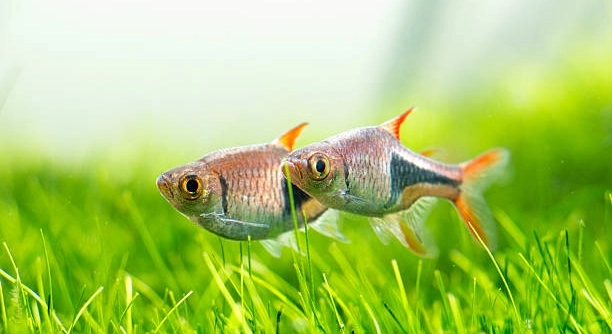
Rasboras are small, lively fish that often share their environment with others. They move carefully, making space for themselves and those around them. Watching their behavior shows how they sense and respect their surroundings.
Rasboras demonstrate awareness of space through coordinated swimming, maintaining personal distance, responding to obstacles, and adjusting their movements to avoid collisions. These behaviors help them thrive socially and safely in their aquatic environments.
These natural habits reveal how rasboras navigate their world with care and attention, offering insight into their social and environmental interactions.
Coordinated Swimming Patterns
Rasboras often swim in groups, moving in sync with each other. This coordination helps them avoid bumping into one another and creates a smooth flow through the water. Each fish adjusts its speed and direction based on the movements of those nearby. This careful balance shows their ability to recognize space around them. When one fish changes course, others quickly follow, keeping the group tight but not overcrowded. This behavior not only protects them from predators but also helps them find food efficiently. Their schooling instinct depends heavily on spatial awareness to keep the group organized and safe. Watching rasboras swim together is a clear example of how they use space to maintain harmony and avoid chaos in their environment.
This group movement is an essential survival skill, showing that rasboras understand how to share space effectively.
Their ability to swim in close proximity without colliding highlights their sensitivity to distance and movement, key aspects of spatial awareness.
Personal Space and Distance
Rasboras keep a small but clear distance from each other to avoid stress or aggression.
This spacing helps them feel safe and comfortable. If fish get too close, it can cause tension, so they naturally maintain gaps. These distances change based on their mood and surroundings. When food is nearby or when the tank is crowded, they adjust their spacing accordingly. This flexible personal space shows how they constantly evaluate and respect their environment. It also allows them to react quickly to threats or changes. Understanding this spacing behavior can improve how we care for them in aquariums, ensuring they have enough room to stay calm and healthy.
Respecting their natural space needs supports their well-being and social harmony.
Proper tank setup should always consider these distance preferences to promote healthy interactions.
Obstacle Avoidance
Rasboras quickly change direction when they sense obstacles nearby. This behavior helps them move safely through tight spaces without injury.
Their sharp awareness allows them to detect objects in their path and adjust their swimming accordingly. This agility is important in both natural habitats and aquarium settings, where plants, rocks, or decorations might block their way. Rasboras use subtle changes in speed and angle to slip past obstacles smoothly. This ability protects them from harm and keeps the group moving efficiently.
The way they navigate obstacles shows their impressive spatial recognition and quick response, helping them adapt to changing environments with ease.
Adjusting Movement to Group Size
Rasboras modify their swimming style depending on how many fish are nearby.
When in larger groups, they tighten their formation and swim more cautiously to avoid collisions. In smaller groups, they spread out more freely and explore their surroundings with less constraint. This flexibility helps maintain social order and prevents stress. Group size influences how much space each fish needs and how it moves. Adjusting their behavior to the number of companions shows their strong awareness of their environment and their place within it. This dynamic adjustment improves their chances of survival and comfort, whether in the wild or an aquarium setting. Their natural ability to adapt movement based on group size is a key part of how they manage space wisely.
Responding to Changes in Light
Rasboras react quickly when lighting conditions change around them. This helps them stay aware of their space and avoid sudden threats.
Changes in light can signal movement or danger. Rasboras use this cue to adjust their position and keep themselves safe within their environment.
Using Visual Cues
Rasboras rely heavily on sight to understand their surroundings. Their eyes track movement, shapes, and colors nearby, helping them navigate safely. Visual cues help them keep distance from others and avoid obstacles. This reliance on vision is key to their spatial awareness and group coordination.
Positioning During Rest
When resting, rasboras choose spots with enough space around them to feel secure.
Avoiding Overcrowding
Rasboras naturally avoid crowding in small spaces, preventing stress and aggression within their group.
FAQ
How do rasboras show awareness of space in an aquarium?
Rasboras use several behaviors to show they understand their space. They keep a steady distance from each other to avoid crowding. When swimming in groups, they adjust their speed and direction to stay coordinated and prevent collisions. They also react quickly to obstacles like plants or decorations by changing their path smoothly. These actions show they can sense and respect their environment to stay safe and comfortable.
Why do rasboras swim in schools?
Swimming in schools helps rasboras feel secure. By moving together in tight, organized groups, they reduce the risk of predators attacking. Schooling also allows them to share space efficiently, as each fish adjusts its position relative to others. This group behavior depends on their awareness of nearby fish, helping them keep proper spacing while staying united. In aquariums, schooling supports natural social behavior and reduces stress.
What happens if rasboras don’t have enough space?
When space is limited, rasboras may become stressed or aggressive. They naturally need some personal distance to feel safe. If they are forced too close together, their movement becomes restricted, and they may bump into each other or obstacles. This can lead to irritation, lower immunity, and health problems. Providing enough swimming room and hiding spots helps rasboras maintain comfort and natural behavior.
Do rasboras react differently when alone?
Rasboras are social fish and prefer being in groups. When alone, they often swim more slowly and may seem less active. Their awareness of space changes because they don’t have others to coordinate with or avoid. Without a group, they might explore more but also feel vulnerable. For their well-being, it’s best to keep them in small schools where their natural spatial behaviors can flourish.
How do lighting changes affect rasbora behavior?
Sudden changes in light can trigger rasboras to move cautiously or hide. They use light cues to detect movement or threats in their environment. When light dims or brightens, they adjust their swimming and spacing to stay safe. This sensitivity helps them respond quickly to changes, maintaining awareness of their surroundings and protecting themselves.
Can rasboras recognize obstacles in a tank?
Yes, rasboras are skilled at sensing obstacles like plants, rocks, or decorations. They detect these objects visually and through subtle water movements. When approaching an obstacle, they slow down or change direction smoothly to avoid collisions. This obstacle avoidance shows their ability to use space wisely and maintain safe swimming paths.
Why do rasboras maintain personal space even in schools?
Even while schooling, each rasbora keeps a small personal bubble. This spacing reduces stress and prevents accidental bumps. By maintaining personal space, they can react quickly to sudden movements or threats. It also helps the group stay flexible and coordinated. This balance of closeness and space is essential for their social harmony.
How do group size and density affect rasbora behavior?
Larger groups cause rasboras to swim more tightly and carefully to avoid collisions. In smaller groups, they spread out more and explore freely. High density can increase stress if space is not enough. Rasboras adjust their movement based on how many fish are nearby, showing their strong sense of space and social structure.
What are signs that rasboras feel crowded or stressed?
Crowded or stressed rasboras may swim erratically, hide more often, or show signs of aggression like chasing or nipping. They might also lose color or stop eating well. These behaviors indicate that their space needs aren’t being met. Improving tank size or reducing the number of fish can help them feel more comfortable.
How can I help rasboras feel comfortable in my tank?
Provide enough swimming space, plants, and hiding spots to allow natural movement and personal space. Keep them in small schools to support social behavior. Avoid sudden changes in lighting or decorations. Regular tank maintenance ensures a safe, stable environment. These steps encourage healthy spatial awareness and reduce stress.
Rasboras are small fish that show a clear understanding of the space around them. They swim together in groups, keeping a careful distance from each other to avoid crowding and stress. Their movements are coordinated, which helps the group stay organized and safe. They are also good at noticing obstacles and changing direction to avoid bumping into things. This natural behavior shows how well they sense their environment and adjust their actions to fit the space they have. When kept in an aquarium, these instincts help them live comfortably and reduce the chance of injury or aggression.
In addition to moving well with their group, rasboras respond to changes in light and the number of fish around them. They react quickly when the light changes, using this as a cue to stay alert and aware of their surroundings. When more fish join the group, they swim more closely and carefully, but when fewer are around, they have more freedom to spread out. These behaviors show that rasboras are flexible and able to adapt their use of space depending on what is happening. Understanding these patterns can help when setting up a tank or caring for rasboras to ensure their well-being.
Overall, rasboras’ awareness of space is important for their safety and comfort. Giving them enough room to swim and keeping them in groups supports their natural habits and reduces stress. Watching their movements can be interesting and shows how much these small fish rely on spatial awareness in their daily lives. Paying attention to how they interact with their environment helps create a better home for them, whether in a natural setting or an aquarium. This knowledge also adds to the enjoyment of keeping rasboras healthy and happy.

Hello,
If you enjoy the content that we create, please consider saying a "Thank You!" by leaving a tip.
Every little bit helps us continue crafting quality advice that supports the health, happiness, and well-being of pets around the world, for pets of all shapes, sizes, and species.
We really appreciate the kindness and support that you show us!