
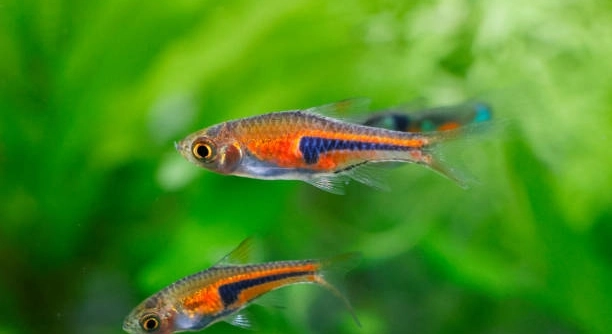
Rasboras are small, peaceful fish often found in home aquariums. They enjoy calm environments and tend to swim in groups. Understanding their behavior can help keep them healthy and comfortable in their tanks.
When rasboras feel threatened, they exhibit rapid swimming, hiding, and schooling tightly together to protect themselves. This stress response aims to reduce risk from perceived danger and maintain their safety within the group.
Recognizing these signs can help you create a safer space for your rasboras. Learning about their reactions is important for their well-being and your enjoyment as a fishkeeper.
How Rasboras React to Threats
When rasboras sense danger, their first response is usually to swim quickly and erratically. This sudden movement helps them confuse predators and escape harm. They also tend to hide among plants, rocks, or decorations in the tank to avoid being seen. Another common behavior is schooling, where the fish group tightly together. This makes it harder for predators to target a single fish. In some cases, rasboras may become less active and stay near the bottom or corners of the aquarium. These reactions are natural survival instincts. They help the fish feel safer in an environment that suddenly feels unsafe. Stress from threats can affect their health if it continues for too long. Observing these behaviors closely can tell you when your rasboras are uncomfortable or scared. Making small changes to reduce stress can greatly improve their quality of life.
Continuous stress in rasboras can weaken their immune system, leading to illness.
Creating a peaceful tank environment is key. Using gentle lighting, stable water conditions, and hiding spots helps keep rasboras calm and less prone to stress-related behaviors.
Common Causes of Stress in Rasboras
Rasboras can feel threatened by sudden movements outside the tank, loud noises, or aggressive tank mates. Changes in water temperature or quality also cause stress. Poor lighting or overcrowding in the aquarium can make them feel unsafe. Introducing new fish without proper acclimation can upset the group’s balance. Sometimes, decorations or plants placed too close together restrict swimming space, adding to their anxiety. These factors combined create an environment that feels hostile to rasboras. Keeping the tank clean and stable helps prevent many of these issues. Knowing what upsets your fish will help you fix the problem quickly. Ensuring enough room and peaceful companions allows rasboras to feel secure and show their natural, calm behavior again. Regular observation and tank maintenance are important for their long-term health.
Signs of Stress in Rasboras
Stress in rasboras can be subtle at first but becomes more noticeable over time.
One common sign is loss of color or dullness in their scales. Healthy rasboras usually have bright, vibrant colors. When stressed, these colors fade. They may also stop eating or show less interest in food. Another sign is hiding more than usual, staying still in one spot, or swimming erratically. Sometimes they may scratch themselves against tank surfaces, indicating irritation or discomfort. Watching their behavior closely helps catch stress early, preventing serious health problems.
Changes in behavior, like lethargy or aggressive schooling, are key indicators that your rasboras need a calmer environment.
How to Help Your Rasboras Feel Safe
Providing plenty of hiding spots with plants and decorations reduces stress by giving rasboras safe places to retreat.
Maintaining stable water parameters is essential. Sudden changes in temperature, pH, or cleanliness can cause anxiety. Using a gentle filter and keeping the tank quiet will also help your fish feel secure. Feeding them regularly with quality food keeps them healthy and less vulnerable to stress. Avoid overcrowding the tank, and choose peaceful tank mates to prevent bullying. These steps create a calm, balanced environment where rasboras can thrive and display their natural behaviors. Consistency and patience are important when helping stressed fish recover.
Preventing Stress in Rasboras
Keeping the tank clean and well-maintained is one of the best ways to prevent stress. Regular water changes and monitoring water quality help avoid harmful buildup.
Avoid sudden changes in the tank environment. Consistency in temperature, lighting, and feeding routines keeps rasboras comfortable and secure.
The Role of Tank Mates
Choosing peaceful tank mates is important to reduce stress in rasboras. Aggressive or larger fish can intimidate them, causing constant fear and hiding.
Small, calm species that share similar water requirements work best. This helps maintain harmony in the tank and supports rasboras’ natural social behaviors.
When to Seek Help
If stress signs persist despite your efforts, consulting a fish specialist or veterinarian can be useful.
FAQ
What are the most common signs that rasboras feel threatened?
Rasboras usually show stress through rapid swimming, hiding, and tight schooling. You may notice their colors fade or they stop eating. Sometimes they become less active or scratch against tank surfaces. These behaviors indicate they feel unsafe and are trying to protect themselves from danger.
How can I tell if my rasboras are stressed or sick?
Stress and illness often look similar. If your fish are hiding more, losing color, or not eating, stress is likely. Illness might cause additional symptoms like spots, frayed fins, or unusual swimming patterns. Watching them closely over time helps you decide if a vet visit is needed.
Can loud noises outside the tank affect rasboras?
Yes, rasboras are sensitive to vibrations and loud sounds. Sudden noises can startle them and trigger a stress response. Keeping the aquarium in a quiet area away from constant noise helps maintain a calm environment for them.
How often should I change the water to reduce stress?
Changing about 20-25% of the water weekly is ideal. This keeps the water clean without shocking the fish. Over-cleaning or large water changes can cause stress by disturbing water parameters suddenly. Regular maintenance keeps conditions stable and healthy.
Are certain decorations better for stressed rasboras?
Plants, both live and artificial, are great hiding spots that help rasboras feel safe. Smooth rocks and caves also provide shelter. Avoid sharp or rough decorations that can injure fish. Plenty of cover lets them retreat when they feel threatened.
Do rasboras need to be kept in groups?
Yes, rasboras are schooling fish and feel safer in groups of at least six. Being in a group reduces individual stress and encourages natural behavior. Keeping them alone or in small numbers can make them nervous and more prone to stress.
Can poor water quality cause stress in rasboras?
Absolutely. High ammonia, nitrite, or nitrate levels can irritate rasboras and weaken their immune system. Maintaining clean, stable water is crucial for preventing stress and illness. Testing the water regularly helps catch problems early.
What tank mates should I avoid to keep rasboras calm?
Avoid aggressive or large fish that may chase or bully rasboras. Species like cichlids or bettas can cause fear and injury. Peaceful, small fish like tetras or guppies make better companions and reduce stress in rasboras.
How long does it take for rasboras to calm down after feeling threatened?
The time varies depending on the cause and individual fish. Some may recover within hours if conditions improve quickly, while others might take days or weeks. Consistent care and a calm environment help speed recovery.
Is it okay to feed stressed rasboras less often?
It’s better to feed small amounts regularly rather than skipping meals. Stressed fish may eat less but still need nutrition. Offering high-quality food in small portions supports their health without causing overfeeding or water pollution.
Can changing tank lighting help reduce stress?
Yes, bright or sudden lighting changes can startle rasboras. Using dim or natural light and providing shaded areas lets them adjust comfortably. Gradual light changes in the morning and evening mimic natural conditions and reduce anxiety.
Should I quarantine new fish before adding them to the tank?
Quarantining new fish is highly recommended. It prevents introducing diseases and gives new fish time to adjust away from the main tank’s residents. This practice helps maintain a peaceful, healthy environment for your rasboras.
What happens if stress in rasboras is ignored?
Long-term stress weakens their immune system, making them prone to infections and disease. It can also shorten their lifespan and reduce their activity and color vibrancy. Early action is important to avoid serious health problems.
Can water temperature changes cause stress?
Yes, sudden or extreme temperature shifts shock rasboras. Keeping water between 72-78°F (22-26°C) with minimal fluctuations helps them stay comfortable. Using a reliable heater and thermometer ensures stable temperature.
How can I tell if my rasboras are schooling properly?
Healthy rasboras swim together smoothly, changing direction as a group. If they scatter, isolate themselves, or swim frantically, it could indicate stress or illness. Observing their group behavior gives clues about their well-being.
Are there any supplements that help stressed rasboras?
Some aquarium supplements reduce stress by improving water quality or boosting immunity, like aquarium salts or vitamins. Always follow dosage instructions carefully and research products before use to avoid harm. Consulting a fish expert is best.
Can I use hiding places to calm rasboras when they feel threatened?
Providing plenty of hiding spots is one of the best ways to help rasboras feel safe. They will naturally retreat when stressed, which lowers anxiety and encourages natural behaviors. Avoid overcrowding the tank so hiding places remain accessible.
Is it normal for rasboras to stay hidden for long periods?
If hiding lasts more than a day or two, it may be a sign of ongoing stress or illness. Occasional hiding is normal, but extended retreat indicates something in the environment is troubling them. Checking tank conditions can help identify the issue.
How important is tank size for preventing stress?
Tank size matters a lot. A small tank limits swimming space and increases aggression or stress. A minimum of 10 gallons is recommended for a small group of rasboras. More space means better water quality and happier fish overall.
Can sudden feeding changes cause stress?
Yes, abruptly changing diet or feeding schedule can unsettle rasboras. Gradually introducing new foods and maintaining consistent feeding times help reduce stress and keep fish healthy.
What should I do if one rasbora is stressed but others are not?
Isolate the stressed fish in a separate tank or area if needed. Check for signs of illness or bullying. Improving tank conditions and monitoring behavior helps all fish return to balance safely.
Rasboras are delicate fish that rely on a calm and stable environment to thrive. When they feel threatened, their behavior changes quickly to protect themselves. These changes can include hiding, swimming fast, or sticking closely together. Understanding these signs is important because it helps you recognize when your fish are uncomfortable or stressed. Stress in fish is not just about behavior—it can affect their health and lifespan if ignored. Keeping an eye on their actions and surroundings will allow you to catch problems early and act before they become serious.
Creating a safe space for rasboras means paying attention to many small details. Stable water conditions, gentle lighting, and peaceful tank mates all play a role in reducing stress. Giving your fish plenty of hiding places helps them feel secure when they need a break. Avoiding sudden changes in the tank, such as abrupt temperature shifts or loud noises, also supports their well-being. Feeding your rasboras good quality food regularly keeps them healthy and able to cope better with stress. Each of these simple steps adds up to a happier, healthier fish.
Finally, caring for rasboras requires patience and observation. These fish cannot tell us when they are scared or sick, so it’s up to us to watch closely and respond with care. Sometimes stress may not be obvious at first, but over time it can show through changes in color, activity, or appetite. Acting quickly by adjusting the environment or seeking advice from fish experts can make a big difference. With consistent care and attention, rasboras will feel safe and comfortable, showing their natural beauty and lively personalities in your aquarium.

Hello,
If you enjoy the content that we create, please consider saying a "Thank You!" by leaving a tip.
Every little bit helps us continue crafting quality advice that supports the health, happiness, and well-being of pets around the world, for pets of all shapes, sizes, and species.
We really appreciate the kindness and support that you show us!