
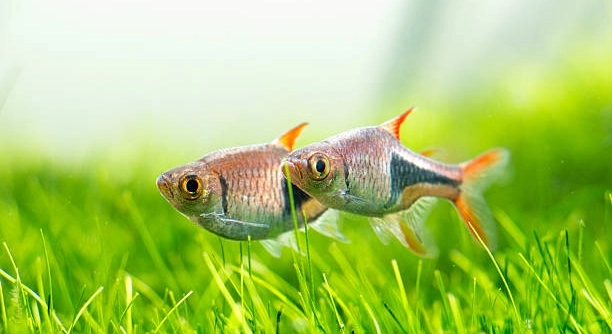
Do you enjoy watching Rasbora swim gracefully in your aquarium? These small, active fish often capture attention with their lively movements. Understanding their swimming habits can help create a better environment for them to thrive.
Rasbora do not have a strict favorite time to swim but tend to be more active during daylight hours. Their activity correlates with light levels, feeding times, and tank conditions rather than a fixed schedule.
Learning about their swimming patterns can improve how you care for your Rasbora and enhance their overall well-being in your tank.
When Do Rasbora Swim Most Actively?
Rasbora are naturally diurnal fish, meaning they are most active during the day. Their swimming activity increases shortly after the lights in the tank come on and usually peaks mid-morning to early afternoon. During this time, they explore their environment, look for food, and interact with other fish. In the evening, their activity slows down as they prepare to rest. Factors like tank lighting, water temperature, and feeding schedule affect how often and when they swim. Rasbora appreciate a consistent routine that mimics their natural habitat. Sudden changes in light or temperature can disrupt their behavior and make them less active. Providing plants and hiding spots can also encourage healthy movement and reduce stress. Observing these patterns helps owners create an environment where Rasbora feel safe and comfortable throughout the day.
Regular light cycles are essential for maintaining their natural activity rhythm.
Understanding their active times allows better care and supports their health and happiness.
Factors That Influence Rasbora Swimming Behavior
Rasbora swimming habits depend on several key factors. Light is the most important, as they rely on it to regulate their internal clock. Feeding times also play a role; Rasbora tend to swim more actively around feeding periods. Water temperature impacts their metabolism—cooler water slows them down, while warmer water increases activity. Stress from overcrowding or aggressive tank mates can limit movement and cause hiding. The size of the tank and availability of plants or decorations influence their swimming space and patterns. A well-maintained tank with stable water conditions promotes consistent and healthy swimming behavior. Regular observation of these factors helps identify any changes in their routine or well-being. Adjusting lighting schedules, feeding times, and tank setup ensures Rasbora remain active and comfortable in their environment.
How Light Affects Rasbora Activity
Rasbora are highly responsive to light. Bright, consistent lighting encourages their natural daytime activity, while darkness signals rest. Too much sudden light can cause stress, making them hide or swim erratically.
Maintaining a regular light schedule helps Rasbora develop a natural rhythm. Ideally, aquarium lights should be on for about 8 to 10 hours daily. Gradual light changes, like using a timer, reduce stress and simulate sunrise and sunset. This helps Rasbora feel more secure and swim actively during the day. Bright light also highlights their colors and makes observing their behavior easier.
Sudden or irregular lighting can confuse them, reducing swimming activity and increasing hiding. A balanced light cycle benefits their health and encourages consistent movement, contributing to a lively tank environment.
Feeding and Swimming Patterns
Rasbora usually swim more actively before and after feeding times. Their anticipation of food causes bursts of energy and increased movement in the tank. Feeding smaller, more frequent meals supports this natural behavior.
Feeding quality food on a schedule keeps their metabolism steady and activity balanced. Overfeeding can lead to sluggishness and poor water quality, which affects swimming. Proper nutrition also supports their energy levels and overall health, allowing them to swim energetically throughout the day. Observing their swimming behavior around feeding times provides insight into their well-being and helps adjust feeding amounts accordingly.
Tank Environment and Swimming Behavior
The tank setup plays a big role in Rasbora activity. Open swimming spaces encourage movement, while overcrowding limits their freedom.
Adding plants and hiding spots helps Rasbora feel secure and reduces stress, which supports healthy swimming habits.
Temperature’s Role in Rasbora Activity
Rasbora prefer water temperatures between 72°F and 78°F. When the water is too cold, their metabolism slows, and they become less active. Warmer water increases their energy but can cause stress if it gets too hot. Stable temperatures encourage consistent swimming patterns and overall health.
Social Behavior and Swimming
Rasbora are schooling fish and swim best in groups of six or more. They rely on group movement for safety and confidence, which leads to more natural and active swimming behaviors.
Stress and Its Effect on Swimming
Stress reduces Rasbora activity and makes them hide more. Common stressors include poor water quality, aggressive tank mates, or sudden changes in the environment.
How often do Rasbora swim throughout the day?
Rasbora swim frequently during daylight hours, usually becoming active soon after the aquarium lights turn on. They swim in bursts of activity interspersed with periods of rest or slow movement. Their activity peaks mid-morning to early afternoon and slows down as evening approaches. Consistent light cycles help maintain this routine.
Do Rasbora swim at night?
Rasbora are primarily diurnal and tend to rest during the night. In a dark tank, they will stay still or find hiding spots to rest. Any swimming at night is minimal and often a sign of disturbance, such as sudden light or noise.
Can the lighting in the tank affect Rasbora swimming patterns?
Yes, lighting strongly influences Rasbora behavior. Bright, stable lighting encourages active swimming during the day, while darkness signals rest. Sudden changes or overly intense light can stress them, reducing activity or causing erratic swimming.
What is the ideal tank temperature for Rasbora activity?
The ideal temperature range for Rasbora is between 72°F and 78°F. Temperatures outside this range can slow their metabolism or increase stress, impacting their swimming patterns. Maintaining a stable temperature supports consistent activity and overall health.
How does feeding affect Rasbora swimming?
Rasbora tend to swim more actively before and after feeding. They become more alert and energetic anticipating food. Feeding small amounts regularly helps maintain this natural pattern and keeps their metabolism balanced.
Does tank size influence how Rasbora swim?
Tank size impacts how freely Rasbora can swim. Larger tanks provide more space for natural schooling and exploration. Overcrowded or small tanks limit movement, increasing stress and reducing swimming activity.
Are Rasbora schooling fish? How does this affect their swimming?
Yes, Rasbora are schooling fish and swim best in groups of six or more. Schooling provides safety and confidence, encouraging natural, active swimming. Isolated Rasbora often become shy and swim less.
What role do plants and decorations play in Rasbora swimming behavior?
Plants and decorations offer hiding spots and mimic a natural environment. They reduce stress and encourage healthy swimming by making Rasbora feel secure. A balanced environment with open swimming areas and shelter is ideal.
Can stress affect Rasbora swimming habits?
Stress significantly reduces swimming activity. Causes include poor water quality, aggressive tank mates, sudden environmental changes, or inadequate hiding places. Stress leads to hiding, erratic movement, or lethargy.
How can you tell if a Rasbora is healthy based on its swimming?
Healthy Rasbora swim actively in groups with smooth, coordinated movements. They respond quickly to food and explore the tank confidently. Lethargy, erratic swimming, or isolation may indicate health problems or stress.
Is it normal for Rasbora to rest on the bottom sometimes?
Yes, Rasbora may rest near the bottom occasionally, especially when tired or settling before sleep. However, prolonged resting on the bottom or sluggish behavior can signal illness or poor water conditions.
Do changes in water quality impact Rasbora swimming?
Poor water quality, including high ammonia or nitrite levels, lowers Rasbora activity. They become stressed and may hide or swim less. Maintaining clean, stable water is essential for their normal swimming patterns.
Can Rasbora adapt their swimming habits to different tank conditions?
Rasbora are adaptable but prefer stable conditions. They may adjust swimming patterns if the environment changes, but frequent disruptions can cause stress and reduced activity. Consistency in tank care supports healthy behavior.
How important is a feeding schedule for Rasbora swimming behavior?
A regular feeding schedule helps regulate Rasbora’s activity cycles. Predictable feeding times trigger swimming bursts before and after meals. Irregular feeding can cause stress and inconsistent activity.
Do Rasbora swim differently during breeding?
During breeding, Rasbora may swim more actively and display chasing behavior within the group. Males often become more vibrant and show off to females. This period includes increased movement and interaction.
What can cause sudden changes in Rasbora swimming behavior?
Sudden changes may result from water quality issues, temperature shifts, illness, stress, or new tank mates. Observing other signs like color changes or appetite loss helps identify causes.
How can you encourage more active swimming in Rasbora?
Maintain proper lighting, temperature, clean water, and a suitable tank environment with plants and open spaces. Feeding on a schedule and keeping them in groups also encourages activity.
Is it normal for Rasbora to sometimes swim near the surface?
Yes, Rasbora often swim near the surface, especially during feeding or when exploring. Swimming at the surface is normal unless paired with gasping, which could indicate poor oxygen levels.
How do Rasbora interact while swimming in a school?
They swim in coordinated groups, often changing direction together to avoid threats. This schooling behavior increases their sense of security and encourages active swimming throughout the tank.
What should you do if Rasbora stop swimming actively?
Check water parameters, temperature, tank mates, and feeding routine. Look for signs of illness or stress. Correcting these issues usually restores normal swimming behavior quickly.
Rasbora are active swimmers who follow natural rhythms influenced by light, temperature, and feeding. Their activity is highest during the day, especially when the aquarium lights are on. Providing a consistent light schedule helps maintain their daily routine and encourages healthy movement. Temperature also plays a key role, with ideal water conditions between 72°F and 78°F supporting their metabolism and energy levels. Feeding at regular times increases their activity and keeps them alert. These factors combined create an environment where Rasbora can swim naturally and stay healthy.
Tank setup impacts how Rasbora swim and feel in their environment. They need enough open space to move freely and plants or decorations to feel safe. Overcrowding or sudden changes in the tank can cause stress, which reduces swimming and makes them hide. Rasbora are schooling fish and do best in groups of six or more. Swimming in a group provides them comfort and encourages more natural and active behavior. Maintaining stable water quality and avoiding aggressive tank mates also helps Rasbora stay calm and swim normally.
Understanding Rasbora’s swimming habits improves how we care for them. Observing their activity throughout the day and responding to changes in behavior can signal if something is wrong. Keeping conditions stable, feeding on schedule, and providing a balanced tank setup allows Rasbora to thrive. Their swimming patterns reflect their health and comfort, so paying attention to these details supports their well-being. A well-cared-for Rasbora will swim actively and bring life to any aquarium.

Hello,
If you enjoy the content that we create, please consider saying a "Thank You!" by leaving a tip.
Every little bit helps us continue crafting quality advice that supports the health, happiness, and well-being of pets around the world, for pets of all shapes, sizes, and species.
We really appreciate the kindness and support that you show us!