
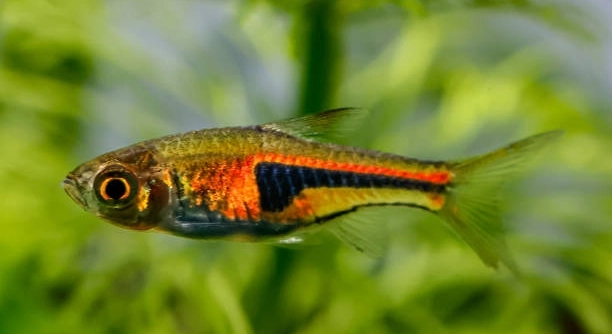
Rasboras are small, colorful fish often found in home aquariums. Many fishkeepers enjoy watching their lively movements and wonder if these fish show signs of excitement. Understanding their behavior can make caring for them more rewarding.
Rasboras do exhibit changes in behavior that can be interpreted as excitement, such as increased swimming speed and more active interactions with their environment. These responses indicate heightened alertness or stimulation rather than complex emotions.
Recognizing these subtle signs helps fish enthusiasts better connect with their rasboras and improve their aquarium experience.
Understanding Rasbora Behavior
Rasboras are social fish that enjoy swimming in groups. They often show quick movements when they feel curious or notice something new in their environment. These bursts of speed or sudden changes in direction are their way of reacting to stimuli. Sometimes, they swim near the surface or hover around plants more actively, which can suggest excitement or interest. Their small size and schooling nature mean they rely on movement to communicate with each other. Watching how they respond to feeding time or new objects in the tank gives clues about their mood. While they do not have complex emotions like mammals, their physical activity changes offer a simple way to tell if they are stimulated. Careful observation over time helps owners understand what makes their rasboras more lively or calm, making it easier to create a comfortable habitat.
Rasboras mainly express excitement through active swimming and alert behavior. These actions show their engagement with the surroundings.
These signs, though simple, provide valuable insight. Noticing when your rasboras become more active can improve tank care and feeding routines, helping the fish stay healthy and happy.
Signs of Excitement in Rasboras
Increased movement is a clear sign that rasboras are reacting positively to their environment. Their bright colors may also become more noticeable during these times.
When rasboras get excited, they tend to swim faster and interact more with each other. They may dart around or explore new tank decorations with energy. Feeding times often trigger this behavior, as they anticipate food and become more active. Their fins might spread out more, and they sometimes make quick, sudden turns. These actions are natural responses to stimuli rather than true emotions but still indicate their alertness. If they see something unusual, such as a new fish or a hand near the tank, their behavior can become more lively as they react to the change. Understanding these patterns helps you know when your fish feel stimulated, which can help adjust tank conditions to keep them comfortable and stress-free.
How Rasboras React to Their Environment
Rasboras respond quickly to changes around them. Movement outside the tank, new decorations, or sudden sounds often cause them to swim faster or group closer together. These behaviors help them stay alert and safe.
Environmental changes can make rasboras more active or cautious. When a new object is added to the tank, they usually approach it carefully at first, swimming around it to explore. Bright lights or shadows can also affect their behavior, sometimes causing them to hide among plants. Water quality and temperature are important too; any discomfort can make them restless or lethargic. Keeping their environment stable helps rasboras feel secure and behave naturally.
Feeding routines often excite rasboras. They learn to recognize feeding times and become more active beforehand. This anticipation is seen in their quicker movements and eagerness to reach food. Providing consistent care keeps their behavior predictable and healthy.
Interaction with Other Fish
Rasboras are peaceful and enjoy the company of other fish. They often swim in schools and stay close to their group for comfort and security.
In a community tank, rasboras show excitement by schooling tightly and swimming actively with their companions. This social behavior helps reduce stress and makes them feel safer. They rarely act aggressively but can become more alert when new fish are introduced. Watching their group dynamics offers insight into their mood. Friendly, active schooling is a good sign of comfort, while hiding or erratic swimming may suggest stress. Ensuring they have enough space and compatible tank mates helps maintain their well-being and natural behavior.
Common Misinterpretations of Rasbora Behavior
Sometimes, what looks like excitement can actually be stress or fear. Rapid movements or hiding might mean something is wrong. Knowing the difference is important for their care.
Misreading these signs can lead to unnecessary changes in the tank. Observing patterns over time helps distinguish excitement from discomfort, ensuring rasboras stay healthy and calm.
How to Encourage Positive Behavior
Creating a stable environment with clean water, proper lighting, and enough space promotes natural activity in rasboras. Regular feeding at consistent times also helps maintain their routine and alertness.
The Role of Tank Setup
Plants and hiding spots reduce stress and encourage exploration. A well-decorated tank invites rasboras to swim actively and show more natural behavior.
Watching for Stress Signals
Noticing unusual behavior early can prevent health issues. Keep an eye on changes in swimming patterns or appetite.
FAQ
Can rasboras really feel excitement like humans do?
Rasboras do not experience emotions like humans. What looks like excitement is really a physical response to stimuli, such as sudden movement or feeding time. Their faster swimming or group activity shows alertness and engagement but does not mean they feel excitement in the human sense.
How can I tell if my rasboras are happy or stressed?
Happy rasboras swim actively in groups, explore their tank, and respond to feeding with eagerness. Stressed fish may hide more often, swim erratically, or lose interest in food. Watching their normal behavior over time helps you spot any changes that indicate stress or discomfort.
Do rasboras prefer to be alone or in groups?
Rasboras are schooling fish and feel safer in groups of at least six. Being in a group reduces stress and encourages natural behaviors. Alone, they may become shy or stressed, so keeping them in small groups is best for their well-being.
What tank conditions make rasboras more active?
Clean, stable water with the right temperature (usually 72-78°F) helps rasboras stay healthy and active. Moderate lighting and plenty of plants or hiding spots make them feel secure. Regular feeding times also encourage their natural swimming and social behaviors.
Why do my rasboras dart around the tank suddenly?
Quick darting usually means they noticed a change or potential threat. It could be a shadow, noise, or movement outside the tank. This sudden action is a natural alert response to stay safe. If darting happens frequently, check the tank for stressors.
Can rasboras recognize their owners or react to people?
Rasboras do not recognize people like pets such as dogs or cats. However, they learn to associate feeding time with your presence and may swim closer to the tank glass when you approach. This reaction shows they are alert and expect food, not emotional connection.
How often should I feed my rasboras to keep them active?
Feeding small amounts once or twice daily keeps rasboras healthy and alert. Overfeeding can cause water problems and reduce their activity. Consistent feeding schedules help them anticipate food and show more lively behavior during those times.
What should I do if my rasboras seem lethargic or inactive?
Lethargy may signal poor water quality, illness, or stress. Test the water regularly for ammonia, nitrites, and nitrates. Make sure the temperature is stable and within the right range. If they stay inactive, consider consulting a vet who specializes in fish.
Can tank decorations affect rasbora behavior?
Yes, decorations influence how rasboras explore and feel safe. Plants, rocks, and hiding spots reduce stress and encourage movement. Avoid overcrowding the tank, as too many decorations can limit swimming space and cause frustration.
Is it normal for rasboras to sometimes ignore food?
Yes, rasboras may skip meals occasionally, especially during changes in their environment or if water conditions are not ideal. Occasional fasting is normal but consistent refusal to eat can indicate health problems or stress that needs attention.
Do rasboras communicate excitement to each other?
Rasboras use movement and schooling patterns to respond to their environment and group members. Increased swimming speed or tighter schooling can signal alertness or interest. While it’s not emotional communication, these behaviors help them stay coordinated and safe.
How long do rasboras live, and does excitement affect their lifespan?
Rasboras usually live 3 to 5 years with good care. Their activity levels reflect health rather than excitement. Maintaining a calm, stable environment with proper nutrition and clean water is more important for lifespan than how often they show energetic behavior.
What signs show my rasboras are comfortable in their tank?
Comfortable rasboras swim freely in groups, explore decorations, and show bright colors. They respond calmly to your presence without hiding or sudden darting. Watching these natural behaviors means your tank conditions support their well-being.
Are there specific foods that make rasboras more lively?
Balanced diets with quality flakes, frozen, or live foods keep rasboras healthy and active. Protein-rich foods like brine shrimp or daphnia often boost energy. Avoid overfeeding and vary their diet to prevent boredom and support their natural behavior.
Can stress reduce a rasbora’s ability to show excitement?
Stress can make rasboras less active and hide more, which reduces the chances of seeing lively behavior. Stress factors include poor water quality, aggressive tank mates, or sudden changes. Reducing stress improves their overall activity and health.
Rasboras are small, active fish that react to their surroundings in simple ways. They do not experience emotions like excitement the way humans do, but their behavior often shows increased activity when something in their environment changes. For example, when feeding time approaches or a new object is added to their tank, rasboras may swim faster or explore more. These changes in movement indicate alertness and engagement rather than true excitement. Understanding this helps aquarium keepers better read their fish’s behavior and respond appropriately.
Providing a stable and comfortable environment is key to seeing these natural behaviors in rasboras. Clean water, proper temperature, and good tank setup with plants and hiding spots make them feel secure and encourage them to swim actively. Rasboras also do best when kept in groups, as they are social fish that rely on each other for comfort. Watching how they interact with tank mates can give clues about their well-being. When rasboras are calm and swimming together, it shows they are healthy and comfortable in their home.
It is important to observe your rasboras regularly to recognize normal behavior and notice any signs of stress or illness. Sudden changes, like hiding, erratic swimming, or lack of appetite, may indicate problems with water quality or health. By paying attention to these signs, you can adjust tank conditions or seek advice to keep your fish healthy. While rasboras do not express excitement like humans, their active behavior and responses to their environment can be rewarding to watch and help build a better connection between you and your aquatic pets.

Hello,
If you enjoy the content that we create, please consider saying a "Thank You!" by leaving a tip.
Every little bit helps us continue crafting quality advice that supports the health, happiness, and well-being of pets around the world, for pets of all shapes, sizes, and species.
We really appreciate the kindness and support that you show us!