
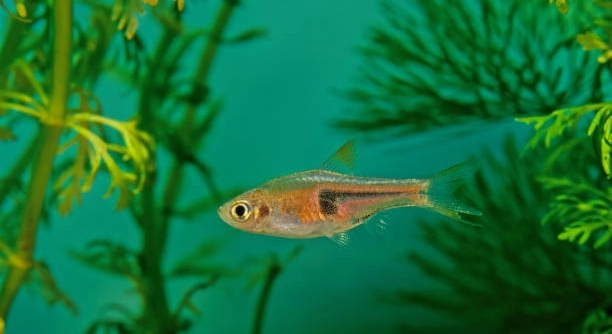
Rasboras are small, peaceful fish often kept in home aquariums. They usually swim in groups and enjoy social interaction. Sometimes, these little fish may show signs that suggest they feel lonely or isolated in their environment.
Rasboras exhibit loneliness through specific behaviors such as reduced activity, hiding, decreased appetite, or unusual aggression. These signs indicate a lack of social stimulation or companionship, which is vital for their well-being in captivity.
Observing these behaviors closely can help you provide better care and create a happier environment for your rasboras. Understanding their social needs is key to keeping them healthy and content.
Reduced Activity and Lethargy
When rasboras feel lonely, one of the first signs is a noticeable drop in their activity levels. They may swim less and spend more time resting near the bottom or hiding among plants. Normally, rasboras are active swimmers who enjoy moving in groups, so this change is a clear sign of discomfort. Lack of interaction can cause them to lose interest in exploring their tank or engaging with their surroundings. This behavior might be mistaken for illness, but loneliness often plays a key role. If you notice your rasbora becoming unusually still or sluggish, it’s important to check the tank setup and ensure there are enough companions. These fish thrive in groups of at least six because social interaction is crucial for their mental and physical health. Without this, they can become listless and stressed. Paying attention to their movement patterns helps you identify their emotional state early on.
Lethargy in rasboras often signals isolation and the need for a more social environment.
Providing a proper group setting and enriching their habitat encourages more lively behavior and reduces stress.
Hiding and Avoidance
Rasboras that feel lonely often hide more than usual. They might retreat to corners, plants, or decorations in the aquarium, avoiding open spaces and other fish. This behavior shows discomfort and stress. In a healthy group, rasboras are usually seen swimming together and interacting, so frequent hiding stands out as a concern. Hiding can protect them when they feel vulnerable, but if it becomes constant, it means they are not comfortable with their environment or tank mates.
To help lonely rasboras, ensure the tank has plenty of hiding spots but also open areas for swimming.
Adding more rasboras or compatible species can reduce this behavior by restoring social balance. When they feel part of a group again, they are more likely to explore and come out of hiding. Regular observation of their hiding habits can reveal changes in their comfort level and social needs. Recognizing this early lets you improve their tank conditions before the behavior worsens. Creating a balanced environment with both safety and social opportunity is essential to keeping rasboras active and happy.
Decreased Appetite
Rasboras feeling lonely often eat less or lose interest in food. This change can affect their health if not addressed quickly.
When rasboras are isolated or stressed, their appetite may drop significantly. They might ignore food or eat smaller amounts than usual. Appetite is closely tied to their emotional state, so loneliness can cause them to avoid meals or become picky. This behavior should not be ignored because poor nutrition weakens their immune system, making them more vulnerable to illness. Regular feeding times and proper portion sizes can help, but social interaction is often the missing factor to restore normal eating habits.
Improving tank companionship and providing a calm, stable environment encourages rasboras to regain their appetite. Sometimes, introducing live or varied foods can stimulate interest. Watching their feeding closely gives clues about their mental and physical health, so adjusting care based on their behavior is important.
Unusual Aggression
Lonely rasboras can become aggressive toward tank mates. This behavior is rare but shows frustration or stress.
Aggression may appear as chasing, nipping, or sudden attacks on other fish. Normally peaceful, rasboras rely on social groups to feel secure. When isolated or lacking companions, they might act out to express discomfort. This behavior can harm the tank’s harmony and stress all fish involved. Aggression in rasboras often signals unmet social needs or environmental issues. Fixing this requires adding more rasboras or compatible fish to reduce tension. Adjusting tank layout to provide enough space also helps prevent conflicts.
Monitoring interactions regularly ensures that aggression doesn’t escalate. When rasboras feel connected to their group, they display calmer and more balanced behavior, benefiting the entire aquarium community.
Swimming Alone
Rasboras are schooling fish that prefer to swim in groups. Swimming alone can be a sign of loneliness or stress.
When a rasbora separates itself from the group, it may feel isolated or uncomfortable. This behavior suggests a need for more companions or a better tank environment.
Lack of Response to Stimuli
Lonely rasboras may stop reacting to changes around them, like movement outside the tank or feeding time. This lack of response shows decreased interest and can indicate stress or sadness.
Excessive Hiding
Spending too much time hidden can be a clear sign that a rasbora is feeling lonely or insecure in its environment.
How many rasboras should I keep together to prevent loneliness?
Rasboras are social fish that feel safest in groups. Keeping at least six together is recommended to reduce loneliness. Smaller groups can cause stress and loneliness, leading to unhealthy behaviors. Larger groups promote natural schooling behavior, making the fish feel secure and more active.
A group of six or more also helps balance tank dynamics, reducing aggression and encouraging natural interaction. In smaller tanks, keeping fewer rasboras is possible, but aim for at least five to six to maintain their social needs. Always consider tank size and filtration to keep the environment healthy for multiple fish.
What tank conditions help rasboras feel less lonely?
Tank conditions play a big role in a rasbora’s well-being. They need enough space to swim in groups freely, so avoid overcrowding but provide room for movement. A tank of at least 20 gallons is suitable for a small group.
Plants and decorations create hiding spots and areas to explore, which reduce stress and loneliness. Lighting should mimic natural conditions—moderate and not too harsh. Stable water parameters with regular cleaning also keep fish healthy, reducing stress that can worsen loneliness.
Can rasboras get lonely if kept with other fish species?
Rasboras need their own kind for social interaction. While other peaceful species can coexist, they don’t replace the companionship of fellow rasboras. Different species may not school together, which leaves rasboras feeling isolated.
Having compatible tank mates helps reduce loneliness but isn’t a substitute for a proper rasbora group. When mixing species, ensure tank mates are peaceful and share similar water needs to keep stress low for all fish.
How can I tell if my rasbora is lonely or sick?
Loneliness and sickness can show similar signs, like hiding and lethargy, but sickness usually comes with other symptoms. Look for changes like discolored fins, spots, rapid breathing, or swelling to identify illness.
If the fish shows only behavioral changes such as reduced swimming or isolation without physical signs, loneliness might be the cause. Checking water quality, tank mates, and group size can help pinpoint the problem. If illness is suspected, consult a vet or aquarium expert.
Will adding more rasboras immediately fix loneliness issues?
Adding more rasboras usually improves social interaction, but it might take time for fish to adjust. Newcomers can initially cause stress or minor chasing as groups settle.
Make sure to add fish gradually and provide enough space to reduce tension. Watch interactions closely to prevent bullying. Over time, most rasboras form a stable group and show improved behavior, increased activity, and better appetite.
What should I do if I can’t keep a group of rasboras?
If space or resources limit you to only one or two rasboras, try to enrich the tank as much as possible. Add plants, decorations, and gentle water movement to provide stimulation.
While this won’t fully replace social interaction, it helps reduce stress. Regular interaction through tank maintenance or visual contact may provide some comfort, but remember, rasboras truly thrive in groups. Consider a larger tank or different species better suited for solitary life if groups aren’t possible.
Can loneliness cause health problems in rasboras?
Yes, loneliness can weaken a rasbora’s immune system, making them more vulnerable to infections and diseases. Stress from isolation increases susceptibility to common illnesses like fin rot or swim bladder issues.
Maintaining social groups and a healthy environment is essential for their physical health. When lonely, rasboras may also stop eating properly, which further harms their condition. Proper care and companionship are key to preventing health problems related to loneliness.
Are there any signs rasboras show when they are happy and well-socialized?
Happy rasboras swim actively in groups, showing coordinated movements and exploring their tank. They eat regularly and respond to feeding times with enthusiasm.
They interact gently with tank mates and display bright, healthy colors. Minimal hiding and consistent activity are good indicators that they feel secure and connected within their social group. Observing these positive signs helps confirm your care is meeting their needs.
Taking care of rasboras means paying close attention to their behavior and environment. These small fish are naturally social and need the company of their own kind to stay healthy and happy. When they feel lonely, it can affect how they act, their eating habits, and even their health. Watching for signs like hiding, swimming alone, or not eating well helps you understand their needs better. This way, you can make changes before loneliness causes bigger problems.
Making sure your rasboras have enough tank mates and a comfortable environment is very important. A group of at least six fish allows them to swim together and feel safe. The tank should have plants and decorations to provide hiding places, which reduce stress. Keeping the water clean and stable also helps them stay strong. When these needs are met, rasboras usually show brighter colors, more energy, and better appetite. This shows they are comfortable and thriving in their home.
Loneliness in rasboras is something that can be prevented and treated with simple care steps. Adding more rasboras to your tank, adjusting their space, and improving tank conditions make a big difference. Watching their behavior regularly gives clues about how they feel and what they need. By staying attentive and making small changes, you help your rasboras live a happier, healthier life. Taking these steps shows that their well-being depends on good social support and a well-maintained home.

Hello,
If you enjoy the content that we create, please consider saying a "Thank You!" by leaving a tip.
Every little bit helps us continue crafting quality advice that supports the health, happiness, and well-being of pets around the world, for pets of all shapes, sizes, and species.
We really appreciate the kindness and support that you show us!